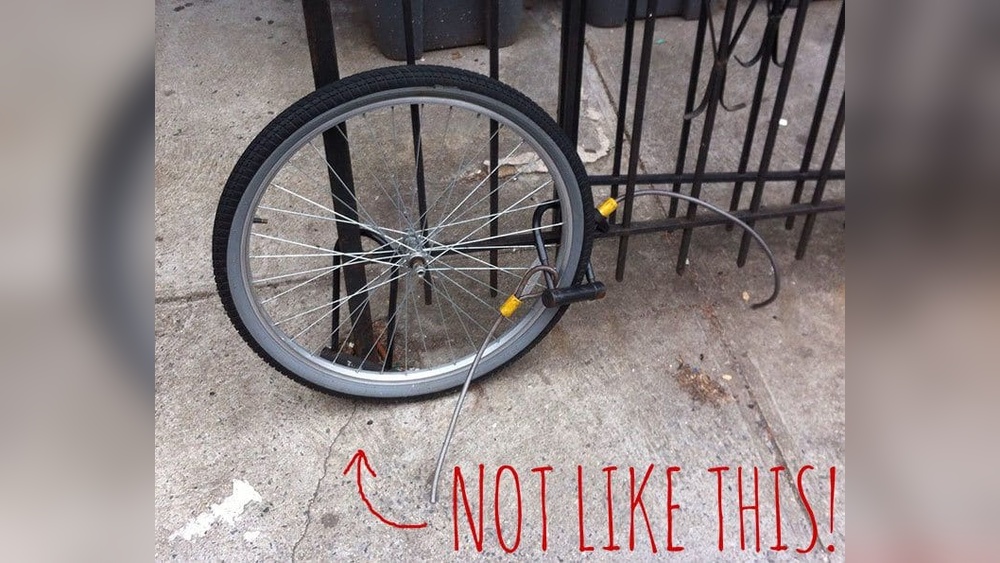
You’ve invested time and money into your bike, so protecting it should be a top priority. But do you really know how to lock your bike properly to keep it safe?
A simple mistake can cost you your ride in seconds. This guide will show you the best techniques to lock your bike securely, so you can ride with peace of mind. Keep reading to learn how small changes in your locking habits can make a huge difference in preventing theft.
Choosing The Right Lock
Choosing the right lock is key to keeping your bike safe. A good lock stops thieves and gives peace of mind. The right lock depends on your bike, where you park, and how long you leave it. This section explains the main points to help you pick the best lock.
Types Of Bike Locks
Bike locks come in many types. U-locks are strong and hard to break. Cable locks are light and flexible but less secure. Chain locks offer good strength but can be heavy. Folding locks fold into a small size and balance security and convenience.
Lock Strength And Ratings
Not all locks protect equally. Check the lock’s strength rating before buying. High ratings mean better security. Look for locks tested by independent groups. A strong lock resists cutting and picking tools. Choose a lock with solid materials like hardened steel.
Portability And Convenience
Carrying a lock should not be a hassle. Lightweight locks make carrying easy. Folding locks fit in a bag or bike mount. Heavy chain locks are tough but hard to carry. Choose a lock you can carry comfortably every day.
Best Locking Techniques
Using the right locking techniques is key to keeping your bike safe. A good lock and smart habits lower the chance of theft. This section covers important tips to lock your bike correctly. Follow these steps to protect your bike better.
Locking The Frame And Wheels
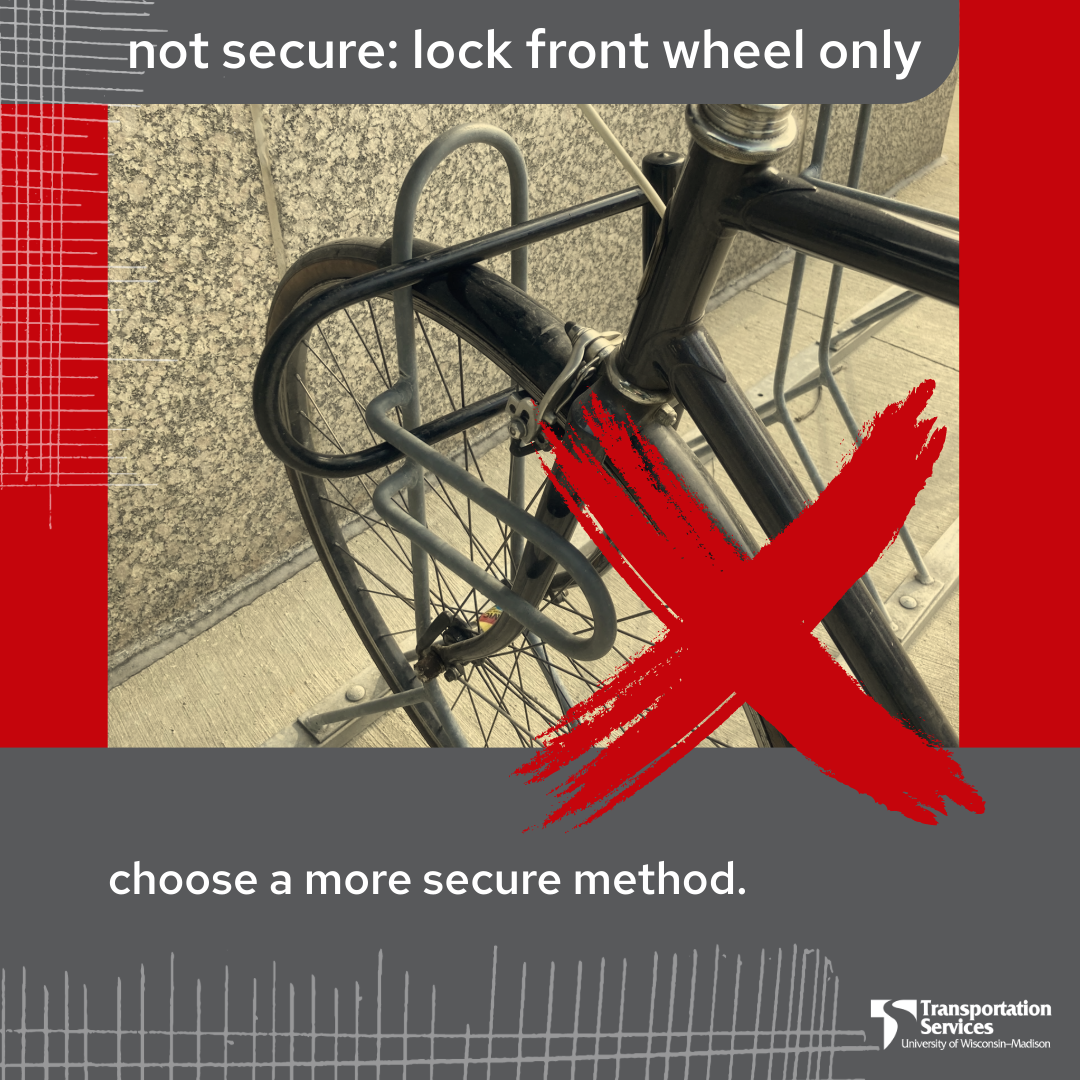
Always lock the frame to the lock. Thieves can steal wheels if only they are locked. Use a U-lock or heavy chain to secure the frame and at least one wheel. If possible, lock the rear wheel and frame together. This makes it harder to steal parts separately.
Securing To Fixed Objects
Lock your bike to a solid, fixed object. Choose bike racks, metal poles, or sturdy fences. Avoid thin or weak posts that thieves can cut or move. Make sure the object is firmly attached to the ground. This prevents thieves from lifting your bike away.
Avoiding Common Mistakes
Do not lock your bike in isolated or poorly lit areas. Avoid locking only the front wheel or quick-release parts. Do not use cheap locks that break easily. Always check the lock and object before leaving your bike. Small errors make your bike an easy target.
Optimal Parking Spots
Choosing the right spot to park your bike is very important for its safety. A good parking spot lowers the risk of theft and damage. It also makes it easier to lock your bike securely. Picking an optimal parking spot means thinking about visibility, traffic, and security.
High-traffic Areas
Park your bike where many people walk by. Thieves avoid busy places because they can be seen easily. More eyes mean better security for your bike. Places near stores, bus stops, or busy streets are good choices.
Well-lit Locations
Choose spots that have bright lights at night. Thieves prefer dark places to avoid getting caught. Lights help you see your bike clearly and make it harder for thieves to act. Street lamps or lights near buildings are ideal.
Using Designated Bike Racks
Always use bike racks made for parking bikes. They keep your bike stable and make locking easier. Bike racks are often in safe, busy spots. Parking here also shows respect for public spaces and rules.
Credit: transportation.wisc.edu
Additional Security Measures
Extra steps help protect your bike beyond just one lock. These add layers of safety and lower theft risk. Small actions can make a big difference in keeping your bike safe.
Using Multiple Locks
Use two or more locks to secure your bike. Each lock should protect different parts. For example, one lock for the frame and another for the wheels. Thieves find it harder to break multiple locks. Choose locks with different types of keys or codes.
Removing Accessories
Take off easily removable parts like lights or bags. These items can attract thieves. Carry them with you or keep them inside. Removing accessories makes your bike less tempting to steal. It also reduces loss if the bike gets taken.
Registering Your Bike
Register your bike with local or online databases. This helps prove ownership if your bike is stolen. Many police stations offer bike registration services. Some websites allow you to list your bike’s details. Registration makes recovery easier and theft less likely.
Maintenance Of Locks
Keeping your bike lock in good shape helps protect your bike better. Locks face dirt, rain, and dust every day. This can make them rusty or hard to use. Regular care makes sure your lock works smoothly and stays strong. Follow these simple steps to keep your lock ready to protect your bike.
Cleaning And Lubrication
Clean your lock often to remove dirt and grime. Use a soft brush or cloth. Avoid water inside the lock. Apply a little lubricant to the keyhole and moving parts. This stops rust and helps the lock open easily. Use oil made for locks, not heavy grease.
Regular Inspection
Check your lock for damage every week. Look for cracks, rust, or stiff parts. Test the key to see if it turns smoothly. Catching problems early saves your lock from breaking. Fix or clean small issues before they get worse.
Replacing Worn Locks
Old locks may not protect your bike well. If your lock sticks or breaks often, it needs replacing. Choose a new lock with strong materials and good reviews. A fresh lock keeps your bike safe and gives peace of mind.

Credit: thebestbikelock.com

Credit: transportation.ucdavis.edu
Frequently Asked Questions
How Do I Choose The Best Lock For My Bike?
Select a sturdy U-lock or heavy-duty chain lock. Avoid cable locks as they are easier to cut. Choose locks with high security ratings for better protection.
Where Should I Lock My Bike To Prevent Theft?
Always lock your bike to a solid, immovable object. Use well-lit, busy areas with surveillance cameras. Avoid locking to weak structures or removable parts.
What Parts Of The Bike Should I Lock?
Secure the frame and at least one wheel to the lock. Remove or lock quick-release wheels and accessories to prevent easy theft.
Can I Improve Bike Security With Multiple Locks?
Yes, using two different types of locks deters thieves. For example, combine a U-lock with a cable lock for wheels and frame.
Conclusion
Lock your bike to a strong, fixed object. Use a sturdy U-lock or chain for better safety. Always secure both the frame and wheels. Choose a busy, well-lit spot to park. Double-check your lock before leaving. These steps help stop thieves from stealing your bike.
Stay safe and protect your ride every time. Simple habits make a big difference in bike security. Keep your bike locked right, and ride with peace of mind.

