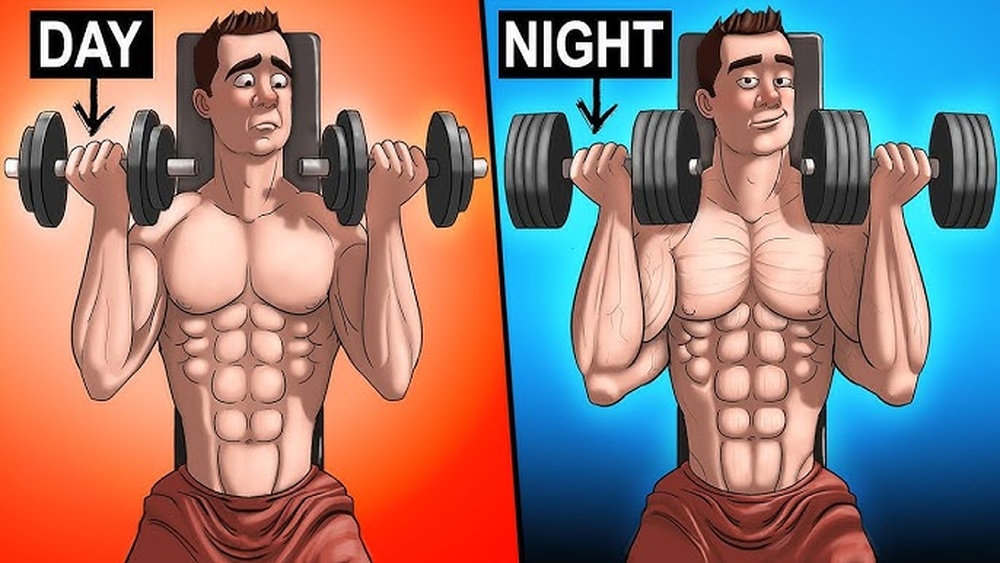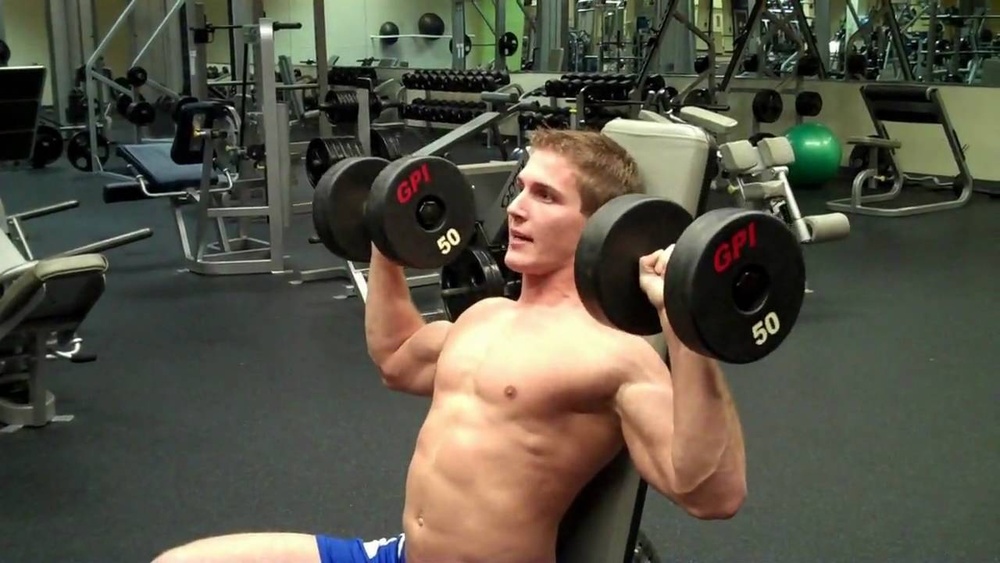
How much dumbbell shoulder press should you be doing to see real results? If you’ve ever wondered about the right weight, reps, or sets for your shoulder press, you’re not alone.
Choosing the right amount can make all the difference between building strong, defined shoulders and risking injury or wasted effort. You’ll discover exactly how to find the perfect dumbbell weight for your shoulder press, tailored to your goals and fitness level.
Keep reading to unlock the secrets that will help you press smarter, not harder.
Benefits Of Dumbbell Shoulder Press
The dumbbell shoulder press offers many benefits. It is a simple exercise that builds strength in your shoulders. This move helps improve your posture and makes daily tasks easier. Using dumbbells allows a natural range of motion and reduces the risk of injury.
Performing the dumbbell shoulder press regularly can enhance your upper body power. It also supports muscle balance and joint stability. This exercise fits well into any workout plan, whether you are a beginner or advanced lifter.
Muscle Groups Targeted
The dumbbell shoulder press mainly works the deltoid muscles. These are the large shoulder muscles that give shape to your arms. It also engages the triceps in the back of your arms. Your upper chest and traps get some work too. This exercise strengthens several muscles at once.
Improved Shoulder Stability
Dumbbells require you to balance each weight separately. This helps stabilize your shoulder joints. Strong shoulder stability lowers the chance of injury. It also improves your performance in other exercises. Over time, this stability supports better arm control and movement.
Enhanced Muscle Symmetry
Using dumbbells forces each side of your body to work equally. This prevents one shoulder from becoming stronger than the other. Balanced muscles help reduce the risk of pain and injury. It also improves your overall appearance and posture. Dumbbell presses promote even muscle growth.
Credit: barbend.com
Choosing The Right Dumbbell Weight
Picking the right dumbbell weight is key to a safe and effective shoulder press. The correct weight helps build strength without causing injury. It also keeps your workouts challenging but manageable.
Choosing weights that are too heavy can hurt your muscles or joints. Too light, and you will not see progress. Focus on finding a weight that matches your current ability and goals.
Assessing Your Current Strength
Start by testing your shoulder strength with light dumbbells. Try to do 8 to 12 reps with good form. If the last reps feel hard but doable, the weight is right. If the weight feels too easy, increase it gradually.
Take note of how your shoulders feel during and after the exercise. Avoid weights that cause sharp pain or discomfort. Your goal is to challenge muscles, not strain them.
Starting With Proper Form
Good form is more important than lifting heavy weights. Sit or stand with your back straight and feet flat. Hold the dumbbells at shoulder height, palms facing forward. Press the weights upward without locking your elbows.
Control the movement both up and down. Avoid swinging or using momentum. Proper form helps target shoulder muscles and reduces injury risk.
Progressive Overload Strategies
To build strength, gradually increase the dumbbell weight over time. Add small increments as your muscles adapt. Another option is to add more reps or sets with the same weight.
Track your progress to stay motivated. Consistency helps you improve safely and steadily. Remember, slow and steady wins the race.
Proper Dumbbell Shoulder Press Technique
Proper technique is key for an effective dumbbell shoulder press. It protects your shoulders and boosts strength gains. Following the right steps helps avoid injury and ensures balanced muscle growth. Focus on body positioning, grip, and the pressing motion for best results.
Body Positioning And Grip
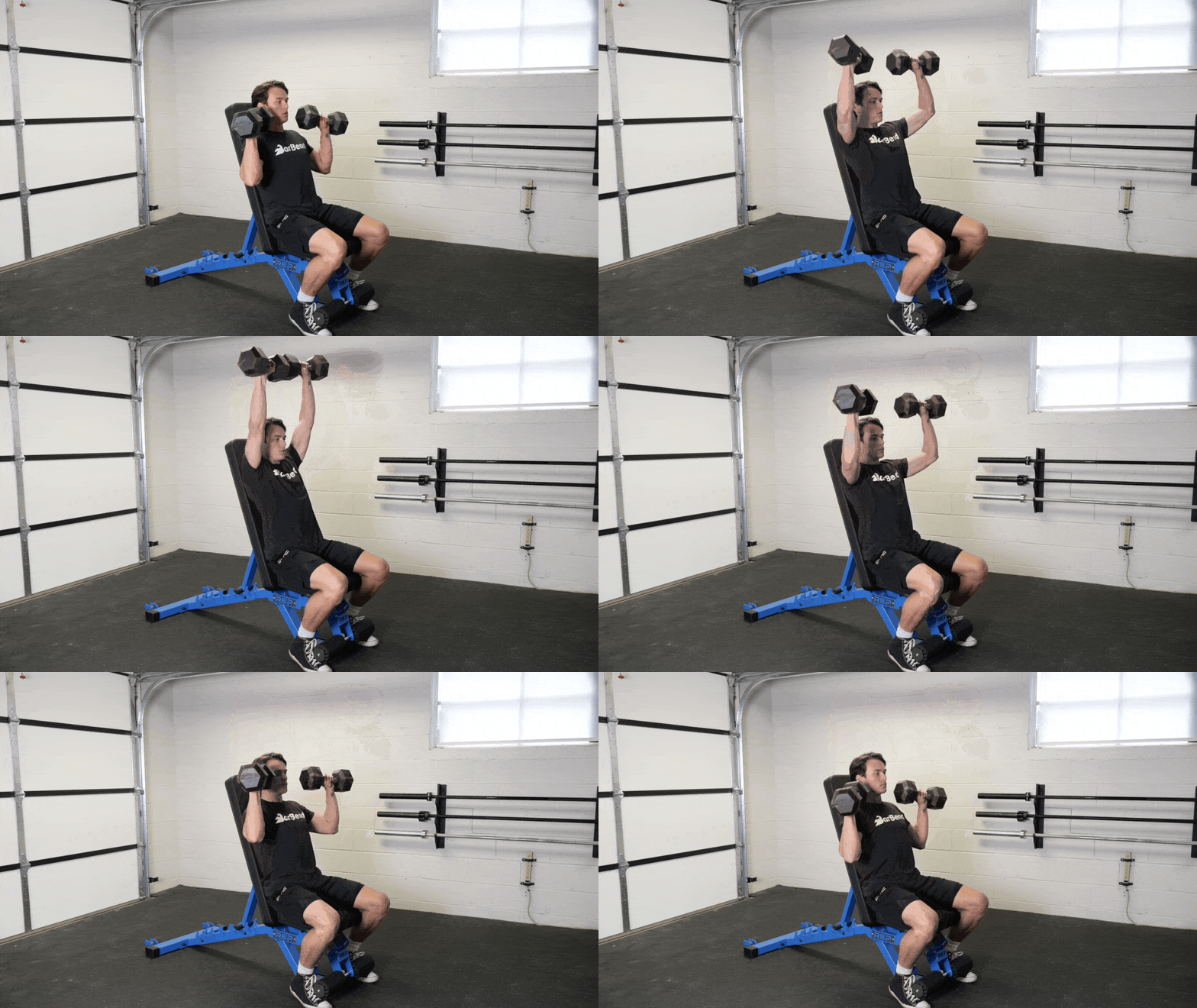
Sit on a bench with back support. Keep your feet flat on the floor. Hold a dumbbell in each hand at shoulder height. Palms should face forward or slightly towards each other. Keep your wrists straight and elbows under your wrists. Maintain a neutral spine and avoid arching your lower back.
Pressing Motion Steps
Start by pressing the dumbbells upward in a controlled way. Extend your arms fully overhead without locking your elbows. Lower the weights slowly back to shoulder height. Keep your core tight and breathe out as you press up. Inhale as you lower the dumbbells down. Repeat for the desired number of reps.
Common Form Mistakes To Avoid
Do not arch your lower back excessively. Avoid flaring your elbows out too wide. Do not let the dumbbells drift too far forward or backward. Avoid using momentum to lift the weights. Do not hold your breath during the exercise. Keep a steady, controlled pace throughout the movement.
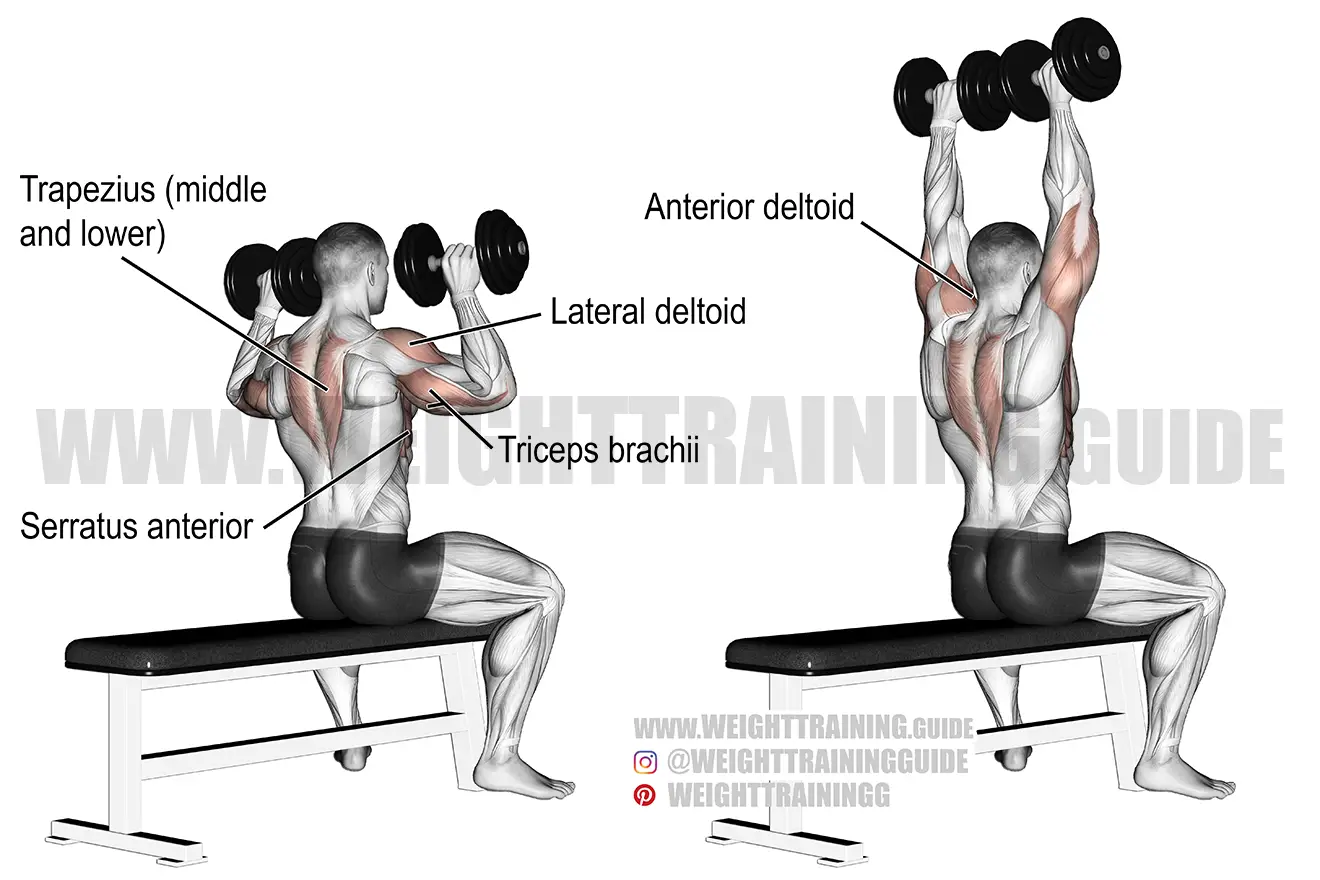
Credit: weighttraining.guide
Recommended Sets And Reps For Strength
Choosing the right sets and reps helps build shoulder strength effectively. Different rep ranges target different goals. Understanding these can improve your dumbbell shoulder press results.
Low Reps For Max Strength
Perform 3 to 5 sets of 3 to 6 reps. Use heavier dumbbells that challenge your muscles. This range focuses on building maximum strength quickly. Keep your form strict to avoid injury. Rest longer between sets to recover fully.
Moderate Reps For Muscle Growth
Complete 3 to 4 sets of 8 to 12 reps. Use moderate weight that tires your muscles by the last rep. This range promotes muscle size and endurance. Control the movement speed for better muscle activation. Avoid rushing through the reps.
Rest Periods Between Sets
For low reps, rest 2 to 3 minutes between sets. This helps muscles recover for max effort. For moderate reps, rest 30 to 90 seconds. Shorter breaks keep muscles under tension longer. Adjust rest time based on your fitness level and goals.
Tracking Progress And Increasing Weight
Tracking progress and increasing weight in your dumbbell shoulder press routine helps build strength safely. Regularly checking your performance shows how your muscles improve. Gradually raising weight challenges your muscles to grow without causing injury. This approach keeps workouts effective and prevents plateaus. Focus on steady progress, not sudden jumps.
Signs You Should Increase Weight
You can complete all reps easily without feeling tired. Your form stays strong and controlled throughout the set. The last few reps feel manageable, not too hard or too easy. You no longer feel muscle fatigue after a workout. Progress has slowed down or stopped for several sessions.
Safe Weight Increment Guidelines
Increase dumbbell weight by small steps, about 5%. Avoid large jumps that cause strain. Add weight only when you can maintain perfect form. Rest between sets to recover fully before adding more weight. Listen to your body and stop if you feel pain. Consistency beats rushing to lift heavier weights.
Using Logs And Apps For Tracking
Write down your sets, reps, and weight after every workout. Use apps designed for weightlifting to track progress easily. Review your records weekly to spot improvements or stalls. Logs help you plan when to increase weight safely. Tracking keeps you motivated and focused on goals.
Combining Shoulder Press With Other Exercises
Combining the dumbbell shoulder press with other exercises can improve strength and balance. It helps build a more complete upper body workout. Using different movements targets various muscles around the shoulder and arms. This approach also reduces the risk of injury and overuse.
Adding complementary exercises keeps your routine interesting. It challenges your muscles in new ways. These small changes boost your progress and help avoid plateaus.
Complementary Shoulder Movements
Pair the shoulder press with lateral raises. They strengthen the side deltoids for wider shoulders. Front raises focus on the front deltoids, improving press power. Reverse flys target rear deltoids, balancing shoulder strength. Rotator cuff exercises protect joints and improve stability. These moves work well with dumbbell shoulder presses.
Full Upper Body Workout Tips
Include rows to strengthen the back and improve posture. Push-ups and bench presses build chest and triceps. Pull-ups help develop lats and biceps for arm balance. Core exercises like planks improve overall strength and support. Aim for 3-4 sets of 8-12 reps for each exercise. Rest 30-60 seconds between sets to maintain intensity.
Recovery And Rest Days
Rest days let muscles repair and grow stronger. Avoid training the same muscle group two days in a row. Use light stretching or yoga on rest days to stay flexible. Proper sleep and hydration support muscle recovery. Listen to your body and adjust rest as needed. Recovery is key for steady progress and injury prevention.
Injury Prevention And Safety Tips
Injury prevention is key when performing dumbbell shoulder presses. Proper safety measures reduce risks and help maintain steady progress. Prioritizing safety ensures that your workouts remain effective and pain-free. Follow these tips to protect your shoulders and enjoy consistent gains.
Warm-up Routines
Start with light cardio to increase blood flow. Include arm circles and shoulder rolls to prepare joints. Use light dumbbells or resistance bands for shoulder activation. This reduces stiffness and improves mobility before heavy lifting.
Avoiding Overtraining
Limit shoulder press sessions to two or three times weekly. Rest days allow muscles and joints to recover fully. Watch for signs of fatigue or soreness that lasts more than two days. Overtraining can cause injury and slow muscle growth.
Recognizing Pain Vs. Discomfort
Discomfort feels like muscle burn during effort. Sharp or sudden pain signals potential injury. Stop immediately if sharp pain occurs. Do not push through severe or persistent pain. Seek professional advice if pain continues after rest.

Credit: www.youtube.com
Frequently Asked Questions
How Much Weight Should I Use For Dumbbell Shoulder Press?
Start with light weights to master form, typically 5-15 lbs for beginners. Gradually increase based on strength and comfort.
How Many Reps Are Ideal For Dumbbell Shoulder Press?
Aim for 8-12 reps per set to build muscle and strength effectively. Adjust reps based on your fitness goals.
Can Dumbbell Shoulder Press Build Strong Shoulders Fast?
Yes, consistent dumbbell shoulder presses enhance shoulder strength and muscle definition over time with proper form.
How Often Should I Do Dumbbell Shoulder Press Weekly?
Perform the exercise 2-3 times weekly, allowing rest days for muscle recovery and growth.
Conclusion
Choosing the right dumbbell weight for shoulder press is key. Start with light weights to learn the movement well. Gradually increase weight as your strength grows. Focus on form to avoid injuries and get results. Listen to your body and rest when needed.
Consistency matters more than heavy lifting alone. Track your progress to stay motivated. This simple approach helps build strong, healthy shoulders. Keep training smart and enjoy steady improvement.