Are you wondering if dumbbell side bends are bad for your body? You’re not alone.
Many people question whether this popular exercise can actually cause harm or if it’s a safe way to tone your waist. Before you decide to add or skip dumbbell side bends in your workout, it’s important to understand how they affect your muscles and spine.
Keep reading, because what you learn here could change the way you train and help protect your body from injury. Don’t miss out on key tips that make this move work for you—safely and effectively.

Credit: www.menshealth.com
Common Myths About Dumbbell Side Bends
Dumbbell side bends often get misunderstood. Many believe wrong things about this simple exercise. Let’s clear up common myths. Knowing the truth helps you train smarter and safer.
These myths may stop you from trying side bends or doing them right. Here’s what you really need to know.
Myth: They Cause Lower Back Injuries
People often say side bends hurt your lower back. The truth is, proper form protects your spine. Using light to moderate weights reduces injury risk. Avoid twisting your body during the move. Controlled motion keeps your back safe. Side bends can even strengthen muscles around your spine.
Myth: Side Bends Target Only Obliques
Many think side bends work only oblique muscles. They do focus on obliques but also engage other muscles. Your core, hips, and lower back get involved too. This makes side bends a good choice for overall core strength. Your balance and posture benefit as well.
Myth: Dumbbell Side Bends Are Ineffective
Some believe side bends don’t work well. This is not true. Side bends build muscle and improve flexibility. They help tone your waist and improve core stability. Like all exercises, consistency and good form matter most. Dumbbell side bends add variety and challenge to your workouts.
Benefits Of Dumbbell Side Bends
Dumbbell side bends offer several important benefits for your body. They target muscles on the sides of your torso, helping to build strength and improve movement. These exercises also support your spine and help maintain good posture. Including dumbbell side bends in your routine can lead to better overall fitness and body control.
Improving Core Strength
Dumbbell side bends work the oblique muscles along your waist. Strong obliques help stabilize your core during daily activities. A strong core reduces the risk of injuries and improves balance. This exercise also supports better performance in sports and other workouts. It helps your body stay firm and controlled.
Enhancing Spinal Flexibility
This exercise gently stretches the muscles around your spine. Increased spinal flexibility can reduce stiffness and pain. It allows easier bending and twisting motions. Flexible spine muscles support better movement and reduce stress. Dumbbell side bends contribute to a healthier back over time.
Supporting Postural Balance
Dumbbell side bends strengthen muscles that keep your body upright. This helps correct imbalances caused by sitting or poor posture. Improved posture reduces strain on your back and neck. Balanced muscles keep your body aligned and stable. Regular practice of side bends supports a straight and healthy posture.
Potential Risks And How To Avoid Them
Dumbbell side bends can help tone your oblique muscles. Yet, using poor form may cause pain or injury. Knowing the risks helps you avoid problems and exercise safely.
Pay attention to how you perform each movement. Small mistakes can lead to muscle strain or lower back issues. Listen to your body and stop if you feel sharp pain.
Common Mistakes During Execution
People often bend too far to the side, stressing the spine. Holding the dumbbell too heavy causes poor control. Twisting the torso instead of bending sideways strains muscles. Avoid jerky or fast movements to protect your back. Keep your core tight and move slowly for best results.
Signs Of Overuse Or Strain
Feeling persistent soreness or sharp pain in your sides signals overuse. Lower back discomfort may also indicate strain. Muscle tightness or spasms after workouts are warning signs. Watch for swelling or bruising near your ribs. Rest and reduce weight if you notice these symptoms.
When To Skip Dumbbell Side Bends
Avoid this exercise if you have a history of back pain. Skip side bends during pregnancy to protect your body. Stop if you feel dizziness or numbness during the movement. Choose alternative exercises like planks or side planks to work your obliques safely.
Proper Technique For Safe Dumbbell Side Bends
Performing dumbbell side bends safely requires the right technique. Proper form protects your back and maximizes workout benefits. Small mistakes can cause strain or injury. Focus on posture, weight, and breathing for a safe exercise.
Correct Posture And Form
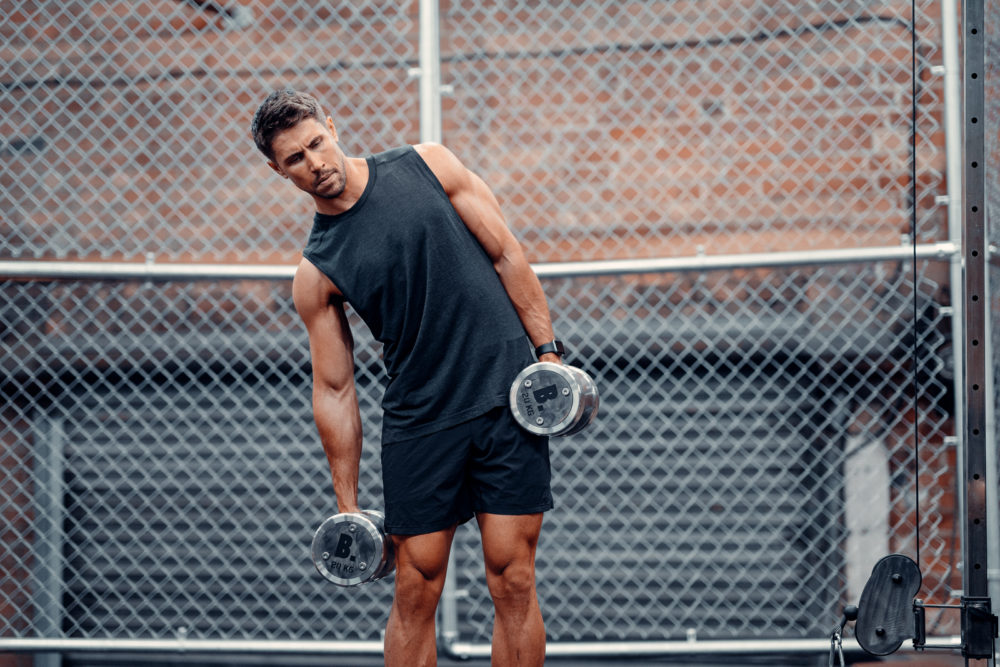
Stand with feet shoulder-width apart. Keep your back straight and chest up. Hold a dumbbell in one hand by your side. Slowly bend sideways at the waist. Avoid leaning forward or twisting your body. Return to the starting position with control. Maintain a neutral spine throughout the movement.
Choosing The Right Weight
Select a dumbbell weight that feels comfortable. Start light to learn the motion well. Too heavy weights increase injury risk. Use a weight that allows 10 to 15 reps with good form. Gradually increase weight as strength improves. Focus on control, not how heavy you lift.
Breathing And Movement Control
Inhale deeply before bending to the side. Exhale slowly while bending down. Avoid holding your breath during the exercise. Move in a smooth, controlled way. Do not jerk or rush through the motion. Controlled breathing supports muscle engagement and stability.
Alternatives And Complementary Exercises
Exploring alternatives and complementary exercises can improve your workout variety. These exercises target the obliques effectively without overloading the spine. They offer safer options with better control and form. Try these moves to build strong, balanced core muscles.
Bodyweight Side Bends
Bodyweight side bends are simple and effective. Stand tall and bend sideways slowly. Use your obliques to control the movement. No equipment is needed. This exercise reduces strain on the lower back. It helps improve flexibility and muscle tone.
Cable Side Bends
Cable side bends provide constant resistance throughout the motion. Stand next to a cable machine with a handle at shoulder height. Pull the cable down and to the side. Keep your core tight and back straight. This exercise allows smooth, controlled movement. It strengthens obliques and improves stability.
Plank Variations For Obliques
Plank variations target the entire core, including obliques. Side planks are a popular choice. Hold your body on one arm and the side of your foot. Keep your body straight and hips raised. Add hip dips or leg lifts to increase difficulty. These moves build core strength and endurance. They also reduce the risk of injury.
Credit: thefitnessmaverick.com
Credit: www.youtube.com
Frequently Asked Questions
Are Dumbbell Side Bends Harmful For Your Back?
Dumbbell side bends can strain your lower back if done incorrectly. Proper form and moderate weight are essential to avoid injury. Use controlled movements and avoid excessive twisting to protect your spine while targeting oblique muscles effectively.
Do Dumbbell Side Bends Build Strong Obliques?
Yes, dumbbell side bends target the oblique muscles, helping strengthen and tone your sides. Consistent practice improves core stability and enhances overall abdominal definition when combined with a balanced workout routine.
How Often Should I Do Dumbbell Side Bends?
Perform dumbbell side bends 2-3 times per week as part of your core workout. Allow rest days to prevent muscle strain and promote recovery. Start with light weights and gradually increase intensity for best results.
Can Dumbbell Side Bends Cause Muscle Imbalances?
Improper form or uneven weight distribution can lead to muscle imbalances. Ensure equal reps on both sides and maintain good posture. Balanced training and attention to technique minimize the risk of developing imbalances.
Conclusion
Dumbbell side bends can help strengthen your core muscles. Use light weights and focus on good form. Avoid bending too far to prevent strain. Keep movements slow and controlled for safety. Listening to your body matters most during exercise. Side bends are not bad if done properly.
They add variety and balance to workouts. Remember, consistency matters more than heavy weights. Stay mindful and enjoy your fitness journey.