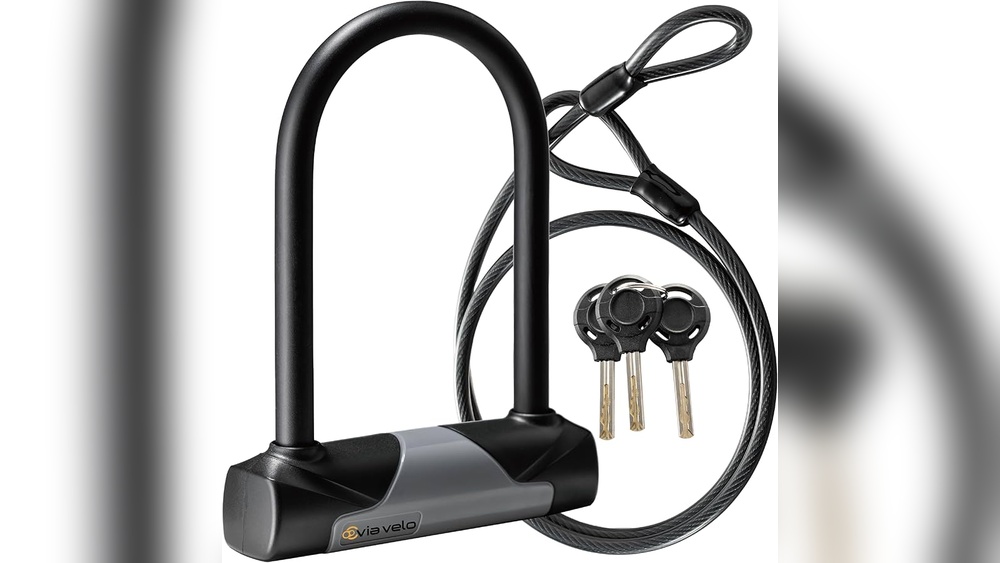
When it comes to protecting your bike, you want a lock that you can truly trust. You might be wondering, how secure is an 8mm steel cable for a bike lock?
After all, your bike is more than just a ride—it’s your freedom, your daily companion, and an investment. Choosing the right lock means the difference between peace of mind and a heart-stopping moment when you find your bike missing. You’ll discover the real strength of 8mm steel cables, what threats they can stop, and when you might need something stronger.
Keep reading to make sure your bike stays exactly where you left it.
Strength Of 8mm Steel Cable
The strength of an 8mm steel cable plays a key role in its security as a bike lock. This thickness offers a balance between flexibility and toughness. A strong cable can resist cutting and pulling attempts. Understanding the material and its properties helps evaluate its true strength.
Material Composition
Most 8mm steel cables use high-quality carbon steel strands. These strands are twisted tightly to form a strong core. Some cables have an additional layer of plastic coating for weather protection. The steel’s hardness helps resist damage from sharp tools and rough use.
Tensile Strength
Tensile strength measures how much force the cable can handle before breaking. An 8mm steel cable often has a tensile strength between 3000 and 5000 pounds. This means it can hold heavy pressure without snapping. The higher the tensile strength, the better it can stop thieves from cutting it.
Resistance To Cutting Tools
Cutting tools like bolt cutters or saws face challenges with 8mm steel cables. The thick steel wires are hard to slice through quickly. The cable’s tight weave slows down cutting attempts. Still, very strong tools can damage it, so cable locks are best for low to medium security needs.

Credit: www.amazon.com
Types Of Bike Locks Using 8mm Cables
8mm steel cables are popular for bike locks. They offer a good balance of strength and flexibility. Many types of bike locks use 8mm cables to keep bikes safe. These locks vary in how they secure your bike and how you open them.
Cable Locks
Cable locks with 8mm cables are lightweight and easy to carry. They are flexible, allowing you to lock your bike to many objects. These locks usually come with a separate locking mechanism. Their strength depends on the cable and the lock quality.
Combination Locks
Combination locks use numbers or letters to open instead of keys. Many 8mm cable locks use combination dials. You set your own code, so no keys are needed. These locks are convenient but need a strong cable to resist cutting.
Keyed Locks
Keyed locks use a key to open the 8mm cable lock. They often provide better security than combination locks. The lock body is usually made from hardened metal. Keep your key safe to avoid losing access to your bike.
Common Vulnerabilities
Understanding the common vulnerabilities of an 8mm steel cable for bike locks helps you make smarter choices. This type of cable offers good security but is not without weak points. Knowing these weaknesses lets you protect your bike better.
Cable Cutting Techniques
Thieves use tools like wire cutters and bolt cutters to break cables. An 8mm steel cable can resist small cutters but may fail against larger ones. Cutting speed matters; experienced thieves can cut cables quickly. The thinner the cable, the easier it is to cut.
Lock Picking Risks
The lock mechanism can be a target too. Some locks are simple to pick with basic tools. A strong cable is useless if the lock is weak. Picking takes skill but is common in bike theft. Choose locks with complex designs to reduce risk.
Wear And Tear Issues
Steel cables face wear from weather and use. Rust can weaken the cable over time. Fraying wires lower security and can cause failure. Regular checks for damage keep your lock reliable. Replace cables that show signs of wear.
Comparing 8mm Cable To Other Locks
Comparing an 8mm steel cable to other types of bike locks helps you understand its strengths and weaknesses. Each lock type offers different levels of security and convenience. Knowing these differences can guide you to the right choice for your bike’s safety.
Chain Locks
Chain locks use thick metal links to secure your bike. They are strong and hard to cut with simple tools. Chains offer good protection, especially if made from hardened steel. They are heavier than 8mm cables but provide better resistance to thieves. Chains give more flexibility in locking to different objects.
U-locks
U-locks are rigid and shaped like a “U” or a horseshoe. They resist cutting and leverage attacks well. Compared to 8mm cables, U-locks are tougher to break. They are smaller and easier to carry but may limit where you can lock your bike. U-locks offer high security, especially in risky areas.
Folding Locks
Folding locks consist of several metal bars connected by rivets. They fold compactly for easy carrying. These locks combine the flexibility of cables with the strength of chains. Folding locks are harder to cut than 8mm cables but lighter than chains. They provide a good balance between security and portability.
Enhancing Security With 8mm Cables
Enhancing security with 8mm steel cables adds a strong layer of protection for your bike. These cables balance flexibility and toughness well. They resist cutting better than thinner cables. Yet, using them right is key to keep your bike safe.
Simple use of an 8mm cable is not enough. Combining it with smart locking methods increases security. This section explains ways to make the most out of your 8mm cable lock.
Double Locking Strategies
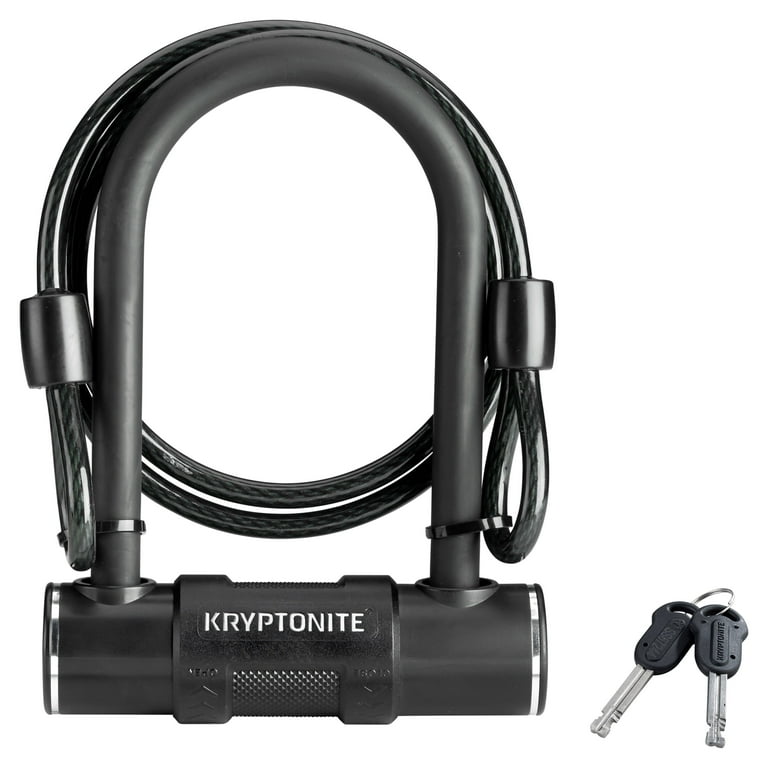
Double locking means using two locks on your bike. One lock can be an 8mm steel cable. The second lock can be a U-lock or chain lock. This method confuses thieves and slows them down. It makes stealing your bike harder and takes more time.
Using Cable With Secondary Locks
Pairing your 8mm cable with another lock improves safety. Use the cable to secure the frame or wheels. Use the secondary lock to secure the bike to a fixed object. This combination covers weak points better than one lock alone. It keeps your bike safer in public places.
Proper Locking Techniques
Lock your bike tightly to a solid object. Avoid thin poles or trees that thieves can cut easily. Pass the 8mm cable through both the frame and wheels. Make sure the lock is high off the ground. This position makes it harder to break or tamper with.
Maintenance Tips For Longevity
Maintaining your 8mm steel cable bike lock helps it last longer and stay strong. Small actions can protect it from damage and wear. Follow these simple steps to keep your lock working well every day.
Regular Inspection
Check your bike lock often for any signs of damage. Look for cuts, frays, or broken strands in the cable. Make sure the locking mechanism works smoothly. Catching problems early prevents bigger issues later.
Protecting Against Rust
Steel cables can rust if left in wet conditions. Dry the cable after rain or washing your bike. Store the lock in a dry place when not in use. Use a rust-resistant cover or spray to shield the metal.
Lubrication Practices
Apply lubricant to the lock’s keyhole and moving parts regularly. This stops the lock from sticking or jamming. Use a light oil designed for locks. Wipe away excess oil to avoid dirt buildup.
Real-world Security Ratings
Real-world security ratings help us understand how well an 8mm steel cable protects bikes. These ratings come from tests, user feedback, and expert advice. They show the cable’s strength and weak points in everyday use. Let’s explore these ratings through three important sources.
Consumer Reports
Consumer Reports tests bike locks for strength and durability. Their studies show 8mm steel cables resist cutting but can fail against power tools. The cable is better than thinner options but less secure than thick chains. It works well for short stops and low-risk areas. Reports advise using it with an additional lock for extra safety.
User Experiences
Many users say 8mm steel cables are easy to carry and flexible. They protect bikes from quick theft attempts like bolt cutters. Some users share stories of thefts using heavy tools against these cables. Overall, users trust the cable for moderate security. They recommend combining it with a U-lock or heavy chain for high-risk places.
Expert Recommendations
Security experts suggest 8mm steel cables for low to medium security needs. They note the cable’s good balance of weight and protection. Experts warn against relying on it alone in high-theft areas. Using the cable with a hardened lock improves security. Experts also advise checking the cable regularly for wear and damage.

Credit: www.wideworldofindoorsports.com
Credit: www.walmart.com
Frequently Asked Questions
How Strong Is An 8mm Steel Cable For Bike Security?
An 8mm steel cable offers moderate strength. It resists casual theft but may be vulnerable to heavy cutting tools. Ideal for low to medium risk areas, it balances security and portability well for everyday bike locking needs.
Can 8mm Steel Cables Prevent Bike Theft Effectively?
8mm steel cables can deter opportunistic thieves but are not foolproof. They slow down theft attempts but may fail against professional thieves with power tools. Use them combined with other security measures for better protection.
What Tools Can Cut Through 8mm Steel Bike Cables?
Bolt cutters and angle grinders can cut 8mm steel cables. Thicker cables increase cutting time but don’t guarantee safety. Always check cable thickness and lock quality to improve bike security.
Is 8mm Steel Cable Better Than Chain Locks?
8mm steel cables are lighter and more flexible but less secure than chain locks. Chains offer higher cut resistance but weigh more. Choose based on your security needs and convenience preferences.
Conclusion
An 8mm steel cable offers decent protection for your bike. It resists cutting better than thinner cables. Still, it is not the strongest option available. Thieves with the right tools can break it. Use it in low-risk areas or with extra security.
Combining it with a sturdy lock improves safety. Always lock your bike to a solid, fixed object. Stay aware of your surroundings and choose the best lock for your needs. Your bike’s safety depends on smart choices and care.


