If you own a step through bike, you know how important it is to keep it safe. But mounting a lock can feel tricky if you’re not sure where to start.
What if there was a simple way to secure your bike without hassle? In this guide, you’ll discover easy steps to mount a lock perfectly on your step through bike. By the end, you’ll have the confidence to protect your bike wherever you go.
Ready to learn the smartest, most effective way to lock up your ride? Let’s dive in.

Credit: thebestbikelock.com
Choosing The Right Lock
Choosing the right lock for a step through bike is very important. It keeps your bike safe and easy to use. The right lock fits your bike type and matches your daily needs. This helps avoid trouble when parking or moving your bike.
Types Of Locks Suitable For Step Through Bikes
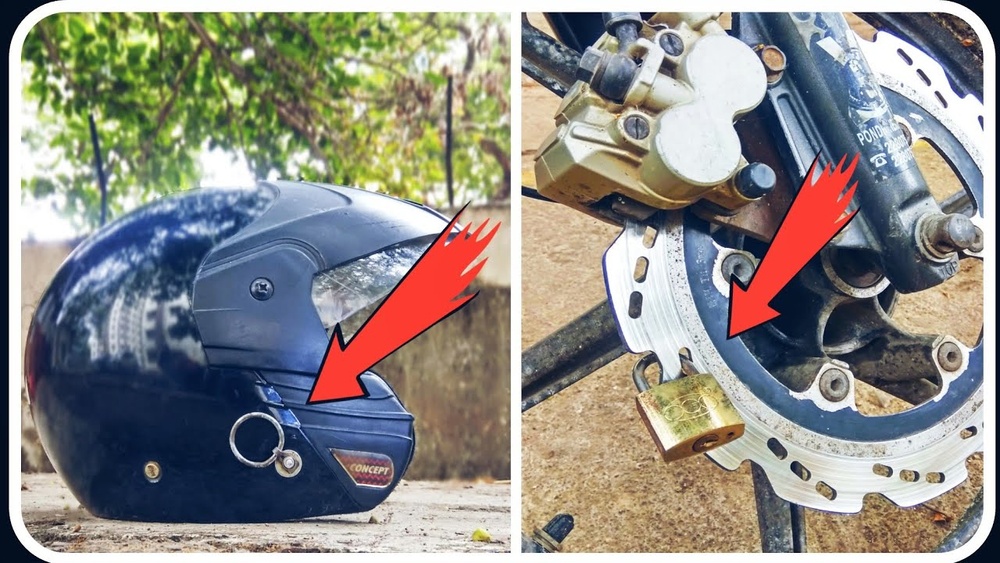
U-locks offer strong protection and are hard to cut. They fit well on the frame and a bike rack. Chain locks are flexible and good for locking around poles. Cable locks are light and easy to carry but less secure. Ring locks attach to the frame and lock the rear wheel. They are simple and quick to use.
Factors To Consider For Security And Convenience
Think about the lock’s strength and size. A heavy lock can be hard to carry. Choose a lock that fits your bike frame well. Easy mounting options save time and effort. Check how the lock attaches to your bike. It should not damage the frame. Also, consider where you park your bike most often. High-risk areas need stronger locks.
Credit: lectricebikes.com
Preparing Your Bike
Preparing your bike is the first step before mounting a lock. It helps ensure the lock fits well and stays secure. Taking time now saves trouble later. Clean and inspect the bike carefully.
Cleaning The Frame And Mounting Area
Start by wiping down the bike frame where the lock will attach. Use a damp cloth to remove dirt and dust. Dirt can stop the lock from fitting tightly. Dry the area with a clean towel. Clean surfaces help the lock hold better and prevent scratches.
Checking For Suitable Mounting Spots
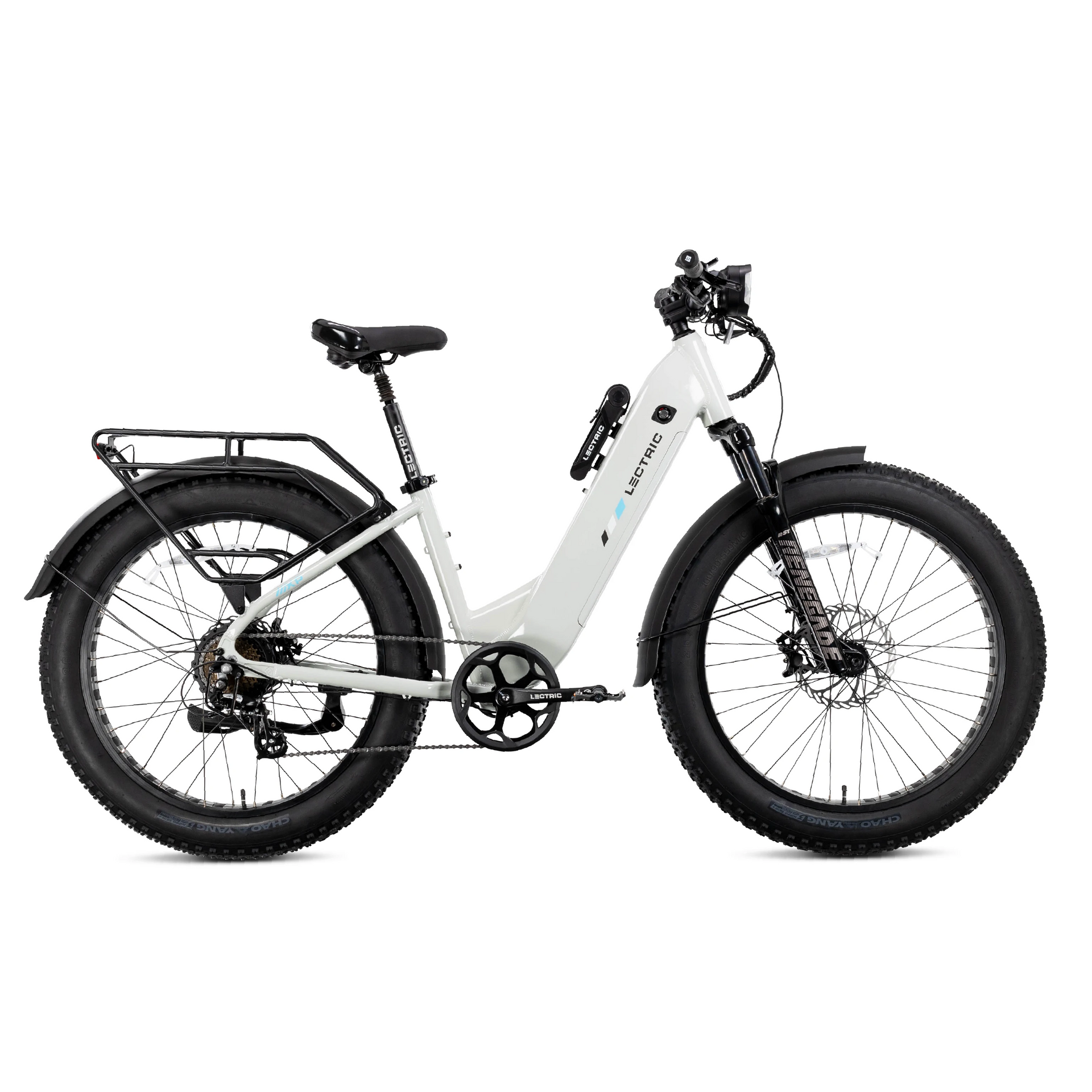
Look for a stable and flat part of the bike frame. Common spots include the top tube, down tube, or near the seat post. Avoid areas with cables or moving parts. Make sure the spot allows easy access to lock and unlock. Test by holding the lock in place. Choose a spot that keeps the lock safe and does not interfere with riding.
Tools You Will Need
Mounting a lock on your step-through bike keeps it safe from theft. Having the right tools makes the process smooth and quick. Some tools are essential, while others help improve security. Gather your tools before starting to avoid interruptions.
Essential Tools For Installation
A screwdriver is needed to tighten screws and bolts. Usually, a Phillips head screwdriver works best for bike locks. A wrench or adjustable spanner helps with nuts and bolts. You may also need an Allen key set for hex bolts. Keep a clean cloth handy to wipe any dirt from the bike frame before fitting the lock.
Optional Tools For Enhanced Security
A power drill can make holes for extra lock mounts. Use drill bits that match the size of your lock screws. Thread locker helps keep bolts tight and prevents loosening. A torque wrench ensures bolts are tightened to the correct level. These tools provide a stronger, more secure lock setup.
Mounting The Lock Bracket
Mounting the lock bracket on your step through bike is a key step for securing your bike. A well-mounted bracket keeps your lock safe and easy to reach. It also stops the lock from moving or falling off during rides. Follow these steps to attach the bracket properly and firmly.
Positioning The Bracket Correctly
Start by choosing the right spot on your bike frame. The bracket should be easy to reach but out of the way of pedals and wheels. Look for a flat, smooth area on the frame. Usually, the lower part of the frame near the pedals works best.
Make sure the lock fits well in the bracket without rubbing against the bike. The bracket should hold the lock tight but not too tight. Check that the lock can be pulled out quickly when needed.
Securing The Bracket Firmly
Use the screws or straps that come with the lock bracket. Tighten them enough to stop the bracket from moving. Avoid overtightening to prevent damage to the bike frame. If the bracket uses straps, wrap them tightly around the frame.
After securing, shake the bracket slightly. It should not wobble or slide. A firm bracket will hold the lock steady during all rides. Double-check the screws or straps after your first few rides to keep the bracket secure.
Attaching The Lock
Attaching the lock to your step-through bike keeps it safe and ready to use. The process is simple but needs care. Proper attachment ensures the lock stays secure and easy to handle. Follow clear steps for best results.
Aligning The Lock With The Bracket
Start by placing the lock close to the bracket on your bike frame. Check if the lock fits well into the bracket slot. Make sure it sits straight and tight against the frame. Misalignment can cause the lock to fall or get stuck. Adjust the lock until it clicks or holds firmly in place.
Ensuring Easy Access And Removal
Position the lock where you can reach it quickly. Avoid places that block your pedaling or movement. Test how easily you can grab and remove the lock. A good spot saves time and effort every day. Tighten the bracket screws so the lock does not wobble or slip out.
Credit: youngelectricbikes.com
Testing Stability And Security
Testing the stability and security of your bike lock is a vital step after mounting it. This ensures the lock stays firmly in place during rides and provides effective protection against theft. A secure lock adds confidence and safety to your cycling experience.
Checking Lock Movement
First, gently wiggle the lock in its mounted position. It should not shift or slide around. Any movement means the lock is not tight enough. Tighten the mounting brackets or straps to reduce play. A lock that moves can damage your bike or fall off.
Check the lock from different angles. Push, pull, and twist slightly. The lock should stay firmly attached. This test helps spot loose fittings before hitting the road.
Verifying Lock Engagement
Next, test how well the lock engages with the bike frame or wheel. Close the lock fully and listen for a clear click. The lock should snap securely into place without extra force.
Try to open the lock without the key or combination. It should not budge. If it opens easily, adjust the lock or replace it. Proper engagement prevents thieves from easily removing the lock.
Repeat locking and unlocking a few times. This confirms smooth operation and reliable security.
Tips For Daily Use
Using a lock on your step-through bike every day needs simple habits. These habits help keep your bike safe and your lock working well. Small actions save time and avoid problems later. Here are some easy tips for daily use.
Quick Locking And Unlocking Techniques
Keep your lock close when parking your bike. Attach it to the bike frame or your bag. Practice locking the bike fast to save time. Use both hands for better control. Make sure the lock clicks fully before moving away.
To unlock quickly, hold the key steady and turn gently. Avoid forcing the key to stop damage. Learn the feel of the lock turning smoothly. This helps open it without struggle, even on cold days.
Maintenance To Keep The Lock Functional
Check your lock for dirt and dust daily. Wipe it clean with a dry cloth after rides. Use a small brush to remove debris from tight spots. Apply a little lubricant inside the keyhole once a month. This keeps the lock working smoothly and prevents rust.
Store your lock in a dry place when not in use. Wet locks can get stuck or corrode. Regular care helps your lock last longer and protects your bike better.
Frequently Asked Questions
How Do I Choose The Right Lock For A Step-through Bike?
Select a lock that fits your bike frame and security needs. U-locks and chain locks work well. Ensure the lock is weather-resistant and easy to carry.
Where Should I Mount A Lock On A Step-through Bike?
Mount the lock on the frame’s down tube or under the seat. Choose spots that don’t interfere with pedaling or riding comfort.
Can I Mount A Lock Without Special Tools?
Yes, many bike locks come with mounting brackets and simple tools. Use the included hardware to attach the lock securely.
How To Avoid Scratching The Bike Frame During Lock Mounting?
Use rubber padding or protective tape between the lock bracket and frame. This prevents metal-on-metal contact and protects your bike’s paint.
Conclusion
Mounting a lock on your step-through bike keeps it safe and secure. Choose a spot that fits the lock well without blocking your ride. Use the right tools and follow the steps carefully. Check the lock often to make sure it stays tight.
This simple task helps protect your bike every day. Enjoy riding with peace of mind, knowing your bike is safer. Keep your lock mounted properly, and your bike will stay protected.