You’ve invested in a quality open face helmet to keep yourself safe on every ride. But have you ever worried about leaving it on your bike, only to find it gone when you return?
Locking your open face helmet to your bike is a simple step that protects your gear and gives you peace of mind. You’ll discover easy and effective ways to secure your helmet, so you never have to stress about theft again.
Keep reading to learn how to make your helmet as safe as your bike.

Credit: www.youtube.com
Choosing The Right Lock
Choosing the right lock for your open face helmet is key to keeping it safe. The right lock stops thieves and protects your gear. It must be strong, easy to use, and fit your helmet perfectly. This guide helps you pick the best lock for your needs.
Types Of Helmet Locks
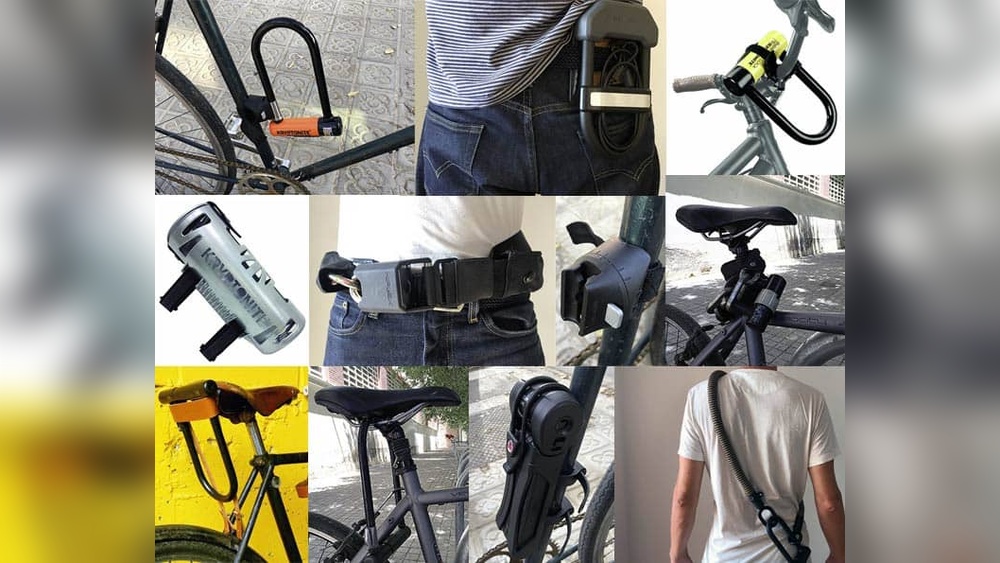
Helmet locks come in many styles. Cable locks are flexible and easy to loop through the helmet. Chain locks offer strong protection but can be heavy. U-locks are rigid and very secure but less flexible. Choosing the type depends on your security needs and convenience.
Materials And Durability
Look for locks made from strong materials. Hardened steel is tough and resists cutting. Zinc alloy also offers good strength and lasts long. Avoid cheap plastic parts that break easily. Durable locks give better protection and last through weather changes.
Compatibility With Open Face Helmets
Not all locks fit open face helmets well. Check the lock size and shape to match your helmet’s design. Some locks work better with the helmet’s chin strap or vents. Make sure the lock holds the helmet firmly without damage. Proper fit keeps your helmet secure and safe.

Credit: www.bigpantha.com
Preparing Your Helmet
Before locking your open face helmet to your bike, prepare it properly. This step helps protect your helmet from theft and damage. Follow simple methods to secure your helmet safely.
Preparing your helmet also makes locking easier and faster. Check your helmet carefully and use the right tools and spots on your bike.
Using Helmet Straps
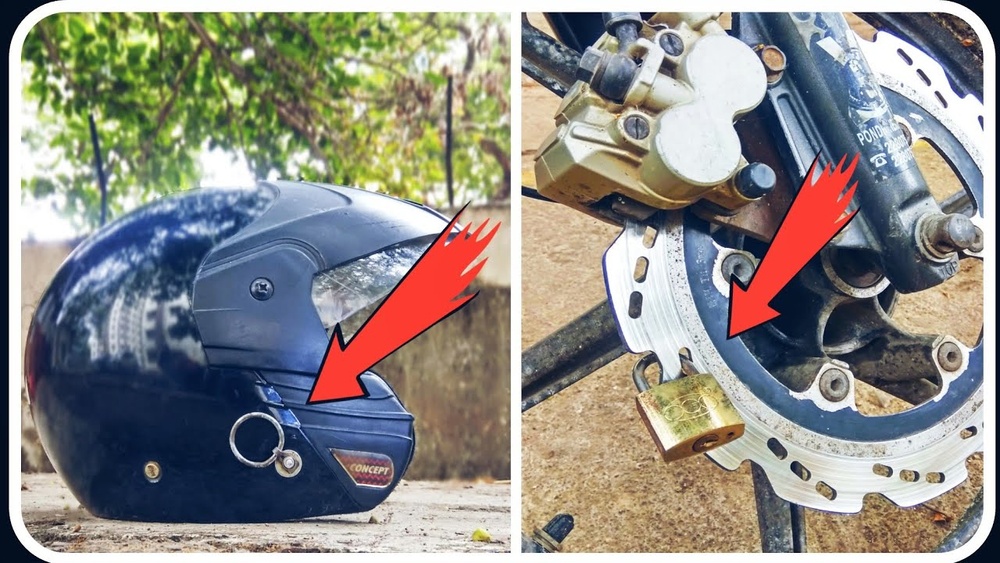
Helmet straps are strong and useful for locking your helmet. Make sure the straps are tight and not loose. Thread the lock through the straps, not just the shell.
The straps hold the helmet firmly. This prevents the helmet from slipping off during locking.
Identifying Lock Points
Find the best points on your helmet and bike for locking. Use metal parts like the frame or handlebars. Avoid weak or plastic parts that can break easily.
Check if the lock fits well around the chosen points. Good lock points make your helmet more secure.
Ensuring Helmet Safety
Keep your helmet safe by avoiding scratches and pressure marks. Use a soft cover or cloth around the lock area. This protects the helmet’s surface.
Check the lock tension. Do not tighten too much, or it may damage the helmet. Balance security with care to keep your helmet in good shape.
Locking Techniques
Locking your open face helmet to your bike is important for safety. It stops thieves from taking your helmet. There are several ways to do this. Using the right lock helps keep your helmet secure. This section explains three good locking techniques.
Using Cable Locks
Cable locks are flexible and easy to use. Pass the cable through the helmet’s chin strap or vents. Then wrap it around the bike frame or a sturdy part. Tighten the lock to hold the helmet firmly. Cable locks are lightweight and good for quick stops.
Using U-locks
U-locks are strong and hard to break. Slide the U-lock through the helmet’s straps and around the bike frame. Make sure the lock fits tightly. U-locks are heavier but offer better protection. Use them when you park your bike for longer times.
Utilizing Chain Locks
Chain locks are thick and strong. Loop the chain through the helmet straps and the bike frame. Secure the ends with a solid padlock. Chain locks resist cutting and pulling. They add extra weight but give good security for your helmet.
Securing To Your Bike
Securing your open face helmet to your bike keeps it safe from theft. It also frees your hands while parked. Knowing the right way to lock it helps avoid damage and saves time. Choose a strong spot on your bike. Use the best lock for easy locking and unlocking.
Best Bike Parts For Locking
Look for solid parts like the frame or the seat post. These parts are tough and hard to cut. Avoid thin or plastic parts that break easily. The frame near the back wheel is a great choice. It keeps your helmet stable and safe.
Avoiding Damage To Bike
Use soft covers or cloth around the lock to protect your paint. Metal locks can scratch your bike if they move a lot. Tighten the lock just enough to hold the helmet without pressure. Check the lock area often to catch any damage early.
Quick Release And Locking
Choose locks that open fast to save time. A quick-release lock helps when you are in a rush. Make sure the lock fits your helmet and bike parts well. Practice locking and unlocking to get faster and more secure each time.
Additional Security Tips
Securing your open face helmet to your bike is smart. Extra steps improve safety and reduce theft risk. These tips help you keep your helmet safe in various places.
Using Multiple Locks
Use more than one lock for better protection. Combine a cable lock with a U-lock. This makes it harder for thieves to steal your helmet. Attach locks to different parts of the bike and helmet.
Helmet Covers And Accessories
Use a helmet cover to hide your helmet’s brand. Covers make it less attractive to thieves. Some covers have built-in lock points. These add extra locking options and make your helmet safer.
Parking In Safe Locations
Choose busy, well-lit areas to park your bike. Avoid dark or isolated spots. Parking near security cameras or shops helps. These places discourage thieves and keep your helmet safer.

Credit: www.consumedolhos.com.br
Maintenance And Care
Proper maintenance and care of your open face helmet and its lock keep them working well. This extends their life and ensures safety. Regular checks and cleaning prevent damage and problems.
Checking Lock Condition
Look at the lock for signs of wear or rust. Test the key or combination to see if it works smoothly. If the lock sticks or feels loose, fix it quickly. Replace the lock if it shows serious damage. A strong lock keeps your helmet safe on the bike.
Cleaning Your Helmet And Lock
Use a soft cloth and mild soap to clean the helmet. Avoid harsh chemicals that can damage the helmet’s surface. Clean the lock with a dry brush to remove dirt and dust. Do not use water inside the lock. Keep the lock dry to stop rust.
Storage Tips When Not In Use
Store your helmet in a cool, dry place. Keep it away from direct sunlight to prevent fading and cracking. Hang the helmet or place it on a soft surface to keep its shape. Store the lock in a dry spot to avoid rust and damage. Proper storage helps keep your gear in top condition.
Frequently Asked Questions
How Can I Lock My Open Face Helmet To My Bike?
Use a sturdy helmet lock or a cable lock. Attach the lock through the helmet’s chin strap and secure it to the bike frame or wheel. This prevents theft and keeps the helmet safe when parked.
What Tools Do I Need To Lock An Open Face Helmet?
You only need a reliable helmet lock or a cable lock. Some locks come with keys or combination codes. No special tools are required to secure your helmet to the bike.
Where Is The Best Place To Lock A Helmet On A Bike?
Lock your helmet to the bike frame or wheel. Choose a solid, immovable part of the bike. Avoid locking it to removable parts like the seat or basket for better security.
Can I Use A Regular Bike Lock For My Helmet?
Yes, a regular bike lock or cable lock works well. Ensure the lock fits through the helmet straps. This method is effective and convenient for securing your open face helmet.
Conclusion
Securing your open face helmet to your bike keeps it safe and easy to find. Use a sturdy lock and attach it through the helmet straps. This simple step prevents theft and saves money on replacements. Always double-check the lock before leaving your bike.
A little care goes a long way in protecting your gear. Keep your helmet ready for the next ride, worry-free. Stay safe and enjoy the ride with peace of mind.