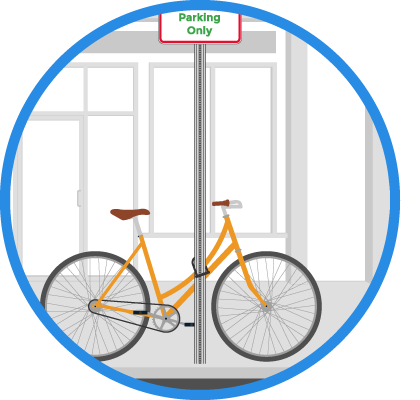
Are you wondering if it’s okay to lock your bike to street signs? You might think it’s a quick and easy way to keep your bike safe.
But is it really the best choice? What if you get a ticket or your bike gets damaged? You’ll discover the surprising truth about locking bikes to signs and learn smart tips to protect your ride. Keep reading to make sure your bike stays secure—without any unexpected trouble.
Legal Restrictions On Locking Bikes To Signs
Locking bikes to signs may seem convenient, but legal rules often limit this practice. These restrictions aim to keep sidewalks clear and ensure public safety. Understanding these laws helps you avoid fines and bike removal.
Local Laws And Ordinances
Many cities have specific rules about where you can lock your bike. Some forbid locking bikes to street signs. Others allow it only if the signpost is designed for bike parking. Always check local regulations before leaving your bike.
Common Prohibited Areas
Signs near bus stops, fire hydrants, and crosswalks usually prohibit bike locks. Locking bikes to traffic signs can block important information. This creates hazards for drivers and pedestrians. Avoid areas marked with no parking signs for bikes.
Consequences Of Illegal Locking
Ignoring rules may lead to fines or your bike being towed. Some cities charge removal fees that can be costly. Illegal locking can also cause damage to signs or bikes. Following legal guidelines protects your bike and community safety.
Credit: www.roadtrafficsigns.com
Choosing The Right Signs For Locking
Choosing the right signs for locking your bike is important for safety. Not all signs are strong or safe enough to hold a bike lock. Picking a secure sign can stop theft and keep your bike safe. This section helps you find good signs and avoid bad ones.
Identifying Secure Signs
Look for signs made of thick metal or strong materials. Signs firmly attached to the ground or poles work best. Check if the signpost is wide and cannot be easily cut or removed. Signs with a solid base offer better security. Make sure the sign is tall enough to lock both frame and wheel.
Signs To Avoid
Avoid signs with thin or rusty poles. Weak signs can break or be cut easily. Do not use signs attached with screws that can be unscrewed. Signs on wooden posts or plastic poles are not safe. Avoid signs near busy roads or places with poor lighting.
Alternative Locking Options
If no good signs are nearby, use bike racks made for locking. Trees with thick trunks can work if allowed. Lamp posts or fence posts can be safe if strong and secure. Use a sturdy U-lock or chain lock for better protection. Always lock your bike to something solid and immovable.
Best Practices For Locking Your Bike
Locking your bike correctly is key to keeping it safe. A good lock and smart habits lower the risk of theft. Follow these best practices to protect your bike every time you leave it.
Types Of Locks To Use
Choose strong locks made of hardened steel. U-locks and chain locks offer good security. Cable locks are easy to cut and less safe. Pick a lock that fits your bike and the place you park.
Proper Locking Techniques
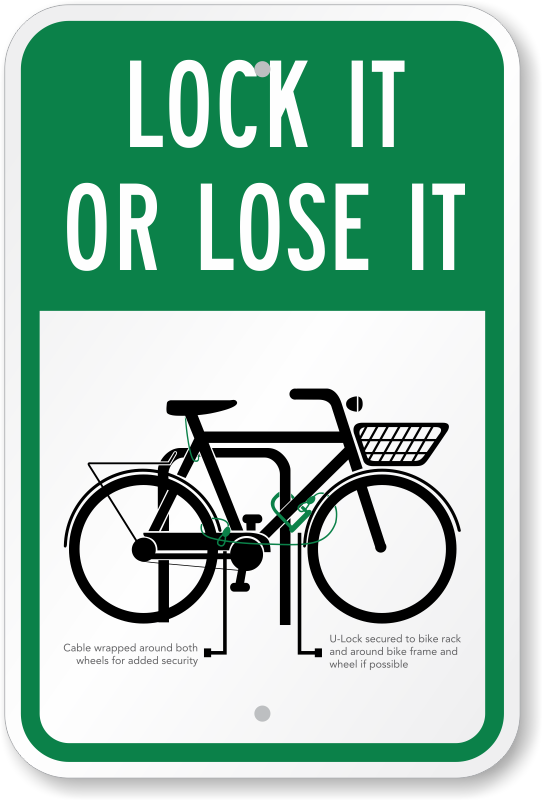
Lock your bike to a solid, immovable object. Avoid thin poles or signs that can be removed. Position the lock high off the ground to make cutting harder. Keep the lock tight; no space to insert tools.
Securing Both Frame And Wheels
Lock the bike frame and at least one wheel. Use a second lock if possible for the other wheel. Thieves often steal wheels if they are not secured. Protect all parts to keep your bike whole.

Credit: www.reddit.com
Safety Tips For Bike Security
Keeping your bike safe is important. Thieves often look for easy targets. Using smart methods helps protect your bike. Follow simple steps to reduce theft risk and keep your bike secure.
Selecting High-traffic Areas
Park your bike where many people pass by. Thieves avoid crowded places. Bright, busy locations offer natural security. Choose spots near shops or busy streets. This lowers the chance of theft.
Using Multiple Locks
Use more than one lock for better safety. A strong U-lock plus a cable lock works well. Lock the frame and wheels to a sturdy object. This makes stealing your bike very hard.
Registering Your Bike
Register your bike with local or online databases. This helps police identify and return stolen bikes. Keep a record of your bike’s details and serial number. Registration adds an extra layer of protection.
Dealing With Locked Bikes On Signs
Locked bikes on signs can cause problems. They block the sign and create clutter on sidewalks. Many cities have rules about locking bikes on signs. Knowing how to handle these situations helps keep public spaces clear and safe.
Understanding what to do if your bike is removed or how to report illegal locking is important. Community efforts also play a big role in solving this issue.
What To Do If Your Bike Is Removed
Authorities may remove bikes locked to signs. Signs may be blocked or damaged by locked bikes. Check local rules to know where to retrieve your bike. Contact the city or local parking office for details. Keep your bike registration and ID ready for proof. Act quickly to avoid storage fees or bike loss.
Reporting Illegal Locking
Illegal bike locking harms public spaces. Report bikes locked to signs if you see them. Use city apps or call local non-emergency numbers. Provide the exact location and description of the bike. Your report helps authorities keep sidewalks safe and clear. Reporting also prevents future illegal locking.
Community Initiatives
Many communities work to solve bike locking problems. Some offer more bike racks near busy areas. Volunteers may help remove bikes blocking signs. Educational programs teach proper bike parking habits. Join local groups to support clean and safe streets. Community work makes a big difference in public areas.
Credit: www.boston.gov
Frequently Asked Questions
Can I Legally Lock My Bike To Street Signs?
Locking bikes to street signs is often illegal. Many cities prohibit it due to safety and accessibility concerns. Check local laws before doing so to avoid fines or having your bike removed.
Why Are Bike Locks To Signs Sometimes Discouraged?
Signs may not support bike locks securely. Locking to signs can block visibility or violate city regulations. It’s safer to use designated bike racks instead.
What Are Safer Alternatives To Locking Bikes To Signs?
Use bike racks, designated posts, or bike lockers. These options provide better security and comply with local rules. Always choose sturdy, public-approved structures for locking your bike.
Can Locking To Signs Damage Public Property?
Yes, locking bikes to signs can cause damage. It may bend or weaken signposts and obstruct important information. Avoid locking to signs to protect community infrastructure.
Conclusion
Locking bikes to signs can be risky and often illegal. Signs may not support the bike properly, causing damage or theft. Always check local rules before locking your bike. Choosing a sturdy, designated bike rack is safer and smarter. Protect your bike and avoid fines by locking it right.
Stay safe and keep your bike secure every time.