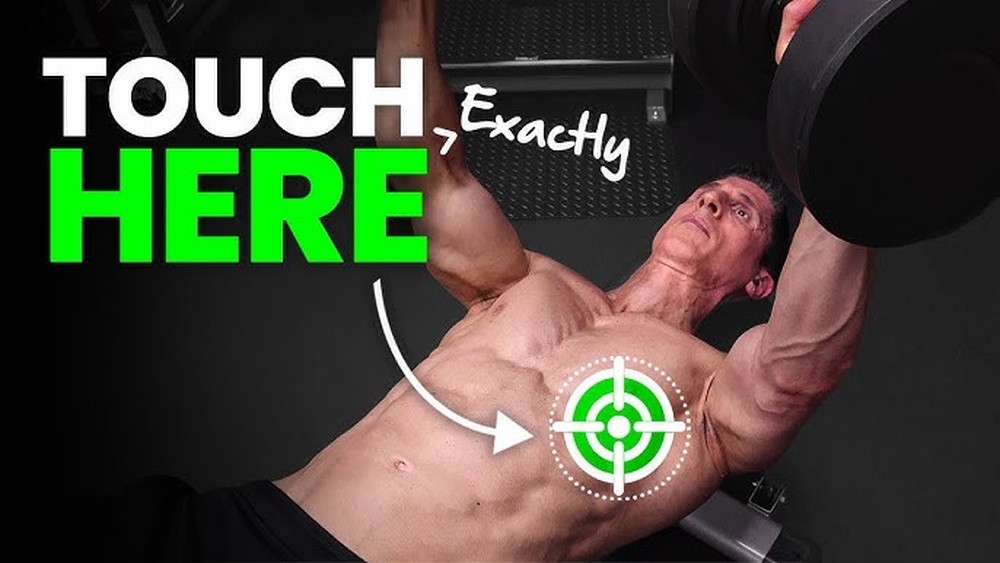
Have you ever wondered how your dumbbell press strength stacks up against your bench press? If you can dumbbell press a certain weight, what does that say about how much you could bench?
Understanding this connection can help you set realistic goals and improve your overall chest workout. Keep reading, because unlocking this insight could change the way you train—and boost your confidence every time you hit the gym.

Credit: www.youtube.com
Dumbbell Press Basics
The dumbbell press is a popular exercise for building upper body strength. It targets several muscles and helps improve muscle balance. It also allows a greater range of motion than the barbell press. Many people use it to increase their bench press capacity.
Understanding the basics of the dumbbell press is important. It helps you perform the exercise safely and effectively. Let’s look at the key muscles worked and common dumbbell weights used.
Key Muscles Worked
The dumbbell press mainly works the chest muscles, especially the pectoralis major. It also targets the front shoulders, called the anterior deltoids. The triceps, located on the back of the upper arm, assist in pushing the dumbbells up. Stabilizer muscles in the shoulders and core help keep balance during the movement.
Common Dumbbell Weights
Dumbbell weights vary depending on experience and strength levels. Beginners often start with 10 to 20-pound dumbbells. Intermediate lifters usually use 25 to 40 pounds per dumbbell. Advanced users may press 50 pounds or more in each hand. Choosing the right weight depends on your fitness goals and form control.
Bench Press Fundamentals
The bench press is a popular exercise for building upper body strength. It targets muscles in the chest, shoulders, and arms. This lift uses a barbell and allows you to push heavy weights. The dumbbell press is similar but uses two separate weights. Understanding how these exercises differ helps estimate your bench press ability from your dumbbell press.
Many lifters use the dumbbell press to improve muscle balance. It also helps fix strength gaps between arms. The bench press, however, often allows lifting heavier weight overall. Knowing the basics of each exercise gives a clearer picture of your strength level.
Muscle Engagement Differences
The bench press involves both arms working together. This teamwork allows lifting heavier loads. It mainly targets the chest muscles, the pectorals. The shoulders and triceps also assist in the movement. Because the bar is fixed, it provides stability.
The dumbbell press requires each arm to work independently. This engages more stabilizer muscles. The chest still works hard, but the shoulders and arms have more control. This exercise improves balance and coordination but usually with lighter weights.
Typical Bench Press Weights
Bench press weights vary based on experience and strength. Beginners often start with just the bar, which weighs about 45 pounds. Intermediate lifters can press between 95 and 135 pounds. Advanced lifters might bench over 200 pounds or more.
Dumbbell press weights are usually lighter per hand. For example, pressing 40-pound dumbbells in each hand might translate to roughly 135 pounds on the bench press. The exact number depends on form, technique, and muscle balance.
Strength Comparison
Understanding the strength difference between dumbbell press and bench press helps set clear goals. Both exercises target the chest, shoulders, and triceps. Yet, they engage muscles differently and offer unique challenges.
Comparing these lifts can guide your training and improve your overall strength. Knowing the mechanics and average conversion rates gives a better picture of your progress.
Dumbbell Press Vs Bench Press Mechanics
The dumbbell press requires each arm to work independently. This improves muscle balance and coordination. It also demands more stability from smaller muscles.
The bench press uses a barbell, allowing you to lift heavier weights. Both arms work together, which can increase overall power. The barbell path is fixed, making the movement more stable.
Dumbbell press offers a greater range of motion. You can lower the weights further than with a barbell. This can increase muscle stretch and activation.
Average Conversion Ratios
People often lift more weight in the bench press than dumbbell press. On average, your bench press weight is about 1.25 to 1.5 times your dumbbell press total.
For example, if you dumbbell press 50 pounds per arm, your bench press might be 125 to 150 pounds. This varies by individual and training experience.
Many lifters find their dumbbell press strength improves faster due to the stability challenge. Bench press numbers usually grow with improved technique and overall power.
Factors Affecting Strength
Strength varies from person to person. Many factors influence how much you can bench press compared to your dumbbell press. These factors shape your muscle power and lifting ability. Understanding them helps set realistic goals and improve your training.
Training Experience
Years of training affect your strength level. Beginners often see quick gains with dumbbells. Bench pressing requires more practice for good technique. Experienced lifters handle heavier weights safely. Consistent training builds muscle and improves coordination.
Body Mechanics
Body structure impacts lifting strength. Arm length and shoulder width change leverage. People with shorter arms often bench press more easily. Muscle size and fiber type also matter. Proper form helps use strength efficiently and avoids injury.
Injury History
Past injuries limit your strength potential. Shoulder or chest injuries reduce pressing power. Weak or painful joints affect your range of motion. Healing and rehab are crucial for safe lifting. Avoid pushing through pain to prevent setbacks.
Estimating Bench Press From Dumbbell Press
Estimating your bench press from your dumbbell press helps gauge your strength without direct bench testing. Dumbbell pressing uses each arm independently. This challenges your muscles differently than a barbell bench press. Knowing how to estimate can guide your workouts and track progress.
Practical Calculation Methods
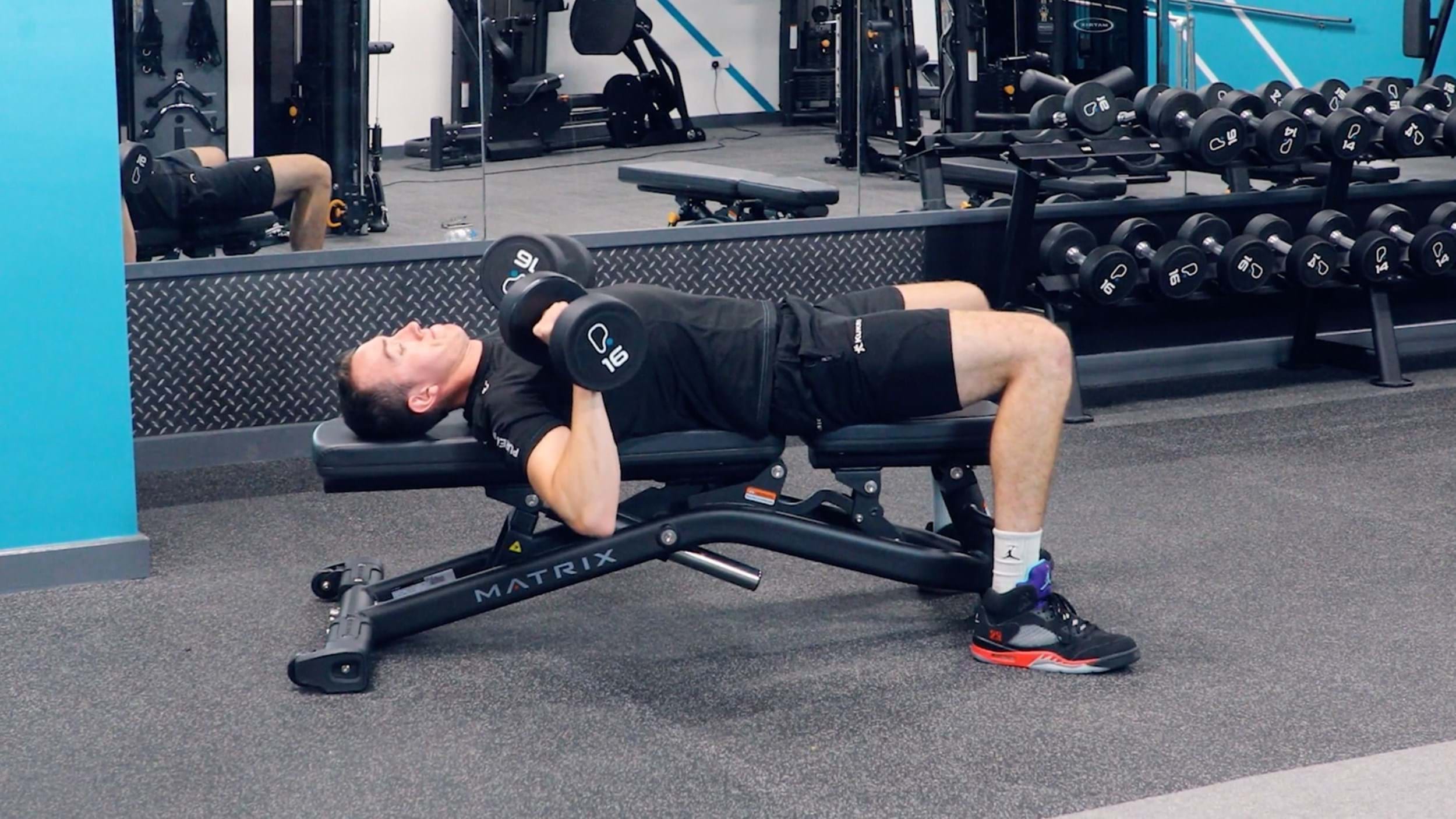
One common method doubles the weight of your dumbbell press. For example, pressing 50-pound dumbbells with each arm suggests about 100 pounds on the barbell. This is a simple start but not exact.
Some trainers add 10-15% to this doubled weight. This accounts for the stability and balance gained using a barbell. For example, if you dumbbell press 50 pounds, multiply by 2, then add 10%. This means 100 + 10 = 110 pounds estimated bench press.
Another way uses repetition max charts. If you press dumbbells for several reps, you can estimate your one-rep max. Then apply the doubling and percentage increase for your bench press estimate.
Limitations And Variability
Strength differences between arms affect accuracy. Dumbbell press requires more stabilization, so some may lift less dumbbell weight than barbell weight. This can underestimate bench press ability.
Experience level plays a role too. Beginners may find dumbbells harder due to balance needs. Advanced lifters often bench more than simple formulas predict.
Body mechanics and muscle coordination differ. Some people have stronger stabilizer muscles helping the barbell press more. Others rely on arm strength, favoring dumbbells.
These factors create variability in estimates. Use them as a rough guide, not an exact number.
Credit: www.puregym.com
Improving Both Presses
Improving both bench press and dumbbell press requires focused effort. These lifts complement each other. Strength in one can boost the other.
Balanced training helps build muscle evenly. This reduces injury risk and improves overall pressing power.
Targeted Exercises
Focus on exercises that strengthen chest, shoulders, and triceps. Push-ups, chest flys, and shoulder presses work well. Include tricep dips or extensions for arm strength. These exercises support both dumbbell and barbell pressing.
Use different grips and angles. This hits muscles from various directions. It improves muscle coordination and control.
Progressive Overload Tips
Increase weights gradually to build strength. Add small increments regularly to challenge muscles. Track progress to avoid plateaus. Proper form is key to prevent injury. Rest well between sessions for muscle recovery.
Vary reps and sets for better gains. Mix heavy sets with lower reps and lighter sets with higher reps. This trains muscles differently and promotes growth.
Common Mistakes To Avoid
Knowing how much you can bench press from your dumbbell press strength helps set goals. Avoid mistakes that slow progress or cause injury. Common errors affect both your form and training habits. Watch out for these to stay safe and gain strength steadily.
Form Errors
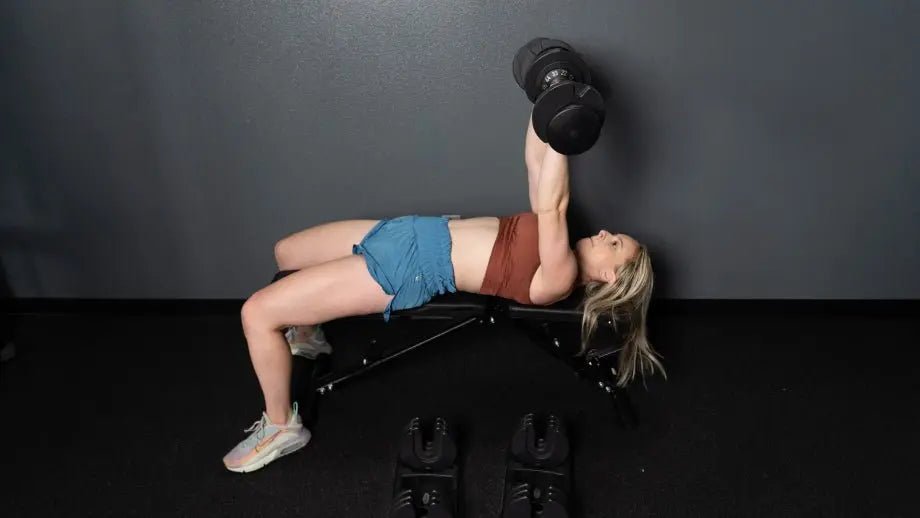
Incorrect form reduces your workout effectiveness. It also increases injury risk. Keep your back flat and feet planted on the floor. Do not arch your lower back. Elbows should be at about a 45-degree angle to your body. Avoid flaring them out too wide. Control the dumbbells; do not let them drop fast. Always use a full range of motion. Poor form leads to uneven muscle use and strain.
Overtraining Risks
Training too hard without rest harms your muscles. Overtraining causes fatigue and weakens progress. Muscles need time to recover and grow. Avoid working the same muscle groups every day. Schedule rest days or lighter workouts. Pay attention to pain signals from your body. Ignoring soreness can lead to serious injury. Balance training with recovery for the best results.
Credit: gunsmithfitness.com
Frequently Asked Questions
How Does Dumbbell Press Relate To Bench Press Strength?
Dumbbell press builds similar muscle groups as bench press. It improves stability and control, which can increase bench press performance. Typically, your bench press weight is higher due to barbell stability and both arms working together.
Can Dumbbell Press Predict Your Bench Press Max?
Yes, dumbbell press can help estimate bench press max. Generally, the bench press is about 20-30% heavier than dumbbell press. This varies by experience and technique but provides a useful strength comparison.
Why Is Bench Press Usually Heavier Than Dumbbell Press?
Bench press allows more weight due to barbell stability and balanced load. Dumbbell press requires more control and engages stabilizer muscles. This makes dumbbell press weight lower but beneficial for muscle balance.
How To Improve Bench Press Using Dumbbell Press?
Focus on dumbbell press for shoulder stability and muscle balance. Increase weight gradually to enhance strength. Incorporate both exercises to maximize bench press gains through improved control and muscle coordination.
Conclusion
Dumbbell pressing strength often hints at bench press potential. While not exact, it gives a useful estimate. Many lifters can bench press about 80-90% of their dumbbell press total. Technique and experience also affect the numbers. Focus on steady progress and consistent training.
Strength builds over time with patience and effort. Keep practicing both lifts to improve overall power. Remember, the bench press and dumbbell press complement each other well. Tracking your progress helps set realistic goals. Stay committed, and results will follow naturally.


