Have you ever stopped to think about how heavy the dumbbells you lift really are? It’s more than just a number on the weight plate—it’s about how your body responds, how your muscles grow, and how your progress stacks up.
Understanding the right weight can change your workout results dramatically. Keep reading, because by the end of this article, you’ll know exactly how to choose the perfect dumbbell weight for your goals—and why it matters more than you might think.

Credit: www.youtube.com
Choosing The Right Dumbbell Weight
Choosing the right dumbbell weight is key for safe and effective workouts. The correct weight helps build strength without causing injury. Picking weights too heavy or too light can slow your progress. This section explains how to find the best dumbbell weight for your needs.
Factors Influencing Weight Selection
Your fitness goals affect the weight you choose. For muscle building, heavier weights with fewer reps work well. For endurance, lighter weights with more reps suit better. Your experience level also matters. Beginners need lighter weights to learn form. Age and any injuries influence safe weight limits. Your workout type, like strength or cardio, changes weight needs.
Assessing Your Current Strength Level
Start with a weight you can lift 8 to 12 times comfortably. If you struggle before 8 reps, the weight is too heavy. If you can do more than 12 reps easily, it is too light. Test different weights to find your ideal range. Keep track of your progress and adjust weights as you grow stronger. Using the right weight ensures steady improvement.
Avoiding Common Weight Mistakes
Do not choose weights based on others’ abilities. Avoid jumping to heavy weights too fast. Using weights that are too heavy causes poor form and injury. Lifting weights that are too light wastes effort and time. Change weights gradually as your strength improves. Focus on control and good technique every session.
Credit: soundcloud.com
Impact Of Dumbbell Weight On Muscle Growth
The weight of the dumbbells you lift shapes how your muscles grow. Choosing the right weight impacts strength and size gains. Lifting too light may not challenge muscles enough. Using very heavy weights might increase injury risk or limit reps. Understanding how dumbbell weight affects muscle growth helps create better workouts. It ensures steady progress and less chance of burnout.
Light Vs Heavy Weights Benefits
Light weights allow more repetitions. They improve muscle endurance and control. This helps muscles work longer without fatigue. Heavy weights build muscle strength faster. They cause more muscle fibers to grow. Both light and heavy weights offer unique benefits. Mixing them can lead to balanced muscle growth and fitness.
Role Of Progressive Overload
Progressive overload means gradually increasing weight or reps. It forces muscles to adapt and grow stronger. Without this, muscles stop improving. Adding small weight increases keeps muscles challenged. This approach prevents plateaus and supports steady muscle growth. Consistent overload is key to long-term progress.
Balancing Volume And Intensity
Volume is the total reps and sets performed. Intensity is the heaviness of the dumbbells used. High volume with light weights builds endurance. High intensity with heavy weights builds strength. Balancing both helps avoid injury and overtraining. It also promotes muscle growth while allowing recovery time. Finding the right balance depends on goals and fitness level.
Techniques To Maximize Gains
Maximizing your strength and muscle growth depends on more than just lifting heavy dumbbells. Using the right techniques ensures you get the best results from every workout. Focus on how you lift, change your routine, and allow your body time to recover.
Proper Form And Execution
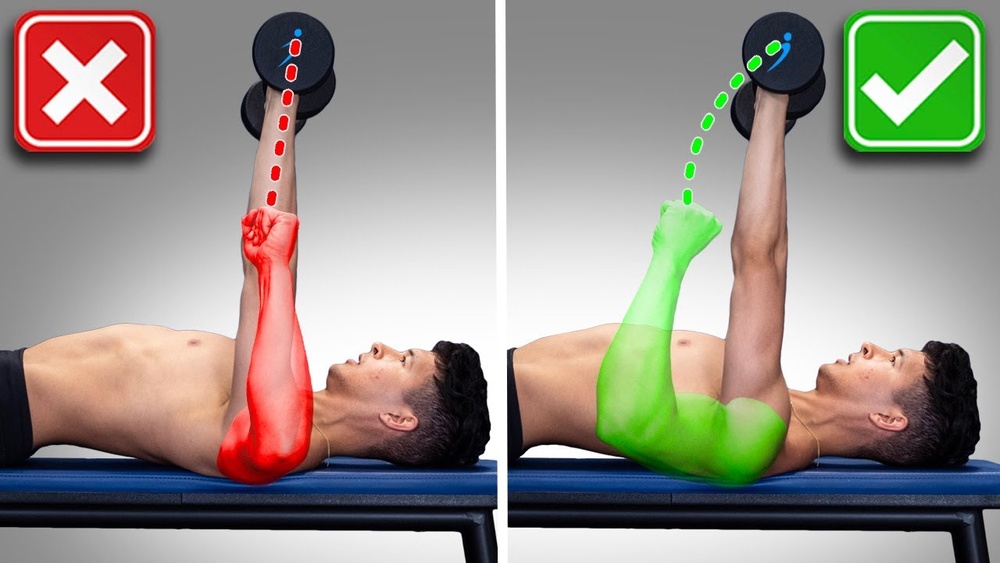
Good form helps you lift safely and target the right muscles. Keep your back straight and control your movements. Avoid swinging or using momentum. Slow, steady lifts work muscles better. Proper technique reduces injury risk and improves gains.
Incorporating Variety In Workouts
Changing exercises challenges muscles in new ways. Use different dumbbell weights, grips, and angles. This stops your body from adapting too quickly. Variety keeps workouts fresh and helps build balanced strength. Try new moves regularly to avoid plateaus.
Rest And Recovery Importance
Muscles grow during rest, not while lifting. Give yourself time to recover between workouts. Sleep well and eat enough protein. Overworking muscles can cause injury and slow progress. Rest days help you stay strong and ready for your next session.
Tracking Progress Effectively
Tracking your progress is key to lifting heavier dumbbells. It shows how much you improve and helps avoid injury. Keeping a clear record guides your workouts and motivates you to push harder.
Recording Weights And Reps
Write down the weight of each dumbbell you use. Note the number of reps for every set. This simple habit helps you see small gains over time. It also tells you when to increase weights or reps.
Recognizing Plateaus
Sometimes, progress slows or stops. This is a plateau. It means your body adapts to your current routine. Spotting plateaus early helps you change your workout before losing motivation or strength.
Adjusting Plans For Continued Growth
Change your workout plan to break plateaus. Increase dumbbell weight or add more reps. Try new exercises that use similar muscles. These changes keep your muscles challenged and growing.

Credit: vgmdb.net
Frequently Asked Questions
How Heavy Should Beginner Dumbbells Be?
Beginner dumbbells typically weigh 5 to 15 pounds. Choose a weight that challenges you without causing strain. Start light and gradually increase as strength improves. Proper form is crucial to avoid injury and gain benefits.
Does Dumbbell Weight Affect Muscle Growth?
Yes, heavier dumbbells promote muscle growth through progressive overload. Increasing weight forces muscles to adapt and grow stronger. Balance weight with proper technique and avoid lifting too heavy to prevent injury.
How To Know If Dumbbells Are Too Heavy?
If you cannot complete 8-12 reps with good form, the dumbbells are too heavy. Excessive strain or poor technique signals the need to reduce weight. Use manageable weights to build strength safely and effectively.
Can Lifting Heavy Dumbbells Cause Injury?
Lifting heavy dumbbells improperly can cause injury. Always use correct form and start with manageable weights. Gradually increase weight to avoid muscle strain and joint issues. Warm-up and rest are essential for safe workouts.
Conclusion
Choosing the right dumbbell weight matters a lot. It helps you build strength safely and avoid injury. Start with lighter weights and increase slowly. Listen to your body and rest when needed. Consistency beats heavy lifting every time. Find a weight that challenges you but feels good.
Keep track of your progress and stay patient. Your muscles will get stronger with time. Enjoy your workouts and stay active daily. Small steps lead to big results.