Have you ever found yourself standing next to your bike, only to realize you’ve lost the key to your lock? It’s frustrating, stressful, and can feel like a big problem.
But don’t worry—there are simple, safe ways you can remove a bike lock without a key. You’ll discover easy methods that can help you get your bike free quickly, without damaging it. Keep reading, and you’ll learn exactly what to do the next time you’re stuck in this situation.
Common Types Of Bike Locks
Bike locks come in different types. Each type offers unique protection for your bike. Knowing the common types helps you understand how to remove a lock without a key. Some locks are harder to remove than others.
Below are the common types of bike locks you will see most often.
U-locks
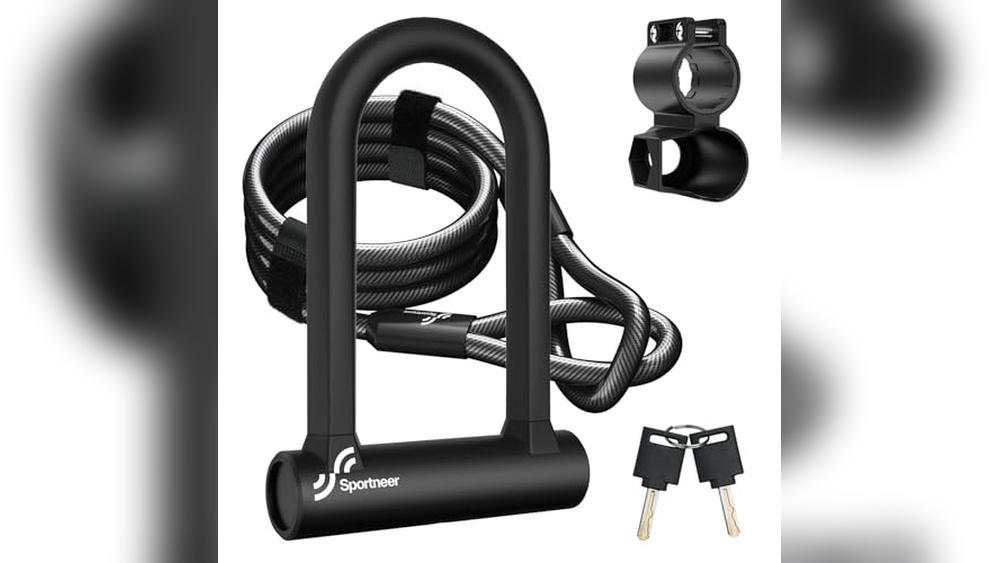
U-locks have a solid metal bar bent into a U shape. They are strong and resist cutting well. They lock the bike frame to a fixed object. U-locks are popular for their high security. Removing them without a key is difficult.
Cable Locks
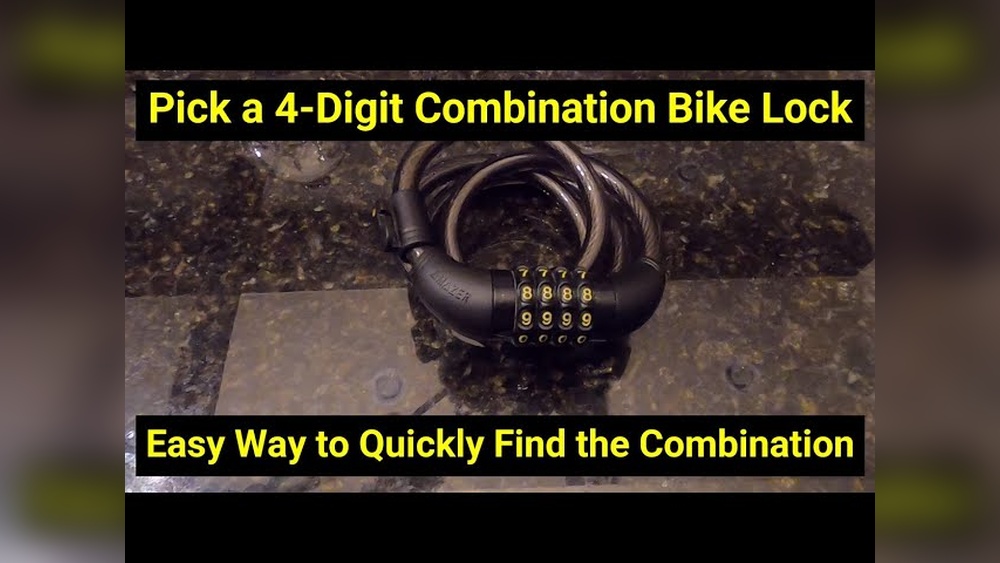
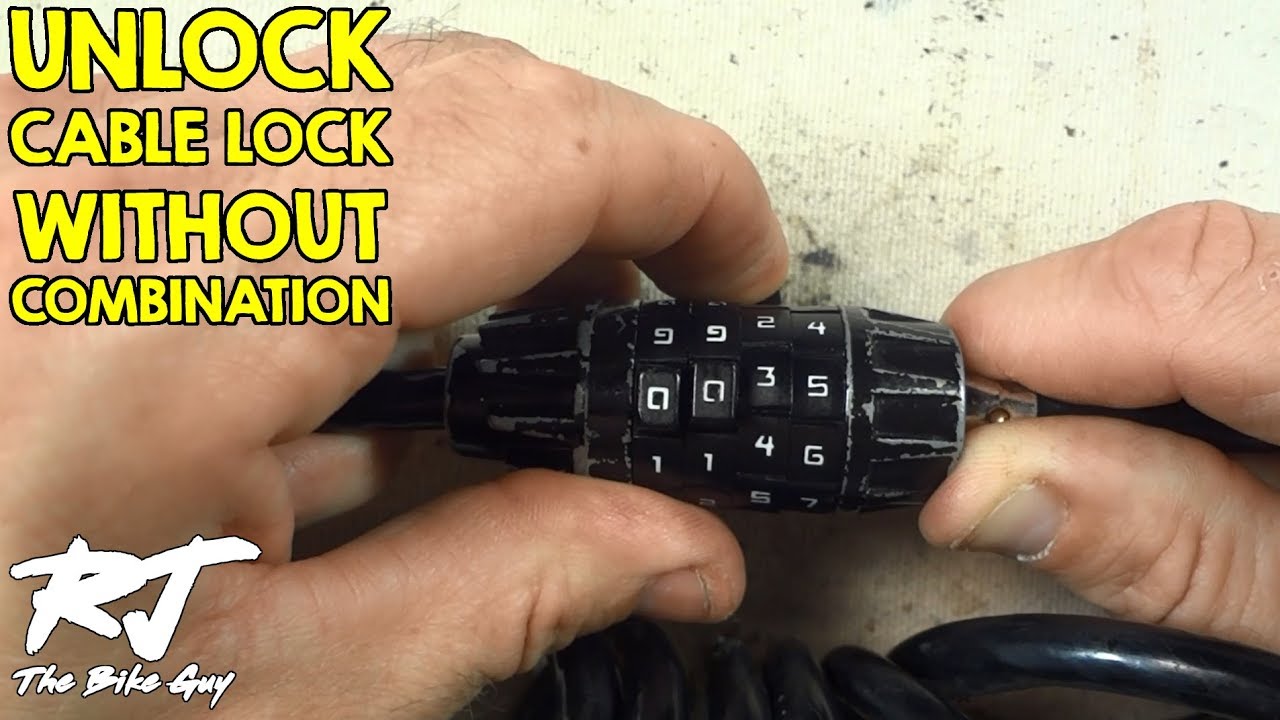
Cable locks are made of braided steel wires covered in plastic. They are flexible and lightweight. Cable locks are easy to carry but less secure. Cutting a cable lock is possible with the right tools. They are common for short stops.
Chain Locks
Chain locks have thick metal links connected together. They offer strong protection but can be heavy. Chains vary in length and thickness. Removing a chain lock without a key needs strong tools. They are good for high-risk areas.
Folding Locks
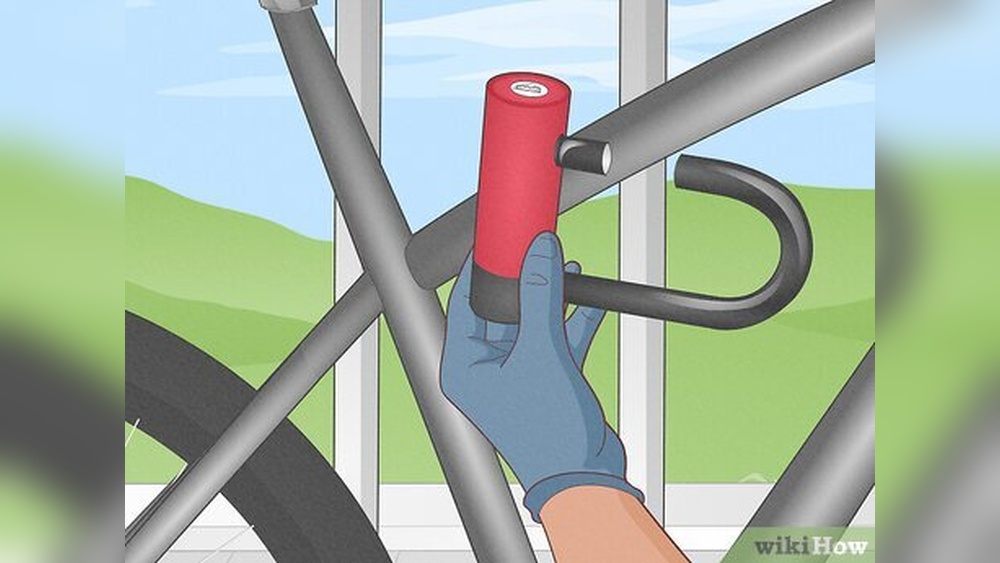
Folding locks consist of flat metal bars connected by rivets. They fold into a small shape for easy storage. Folding locks balance security and convenience. They resist cutting and twisting better than cables. Removing them without a key is tough but possible.

Credit: www.wikihow.com
Precautions Before Removing A Lock
Removing a bike lock without a key can be tricky and risky. Taking the right precautions helps avoid legal issues and damage to your bike. Preparation is key for a smooth process.
Start by making sure the lock belongs to you or you have permission to remove it. Then, gather the right tools to make the job easier and safer. Finally, know what type of lock you are dealing with and its material. This knowledge guides your approach.
Check Ownership
Always confirm you own the bike and lock. Removing a lock without permission can cause legal trouble. If the lock is not yours, ask the owner for permission. Proof of ownership may be needed in some cases. This step protects you from theft accusations.
Gather Necessary Tools
Prepare tools based on the lock type. Common tools include bolt cutters, lock picks, or a hacksaw. Use tools that cause the least damage to your bike. Avoid using force blindly as it may harm you or the bike. Having the right tools saves time and effort.
Assess Lock Type And Material
Identify if the lock is a cable, U-lock, chain, or disc lock. Different locks need different removal methods. Check if the lock is made of hardened steel or simpler materials. Strong materials require stronger tools and more care. Knowing this helps you avoid unnecessary damage.
Using Household Tools
Removing a bike lock without a key can be tough. Household tools can help in some cases. These tools are easy to find around the house. Using them carefully can save time and money. This section explains three simple methods using common tools.
Leveraging Pliers And Wrenches
Pliers and wrenches can grip and twist parts of the lock. Use strong pliers to hold the lock’s shackle tightly. Try to bend the shackle back and forth. This might weaken the metal enough to break it.
Wrenches can turn nuts or bolts on some locks. Find the right size wrench for a better grip. Apply steady force, but be careful not to hurt yourself. These tools work best on combination or padlocks with exposed parts.
Using Screwdrivers
Screwdrivers can pry open or unscrew some lock components. Use a flathead screwdriver to wedge between the lock body and shackle. Gentle twisting may loosen the lock enough to open.
For locks with visible screws, use a matching screwdriver to remove them. This method works only if the screws are accessible and not sealed. Always protect your hands and eyes while working.
Applying Lubricants
Lubricants can help loosen stuck or rusty parts of the lock. Spray some lubricant into the keyhole and around the shackle. Let it sit for a few minutes to penetrate inside.
Try moving the lock parts gently after applying lubricant. This can reduce friction and make the lock easier to open or break. Use lubricants like WD-40 or oil for best results.
Credit: www.youtube.com
Cutting The Lock
Cutting a bike lock without a key is a direct way to free your bike. It requires the right tools and care. Different locks need different cutting methods. Use the right tool to avoid damage and injury. Below are common tools and safety tips for cutting bike locks.
Bolt Cutters For Cable And Chain Locks
Bolt cutters work well on cable and chain locks. They have long handles and strong jaws. This tool uses force to cut metal. Position the lock’s weakest point inside the jaws. Squeeze the handles firmly to cut through. Not all locks can be cut this way. Thick chains may need a larger bolt cutter.
Angle Grinder For U-locks
U-locks are tough and need power tools. An angle grinder can cut through the metal. Use a cutting disc designed for metal. Hold the grinder steady on the lock. Move slowly to avoid overheating. Sparks will fly, so be cautious. This method takes time and patience. Avoid damaging your bike while cutting.
Safety Tips While Cutting
Wear safety glasses to protect your eyes. Gloves protect hands from sharp edges. Cut in a clear, open area. Keep bystanders away from sparks and debris. Use tools carefully to avoid injury. Take breaks if tools get hot. Always focus on the task for safety.
Picking The Lock
Picking a bike lock without a key is a skill some try when locked out. It takes patience and care. Understanding the lock’s mechanism helps. This section explains basic tools and methods. It also warns about risks and limits of lock picking.
Basic Lock Picking Tools
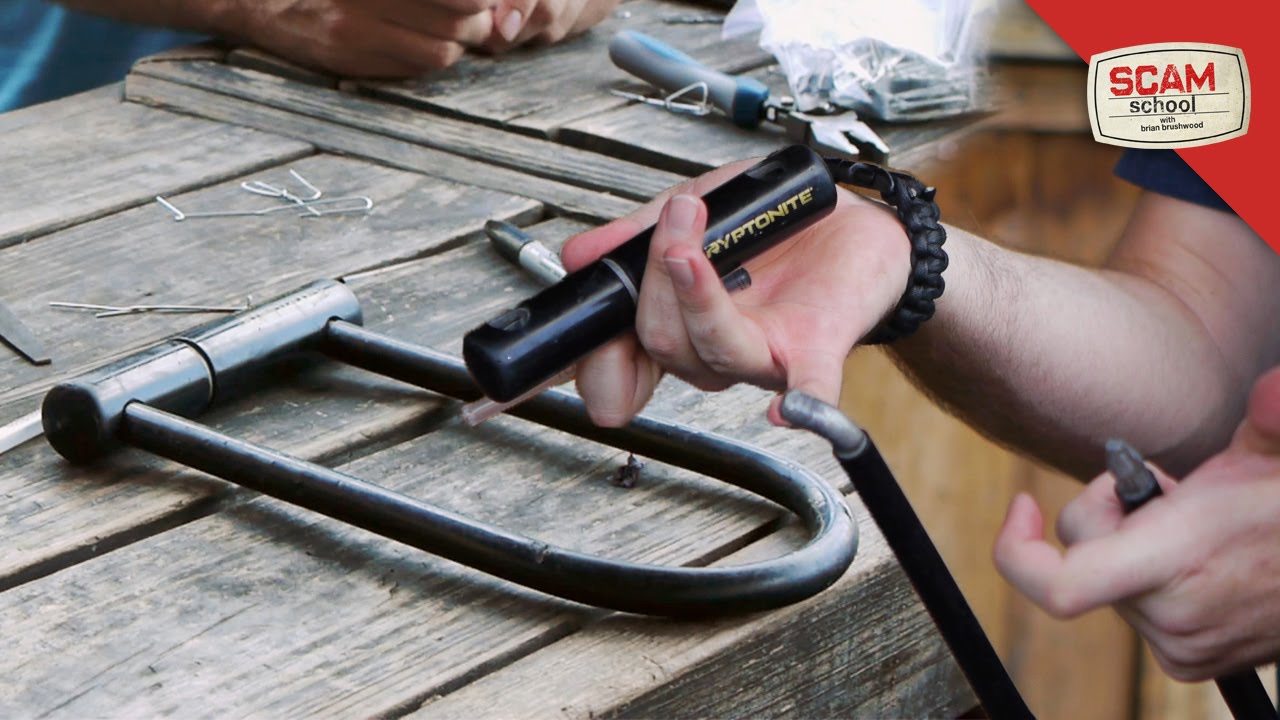
Few tools are needed to pick a lock. A tension wrench applies slight pressure inside the lock. A pick manipulates the pins. Paperclips or bobby pins can work as makeshift picks. Small, thin tools fit better. Quality picks make the task easier.
Simple Picking Techniques
Start by inserting the tension wrench at the lock’s bottom. Apply gentle pressure in the direction to turn the lock. Insert the pick on top to feel the pins. Lift each pin one by one. Set the pins at the shear line. Turn the wrench slowly while lifting pins.
Limitations And Risks
Picking a lock takes time and practice. Locks vary in difficulty and type. Picking may damage the lock or bike. It can be illegal without permission. Always try other methods before picking. Consider professional help for complicated locks.
Alternative Diy Methods
Sometimes, losing a bike lock key can cause real trouble. Alternative DIY methods can help remove the lock without the key. These methods need some tools and care. They work best for old or less secure locks. Use these methods only on your own lock to avoid trouble.
Using Shim Tools
Shim tools slip between the lock shackle and the body. They push the locking mechanism to release the shackle. Thin metal strips or homemade shims from aluminum cans can work. Insert the shim carefully and wiggle it gently. This method needs patience and a steady hand.
Freezing And Smashing
Freezing the lock makes the metal brittle. Spray the lock with a freezing agent or use ice packs. After a few minutes, hit the lock hard with a hammer. The cold weakens the metal, causing it to crack. Wear safety glasses and gloves during this process.
Heating And Breaking
Heating the lock expands the metal inside. Use a small torch or lighter to heat the shackle. Heat it evenly for a few minutes. Then, try breaking the lock with pliers or a hammer. The heat can weaken the locking parts, making it easier to break.
When To Seek Professional Help
Knowing when to seek professional help is important if you cannot remove a bike lock without a key. Trying to force or break the lock can damage your bike or cause injury. Professionals have the right tools and skills to safely remove the lock. They save time and prevent extra problems.
Locksmith Services
Locksmiths specialize in opening locks without damage. They use special tools designed for bike locks. Locksmiths work quickly and safely. Their experience helps avoid mistakes that can harm your bike. Calling a locksmith is a smart choice if the lock is tough or expensive.
Bike Shop Assistance
Many bike shops offer help with locked bikes. Staff know common lock types and how to remove them. They may have tools that you do not own. Bike shops can also advise on better lock options. Visit a local bike shop for expert, friendly help.
Emergency Options
In urgent situations, emergency services or roadside assistance may help. Some services have equipment to cut locks safely. Use this option only if the bike is in danger or blocking traffic. Always ask for professional help to avoid injury or damage.
Preventing Future Lockouts
Locking your bike without a key can cause big trouble. Preventing future lockouts saves time and stress. Simple steps help avoid losing keys or being stuck.
Spare Key Storage
Keep a spare key in a safe place. Choose spots only you can access. A trusted friend’s house or your home works well. This backup key helps if you lose the original. Avoid hiding keys on the bike. Thieves often check common hiding spots.
Smart Locks
Smart locks use codes or apps instead of keys. They reduce the chance of lockouts. Some models send alerts to your phone. Choose a smart lock with strong security features. Make sure the battery lasts long. Keep the app updated for better performance.
Labeling And Tracking Keys
Label your keys with a tag or color code. Use a key tracker device for added safety. These small gadgets connect to your phone. They help find lost keys quickly. Always check your keys before leaving. This habit cuts down on lockouts.
Credit: www.youtube.com
Frequently Asked Questions
How Can I Remove A Bike Lock Without A Key Safely?
You can try using bolt cutters or a lock picking set carefully. Avoid damaging your bike by choosing the right tool. If unsure, consult a locksmith to prevent harm or theft suspicion.
Is It Legal To Remove A Bike Lock Without A Key?
Removing a bike lock without permission can be illegal. Only remove locks on bikes you own or have permission to unlock. Always check local laws before attempting to remove a lock.
What Tools Work Best To Remove A Bike Lock Without Keys?
Bolt cutters, lock picks, and angle grinders are common tools. Bolt cutters work on cable locks, while grinders cut through hardened metal. Use tools carefully to avoid damage or injury.
Can I Pick A Bike Lock Without Professional Help?
Yes, with practice and the right tools, you can pick simple locks. However, complex locks need expertise. Learning lock-picking techniques online can help but be patient and careful.
Conclusion
Removing a bike lock without a key can be tricky but not impossible. Use the right tools and stay patient. Always try non-destructive methods first to avoid damage. Safety matters—protect your bike and yourself. If unsure, seek help from a professional locksmith.
Remember, prevention is better than cure. Keep a spare key or note the code. These small steps save time and stress later. Take care of your bike lock and enjoy worry-free rides.