You’ve invested time and money into your bike, so keeping it safe when you hit the road is a must. But how do you lock your bike on a car rack so it stays secure and theft-proof?
If you’ve ever worried about leaving your bike vulnerable during transport, this guide is for you. You’ll learn simple, effective ways to lock your bike to your car rack using the right locks and techniques. By the end, you’ll feel confident that your bike is locked tight and protected, no matter where your journey takes you.
Let’s dive in and make sure your bike stays exactly where you left it.
Choosing The Right Lock
Choosing the right lock is key to keeping your bike safe on a car rack. The lock must be strong and fit your rack type. A good lock stops thieves and gives peace of mind. Some locks offer better security than others. Knowing the differences helps you pick the best one for your bike.
U-locks Vs Chain Locks
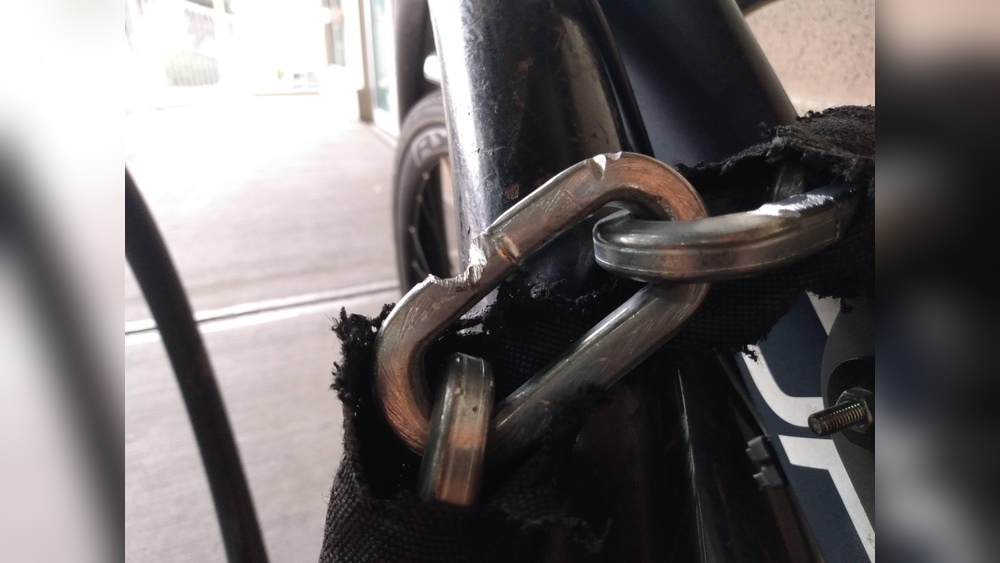
U-locks are solid and hard to cut. They hold your bike frame tightly to the rack. Chains are flexible and fit around many shapes. Heavy chains with thick links resist bolt cutters well. Both types offer strong protection. Choose based on your rack style and how easy you want to carry the lock.
Avoiding Cable Locks
Cable locks look easy to use but are weak. Thieves cut them quickly with simple tools. They do not protect your bike well on a car rack. Use cables only as a secondary lock for small parts. Rely on stronger locks to secure the frame and wheels.
Features Of High-security Locks
High-security locks have hardened steel to resist cutting. Look for locks with double locking mechanisms inside. Weather resistance helps the lock last longer outdoors. Some locks include anti-pick features for extra protection. A lock with a good key design is harder to duplicate. These features keep your bike safe on any car rack.
Credit: www.dcrainmaker.com
Securing The Bike Frame
Securing the bike frame is the most important step in locking a bike on a car rack. The frame is the strongest part of the bike and offers a solid place to attach your lock. Properly locking the frame reduces the chance of theft. It also protects your bike from damage during transport.
Use a durable lock that fits snugly around the frame and the rack. Avoid leaving space where thieves can insert tools. Focus on securing the frame tightly to the rack to keep your bike safe.
Locking To Solid Rack Parts
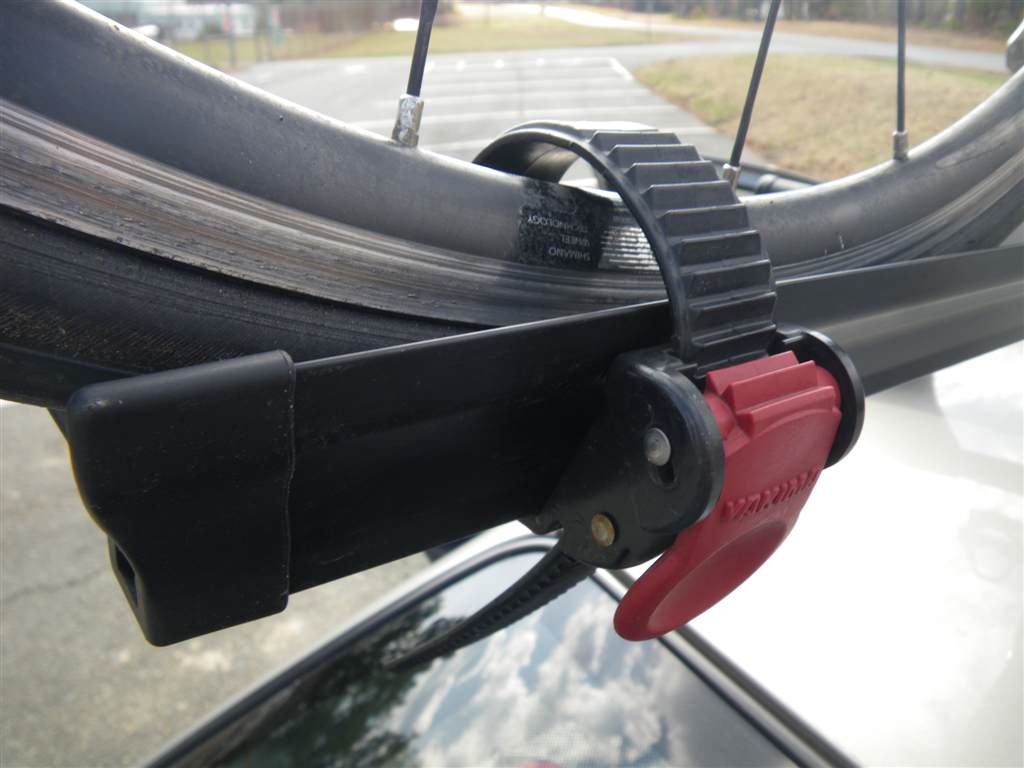
Always lock your bike frame to the solid parts of the car rack. Avoid locking to thin straps or weak plastic parts. These can be easily cut or broken. Look for metal bars or thick steel tubes. These parts provide better resistance against theft attempts.
Make sure the lock passes through both the frame and the rack securely. Check that the bike cannot be lifted or moved without unlocking. This simple step improves your bike’s safety.
Using Hitch Pins For Extra Security
Hitch pins add an extra layer of security to your bike rack. They lock the rack firmly to your vehicle’s hitch receiver. Use locking hitch pins instead of standard pins. This prevents the entire rack from being stolen.
Combine hitch pins with a strong bike lock. Secure the frame and wheels to the rack. This two-step approach protects both the bike and the rack itself.
Avoiding Quick Release Vulnerabilities
Quick release levers on wheels and seats are easy targets for thieves. They allow fast removal without tools. Replace quick releases with security skewers or locking bolts. These require special tools to remove.
Lock the bike frame along with wheels and seat post if possible. This reduces the chance of parts being stolen. Taking time to secure these weak spots improves overall bike security on the rack.
Protecting The Wheels
Protecting the wheels is crucial when locking a bike on a car rack. Thieves often target wheels because they are easier to remove and steal. Securing the wheels adds an extra layer of safety for your bike. Use different methods to make wheel theft much harder.
Using Secondary Locks
Secondary locks give extra protection to your bike wheels. Use small cable locks or thin chain locks to secure each wheel. Attach these locks around the wheel and the car rack. This stops thieves from quickly removing wheels and running away. Keep these secondary locks tight and close to the frame.
Locking Both Wheels Together
Locking both wheels together adds strong security. Use a long cable or chain lock to loop through the front and rear wheels. Pass the lock through the frame and the car rack. This method stops thieves from taking one wheel without the other. It also makes the bike harder to move or steal.
Removing Front Wheel For Better Security
Removing the front wheel can improve security. Place the front wheel next to the rear wheel on the rack. Use one lock to secure both wheels and the frame together. This prevents thieves from taking the front wheel alone. It also reduces the chance of quick wheel removal.
Locking The Rack To The Vehicle
Locking the rack to the vehicle is a key step in protecting your bike. A bike rack can be an easy target if not secured properly. The rack must stay firmly attached to your car. This stops thieves from taking the entire rack with your bike. Simple locks on the rack can stop quick theft attempts. Using special accessories adds an extra layer of security.
Locking Hitch Pins
Hitch pins hold the rack to the vehicle’s hitch receiver. Use locking hitch pins for better security. These pins replace standard ones and have a lock built in. Insert the locking pin through the hitch and rack. Turn the key to lock it in place. This prevents the rack from being removed without the key. Choose pins made from strong metal. This stops thieves from cutting or breaking them easily.
Securing The Rack Against Theft
After locking the hitch pin, secure the rack itself. Some racks have built-in locks to fix them to the car. Use these locks to stop the rack from being lifted off. Tighten all bolts and straps firmly. Check the rack’s fit before driving. A loose rack can wobble and become unsafe. Always park in well-lit areas. This lowers the chance of theft while your bike is on the rack.
Using Anti-theft Accessories
Extra accessories help protect your rack and bikes. Use cable locks or chains to connect the rack to the vehicle frame. Wrap the cable around the rack and a solid part of the car. Lock the cable tightly to block easy removal. Some products have alarms that sound if moved. These scare off thieves and alert nearby people. Small security devices like hitch lock covers add more protection. Combine multiple methods for the best defense.
Additional Security Tips
Securing your bike on a car rack goes beyond just locking it. Extra steps can protect your bike better. These additional security tips help reduce theft risks. They make your bike less attractive to thieves.
Follow these easy methods to increase safety. They work well with your regular bike lock.
Installing Alarm Systems
Alarm systems add an alert if someone tries to steal your bike. Some locks come with built-in alarms. These loud sounds scare off thieves quickly. You can also buy separate alarms for your bike or rack. Choose alarms with motion sensors for better protection.
Choosing Visible Parking Spots
Park your car and bike rack in well-lit, busy areas. Visibility makes it harder for thieves to act unnoticed. Avoid dark or hidden spots. Place your bike where many people pass by. This simple tip lowers theft chances significantly.
Using Protective Covers And Straps
Cover your bike with a protective tarp or bike cover. It hides your bike and makes it less tempting. Use strong straps to tie the cover and bike tightly. This also protects your bike from weather damage. Secure all straps firmly so they do not loosen on the road.

Credit: www.youtube.com
Maintenance And Inspection
Maintaining and inspecting your bike lock and car rack is vital for security. Regular checks help avoid unexpected failures. Small issues can turn into big problems if ignored. A safe, well-maintained lock protects your bike during travel.
Checking Lock Integrity
Start by examining the lock body for cracks or rust. Make sure the locking mechanism works smoothly. Test the key or combination to ensure it opens easily. Avoid locks with visible damage or corrosion. A strong lock resists cutting and picking attempts.
Tightening Loose Straps
Inspect all straps holding the bike on the rack. Pull each strap tight and secure the buckles firmly. Loose straps allow the bike to wobble and risk falling off. Replace straps that stretch too much or have tears. Proper tension keeps your bike stable on the rack.
Replacing Worn Parts
Look for worn or broken parts like buckles, hooks, or lock components. Replace these parts immediately to maintain safety. Use manufacturer-approved parts to ensure compatibility. Regular replacement prevents failures during travel. Keep spare parts handy for quick fixes.
Buying And Using Bike Racks
Buying and using bike racks is important for safe bike transport. The right rack protects your bike and car. Choosing a good rack depends on your needs and budget. Proper installation keeps your bike stable during travel. Understanding types and conditions helps you make a smart choice.
Evaluating New Vs Used Racks
New racks offer full warranty and latest features. Used racks cost less but may show wear and tear. Check for rust, cracks, and missing parts on used racks. Test the locking mechanism before buying. Choose based on budget and how often you travel.
Selecting Roof Vs Hitch Racks
Roof racks keep your bike above the car. They save rear space and allow easy access to the trunk. Hitch racks attach to the car’s trailer hitch. They are easier to load and unload. Consider your car type and parking space before choosing.
Proper Rack Installation
Install racks firmly following the manufacturer’s instructions. Tighten all bolts and clamps securely. Check the rack’s stability before loading bikes. Use extra straps for better safety. Regularly inspect the rack for damage or loose parts.

Credit: www.instructables.com
Frequently Asked Questions
How Do I Keep My Bike From Being Stolen On My Car Rack?
Use a high-quality U-lock or heavy-duty chain through the bike frame and secure rack part. Lock wheels with a cable lock. Choose visible parking spots and avoid quick-release skewers for added security.
How To Protect Bikes On A Bike Rack?
Use a strong U-lock or heavy-duty chain through the bike frame and rack. Secure wheels with a secondary lock. Lock the rack to the vehicle using a hitch pin lock. Cover bikes with a tarp and ratchet straps for added protection against weather and theft.
How To Lock Bike To Wheel Rack?
Remove the front wheel and place it beside the rear wheel. Lock both wheels, frame, and rack together with a strong U-lock or chain. Secure the lock through the frame and a solid part of the rack to prevent theft.
How To Prevent Hitch Bike Rack From Being Stolen?
Use a high-quality locking hitch pin and secure the rack with a heavy-duty U-lock or chain. Lock bike frame and wheels to the rack. Park in visible, well-lit areas and consider adding alarmed locks for extra protection.
Conclusion
Securing your bike on a car rack is simple with the right steps. Always lock the frame, not just the wheels. Use strong locks that fit tightly around both bike and rack. Double-check that the rack itself is locked to your vehicle.
These small actions help protect your bike from theft. Stay safe and enjoy your rides with peace of mind.