Is your bike lock stuck just when you need it most? Whether it’s jammed, frozen, or refusing to turn, a faulty bike lock can quickly ruin your ride and stress you out.
But don’t worry—you don’t have to break it or call a locksmith right away. With the right tricks and a little patience, you can fix your bike lock yourself. In this guide, you’ll discover simple, proven steps to get your lock working smoothly again.
Ready to unlock your freedom? Let’s dive in and solve your bike lock troubles fast.
Identify Common Bike Lock Issues
Identifying common bike lock issues helps fix problems quickly. Knowing the cause saves time and frustration. Many bike lock problems share simple symptoms. Recognizing these early improves your chances of repair.
Jammed Locks
A jammed lock stops the key from turning. Dirt, dust, or rust often causes jamming. Use compressed air or a soft brush to clean the keyhole. Apply a silicone-based spray or graphite powder lubricant. Gently move the key in and out to spread the lubricant. Avoid forcing the key to prevent breakage.
Broken Keys
Keys may break inside the lock if bent or old. Try to pull out the broken piece with needle-nose pliers. If the piece is deep inside, use a key extractor tool. Avoid pushing the broken key further in. If removal fails, call a locksmith for help.
Frozen Locks
Cold weather can freeze the lock mechanism. Warm the lock gently with a hairdryer or warm water. Avoid using open flames to prevent damage. Spray a de-icer or lubricant designed for locks. Insert and turn the key slowly once thawed. Repeat warming if needed before forcing the key.
Misaligned Mechanisms
Misalignment happens when the lock parts do not fit correctly. Check if the lock shackle or body is bent or loose. Adjust the lock position or tighten any screws if possible. Misaligned parts block the key from turning. If unsure, seek professional repair to avoid damage.

Credit: thebestbikelock.com
Clean The Lock Mechanism
Cleaning the lock mechanism is a crucial step in fixing a bike lock. Dirt, dust, and small debris can block the keyhole and cause the lock to jam. Keeping the lock clean helps it work smoothly and lasts longer. Here are simple ways to clean your bike lock mechanism effectively.
Remove Dust And Debris
Start by removing any dust and debris around the keyhole. Use a soft cloth or a gentle brush to wipe the surface. Avoid pushing dirt further inside the lock. Clearing the outer area prevents more dirt from entering the mechanism.
Use Compressed Air
Compressed air is very helpful to blow out dirt inside the lock. Aim the air nozzle into the keyhole and spray short bursts. This action pushes out trapped dust and small particles. Repeat a few times to clear the internal parts well.
Brush Out Dirt
Use a small, stiff brush to clean inside the keyway. A toothbrush or a thin paintbrush works well. Gently move the brush back and forth to loosen dirt inside. This step helps remove grime that compressed air cannot reach.
Lubricate The Lock
Lubricating the bike lock is an important step to keep it working smoothly. Over time, dirt and rust can cause the lock to stick or jam. Adding lubricant reduces friction and protects the lock parts from wear. This simple maintenance can save you from lock troubles on the road.
Choose The Right Lubricant
Use a lubricant made for locks. Graphite powder and silicone spray work best. Avoid oil-based lubricants like WD-40. They can attract dirt and cause more problems. Choose a product that does not leave sticky residue.
Apply Graphite Powder Or Silicone Spray
Insert the tip of the lubricant into the keyhole. Apply a small amount of graphite powder or silicone spray inside. Do not overfill the lock. A light coating will help loosen stuck parts and keep them moving freely.
Work The Key To Distribute Lubricant
After applying lubricant, insert the key into the lock. Move the key gently in and out several times. This spreads the lubricant inside the lock mechanism. It helps release any stuck pins or tumblers and improves lock function.
Fix Jammed Or Frozen Locks
A jammed or frozen bike lock can stop your ride before it even starts. Cold weather or dirt buildup often causes these issues. Fixing the lock needs care to avoid damage. Try simple steps first to save time and money. This section explains how to fix jammed or frozen locks safely.
Gently Warm The Lock
Cold locks can freeze and stop working. Use warm air to heat the lock slowly. A hairdryer works well for this. Hold it a few inches away from the lock. Move the heat around the lock for even warming. This melts any ice inside. Avoid hot spots that can damage the lock.
Avoid Open Flames
Do not use matches or lighters. Open flames can damage the lock or bike paint. Flames can also cause burns or start a fire. Stick to safe warming tools like hairdryers or warm water. Safety first when fixing your bike lock.
Check For Misalignment
Sometimes a jammed lock is due to parts not lining up. Check if the locking mechanism moves smoothly. Look for bent or stuck parts. Gently adjust the lock or shackle. Realign the parts to allow easy movement. This simple fix can free the lock quickly.
Handle Broken Keys
Broken keys in a bike lock can be frustrating. They block the lock and stop it from working. Handling broken keys carefully can save your lock and your bike. Here are simple steps to remove broken key pieces safely.
Use Needle-nose Pliers
Needle-nose pliers work well for grabbing the broken key piece. Open the lock as much as possible to see inside. Gently grip the key fragment and pull it out slowly. Avoid sudden moves to prevent pushing the piece deeper. Small, steady pulls usually free the stuck key part.
Try Extraction Tools
Key extraction tools are made for stuck keys. They fit into the lock and catch the broken piece. Insert the tool carefully next to the key fragment. Slowly pull the tool out while holding the broken key piece. Extraction tools work best when the key piece is hard to reach with pliers.
Avoid Pushing Key Fragments Further
Do not push the broken key deeper inside the lock. This makes removal much harder and can damage the lock. Stay calm and use gentle pulling motions. If you push the fragment, it may jam the lock mechanism. Always focus on pulling the piece out, not pushing it in.
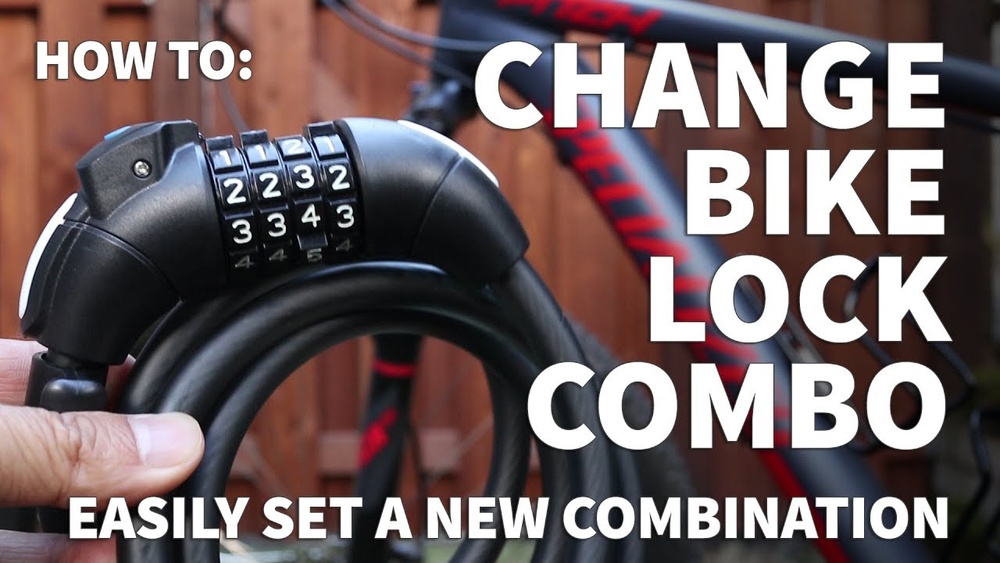
Reset Combination Locks
Resetting a combination lock is a simple way to regain control of your bike security. This process lets you change the code to a new one you can easily remember. Resetting prevents unwanted access and increases your lock’s safety.
Most combination locks have a reset feature. Knowing how to reset the lock helps when you forget the code or want better protection. Follow clear steps to set a new combination and test the lock for smooth use.
Find Reset Instructions
Check the lock body for small instructions or markings. Many locks include a reset button or lever near the dials. The lock’s manual or brand website often shows how to reset the code. Without instructions, try pressing a small pinhole button or rotating a lever inside the lock.
Set A New Combination
Hold the reset button or lever in the reset position. Turn the dials to your new code. Make sure to choose numbers easy to recall but not too simple. Release the reset button or lever to save the new combination. The lock now uses the new code to open.
Test The Lock
Close the lock and scramble the dials. Enter your new combination to unlock it. The lock should open smoothly without resistance. Repeat this test a few times to confirm the new code works. If it does not open, repeat the reset steps carefully.
Prevent Future Lock Problems
Preventing future bike lock problems saves time and stress. Simple care keeps locks working smoothly. Small steps avoid jams and rust. Here are three ways to protect your bike lock for the long term.
Regular Cleaning
Clean your bike lock often. Dirt and dust cause lock jams. Use compressed air or a soft brush to remove debris. Open the lock fully to reach all parts. Regular cleaning stops buildup that blocks the key or combination.
Proper Lubrication Schedule
Lubricate your lock every few months. Use a silicone-based spray or graphite powder made for locks. Avoid oil-based lubricants that attract dirt. Insert the key and move it gently to spread lubricant inside. Proper lubrication keeps the lock parts moving freely.
Protect Locks From Weather
Weather can damage bike locks. Rain and snow cause rust and freezing. Cover the lock with a waterproof sleeve or store the bike indoors. Use rust-resistant locks in wet areas. Keeping your lock dry prevents many common problems.

Credit: thebestbikelock.com
When To Call A Locksmith
Knowing when to call a locksmith can save time and prevent damage to your bike lock. Some problems need expert help beyond simple fixes. Early action stops small issues from turning into big ones. This guide helps you spot the signs and choose the right repair path.
Signs Of Severe Damage
Look for cracks or deep rust on the lock body. Keys that bend or break inside the lock show serious trouble. Locks that do not turn even after lubrication may be damaged internally. Missing or broken parts mean the lock cannot secure your bike. If the lock jams completely, a locksmith is needed fast.
Avoiding Further Damage
Do not force the key or lock parts to move. Forcing the lock can break internal pins or the key itself. Avoid using sharp tools to pry the lock open. Keep the lock dry and clean to prevent rust growth. Stop trying home fixes if the lock stays stuck or broken.
Professional Repair Options
Locksmiths can repair or replace broken lock parts safely. They use special tools to open jammed or frozen locks without damage. Experts can cut new keys if the original is lost or broken. Some locksmiths offer quick service for bike lock emergencies. Professional help ensures your bike stays secure.

Credit: www.reddit.com
Frequently Asked Questions
How To Fix Bike Lock Not Opening?
Clear debris from the keyhole using compressed air or a soft brush. Apply silicone-based lubricant or graphite powder. Insert and wiggle the key gently to spread lubricant. Warm the lock if frozen, or check door alignment. Avoid force; call a locksmith if it still won’t open.
How To Fix A Lock That Is Jammed?
Clear debris from the keyhole using compressed air or a soft brush. Apply graphite powder or silicone spray lubricant. Gently wiggle the key to distribute lubricant. For frozen locks, warm with a hairdryer. Adjust misaligned doors if needed. If still jammed, call a professional locksmith.
How To Reset A Bicycle Lock?
To reset a bicycle lock, align the dials to the current combination. Hold the reset lever or button, set a new code, then release the lever. Test the new combination to ensure it works before locking.
What To Do If A Lock Is Not Opening?
Clear debris from the keyhole using compressed air or a soft brush. Apply graphite or silicone-based lubricant. Gently wiggle the key to spread lubricant. Warm frozen locks with a hairdryer. Adjust misaligned doors if needed. Avoid forcing the lock and call a locksmith if it remains stuck.
Conclusion
Fixing a bike lock takes patience and simple tools. Clean the lock carefully to remove dirt and debris. Use a proper lubricant to loosen stuck parts. Warm the lock gently if it is frozen. Check alignment if the lock still resists opening.
Small steps often solve common lock problems. If troubles continue, seeking expert help is wise. Keeping your bike lock in good shape saves time and stress. Regular maintenance prevents future jams and keeps your bike secure.