Are you looking for a simple yet powerful exercise to strengthen your legs and sculpt your lower body? The dumbbell squat might be exactly what you need.
But what does a dumbbell squat work, and how can it help you reach your fitness goals? Whether you’re a beginner or someone wanting to add variety to your workouts, understanding the muscles involved and the benefits of this move can make all the difference.
Keep reading to discover how dumbbell squats target key muscle groups, improve your balance, and boost your overall strength—so you can make every squat count.
Credit: learn.athleanx.com
Muscles Targeted
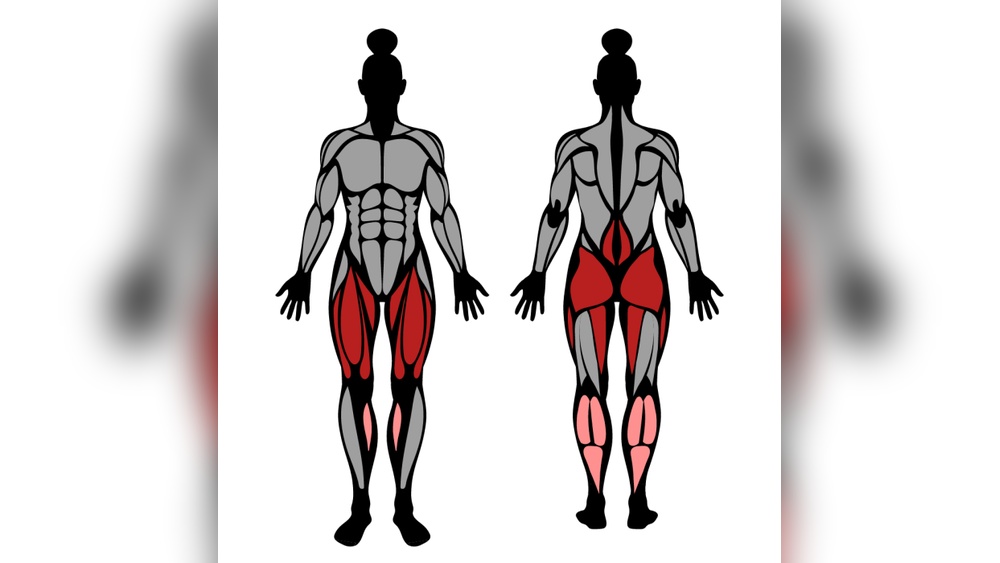
The dumbbell squat is a powerful exercise that targets multiple muscle groups. It helps build strength and improve balance in the lower body. Understanding the muscles worked can help you perform the exercise correctly and safely. This section breaks down the main muscles activated during the dumbbell squat.
Quadriceps Activation
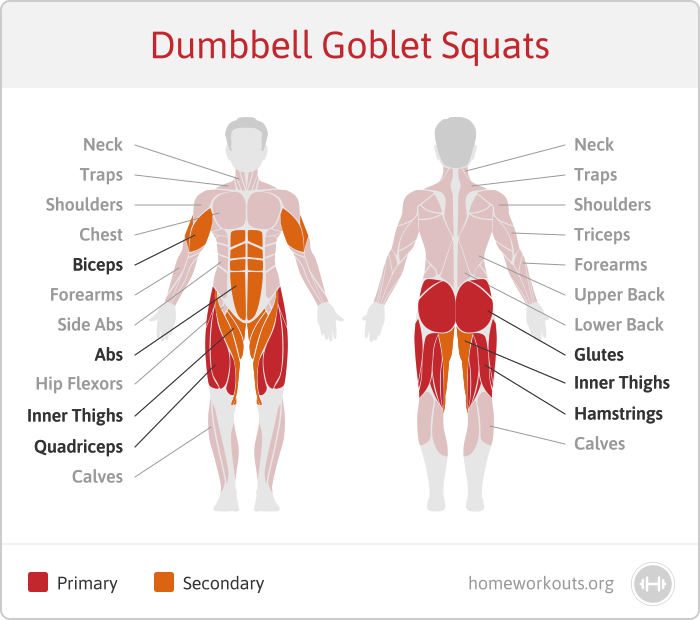
The quadriceps are the main muscles in the front of your thighs. They extend your knee during the squat movement. Dumbbell squats put a strong focus on these muscles, helping to develop size and strength. This activation improves your ability to jump, run, and climb stairs.
Glute Engagement
Your glutes are key players in the dumbbell squat. These muscles in your buttocks help you rise from the squat position. They also stabilize your hips and pelvis. Strong glutes improve posture and reduce the risk of lower back pain.
Hamstring Role
The hamstrings run along the back of your thighs. They assist in bending your knees and extending your hips. During the dumbbell squat, hamstrings work alongside your glutes to help you stand up. They also support knee stability throughout the exercise.
Core And Stability Muscles
The dumbbell squat requires strong core muscles for balance and control. Your abs and lower back engage to keep your torso upright. Stability muscles around your hips and ankles also activate. This improves overall body coordination and reduces injury risk.
Benefits Of Dumbbell Squats
Dumbbell squats offer many benefits that improve your overall fitness. This exercise targets multiple muscle groups at once. It helps build strength, balance, and coordination. Dumbbell squats also support better posture and movement in daily life.
Adding dumbbell squats to your workout routine can be simple and effective. The benefits make it a great choice for all fitness levels. Here are some key advantages of dumbbell squats.
Ideal For Beginners
Dumbbell squats are easy to learn and perform. They require less weight than barbell squats. This makes them less intimidating for new exercisers. Beginners can focus on form and build confidence. The controlled movement helps avoid injury.
Improves Core Strength And Balance
Holding dumbbells challenges your core muscles to stay tight. This improves your stability during the squat. Better core strength supports your spine and posture. Balance improves as your body learns to control weight shifts. This helps in many everyday activities.
Corrects Muscle Imbalances
Dumbbell squats work each side of your body independently. This helps fix strength differences between legs. Balanced muscles reduce the risk of injury. It also improves your overall coordination and power. Muscle imbalances often cause pain and poor movement.
Safe And Space-efficient
Dumbbells are safer than heavy barbells, especially at home. They allow a natural range of motion. You can easily control the weight and stop if needed. Dumbbells take up little space and are portable. They fit well in small workout areas.
Builds Functional Strength
Dumbbell squats mimic real-life movements like bending and lifting. This builds strength you use every day. Strong legs and core improve your ability to carry groceries or climb stairs. Functional strength helps prevent falls and injuries. It supports an active and healthy lifestyle.
Limitations To Consider
Dumbbell squats are excellent for building leg strength and improving balance. Yet, they come with a few limitations. Understanding these helps you train smarter and avoid setbacks.
Some limits affect how much weight you can handle and how long you can hold the dumbbells. These limits might slow your progress if not addressed.
Grip Strength As A Limiting Factor
Grip strength often limits dumbbell squats. Your hands may tire before your legs do. This can stop you from using heavier weights.
Weak grip makes it hard to hold dumbbells safely. Dropping weights can cause injury or disrupt your workout flow.
Improving grip through exercises like farmer’s walks can help. Still, your grip strength will usually limit dumbbell squat weight more than leg strength.
Weight Constraints Compared To Barbells
Dumbbells offer less maximum weight than barbells. This limits how much you can challenge your muscles.
Barbells allow loading heavy weights evenly on your shoulders. Dumbbells require holding weight in each hand, which is harder.
This means advanced lifters often switch to barbells for heavier squats. Dumbbells suit beginners or those training at home better.
Credit: homeworkouts.org
Effective Dumbbell Squat Techniques
Effective dumbbell squat techniques improve your workout results and reduce injury risks. These techniques help target muscles correctly and increase strength. Focus on key elements like form, core engagement, and exercise variation to maximize benefits.
Maintaining Proper Form
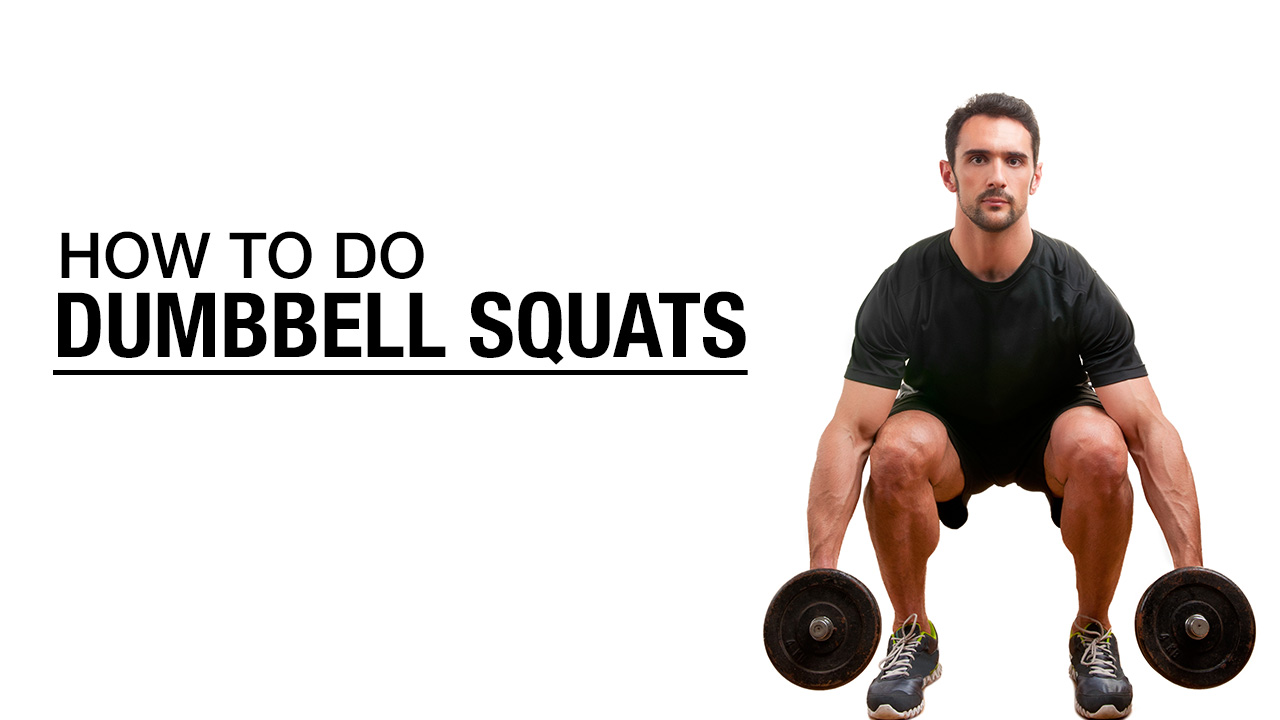
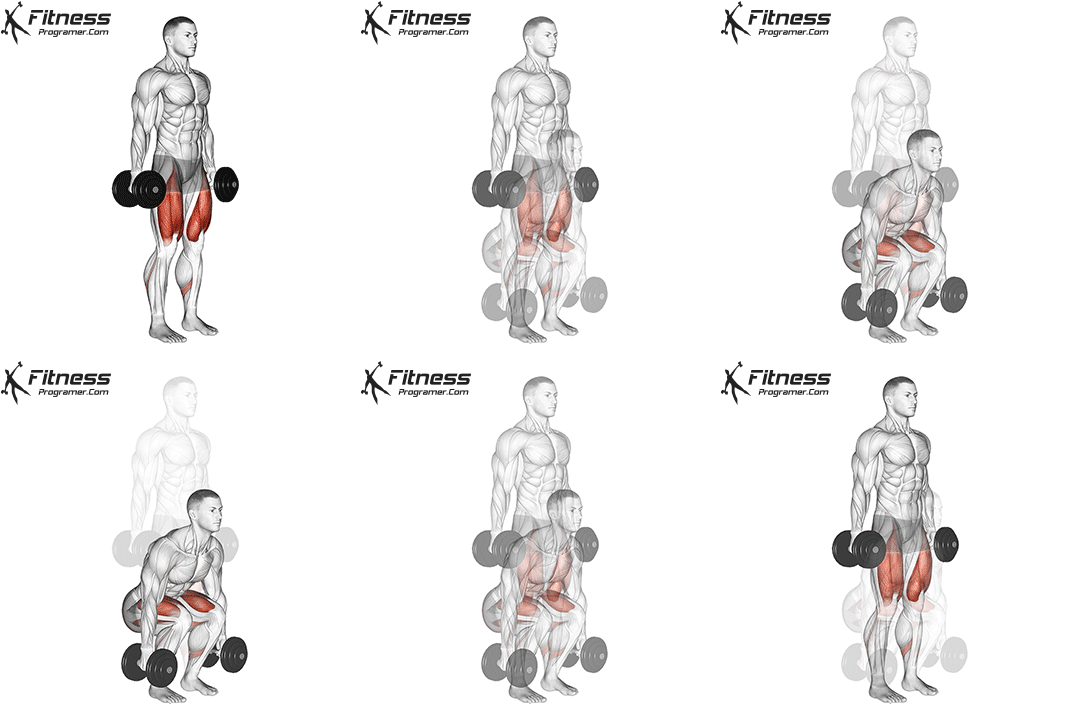
Stand with feet shoulder-width apart and hold dumbbells at your sides. Keep your chest up and back straight. Lower your body by bending your knees and hips. Stop when your thighs are parallel to the floor. Avoid letting your knees go past your toes. Push through your heels to stand back up. Proper form protects your joints and activates muscles effectively.
Engaging The Core
Tighten your abdominal muscles before you squat. A strong core supports your spine and improves balance. It prevents you from leaning forward or arching your back. Keep your core engaged throughout the movement. This engagement helps transfer power from your legs to your upper body. A stable core reduces the risk of injury.
Choosing The Right Variation
Different dumbbell squat variations target muscles in various ways. The goblet squat focuses on quads and core. Hold one dumbbell close to your chest with both hands. Sumo squats widen your stance and target inner thighs. Hold dumbbells by your sides and point toes outward. Split squats work each leg individually for balance and strength. Pick a variation that matches your fitness level and goals.
Credit: fitnessprogramer.com
Frequently Asked Questions
Is Squatting With Dumbbells Effective?
Squatting with dumbbells effectively builds lower body strength, improves balance, and engages the core. It suits beginners and home workouts. Grip strength may limit heavier lifts, making barbells better for advanced training. Dumbbell squats target quads, glutes, and hamstrings safely and accessibly.
Do Dumbbell Squats Work Your Abs?
Dumbbell squats engage your abs by requiring core stabilization to maintain balance and proper posture throughout the movement.
What Muscles To Dumbell Squats Work?
Dumbbell squats primarily work the quadriceps, hamstrings, glutes, and calves. They also engage the core muscles for stability and balance.
Are Squats Good For Pregnancy?
Yes, squats are beneficial during pregnancy. They strengthen pelvic muscles, improve posture, and can ease labor. Always consult a healthcare provider before starting.
Conclusion
Dumbbell squats effectively target your quads, glutes, and hamstrings. They also engage your core and improve balance. This exercise suits beginners and those with limited equipment. Using dumbbells helps maintain proper form and prevents muscle imbalances. Regular practice builds lower body strength and stability.
Keep your back straight and knees aligned during each squat. Dumbbell squats offer a simple, effective way to strengthen key muscles. Try adding them to your workout routine for better results.


