Are you wondering if you can get the same strength and muscle benefits from deadlifting with dumbbells instead of a barbell? If you’ve ever asked yourself, “Can I deadlift with dumbbells?” you’re not alone.
Whether you don’t have access to a barbell, want to switch up your routine, or prefer working out at home, dumbbells can be a powerful tool. But how effective are they really? And what should you know before you start?
Keep reading to discover how dumbbell deadlifts can work for you, what mistakes to avoid, and how to get the best results safely. Your next workout just might get a whole lot smarter.
Credit: squatwolf.com
Benefits Of Dumbbell Deadlifts
Dumbbell deadlifts offer many advantages for fitness. They target multiple muscle groups effectively. This exercise helps improve strength, balance, and muscle growth. Using dumbbells changes the way your muscles work. It also adds variety to your workout routine.
Many people find dumbbell deadlifts easier on their joints. They allow more natural movement. This leads to better form and less injury risk. Dumbbell deadlifts fit well in home workouts and gyms alike.
Muscle Activation And Growth
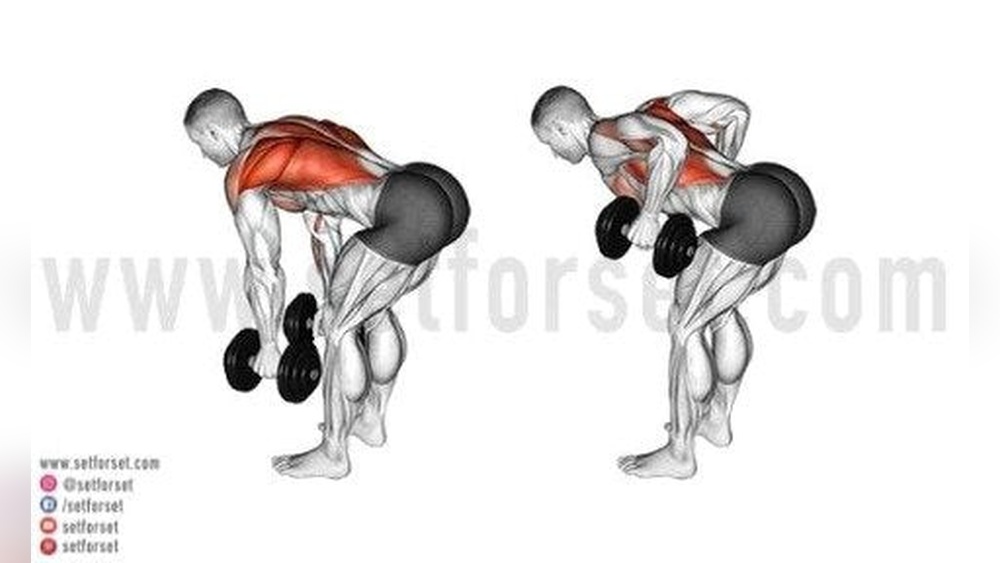
Dumbbell deadlifts engage your legs, back, and core muscles. Each side of your body works independently. This helps fix muscle imbalances. The controlled movement increases muscle activation. Over time, this supports better muscle growth. It is a simple way to build strength evenly.
Improved Stability And Balance
Using dumbbells requires more control than a barbell. This challenges your stabilizer muscles. Your body learns to stay balanced during the lift. This improves overall stability and coordination. Better balance helps in daily activities and sports. Dumbbell deadlifts train your body to move safely.
Versatility In Workouts
Dumbbells are easy to adjust and carry. You can perform deadlifts anywhere with them. They fit well in small spaces. You can increase or decrease the weight quickly. Dumbbell deadlifts combine well with other exercises. This makes your workout more flexible and fun.
:max_bytes(150000):strip_icc()/SHP_090922_Row-2000-7c737ca8474c4388b7ffbe8ef3db56ae.jpg)
Credit: www.shape.com
Comparing Dumbbells And Barbells
Choosing between dumbbells and barbells for deadlifts depends on your goals and workout style. Each tool offers unique benefits and challenges. Understanding these differences helps you pick the best option for your fitness routine.
Range Of Motion Differences
Dumbbells allow more freedom of movement in your arms. You can move each arm independently. This helps fix muscle imbalances and improves coordination. Barbells keep your hands fixed in one position. This limits arm movement but provides more stability. Dumbbells may require more control to keep balance.
Weight Progression Options
Barbells offer small weight increments. You can add plates in small steps. This helps increase strength steadily. Dumbbells usually come in fixed weights. You might need to jump to heavier pairs. This can make progress less smooth. Barbells often allow heavier lifting overall.
Safety Considerations
Dumbbells are safer for beginners. You can drop them easily if needed. They reduce the risk of injury during failed lifts. Barbells require proper form to avoid injury. Dropping a barbell can be dangerous without proper equipment. Using a spotter or safety rack is important with barbells.
Proper Dumbbell Deadlift Technique
The proper dumbbell deadlift technique is key to safe and effective workouts. It helps target muscles well and lowers injury risk. Using dumbbells allows more control and can fit small spaces. Focus on form before adding weight. Consistent practice improves strength and posture.
Starting Position
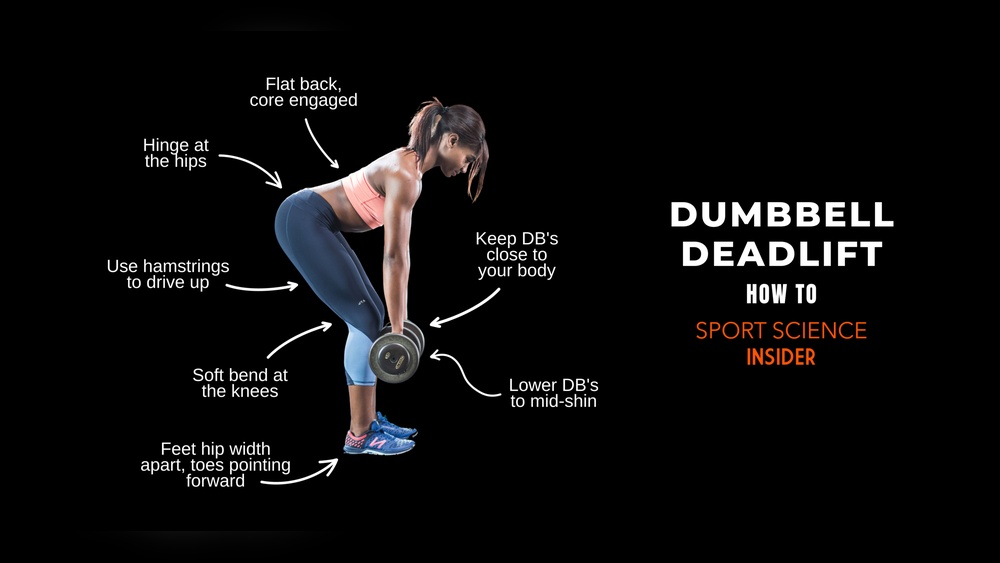
Stand with feet hip-width apart. Hold a dumbbell in each hand. Let arms hang straight down in front. Keep your back flat and chest up. Bend knees slightly. Engage your core muscles. Look straight ahead to keep neck neutral.
Movement Execution
Push hips back while lowering dumbbells close to legs. Keep dumbbells near your body. Lower until you feel a stretch in your hamstrings. Avoid rounding your back. Drive through your heels to stand back up. Squeeze your glutes at the top. Keep arms straight throughout the movement.
Common Mistakes To Avoid
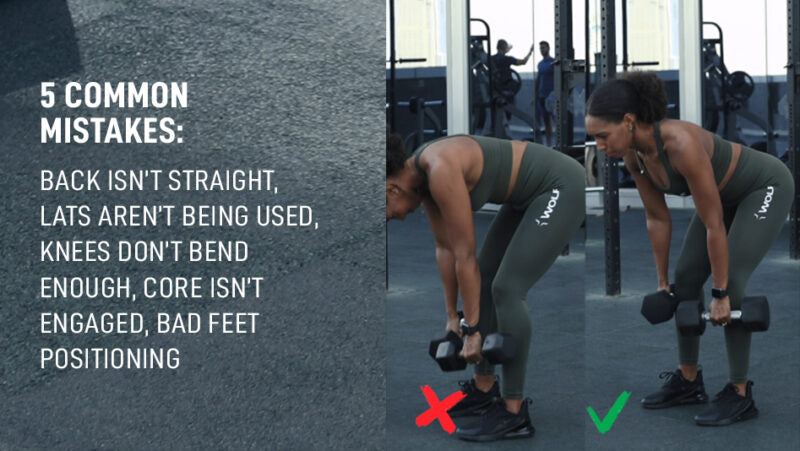
Do not round your back or shoulders. Avoid letting dumbbells drift away from legs. Do not lock knees at the bottom. Keep neck in line with your spine. Avoid using your arms to lift. Focus on hip movement instead. Perform slow, controlled motions to prevent injury.
Tips To Maximize Muscle Growth
Maximizing muscle growth with dumbbell deadlifts needs smart training methods. Focus on key factors that help your muscles grow faster and stronger. Use the right techniques, keep track of progress, and vary your workouts often. These tips help you build muscle safely and effectively.
Pay close attention to how you train. Small changes can make a big difference. Stay consistent and challenge your muscles regularly.
Optimal Rep And Set Ranges
Choose reps between 8 and 12 for muscle growth. This range creates enough tension for your muscles. Perform 3 to 4 sets per exercise. Rest 60 to 90 seconds between sets to recover well. This balance helps your muscles work hard without too much fatigue.
Progressive Overload Strategies
Increase dumbbell weight gradually over time. Add small weight increments every week or two. Track your progress to stay motivated. You can also increase reps or sets for more challenge. Push your muscles to adapt and grow stronger.
Incorporating Variations
Change your deadlift style to target muscles differently. Try Romanian deadlifts or sumo deadlifts with dumbbells. Use different grips or stance widths to vary muscle use. These changes prevent boredom and plateaus. Your muscles respond better to new challenges.
Equipment And Setup Recommendations
Setting up your equipment correctly helps you deadlift safely and effectively with dumbbells. Choosing the right tools and space makes a big difference. Proper setup reduces injury risk and improves your workout quality.
Choosing The Right Dumbbells
Select dumbbells that fit your strength and skill level. Start with lighter weights to learn proper form. Opt for adjustable dumbbells if you want to increase weight gradually. Ensure the dumbbells have a good grip to prevent slipping during lifts.
Workout Space Setup
Pick a flat, stable surface to perform your deadlifts. Clear the area of any obstacles or clutter. Use a non-slip mat to increase grip and protect your floor. Ensure enough room around you to move freely without hitting anything.
Safety Gear Suggestions
Wear supportive shoes with a flat sole for better balance. Consider wrist wraps to protect your wrists during heavy lifts. Use weightlifting gloves to improve grip and reduce hand strain. Keep a first aid kit nearby for emergencies.
Integrating Dumbbell Deadlifts Into Routines
Dumbbell deadlifts are a flexible exercise that fits well in many workout routines. They help build strength, improve posture, and increase muscle tone. Adding them to your plan can bring variety and challenge your body in new ways.
Using dumbbells allows for better control and can reduce strain on the back. It suits beginners and those with limited equipment. Think about how dumbbell deadlifts can work with your current exercises to boost results.
Full-body Workout Plans
Dumbbell deadlifts engage multiple muscles at once. They work the legs, back, and core together. Include them in full-body workouts to save time and train efficiently. Pair with push exercises like dumbbell presses for balance. This approach supports overall strength and muscle growth.
Targeting Specific Muscle Groups
Focus on dumbbell deadlifts to strengthen your hamstrings and glutes. They also activate the lower back and forearms. Combine with isolation exercises like leg curls or bicep curls to target weak areas. This method helps improve muscle symmetry and prevent injury.
Balancing With Other Exercises
Balance dumbbell deadlifts with movements that stretch and stabilize. Add exercises for the upper body and core to create harmony. Avoid overworking the lower back by mixing in rest days and light cardio. This balance supports recovery and steady progress.

Credit: www.youtube.com
Frequently Asked Questions
Can I Deadlift With Dumbbells Safely?
Yes, you can safely deadlift with dumbbells. Use proper form, start with lighter weights, and maintain a straight back to avoid injury.
Are Dumbbell Deadlifts Effective For Muscle Building?
Dumbbell deadlifts effectively target hamstrings, glutes, and lower back. They improve strength and stability but may limit maximum weight compared to barbells.
How Do Dumbbell Deadlifts Differ From Barbell Deadlifts?
Dumbbell deadlifts require more balance and coordination. They allow a greater range of motion but typically involve lighter weights than barbell deadlifts.
Can Beginners Use Dumbbells For Deadlifting?
Yes, beginners can start deadlifting with dumbbells. They help learn proper form and control before progressing to heavier barbell deadlifts.
Conclusion
Dumbbell deadlifts work well for building strength safely. They help improve balance and target many muscles. You can adjust weight easily to match your level. This exercise fits well in small spaces or at home. Keep your back straight and use good form.
Start light, then add weight as you get stronger. Dumbbell deadlifts offer a simple, effective way to train. Try them to add variety to your workout routine.