If you want stronger, more defined forearms, dumbbells are your best friend. Your forearms play a big role in grip strength and overall arm power, but they’re often overlooked in workouts.
This guide will show you the best dumbbell exercises to build muscle, increase endurance, and improve your grip—all with simple moves you can do anywhere. Ready to unlock your full arm potential? Keep reading and discover how to make your forearms work harder and look better.

Credit: www.antoinesarr.com
Why Focus On Forearm Strength
Forearm strength plays a key role in many physical tasks. It supports hand movements and grip power. Strong forearms help with lifting, carrying, and holding objects. Building forearm muscles improves overall hand function and endurance. This focus benefits both fitness routines and daily activities.
Benefits For Daily Activities
Strong forearms make everyday tasks easier. Simple actions like opening jars or carrying groceries need good grip strength. Forearm muscles help control wrist and finger movements. This strength reduces fatigue during repeated tasks. Many people notice better hand control after training forearms.
Impact On Overall Grip
Grip strength depends largely on the forearm muscles. A firm grip improves performance in sports and weightlifting. It also helps with tools and equipment handling. Strong forearms allow longer and safer holds. This leads to better results in many physical activities.
Injury Prevention
Forearm strength helps protect wrists and elbows. Weak muscles can increase the risk of strains and sprains. Strengthened forearms stabilize joints during movement. This support lowers chances of common injuries. Training forearms contributes to safer workouts and daily tasks.

Credit: www.youtube.com
Key Muscles In The Forearm
The forearm contains several important muscles. These muscles control hand and wrist movements. Understanding these muscles helps target them effectively during workouts.
Forearm muscles fall into three main groups. Each group has a unique role in movement and strength. Training all groups ensures balanced and strong forearms.
Flexor Muscles
Flexor muscles lie on the inner side of the forearm. They help bend the wrist and fingers. These muscles are vital for gripping and lifting objects. Strong flexors improve grip strength and wrist control.
Extensor Muscles
Extensor muscles are on the outer side of the forearm. They extend the wrist and fingers, moving them backward. These muscles balance the flexors and support wrist stability. Training extensors prevents injuries and improves wrist mobility.
Pronators And Supinators
Pronators turn the palm down, while supinators turn it up. These muscles allow the hand to rotate smoothly. They help in many daily tasks like turning a doorknob or using tools. Strengthening them enhances forearm rotation and overall arm function.
Choosing The Right Dumbbells
Choosing the right dumbbells is key for effective forearm training. The correct dumbbells help you perform exercises safely and with proper form. They also allow steady progress without risking injury. This section guides you through important factors to consider before buying or using dumbbells for forearm workouts.
Weight Selection Tips
Select dumbbells that match your current strength level. Start with lighter weights to avoid strain. Gradually increase weight as your forearm muscles grow stronger. Choose a weight that challenges you but still allows controlled movements. Avoid weights too heavy to maintain good form during exercises.
Types Of Dumbbells
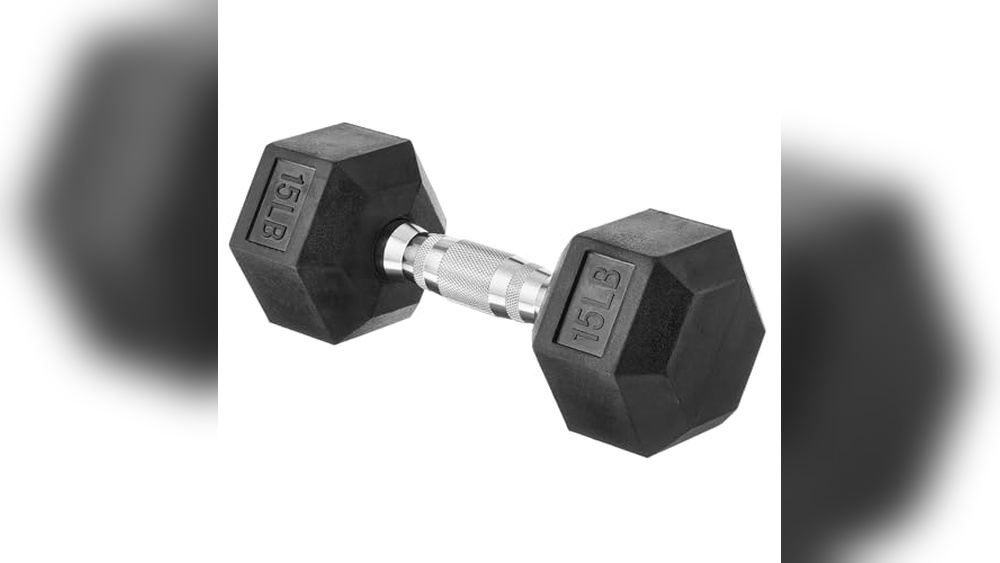
Choose between fixed-weight and adjustable dumbbells. Fixed dumbbells are simple and ready to use. Adjustable dumbbells let you change weight as needed. Consider your workout space and budget before deciding. Both types can work well for forearm exercises if used properly.
Grip Considerations
Forearm workouts need dumbbells with comfortable grips. Look for handles with a non-slip surface to prevent slipping. Thicker handles increase grip strength and muscle activation. Ensure the grip size fits your hand comfortably. A good grip reduces hand fatigue and improves exercise quality.
Top Dumbbell Exercises For Forearms
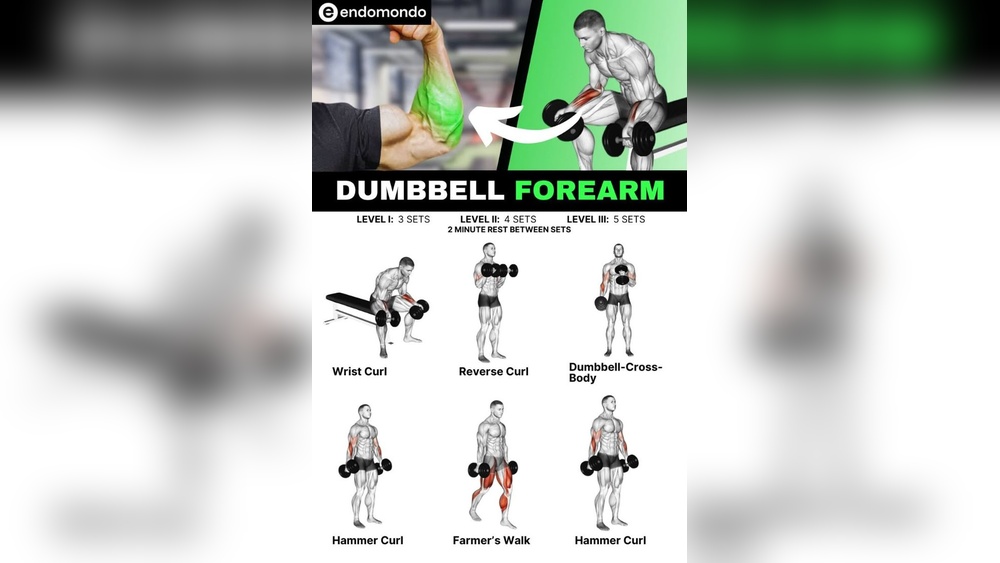
Strong forearms improve grip and arm strength. Dumbbell exercises target different forearm muscles. These exercises help build muscle and increase endurance.
Focus on controlled movements and steady weight increase. This approach prevents injury and promotes steady progress. Here are some top dumbbell exercises for forearms.
Wrist Curls
Hold a dumbbell in each hand with palms facing up. Rest your forearms on a bench or your thighs. Slowly curl your wrists upward, then lower back down. This exercise strengthens the inner forearm muscles.
Reverse Wrist Curls
Hold dumbbells with palms facing down. Rest your forearms as in wrist curls. Lift your wrists upward, then slowly lower them. This move targets the outer forearm muscles. It balances wrist strength and helps prevent injuries.
Hammer Curls
Hold dumbbells with thumbs facing up. Keep your elbows close to your body. Curl the weights upward without twisting your wrists. Hammer curls work both the forearms and the biceps. They improve grip and arm shape.
Zottman Curls
Start with palms up and perform a standard curl. At the top, rotate your wrists so palms face down. Lower the dumbbells slowly with this grip. This exercise targets both the biceps and forearm muscles. It builds strength and muscle definition.
Farmer’s Walk
Hold heavy dumbbells at your sides. Stand tall and walk forward steadily. Keep your core tight and shoulders back. This exercise improves grip strength and forearm endurance. It also enhances overall body stability and posture.
Proper Form And Technique
Proper form and technique are key to effective dumbbell exercises for forearms. Using correct form helps target the muscles correctly. It also lowers the risk of injury. Focus on smooth, controlled movements. Avoid quick, jerky motions that strain your joints. Pay attention to how your wrists and arms move during each exercise. This ensures the forearm muscles work hard and grow stronger.
Common Mistakes To Avoid
Do not use too much weight too soon. This can cause poor form and injury. Avoid bending your wrists in unnatural ways. Keep your wrists straight but flexible during lifts. Do not swing the dumbbells or use momentum. This reduces the workout’s effectiveness. Avoid locking your elbows; keep a slight bend. Make sure your grip is firm but not too tight. Overgripping tires the muscles quickly.
Breathing And Posture
Breathe out while lifting the dumbbells. Inhale as you lower them back down. Proper breathing keeps your energy steady. Maintain a straight back and relaxed shoulders. Avoid slouching or leaning forward. Sit or stand with feet shoulder-width apart. Good posture supports your wrists and arms. This helps deliver power and reduces strain.
Repetition And Sets
Start with light weights and 10 to 15 repetitions. Perform 2 to 3 sets for each exercise. Rest for 30 to 60 seconds between sets. Increase weight gradually as your strength improves. Focus on slow, steady reps rather than speed. Consistency is more important than heavy lifting. Regular practice builds stronger forearms over time.

Credit: www.youtube.com
Integrating Forearm Workouts Into Routine
Building strong forearms requires more than just doing exercises. Integrating forearm workouts into your routine helps you see steady progress. It also prevents injuries and muscle imbalances. A smart plan includes the right frequency, proper rest, and mixing exercises with other muscle groups.
Frequency And Rest
Train forearms two to three times per week. This gives muscles enough time to recover. Rest is key for muscle growth and strength. Avoid training forearms every day to prevent overuse injuries. Listen to your body and adjust rest days as needed.
Combining With Other Muscle Groups
Forearm exercises pair well with biceps and back workouts. These muscles work together in many lifts. Combining them saves time and boosts overall arm strength. Use dumbbells to hit forearms after your main lifts. This approach keeps your workout balanced and efficient.
Progress Tracking
Keep a workout log to track weights and reps. Note how your forearms feel after each session. Track progress every week or two. Increase weights gradually to avoid injury. Progress tracking motivates you and guides your training adjustments.
Advanced Dumbbell Moves For Forearms
Advanced dumbbell moves for forearms build strength and improve grip power. These exercises target small muscles that regular workouts might miss. They help increase endurance and muscle definition. Including these moves in your routine can boost overall arm strength and improve performance in other lifts.
Towel Grip Holds
Wrap a towel around a dumbbell handle. Hold the dumbbell by gripping the towel tightly. This challenges your grip and forearm muscles more than a normal hold. Hold for 20 to 30 seconds and repeat for several sets. It strengthens your fingers and wrist tendons.
Wrist Roller Variations
Attach a weight to a rope on a wrist roller. Roll the rope up and down using your wrists. Change the speed and weight for different difficulty levels. This exercise targets wrist flexors and extensors deeply. It improves wrist stability and overall forearm strength.
Isometric Holds
Hold a dumbbell in a fixed position without moving. Keep your wrist and forearm muscles tight. Hold for 15 to 40 seconds depending on your strength. This exercise builds endurance in your forearm muscles. It also improves muscle control and grip strength.
Recovery And Injury Prevention
Recovery and injury prevention are key for strong forearms. Proper care helps muscles heal and grow. It also stops pain and damage. Taking time to recover keeps workouts safe and effective. Follow smart habits to protect your forearms during dumbbell exercises.
Stretching Techniques
Stretching eases muscle tightness after training. Simple stretches improve blood flow and flexibility. Stretch your wrists by bending them up and down slowly. Hold each stretch for 15 to 30 seconds. Use both hands to stretch each forearm well. Stretching lowers stiffness and reduces injury risk.
Massage And Foam Rolling
Massaging forearms relieves knots and muscle soreness. Use your fingers to press and rub tense spots. Foam rolling can also help loosen tight muscles. Roll gently over your forearms for a few minutes. This boosts circulation and speeds up recovery. Regular massage helps keep your muscles healthy.
Signs Of Overtraining
Overtraining means exercising too much without enough rest. Watch for pain that lasts longer than normal. Swelling, weakness, and numbness are warning signs. If you feel constant soreness, take a break. Ignoring these signs can lead to serious injury. Rest and recovery are as important as exercise.
Frequently Asked Questions
What Are The Best Dumbbell Exercises For Forearms?
The best dumbbell exercises for forearms include wrist curls, reverse wrist curls, hammer curls, and farmer’s walks. These target forearm muscles effectively. Incorporating them improves grip strength and muscle definition.
How Often Should I Train Forearms With Dumbbells?
Train forearms 2-3 times per week with dumbbells. Allow at least 48 hours for recovery between sessions. Consistency helps build strength without overtraining.
Can Dumbbell Exercises Prevent Forearm Injuries?
Yes, dumbbell exercises strengthen forearm muscles and tendons. Stronger muscles reduce injury risk during daily activities and sports. Proper form is essential to avoid strain.
How Many Sets And Reps For Forearm Dumbbell Workouts?
Perform 3-4 sets of 12-15 reps per dumbbell exercise. Use moderate weight that challenges muscles without causing strain. Gradually increase intensity for best results.
Conclusion
Strong forearms improve grip and overall arm strength. Dumbbell exercises target muscles effectively and simply. Regular practice helps build endurance and size. Start with light weights and increase gradually. Consistency matters more than heavy lifting. Combine these moves with good rest and nutrition.
Enjoy better performance in daily tasks and sports. Keep your routine simple and stick with it. Small steps lead to noticeable progress over time.