Have you ever wondered if just one dumbbell is enough for a full workout? You might think you need a whole set to get results, but that’s not always true.
Using one dumbbell can actually challenge your body in new ways and save you time and space. If you want to know how to make the most of a single dumbbell and transform your workouts, keep reading. You’re about to discover simple, effective moves that fit right into your busy life.
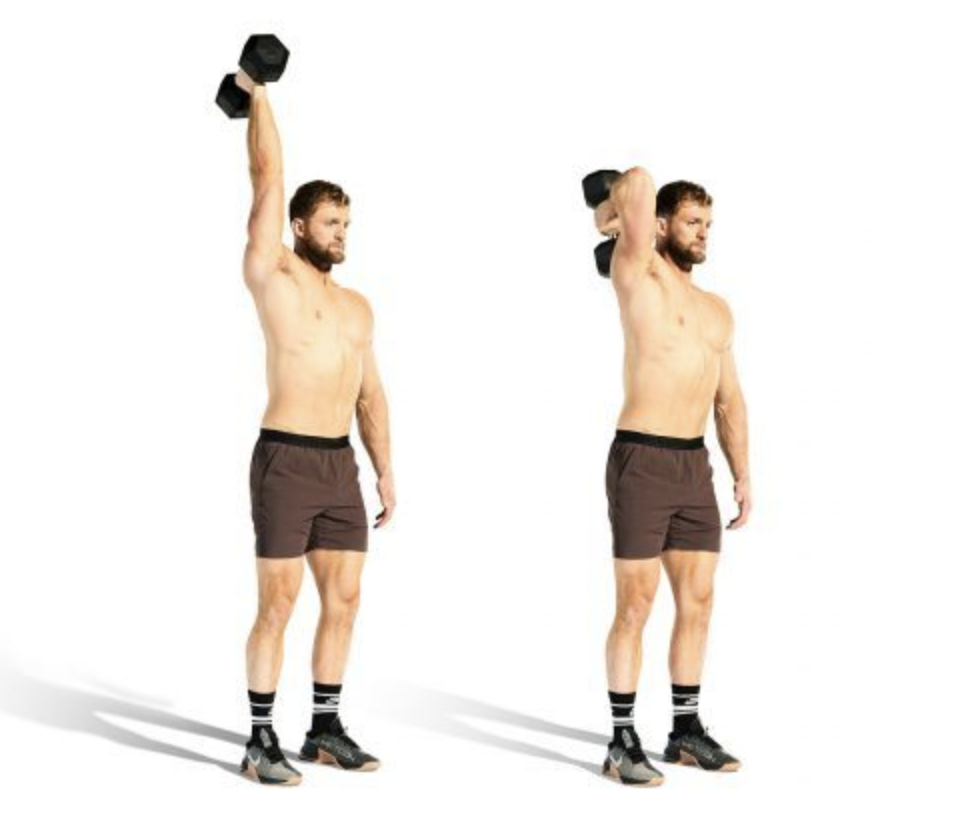
Credit: www.menshealth.com
Benefits Of One Dumbbell Workouts
One dumbbell workouts offer many benefits for all fitness levels. They make exercise simple and effective. Using a single dumbbell helps focus on form and control. This type of workout fits easily into any routine.
With just one dumbbell, you can build strength, improve balance, and save space. It suits beginners and experienced lifters alike. Let’s explore why one dumbbell workouts are a smart choice.
Convenience And Cost-effectiveness
One dumbbell saves money and space. It costs less than a full set of weights. You can store it anywhere at home. No need for a big gym or many tools. Easy to use anytime, even in small rooms.
Versatility In Exercises
One dumbbell allows many exercise types. You can do presses, rows, squats, and swings. It works many muscle groups in one session. Change grips and angles to target different areas. Perfect for full-body workouts with one tool.
Improved Balance And Coordination
Using one dumbbell challenges your body to stay stable. It forces your core and smaller muscles to work harder. This helps improve balance and coordination. Better control reduces injury risk. It builds strength evenly on both sides.
Choosing The Right Dumbbell
Choosing the right dumbbell is key for a good workout. The right dumbbell fits your strength and goals. It helps you exercise safely and effectively. Picking wisely saves money and space too.
Weight Selection Tips
Start with a weight that feels challenging but allows good form. Pick a dumbbell you can lift 8 to 12 times without losing control. Choose a lighter weight for smaller muscles and a heavier one for big muscles. Change weight as you get stronger to avoid plateaus.
Adjustable Vs Fixed Dumbbells
Fixed dumbbells have one weight and are simple to use. They are good for beginners and quick workouts. Adjustable dumbbells let you change the weight with a dial or plates. They save space and money if you want many weights. Choose based on your budget, space, and workout needs.
Full-body Workout Plan
A full-body workout plan with one dumbbell can be simple and effective. It targets all major muscle groups using just one piece of equipment. This plan saves space and time while helping you build strength and endurance.
Each section focuses on specific body parts. Combine these exercises for balanced fitness and better results.
Upper Body Exercises
Start with dumbbell rows to work your back and arms. Perform shoulder presses to strengthen your shoulders. Try bicep curls for your arms and tricep extensions for the back of your arms. These moves improve upper body strength and muscle tone.
Lower Body Moves
Squats with the dumbbell help build leg muscles and stability. Lunges add balance and target your thighs and glutes. Deadlifts work your hamstrings and lower back. These exercises develop strong legs and improve posture.
Core Strengthening
Use the dumbbell for Russian twists to engage your obliques. Hold it during sit-ups for added resistance. Try dumbbell side bends to strengthen your waist. These moves improve balance and support your spine.
Cardio And Conditioning
Add dumbbell swings to increase heart rate and burn calories. Incorporate dumbbell snatches for power and speed. Use quick goblet squats for endurance. These exercises boost your cardio fitness while building muscle.

Credit: www.peanutbutterrunner.com
Exercise Demonstrations
Using one dumbbell can give you a strong, full-body workout. You can work many muscles with simple moves. Below are easy exercises. Each uses just one dumbbell. Follow these to build strength and improve fitness.
These exercises target different muscle groups. They help with balance, power, and endurance. Start with light weight. Increase it as you get stronger.
Squat To Press
Hold the dumbbell close to your chest. Squat down slowly, keeping your back straight. Stand up and press the dumbbell above your head. Lower it back to your chest. Repeat for 10-12 reps. This move works legs and shoulders.
Single-arm Rows
Place one hand and knee on a bench. Hold the dumbbell in the other hand. Pull the dumbbell up toward your waist. Lower it slowly. Do 10-12 reps on each side. This targets your back and arms.
Goblet Squats
Hold the dumbbell vertically close to your chest. Stand with feet shoulder-width apart. Squat down until your thighs are parallel to the floor. Push back up to standing. Repeat 10-15 times. Great for legs and core.
Dumbbell Swings
Hold the dumbbell with both hands. Swing it between your legs, then up to chest height. Use your hips to drive the movement. Keep your back straight. Do 15-20 swings. This move boosts power and cardio fitness.
Russian Twists
Sit on the floor with knees bent. Hold the dumbbell with both hands in front. Lean back slightly. Twist your torso to the right, then to the left. Do 20 twists. This exercise strengthens your core muscles.
Workout Tips And Safety
Working out with one dumbbell can be effective and safe with the right tips. Safety matters to avoid injuries. Following proper steps helps you get the best results. Keep attention on form, mistakes, and warm-up routines.
Proper Form Guidelines
Hold the dumbbell firmly to keep control. Keep your back straight during exercises. Avoid locking your joints to protect them. Move slowly and with control for each repetition. Focus on balanced muscle use on both sides. Stop if you feel pain or discomfort.
Avoiding Common Mistakes
Do not lift too heavy too soon. Avoid swinging the dumbbell to cheat reps. Keep your core tight to support your body. Don’t hold your breath while lifting. Use both arms equally to prevent muscle imbalance. Rest between sets to recover muscles.
Warm-up And Cool-down Routines
Start with light cardio like walking or jogging. Stretch your arms, shoulders, and legs before the workout. Warm muscles reduce injury risk and improve movement. After workout, stretch slowly to relax muscles. Cooling down helps lower heart rate safely. Hydrate well during and after exercise.
Progression And Variation
Progression and variation keep your workouts effective with one dumbbell. They help your muscles grow stronger and avoid boredom. Changing how you exercise challenges your body in new ways. This keeps your fitness journey interesting and rewarding.
Increasing Intensity
Increase the dumbbell weight as you get stronger. Use heavier weights to push your muscles harder. You can also slow down each movement to make it tougher. Adding intensity helps build muscle and burn more calories.
Adding Reps And Sets
Do more repetitions with the same weight to improve endurance. Add extra sets to extend your workout time. This simple change boosts your stamina and strength. Gradually increasing reps and sets makes your muscles work harder.
Incorporating Tempo Changes
Change the speed of your exercises to challenge muscles differently. Try slower lifting and lowering phases for more control. Speeding up can improve power and agility. Tempo changes keep your routine fresh and effective.

Credit: www.youtube.com
Frequently Asked Questions
Can I Build Muscle With One Dumbbell Only?
Yes, you can build muscle using one dumbbell. Focus on unilateral exercises to target each side evenly and increase weight gradually.
What Are Effective One-dumbbell Exercises?
Effective exercises include goblet squats, single-arm rows, overhead presses, and dumbbell swings. They work multiple muscle groups efficiently.
Is One Dumbbell Enough For Full-body Workouts?
One dumbbell can provide a full-body workout. Combining compound movements and varied reps targets different muscles well.
How To Avoid Muscle Imbalance With One Dumbbell?
Perform equal reps on both sides. Focus on form and control to maintain balanced strength development.
Conclusion
Working out with one dumbbell is practical and effective. You can target many muscles with simple moves. It saves space and costs less than full sets. Balance and control improve as you switch arms. Consistency matters most for better strength and fitness.
Start light and increase weight as you grow stronger. This approach suits beginners and those with limited gear. Keep your routine varied to avoid boredom and plateaus. One dumbbell can support a full-body workout plan. Give it a try and feel the difference yourself.