Are you looking for a way to boost your glute workout without heavy gym equipment? You might be wondering, can you do hip thrusts with dumbbells?
The good news is, yes—you can! Using dumbbells for hip thrusts is a smart, effective way to build strength and shape your hips right at home or wherever you train. Keep reading to discover how this simple tool can transform your routine and help you get the results you want faster than you thought possible.
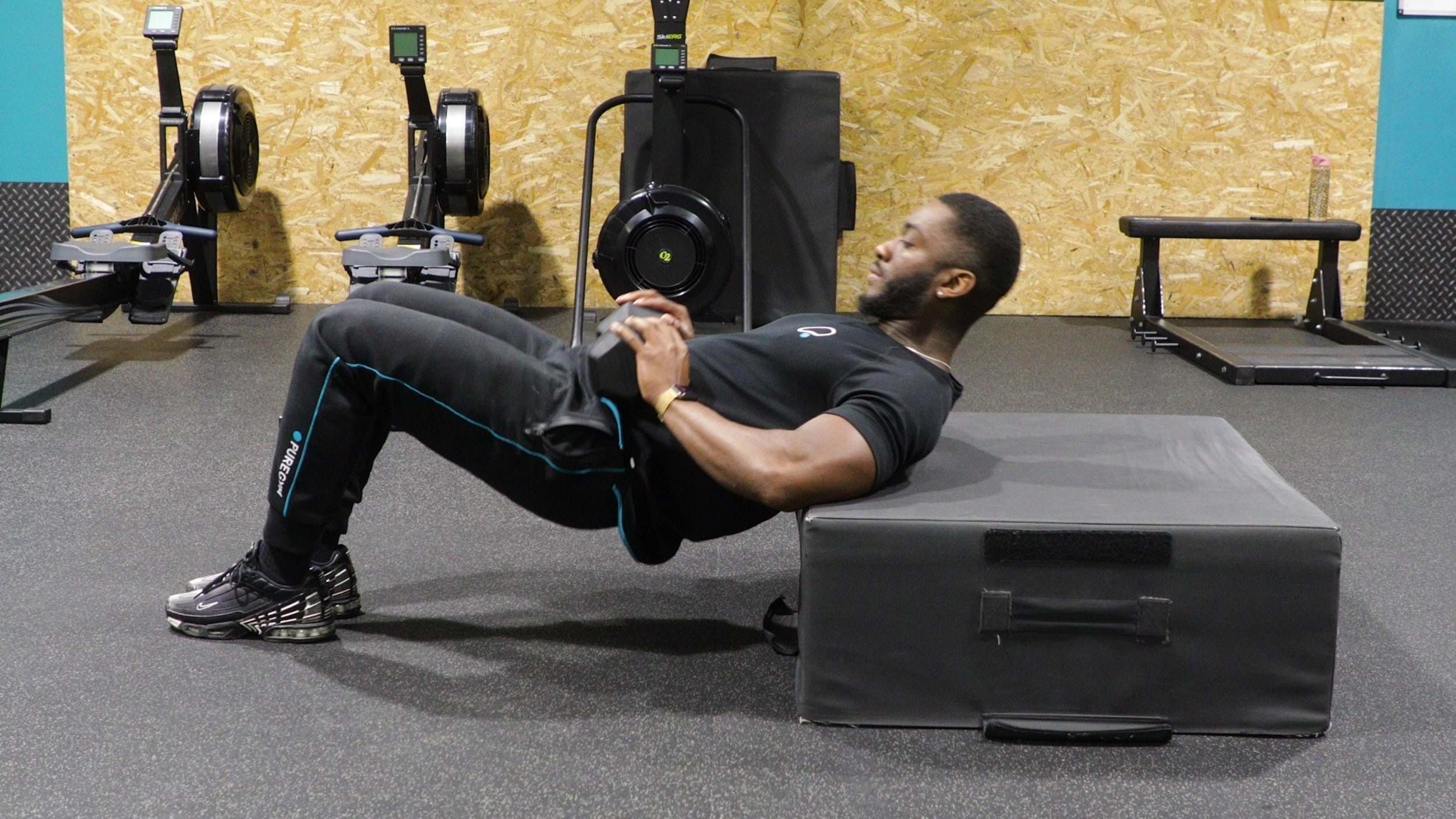
Credit: www.puregym.com
Benefits Of Hip Thrusts
Hip thrusts are a powerful exercise for building strong hips and glutes. They help improve posture and reduce lower back pain. This move is simple and safe, making it great for many fitness levels.
Using dumbbells for hip thrusts adds resistance. It helps increase strength and muscle size. You can do this exercise almost anywhere, needing only a bench and dumbbells.
Muscle Groups Targeted
Hip thrusts mainly work the glute muscles. These include the gluteus maximus, medius, and minimus. The exercise also activates the hamstrings and lower back muscles. Core muscles engage to keep balance during the lift. This makes hip thrusts a full lower body workout.
Improved Athletic Performance
Strong hips improve running speed and jumping power. Hip thrusts help athletes move better and avoid injuries. This exercise strengthens the muscles used in many sports. It also enhances balance and stability. Hip thrusts with dumbbells help athletes train harder and recover faster.

Credit: liftmanual.com
Using Dumbbells For Hip Thrusts
Dumbbells are a great tool for hip thrusts. They add resistance to help build stronger glutes and hips. Many people prefer dumbbells because they are easy to use and widely available. You can do hip thrusts at home or the gym with dumbbells.
Using dumbbells requires some care to keep the exercise safe and effective. Proper weight choice and placement are very important. These factors help prevent injury and improve your workout results.
Choosing The Right Dumbbell Weight
Select a dumbbell weight that challenges you but does not strain your muscles too much. Start with a lighter weight to learn the movement. Increase the weight gradually as your strength improves. Avoid weights that cause pain or poor form.
For beginners, 10 to 20 pounds is a good start. Experienced lifters can use heavier dumbbells. The key is to feel muscle effort without losing control or balance.
Placement Techniques For Safety
Place the dumbbell on your hips, just above the pelvic bone. Use a thick mat or towel under the dumbbell for comfort. Hold the dumbbell firmly with your hands to keep it steady. Avoid placing the dumbbell directly on your stomach or lower back.
Keep your back flat on the bench and feet flat on the floor. This position helps protect your spine. Move slowly and control the dumbbell during the thrust. Good placement reduces the risk of injury and makes the exercise more effective.
Step-by-step Hip Thrust With Dumbbells
Performing hip thrusts with dumbbells is a great way to strengthen your glutes and hips. This exercise targets the lower body effectively. It helps build strength and improve posture. Below is a clear, step-by-step guide to doing hip thrusts with dumbbells safely and correctly.
Starting Position
Sit on the floor with your upper back against a bench. Bend your knees and place your feet flat on the ground, hip-width apart. Hold a dumbbell on your hips with both hands, keeping it steady. Keep your chin tucked slightly to avoid neck strain. Make sure your shoulders stay on the bench throughout the movement.
Executing The Thrust
Push through your heels to lift your hips towards the ceiling. Squeeze your glutes at the top of the movement. Your body should form a straight line from shoulders to knees. Hold this position for a moment, then slowly lower your hips back down. Keep the dumbbell balanced on your hips the entire time. Repeat for the desired number of reps.
Common Mistakes To Avoid
Do not overarch your lower back at the top. Avoid pushing through your toes instead of your heels. Keep your feet flat and stable to prevent knee strain. Do not let the dumbbell slip or move during the exercise. Avoid letting your chin lift too much; keep it tucked. Maintain control throughout the entire movement for best results.
Tips To Maximize Strength Gains
Maximizing strength gains with hip thrusts using dumbbells requires smart training methods. Focusing on technique and workout design helps boost muscle growth and power. Small changes in training can lead to big improvements over time.
Progressive Overload Strategies
Progressive overload means gradually increasing the weight or reps. Start with a dumbbell weight that challenges you but allows good form. Add more weight in small steps as you get stronger. Increasing the number of reps or sets also helps. This constant challenge forces muscles to grow.
Track your progress to avoid plateaus. Change your tempo by slowing down the lowering phase of the thrust. This increases muscle tension and improves strength. Rest between sets should be enough to recover but not too long to lose intensity.
Combining With Other Exercises
Hip thrusts work best with other lower body exercises. Squats, lunges, and deadlifts complement dumbbell hip thrusts well. These moves target different muscles and improve overall leg and glute strength.
Include core exercises to support your hip thrusts. A strong core stabilizes your body and helps lift heavier weights safely. Mix in some cardio for better endurance and recovery. A balanced workout plan speeds up strength gains.
Modifications For Different Fitness Levels
Modifying hip thrusts with dumbbells helps people at all fitness levels. It lets beginners start safely and lets advanced users stay challenged. Adjusting the weight, position, and technique can fit personal strength and skill. This approach supports steady progress and reduces injury risk.
Beginner Variations
Start with bodyweight hip thrusts to learn the movement. Use a light dumbbell placed on your hips for added resistance. Keep your feet flat and shoulder-width apart. Focus on squeezing your glutes at the top. Perform fewer repetitions and rest between sets. Use a bench or step for back support. This helps maintain proper form and balance.
Advanced Techniques
Hold heavier dumbbells on your hips to increase resistance. Try single-leg hip thrusts to target each side separately. Add a pause at the top to boost muscle activation. Use a slow tempo to increase time under tension. Combine hip thrusts with other moves like squats or lunges. This challenges your muscles and improves strength.
Safety Precautions
Safety is key when doing hip thrusts with dumbbells. Using dumbbells adds weight and challenge. This increases the risk of injury without the right care. Follow safety steps to protect your body and get good results.
Preventing Lower Back Strain
Keep your lower back safe during hip thrusts. Place your upper back on a bench for support. Engage your core muscles before lifting the dumbbell. Avoid arching your lower back too much. Lift with control and avoid sudden moves. Stop if you feel pain or discomfort.
Proper Warm-up And Cool-down
Start with a warm-up to prepare your muscles. Do light cardio or dynamic stretches for 5 to 10 minutes. This helps increase blood flow and reduce injury risk. After your workout, cool down with gentle stretches. Focus on your glutes, hips, and lower back. This improves flexibility and helps your muscles recover.

Credit: www.youtube.com
Frequently Asked Questions
Can You Do Hip Thrusts With Dumbbells Safely?
Yes, you can safely perform hip thrusts with dumbbells. Use a padded dumbbell and maintain proper form to avoid injury.
Are Dumbbells Effective For Hip Thrust Exercises?
Dumbbells effectively add resistance to hip thrusts. They help build glute strength and improve hip thrust performance.
How To Position Dumbbells During Hip Thrusts?
Place the dumbbell over your hips, holding it securely with both hands. Use a pad for comfort and stability.
Can Dumbbells Replace Barbells For Hip Thrusts?
Dumbbells can replace barbells for hip thrusts, especially at home. However, barbells allow heavier weights and may be more stable.
Conclusion
Dumbbells work well for hip thrust exercises at home or gym. They add good resistance to build strong glutes and hips. Use proper form to avoid injury and get best results. Start with light weights, then increase slowly as you get stronger.
Dumbbell hip thrusts fit easily in many workout routines. Try this simple move to strengthen your lower body. Feel confident and steady with every lift. Keep practicing and enjoy the benefits of stronger hips.