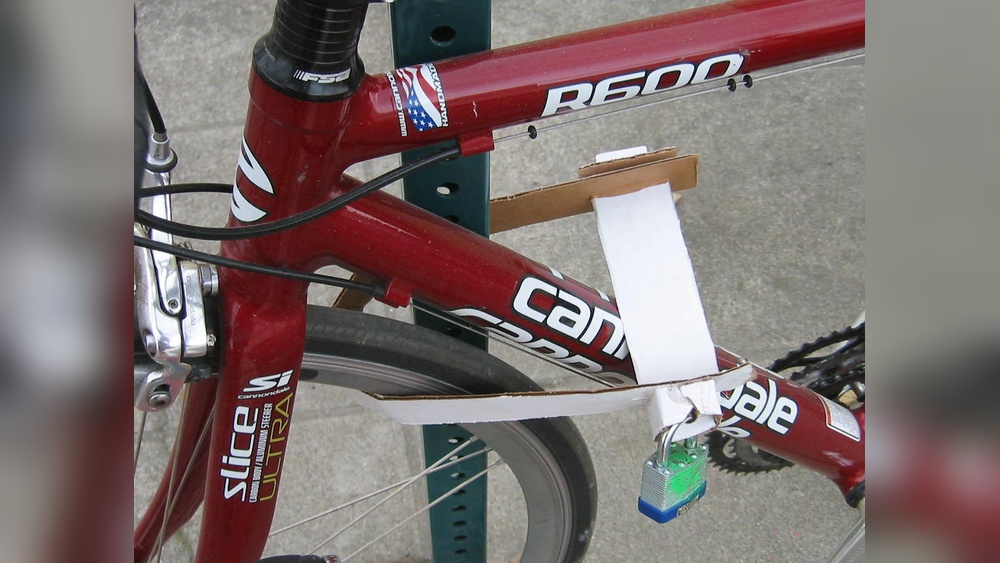
Have you ever wondered if you could make your own bike lock? Imagine having a lock that fits your bike perfectly and saves you money at the same time.
You might think it’s complicated or unsafe, but what if it’s easier than you expect? You’ll discover simple steps and smart tips to create a bike lock that keeps your ride secure. Keep reading—you might be surprised at how doable this project really is.
Choosing Materials
Choosing the right materials is key to making a strong bike lock. The materials decide how safe and durable your lock will be. Picking good metals and tools helps create a lock that stands up to theft attempts. You also need to stay safe while working on your lock.
Types Of Metal For Locks
Steel is the best metal for bike locks. It is strong and hard to cut. Hardened steel adds extra protection against saws and bolt cutters. Avoid soft metals like aluminum. They break easily and do not protect your bike well. Look for metals that resist rust. Rust weakens the lock over time.
Tools You Need
Basic tools include a metal saw and a drill. A welding machine helps join parts together. Files smooth rough edges for safe handling. Pliers and wrenches hold pieces tightly. Use measuring tape for exact cuts. Having the right tools makes your lock sturdy and precise.
Safety Gear Essentials
Wear gloves to protect your hands from cuts. Safety glasses shield your eyes from metal shards. Use ear protection if you work with loud tools. A mask stops you from breathing metal dust. Working safely prevents injuries and helps you focus better.
Designing Your Lock
Designing your own bike lock is a creative way to keep your bike safe. It lets you choose the parts and features that fit your needs best. Focus on key design areas to build a lock that works well and is easy to use.
Think about the lock’s mechanism, size, and security features. Each choice affects how strong and practical your lock will be. Take time to plan these details carefully.
Lock Mechanism Options
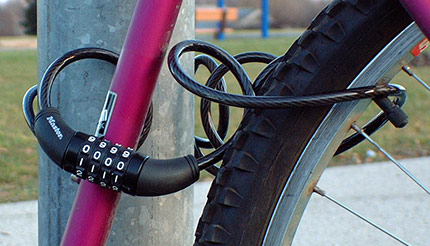
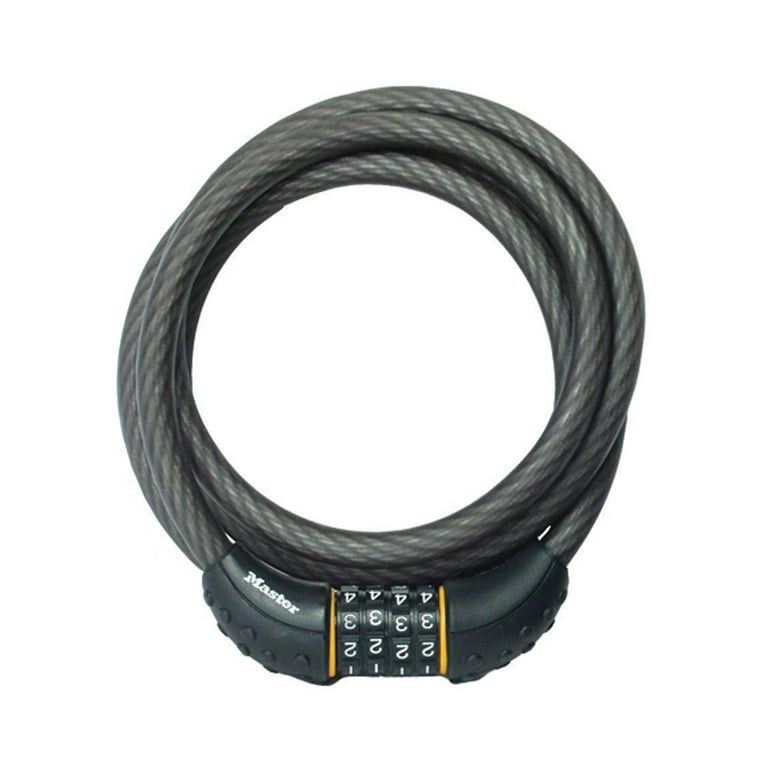
Choose from several types of lock mechanisms. Cable locks use flexible steel cables and are easy to carry. U-locks offer strong protection with a rigid metal bar. Combination locks let you set a code, avoiding keys. Pick the mechanism that feels right for your daily use.
Size And Portability
Keep the lock small enough to carry easily. A bulky lock can be annoying and heavy. Measure your bike and choose a size that fits your frame. Portability helps you take the lock anywhere without trouble. Balance size with strength for the best design.
Security Features To Include
Add features that make your lock hard to break. Use hardened steel parts to resist cutting. Include a weatherproof cover to protect the lock from rain. A double-locking mechanism can stop thieves from prying. Simple but strong features make your lock safer.
Step-by-step Construction
Building your own bike lock is a rewarding project. It helps you understand how locks work. Following clear steps ensures your lock is strong and reliable. This guide breaks down the process into simple parts.
Cutting And Shaping Metal
Start with metal pieces like steel or iron. Cut them to the right size using a hacksaw or metal cutter. Shape the metal using a file or grinder. Make sure edges are smooth to avoid injuries. The metal must fit together tightly for security.
Assembling The Parts
Gather all cut and shaped metal pieces. Connect them using bolts, screws, or welding. Create a locking mechanism with a small latch or pin. Check that all parts move smoothly but stay secure. Assembly needs patience and careful fitting.
Testing The Lock Functionality
Test the lock by closing and opening it several times. Make sure the latch holds firmly without slipping. Try to force it open to check strength. Adjust any loose parts for better security. Proper testing avoids lock failure later.
Credit: www.masterlock.com
Enhancing Security
Enhancing the security of a homemade bike lock is crucial. A simple lock might not stop a thief. Adding layers of protection helps keep the bike safe. Small improvements make a big difference. Below are some ways to boost your bike lock’s security.
Adding Anti-theft Coatings
Applying anti-theft coatings can make your lock harder to break. These coatings create a tough surface that resists cutting tools. Some coatings also prevent rust, which weakens locks over time. Use spray-on or brush-on coatings for easy application. A strong coating adds an extra barrier against thieves.
Using Reinforced Chains
Reinforced chains are thicker and stronger than regular ones. They resist sawing and cutting tools better. Choose chains made from hardened steel for the best protection. Cover chains with fabric sleeves to avoid scratching your bike. Reinforced chains make your homemade lock much tougher.
Combining With Other Security Measures
Using your lock with other security tools increases safety. Attach a GPS tracker to your bike for location tracking. Park in well-lit and busy areas to deter thieves. Use multiple locks to secure different parts of the bike. Combining measures creates a stronger defense.
Maintenance Tips
Keeping your bike lock in good shape helps protect your bike better. Simple care can stop problems before they start. Follow these tips to keep your lock working smoothly.
Regular Cleaning
Remove dirt and dust from your lock often. Use a soft cloth and mild soap with water. Avoid harsh chemicals that can damage the lock’s surface. Dry the lock well to stop rust from forming.
Lubricating Moving Parts
Apply a small amount of lubricant to the keyhole and shackle. Use a lubricant made for locks or light oil. This helps the lock open and close easily. Do this every few months or after rain.
Inspecting For Wear And Tear
Check your lock for signs of damage regularly. Look for rust, cracks, or loose parts. Replace the lock if it shows serious wear. A damaged lock may not protect your bike properly.

Credit: www.youtube.com
When To Choose Store-bought Locks
Making your own bike lock can be fun and creative. It may work for low-risk places or short stops. But for daily use or high-theft areas, store-bought locks offer better protection. These locks are tested and built to stop thieves. Knowing when to choose them helps keep your bike safe.
Store-bought locks also save time and effort. They come ready to use with no need for tools or skills. For serious bike security, these locks give peace of mind.
Limitations Of Diy Locks
DIY locks often lack strength. Homemade materials may break or cut easily. They usually do not fit all bike frames well. Many DIY designs miss key security features. Thieves can spot weak locks and target them first. These locks may not survive bad weather or rust.
Cost Vs. Security Comparison
DIY locks cost less but offer low security. Store-bought locks have higher prices but stronger protection. Investing a bit more can prevent bike theft. Cheap locks can lead to bigger losses if stolen. Spending wisely on security saves money over time.
Reliable Brands To Consider
Brands like Kryptonite, Abus, and OnGuard make strong locks. They use tough materials and smart designs. These brands test locks against cutting and picking tools. Many come with theft protection guarantees. Choosing a known brand improves your bike’s safety.
Credit: www.walmart.com
Frequently Asked Questions
Can I Make A Bike Lock At Home Easily?
Yes, you can make a basic bike lock at home using metal chains and a padlock. However, homemade locks may lack strong security features compared to commercial locks.
What Materials Are Needed To Create A Diy Bike Lock?
You typically need a sturdy metal chain, a strong padlock, and possibly some protective covering. Quality materials ensure better security and durability for your homemade lock.
Are Homemade Bike Locks As Secure As Store-bought Ones?
Homemade locks often provide limited security and can be easier to break. Store-bought locks use advanced materials and technology, offering stronger protection for your bike.
How Much Does It Cost To Make Your Own Bike Lock?
Making your own bike lock can cost between $10 to $30, depending on materials. This is usually cheaper than high-end commercial locks but may compromise security.
Conclusion
Making your own bike lock can be a fun and useful project. It saves money and lets you customize your lock. Keep in mind, homemade locks may not be as strong as store-bought ones. Always check your lock for weak spots before use.
A good lock helps keep your bike safe. Think about your needs and tools before starting. With some effort, you can create a lock that works well for you. Stay safe and enjoy your ride!


