Are you worried about leaving your bike unattended? You might be wondering if using a chain to lock your bike is a smart choice.
After all, you want to keep your bike safe without spending a fortune. But does a chain really offer the protection you need? You’ll discover the truth about using chains for bike security. By the end, you’ll know exactly what works and what doesn’t—so you can protect your bike with confidence.
Keep reading to find out if a chain is the right lock for you.
Types Of Bike Chains
Choosing the right bike chain is important for securing your bike effectively. Chains come in different types, each with unique features. Knowing these differences helps you pick the best chain for your bike lock.
Material Differences
Bike chains are made from various materials. Steel is the most common and offers strong protection. Some chains use hardened steel for extra strength. Others may have alloy metals to reduce weight. Steel chains resist cutting and sawing better than softer metals.
Chain Thickness And Length
Thicker chains provide better security. Thin chains break easily and do not protect well. Length matters too. Longer chains allow more locking options but can be heavier. Choose a length that fits your locking needs without adding too much weight.
Coated Vs. Uncoated Chains
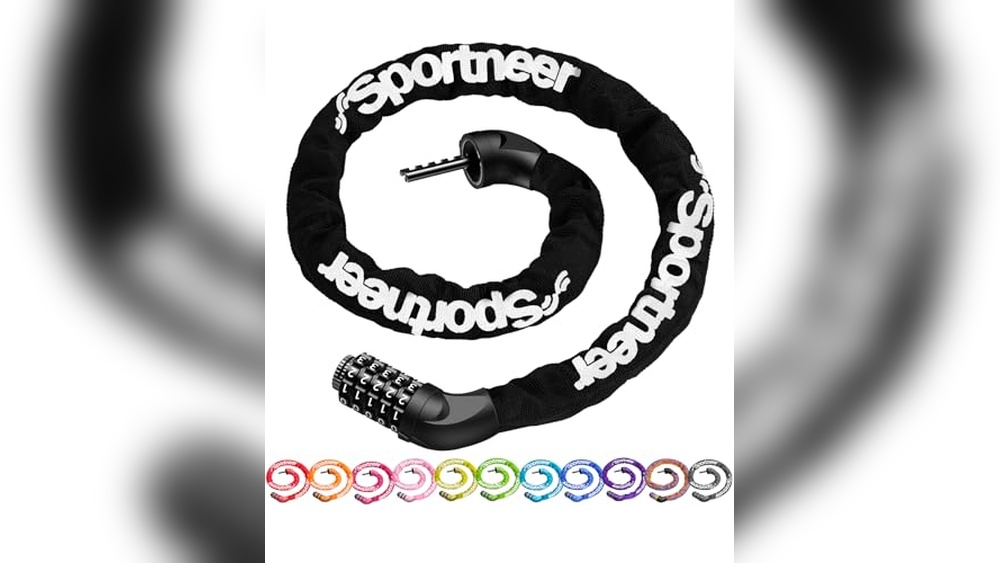
Coated chains have a protective layer, usually plastic or rubber. This coating prevents scratches on your bike frame. Uncoated chains are bare metal and can scratch paint. Coated chains resist rust better, extending chain life outdoors.

Credit: thebestbikelock.com
Strength And Security Levels
Choosing the right chain to lock your bike depends on its strength and security levels. These factors decide how well your bike stays safe from thieves. Not all chains offer the same protection. Understanding these aspects helps you pick a chain that suits your needs.
Resistance To Cutting Tools
Strong chains resist cutting tools like bolt cutters and saws. Hardened steel chains are harder to cut. Thicker chains usually take more time to break. Thieves often use sharp tools to cut chains quickly. A chain that resists these tools adds more security to your bike.
Lock Mechanisms Compatibility
Chains must work well with your bike lock. Some chains fit only specific lock types. Choose a chain that matches your lock’s size and shape. A good fit prevents easy tampering or removal. Compatibility helps keep your bike secured firmly.
Common Weak Points
Chains have weak points where they break easily. Links made from soft metal or thin material fail faster. The lock connection area is often a target. Poor welds or joints reduce chain strength. Spotting these weak points helps avoid weak chains and protects your bike better.
Proper Chain Usage
Using a chain to lock your bike can be effective if done correctly. Proper chain usage helps keep your bike safe from thieves. It also makes your lock stronger and harder to break.
Paying attention to how you use the chain matters a lot. Small steps in locking can make a big difference. Learn the right ways to lock your bike with a chain.
Locking Techniques
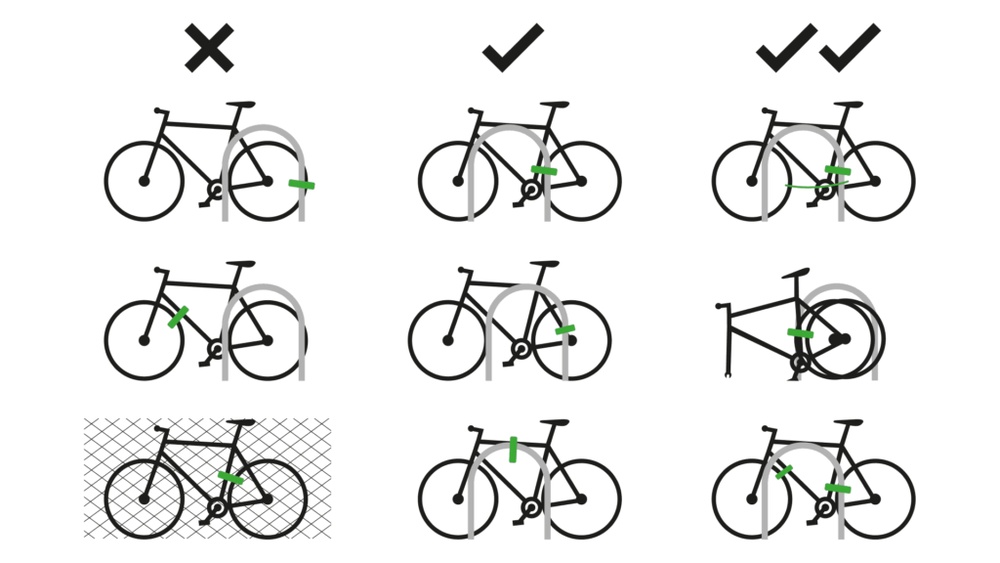
Wrap the chain tightly around the bike frame and wheel. Avoid leaving slack that thieves can use to pry open. Use the thickest part of the chain near the lock. Lock through the frame, not just the wheel.
Choosing Secure Anchor Points
Pick a solid, fixed object to lock your bike to. Metal poles or bike racks work well. Avoid objects that can be cut or moved easily. The anchor should not be too thin or weak.
Avoiding Ground Contact
Keep the chain and lock off the ground. Chains on the ground are easier to cut. Lock the bike higher up to reduce risk. This simple step improves the security of your bike.
Credit: bikepgh.org
Comparing Chains With Other Locks
Choosing the right lock can protect your bike from theft. Chains are one option. They offer flexibility and strength. Comparing chains with other locks helps find the best choice. Each lock type has pros and cons. Understanding these helps you pick what fits your needs and budget.
Chain Vs. U-locks
Chains are flexible and can secure bikes to odd shapes. U-locks are rigid and strong. They resist cutting better than most chains. Chains can be heavier than U-locks. U-locks are easier to carry but limit locking options. Chains offer more length but may need a bigger lock.
Chain Vs. Cable Locks
Cable locks are light and easy to carry. Chains are heavier but stronger. Cables are easy to cut with wire cutters. Chains resist cutting better with thick links. Cable locks work for low-risk areas. Chains suit higher-risk spots where security matters more.
Chain Vs. Folding Locks
Folding locks fold into a compact shape. Chains are flexible and wrap around objects easily. Folding locks are lighter than chains. Chains offer longer reach for locking to large objects. Folding locks can be strong but depend on link size. Chains often provide better protection against heavy tools.
Maintenance Tips For Chains
Maintaining your bike chain is key to keeping your bike secure and working well. A well-kept chain lasts longer and stays strong. Follow simple steps to keep it clean and protected from damage. These tips help prevent rust, keep the chain smooth, and spot problems early.
Preventing Rust And Corrosion
Rust weakens the chain and makes it easy to break. Keep the chain dry and clean after rides in rain or mud. Store your bike in a dry place to avoid moisture. Use a rust-resistant spray or coating for extra protection. Wipe off dirt and water quickly to stop rust from forming.
Lubrication Best Practices
Lubrication keeps the chain moving smoothly and stops wear. Use bike-specific lubricants, not oil or grease. Apply a small drop on each chain link and let it soak in. Wipe off extra lubricant to avoid attracting dirt. Repeat lubrication every few weeks or after wet rides.
Regular Inspection For Wear
Check your chain often for signs of wear or damage. Look for stiff links, rust, or stretched parts. Replace the chain if it looks worn or loose. A worn chain can break or harm other bike parts. Regular checks save money and keep your bike safe.
Common Mistakes To Avoid
Locking your bike with a chain seems simple. Many make mistakes that make the lock less safe. Avoid these common errors to keep your bike secure. Small changes can make a big difference.
Using Weak Chains
Weak chains break easily. Thin or rusty chains attract thieves. Choose thick, strong chains made of hardened steel. A strong chain holds better and lasts longer.
Poor Locking Placement
Locking only the wheel leaves the frame free. Thieves can steal parts or the whole bike. Always lock the frame and a fixed object. This stops easy bike theft.
Ignoring Lock Quality
Cheap locks often fail fast. Poor quality locks can be cut with simple tools. Invest in a lock tested for strength. A good lock protects your bike better.
Additional Security Measures
Using a chain to lock your bike is a good start for security. Still, taking extra steps helps protect your bike better. These extra steps lower the risk of theft and give you peace of mind. Here are some simple ways to improve your bike’s safety beyond just using a chain.
Using Multiple Locks
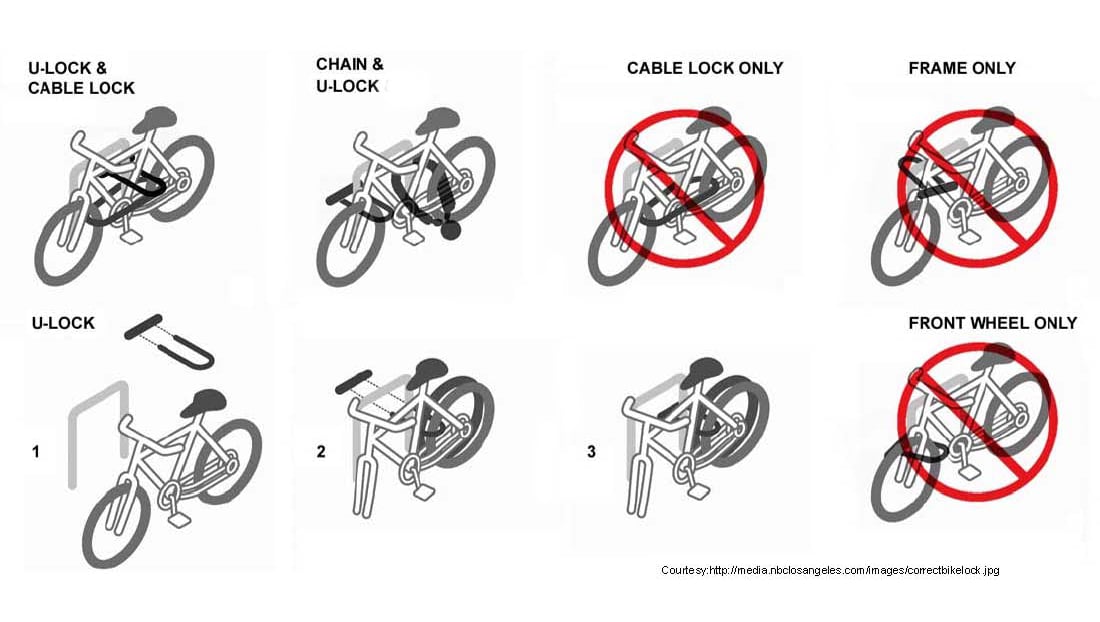
Try using more than one type of lock on your bike. A chain lock combined with a U-lock or cable lock can stop thieves. They need different tools to break each lock. This makes your bike harder to steal. Lock the frame and both wheels to a solid object.
Registering Your Bike
Register your bike with local or online bike registries. This creates a record of your bike’s details. It helps police find your bike if it is stolen. Registration also shows others the bike is owned and tracked. Keep a photo and serial number for proof.
Storing Bikes Safely
Store your bike in a safe place whenever possible. Use locked garages or sheds to keep it out of sight. If indoors is not an option, park in well-lit, busy areas. Avoid leaving your bike in the same spot every day. Changing locations can make theft less likely.

Credit: www.stolenride.co.uk
Frequently Asked Questions
Can You Use Any Chain To Lock Your Bike?
Not all chains are suitable for bike security. Heavy-duty, hardened steel chains offer better protection. Lightweight or decorative chains are easy to cut and less secure.
Are Chain Locks Better Than Cable Locks For Bikes?
Yes, chain locks are generally stronger and harder to cut than cable locks. They provide better theft resistance, especially with thicker links and quality materials.
How Long Should A Bike Chain Lock Be?
A good bike chain lock should be at least 3 feet long. This length allows you to secure your bike to various fixed objects easily.
Can Chain Locks Prevent Bike Theft Effectively?
Chain locks provide good theft deterrence if made from hardened steel. However, no lock is completely theft-proof; always combine with other security measures.
Conclusion
Using a chain to lock your bike can offer good protection. Choose a strong, thick chain with a reliable lock. Always secure your bike to a fixed object. Remember, no lock is completely theft-proof. A quality chain lock reduces the risk of theft greatly.
Stay alert and park in safe, visible areas. Protect your bike with smart choices every time.