
Imagine you’re ready to ride, but your bike lock is frozen solid. Frustrating, right?
You don’t want to waste time struggling with a stuck lock or risk damaging it. What if you could stop this problem before it even starts? You’ll discover simple, effective ways to keep your bike lock working smoothly all winter long.
Keep reading, and you’ll never have to worry about a frozen lock ruining your ride again.
Causes Of Bike Lock Freezing
Bike locks freeze because of water and cold temperatures. Water gets inside the lock and turns into ice. Ice blocks the lock’s moving parts. This makes it hard or impossible to open the lock. Knowing what causes freezing helps prevent it.
Moisture And Cold Weather
Moisture is the main cause of bike lock freezing. Rain, snow, or humidity can enter the lock. When temperatures drop below zero, water inside the lock freezes. Ice forms and stops the lock from turning. Cold weather makes this problem worse. The colder it is, the faster locks freeze.
Types Of Locks Prone To Freezing
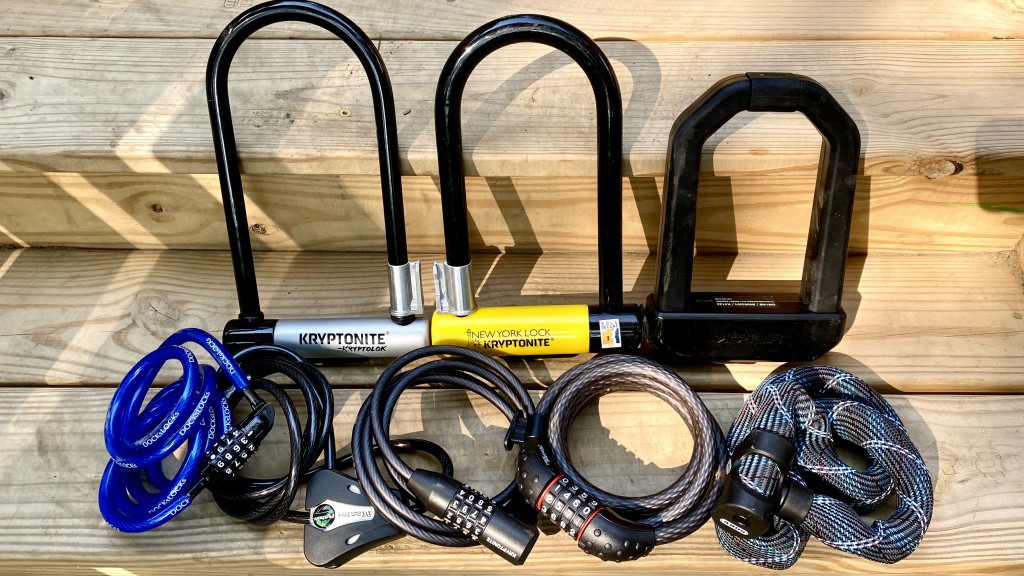
Some locks freeze more than others. Padlocks with keyholes often trap water inside. Cable locks with thin parts also hold moisture. Locks with poor seals allow water to enter easily. Heavy-duty locks usually resist freezing better. Knowing your lock type helps reduce freezing risks.
Credit: www.outdoorgearlab.com
Preventive Measures
Preventive measures help stop your bike lock from freezing in cold weather. Taking simple steps keeps your lock working well and saves time. These tips reduce moisture and protect the lock from ice buildup.
Keep The Lock Dry
Moisture causes locks to freeze quickly. Wipe your lock after rain or snow to remove water. Store the bike in a dry place if possible. Avoid leaving the lock on the ground where water collects.
Use Protective Covers
Covering the lock blocks snow and rain. Use a small waterproof cover or plastic bag. Make sure the cover fits tightly to keep moisture out. This simple step reduces ice formation inside the lock.
Apply Lubricants Regularly
Lubricants prevent rust and reduce freezing inside the lock. Use a silicone-based or graphite lubricant for best results. Apply it every few weeks during winter months. Avoid oil-based lubricants because they attract dirt and can freeze.
Effective Lubricants For Locks
Choosing the right lubricant is key to keeping your bike lock from freezing. A good lubricant helps protect the lock’s internal parts. It stops moisture from building inside. This prevents rust and freezing during cold weather.
Not all lubricants work well for locks. Some can cause sticky residues or attract dirt. The best ones keep the lock smooth and clean. Here are some effective lubricant options to consider.
Graphite Powder
Graphite powder is a dry lubricant. It does not attract dust or dirt. It slides easily inside the lock mechanism. Graphite is ideal for cold and wet conditions. It prevents moisture from freezing inside the lock. Applying graphite powder is simple and mess-free. Just puff a little into the keyhole. Then work the key to spread it evenly.
Silicone-based Sprays
Silicone-based sprays provide a thin, water-resistant layer. They keep moisture out and reduce friction. These sprays are safe for metal and plastic parts. Silicone sprays dry quickly and do not gum up the lock. Use a small amount inside the lock cylinder. Move the key gently to coat all surfaces. This keeps the lock working smoothly in winter.
Avoiding Oil-based Products
Oil-based lubricants may seem helpful but often cause problems. They attract dust and dirt, which can clog the lock. Over time, oil thickens and becomes sticky. This makes the lock hard to open in cold weather. Avoid using WD-40 or cooking oils on your bike lock. These products do not protect well against freezing. Choose dry or silicone-based lubricants instead.
Storage Tips To Avoid Freezing
Preventing your bike lock from freezing starts with smart storage. Proper storage reduces moisture and cold exposure. This keeps your lock working smoothly during winter. Follow these tips to protect your bike lock from ice and damage.
Indoor Storage Options
Storing your bike lock indoors is the best way to avoid freezing. Keep your bike and lock inside a garage, shed, or basement. Indoor spaces are warmer and shielded from snow and rain. This prevents water from entering the lock and freezing inside. If indoor storage is not possible, try to find a covered area. A porch or balcony with a roof can reduce ice buildup on the lock.
Positioning The Lock Properly
How you place your bike lock matters. Hang the lock so it stays off the ground. Avoid placing it where water can pool around it. Position the lock vertically or in a way that water drains out easily. This stops water from collecting and freezing inside the lock mechanism. Also, keep the lock away from direct wind, which can speed up freezing. Proper positioning helps keep the lock dry and ready to use.
Quick Fixes When Lock Is Frozen
Frozen bike locks can stop your ride before it starts. Quick fixes help you thaw the lock fast. These methods use simple tools and safe heat. They protect your lock and get you moving again.
Warm Water Method
Pour warm water over the lock gently. The heat melts the ice inside the lock. Avoid boiling water; it can damage the lock parts. Use water that feels warm to your hand. After a few minutes, try turning the key slowly. Repeat if needed until the lock moves freely.
Using Hand Warmers
Hand warmers create gentle heat around the lock. Wrap the warmer around the frozen lock area. Leave it for 5 to 10 minutes. The warmth softens the ice inside. Check the lock by trying to turn the key carefully. This method is safe and easy on your lock.
Applying Heat Safely
Use a hairdryer on low heat to warm the lock. Keep the dryer moving to avoid overheating. Hold it a few inches away from the lock. Heat melts the ice without harming the lock’s metal. Test the lock by gently turning the key. Stop if you feel resistance and try warming again.

Credit: www.wikihow.life
Maintenance Routine For Bike Locks
Keeping your bike lock in good shape is key to stopping it from freezing. Regular care helps the lock work smoothly in cold weather. A simple routine can save you from stuck locks and lost time.
Regular Cleaning
Clean your bike lock often to remove dirt and grime. Use a soft brush or cloth to clear dust. Avoid water inside the lock to prevent rust. Dirt builds up and can cause the lock to jam.
Wipe the outside and keyhole gently. Make sure no debris stays inside the mechanism. Regular cleaning stops build-up that leads to freezing.
Seasonal Checkups
Check your bike lock at the start of each season. Cold months need extra care to avoid freezing problems. Test the lock and key for smooth action. Look for signs of rust or damage.
Lubricate the lock with a dry lubricant made for locks. Avoid oil-based sprays, as they can attract dust. Seasonal checkups keep the lock ready for use all year.
Credit: www.reddit.com
Frequently Asked Questions
How Can I Stop My Bike Lock From Freezing?
To prevent freezing, lubricate the lock with graphite or silicone spray regularly. Keep the lock covered or indoors during cold weather to avoid moisture buildup.
What Is The Best Lubricant For Bike Locks In Winter?
Graphite powder and silicone-based sprays are best. They repel moisture and prevent ice from forming inside the lock cylinder effectively.
Why Does My Bike Lock Freeze In Cold Weather?
Moisture inside the lock freezes when temperatures drop. This causes the lock mechanism to jam, making it difficult to open or close.
Can I Use Wd-40 To Prevent Bike Lock Freezing?
WD-40 can help displace moisture temporarily but may attract dirt over time. Use a dry lubricant like graphite for long-term protection.
Conclusion
Preventing your bike lock from freezing keeps your ride smooth. Use simple steps like applying lubricant and covering the lock. Store your bike in a dry, warm place when possible. Check the lock regularly to avoid surprises on cold days.
Taking care now saves time and frustration later. Stay prepared and enjoy biking all winter long. Small efforts make a big difference in cold weather. Keep your bike lock working well and ride with ease.


