Are you looking to build your strength but worried about the cost of gym equipment? What if you could create your own dumbbells at home, saving money and customizing the weight just for you?
Imagine having the perfect workout tool right in your hands, made by you, for you. You’ll discover simple ways to make your own dumbbells easily and safely. Keep reading, and you’ll be surprised how quick and affordable it can be to get started on your fitness journey without breaking the bank.
Benefits Of Diy Dumbbells
Making your own dumbbells has many benefits. It saves money and fits your personal needs. You get the tools you want without leaving home. DIY dumbbells bring convenience and flexibility to your workouts. Here are some key advantages of creating your own weights.
Cost Savings
Buying dumbbells can be expensive. Making them yourself uses cheap materials. Old pipes, concrete, and bottles work well. You spend less money on equipment. Save cash for other fitness needs.
Customization Options
DIY dumbbells let you choose the weight. Add or remove materials to match strength. Shape and size fit your hand perfectly. You control how heavy or light they are. This helps improve your workout step by step.
Convenience At Home
Homemade dumbbells stay ready for use anytime. No need to travel or wait for a gym. Work out at your own pace and time. Save time and energy with home fitness tools. Your workout space stays simple and flexible.
Materials Needed
Making your own dumbbells at home is simple and cost-effective. You need a few basic materials to start. Gather what you have and prepare your workspace. Safety matters too. Choose items that are strong and easy to handle. Here is what you will need.
Common Household Items
Start with items like water bottles or cans. These can act as weights when filled. Sandbags or small bags filled with rice also work well. Old metal pipes or wooden rods can serve as handles. Choose items that fit comfortably in your hand.
Tools Required
You will need some basic tools to assemble the dumbbells. A drill helps make holes in pipes or wood. Screwdrivers and wrenches tighten screws and bolts. A measuring tape ensures the right size and balance. Use strong glue or tape to secure parts together.
Safety Gear
Protect yourself while making dumbbells. Wear safety goggles to shield your eyes. Gloves protect your hands from sharp edges. Use a dust mask if drilling or sanding materials. Keep your workspace clean and well-lit for safety.
Simple Diy Dumbbell Ideas
Making your own dumbbells is easy and budget-friendly. You can use simple materials found at home. These DIY dumbbells help you stay active without spending much money. They come in different shapes and weights. Choose the one that fits your needs and start your workout.
Here are some simple DIY dumbbell ideas you can try today.
Water Bottle Dumbbells
Fill plastic water bottles with water or sand for weight. Use bottles of the same size for balance. Hold the bottle by its neck or wrap a cloth around it for grip. This method is quick and works well for light weights. Change the water amount to adjust the weight. These bottles are easy to carry and store.
Concrete Weights
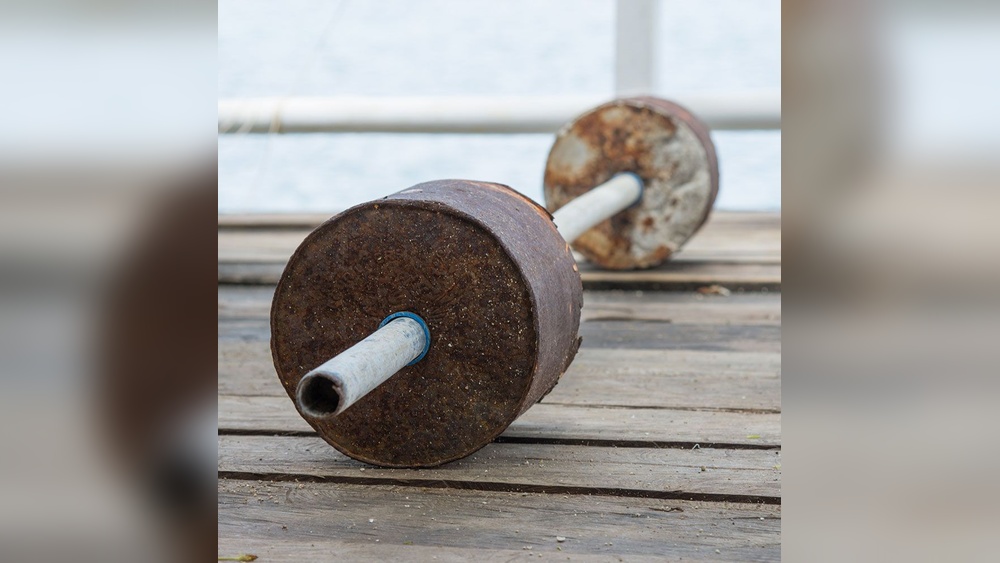
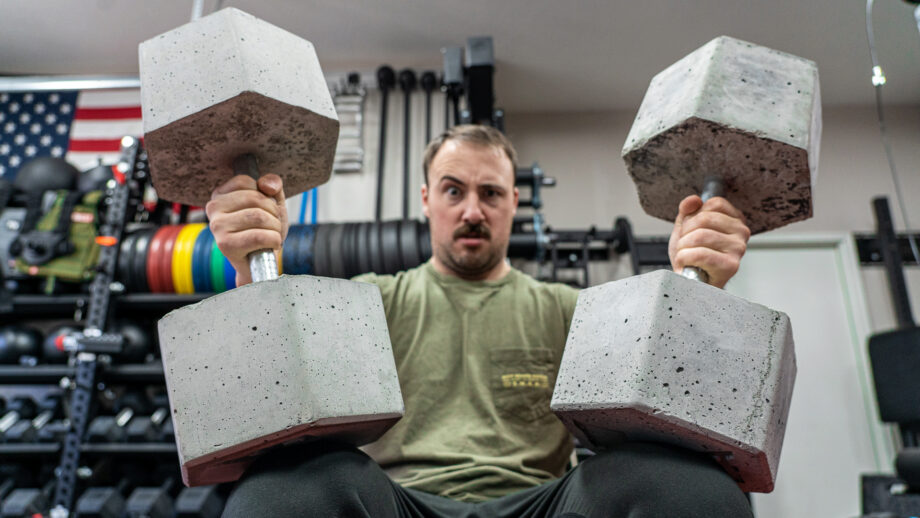
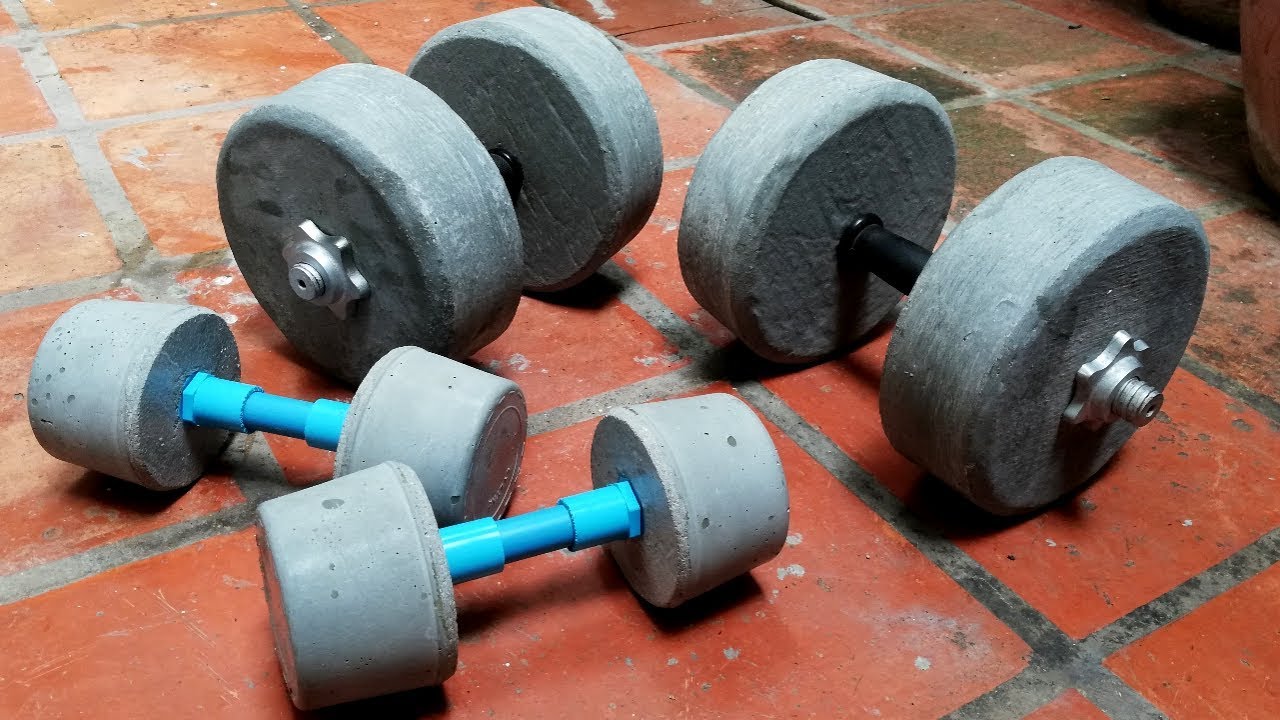
Concrete weights are strong and last long. Use molds like plastic containers or old boxes. Mix cement with water and pour it into the mold. Insert a metal rod or a sturdy stick before it dries. Let the concrete set for 24 hours. Remove the mold carefully. These dumbbells are heavier and good for strength training.
Sand-filled Containers
Sand-filled containers give you custom weight options. Use old plastic bottles, cans, or jars. Fill them with dry sand or wet sand for more weight. Seal the container tightly to avoid spills. You can tape the lid for extra security. These dumbbells are easy to make and change weight anytime.
Credit: www.garagegymreviews.com
Step-by-step Construction
Building your own dumbbells at home is easier than you think. This step-by-step guide helps you create sturdy and safe weights. Follow each step carefully for the best results. You will save money and customize weights to fit your needs.
Preparing Materials
Start by gathering all necessary materials. You will need metal rods or sturdy pipes for handles. Collect weights such as old plates, sandbags, or concrete blocks. Have nuts, bolts, or strong glue ready to secure parts. Prepare tools like a wrench, drill, and tape measure. Clear a workspace to keep everything organized and safe.
Assembly Process
Begin by cutting the rods or pipes to your desired length. Slide weights onto each end of the handle. Make sure weights are balanced on both sides for safety. Use washers if needed to keep weights steady. Check the fit and adjust if weights move too much.
Securing The Weights
Lock weights in place using nuts or bolts on the rod ends. Tighten them firmly with a wrench to avoid slipping. If you use glue, apply it carefully around the weights and let dry completely. Test the dumbbells by lifting gently to ensure parts hold tight. Proper securing prevents accidents during workouts.
Tips For Safe Workouts
Making your own dumbbells can be a fun and cost-effective way to exercise at home. Safety is very important during workouts. Follow these tips to keep your exercises safe and effective.
Checking Stability
Always check your homemade dumbbells before use. Make sure the weights are tightly secured. Test the dumbbells by gently shaking them. If any part feels loose, fix it immediately. Stable dumbbells prevent accidents and injuries. Inspect the materials for cracks or damage regularly.
Proper Handling
Hold the dumbbells firmly with both hands. Avoid sudden or jerky movements. Lift weights slowly and with control. Keep your back straight to avoid strain. Use a spotter if you lift heavy weights. Proper handling reduces the risk of muscle injury.
Storage Suggestions
Store your dumbbells in a dry place. Keep them off the floor to avoid moisture. Use a rack or shelf to organize weights. Proper storage prevents damage and keeps your workout area safe. Always place dumbbells away from children and pets.

Credit: www.wikihow.com
Adjusting Weight Levels
Adjusting the weight levels of your homemade dumbbells is key to a good workout. It helps you match the weight to your strength and exercise type. You can change the weight by adding or removing materials. Another way is to use adjustable designs that let you switch weights quickly.
Adding Or Removing Fillers
One simple method is to fill containers with different materials. Sand, rice, or water work well as fillers. Add more filler to increase the weight. Take some out to make it lighter. This method is cheap and easy. You just need to seal the container tightly. Check the weight before each workout for safety.
Using Adjustable Designs
Adjustable dumbbells use plates or blocks you can add or remove. You can make a basic version with screws or bolts. This design lets you change weights fast. It suits workouts where you need different weights. Keep the parts secure to avoid accidents. This method may need more tools but offers great flexibility.
Common Mistakes To Avoid
Making your own dumbbells can save money and be fun. But some mistakes can cause problems or injuries. Avoiding these errors keeps your workout safe and effective. Focus on strong materials, balance, and safety checks for best results.
Using Fragile Materials
Do not use weak materials like thin plastic or soft wood. These break easily and can cause injuries. Choose heavy, solid materials such as metal or strong concrete. This makes your dumbbells last longer and stay safe.
Ignoring Balance
Uneven weight makes lifting harder and unsafe. Both sides of the dumbbell must weigh the same. Check weights carefully before fixing them. Balanced dumbbells improve your workout and reduce injury risk.
Skipping Safety Checks
Always test your dumbbells before use. Check for loose parts or cracks. Make sure handles are secure and smooth. Regular safety checks prevent accidents during exercise. Safety should never be ignored.
Credit: www.youtube.com
Frequently Asked Questions
Can I Make Dumbbells Using Household Items?
Yes, you can create dumbbells with household items like water bottles or canned goods. These are cost-effective and easy to customize for light workouts.
What Materials Are Best For Homemade Dumbbells?
Materials like PVC pipes, concrete, and sandbags are popular. They offer durability and adjustable weight options for effective strength training at home.
Are Homemade Dumbbells Safe To Use?
Homemade dumbbells are safe if assembled correctly. Ensure materials are secure and balanced to prevent injury during workouts.
How Much Weight Can Diy Dumbbells Hold?
DIY dumbbells can hold varying weights depending on materials used. Concrete and metal-filled options support heavier loads for advanced training.
Conclusion
Making your own dumbbells is doable and cost-effective. You can use simple materials like water bottles or concrete. It helps save money and customize weight. Just make sure they are safe and sturdy before use. Homemade dumbbells work well for light to moderate workouts.
They offer a good option when gym equipment is unavailable. With basic tools and care, you can create useful fitness gear. Start small and increase weight gradually for best results. Keep your workouts consistent, and you will see progress.