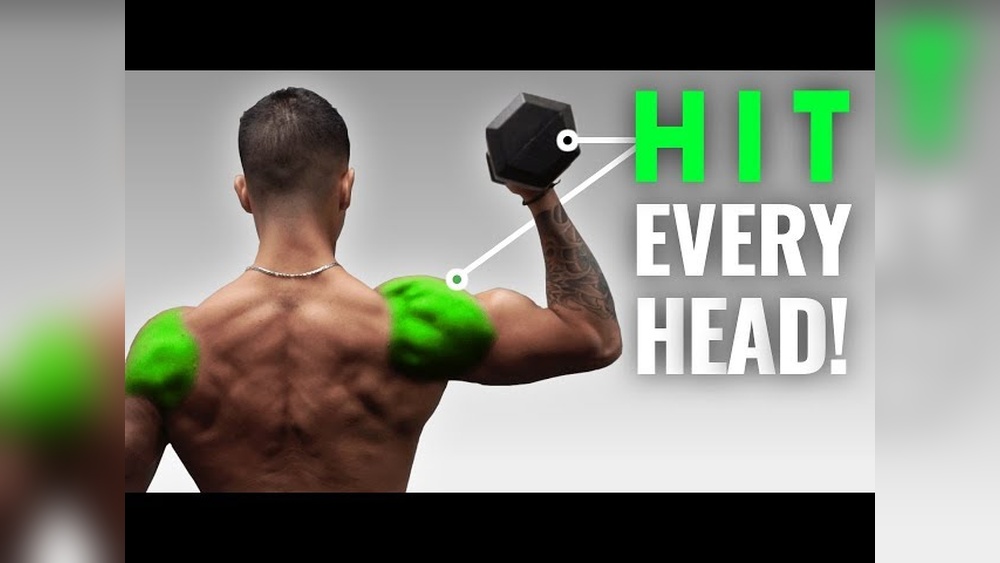
Are you looking to build strong, defined shoulders that stand out? Your deltoid muscles play a key role in shaping your upper body and boosting your overall strength.
Using dumbbells for your workouts is one of the easiest and most effective ways to target these muscles. You’ll discover the best deltoid exercises with dumbbells that can help you sculpt your shoulders, improve your posture, and increase your power.
Ready to take your shoulder training to the next level? Keep reading to find out how simple moves with dumbbells can make a big difference in your results.
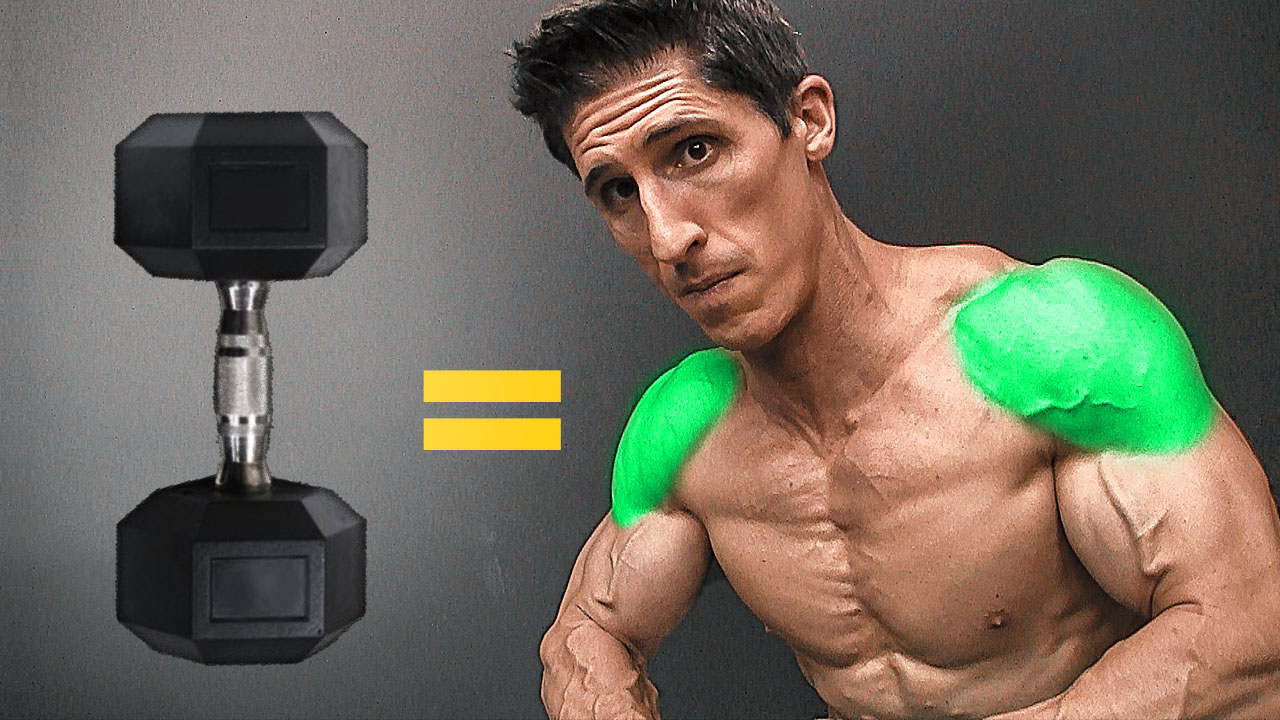
Credit: learn.athleanx.com
Deltoid Muscle Anatomy
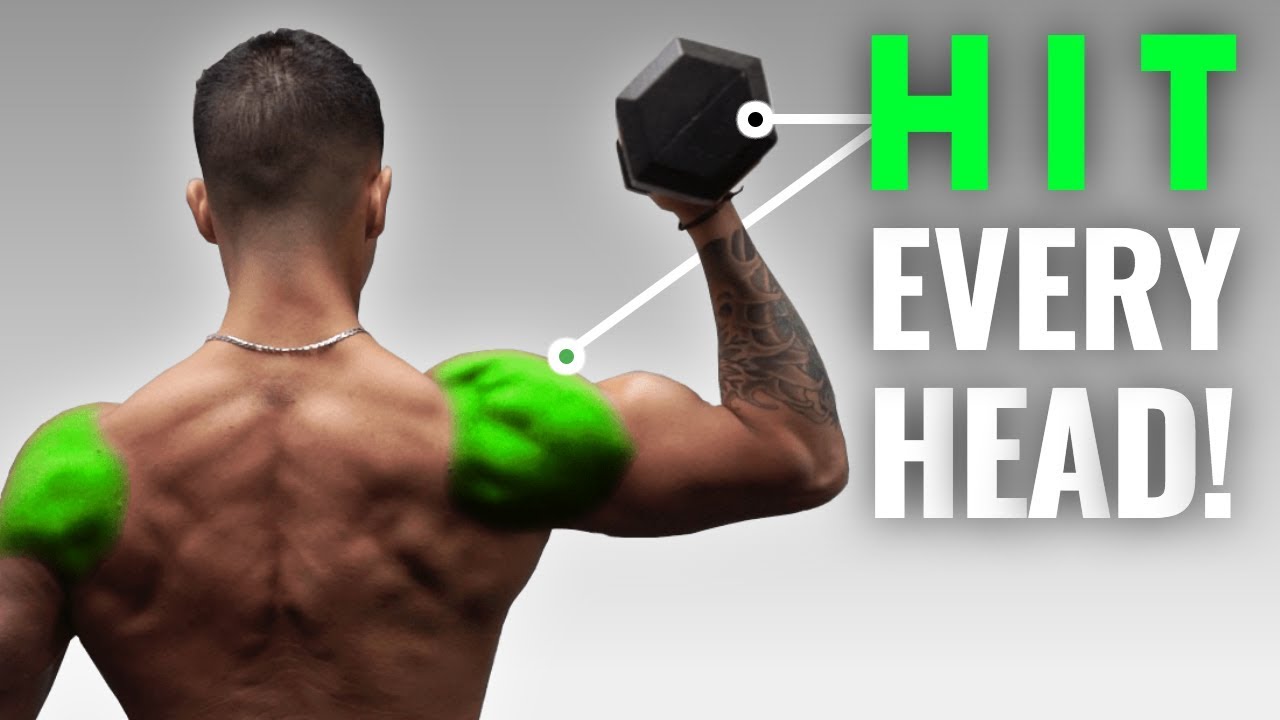
The deltoid muscle is the thick, rounded muscle over the shoulder. It gives the shoulder its shape and helps lift the arm. Understanding its parts helps target exercises better. The deltoid has three main sections. Each section has a unique role in moving the arm. This guide explains the parts to improve your dumbbell workouts.
Anterior Deltoid
The anterior deltoid is the front part of the shoulder muscle. It helps raise the arm forward. This part also helps rotate the arm inward. Many pushing and lifting movements use the anterior deltoid. It plays a big role in daily activities like reaching or lifting objects.
Lateral Deltoid
The lateral deltoid is the middle part of the shoulder. It lifts the arm out to the side. This action is important for raising your arm to the side or holding things away from the body. The lateral deltoid gives width and roundness to the shoulders. It helps create a strong, broad shoulder look.
Posterior Deltoid
The posterior deltoid is at the back of the shoulder. It pulls the arm backward and rotates it outward. This part works during pulling movements like rowing or pulling. The posterior deltoid helps balance shoulder strength. It supports good posture and shoulder stability.
Credit: www.liftingitalia.com
Benefits Of Dumbbell Workouts
Dumbbell workouts offer many benefits for building deltoid muscles. These exercises help improve strength and muscle shape. They also allow for more natural movement patterns. Dumbbells work each side of the body separately, which helps balance muscle growth. Training with dumbbells can fit many fitness levels and goals.
Improved Muscle Activation
Dumbbells require each arm to lift independently. This forces the muscles to work harder. It activates more muscle fibers than machines or barbells. The deltoid muscles engage fully during dumbbell exercises. This leads to better strength and muscle gains.
Enhanced Range Of Motion
Dumbbells allow free movement in many directions. You can move your arms more naturally than with fixed machines. This increases the range of motion in shoulder exercises. More motion helps stretch and contract muscles better. It improves flexibility and reduces injury risk.
Balanced Muscle Development
Using dumbbells stops one side from dominating the other. Each arm works on its own, building equal strength. This prevents muscle imbalances that cause poor posture or pain. Balanced muscles also improve overall shoulder stability. Dumbbell workouts promote a more even and strong physique.
Top Dumbbell Exercises For Anterior Deltoids
The anterior deltoids are the front part of your shoulder muscles. They help raise your arms and move them forward. Strong anterior deltoids improve shoulder shape and strength. Dumbbells are perfect for targeting these muscles with control and balance. Below are some of the best dumbbell exercises to build your anterior deltoids effectively.
Dumbbell Front Raises
Dumbbell front raises focus directly on the front shoulder muscles. Hold a dumbbell in each hand with your arms at your sides. Lift the dumbbells straight in front of you until your arms are parallel to the floor. Keep a slight bend in your elbows. Lower the weights slowly to feel the muscle work. This exercise improves shoulder strength and definition.
Arnold Press
The Arnold press targets all parts of the shoulder, with a focus on the anterior deltoids. Start with dumbbells in front of your chest, palms facing you. As you press the weights overhead, rotate your palms outward. This motion activates the front shoulder muscles more deeply. Lower the dumbbells slowly back to the start. It builds strength and adds muscle size.
Seated Overhead Press
Sitting helps stabilize your body during the overhead press. Hold dumbbells at shoulder height with palms facing forward. Push the dumbbells straight up until your arms are fully extended. Keep your back straight and core tight. Slowly lower the weights back down. This exercise isolates the anterior deltoids while reducing momentum. It is excellent for building solid shoulder strength.
Best Moves For Lateral Deltoids
Strong lateral deltoids add width and shape to your shoulders. They help with lifting your arms to the sides. Targeting these muscles with dumbbells improves shoulder strength and appearance. Here are the best moves for lateral deltoids using dumbbells.
Dumbbell Lateral Raises
Dumbbell lateral raises isolate the side delts effectively. Hold a dumbbell in each hand at your sides. Raise your arms straight out until they are parallel to the floor. Keep a slight bend in your elbows. Lower the weights slowly back down. This move builds muscle and improves shoulder definition.
Cable Lateral Raises With Dumbbells
Using cables with dumbbells adds constant tension to the muscles. Attach a handle to a low pulley and hold a dumbbell in the opposite hand. Pull the cable while lifting the dumbbell to the side. Keep your arm slightly bent throughout. This exercise targets the lateral delts from different angles.
Incline Lateral Raises
Incline lateral raises change the angle for deeper muscle work. Sit on an incline bench holding dumbbells by your sides. Lean slightly forward and raise your arms out to the sides. Pause at the top, then lower slowly. This move focuses on the rear part of the lateral delts.
Effective Dumbbell Exercises For Posterior Deltoids
Strong posterior deltoids improve shoulder stability and posture. Dumbbells offer a simple way to target these muscles. They allow controlled, balanced movement to build strength evenly. This section covers three effective dumbbell exercises for the rear shoulder muscles.
Reverse Flyes
Reverse flyes focus directly on the posterior deltoids. Hold a dumbbell in each hand and bend at the hips. Keep your back flat and arms slightly bent. Lift the dumbbells out to your sides until your shoulder blades squeeze together. Lower slowly to feel the muscle work. This exercise improves shoulder endurance and muscle tone.
Bent-over Lateral Raises
Bent-over lateral raises also target the rear delts. Stand with feet shoulder-width apart, knees slightly bent. Bend forward at the hips, keeping your back straight. Hold dumbbells and lift your arms out to the sides. Pause at the top, then lower down slowly. This move strengthens and shapes the back of your shoulders.
Face Pulls With Dumbbells
Face pulls with dumbbells build the posterior deltoids and upper back. Hold a dumbbell in each hand near your face with elbows high. Pull the weights back by squeezing your shoulder blades together. Keep your elbows up and wrists strong. Return to the start slowly. This exercise improves posture and shoulder health.

Credit: www.menshealth.com
Form Tips To Maximize Results
Good form is key to getting the best results from deltoid exercises with dumbbells. It helps prevent injury and makes your workout more effective. Small changes in posture, movement, and breathing can make a big difference.
Focus on these form tips to build stronger, well-shaped shoulders safely and efficiently.
Proper Posture
Stand or sit tall with your back straight. Keep your chest up and shoulders back. Avoid leaning forward or arching your back. This keeps the stress on your deltoids, not your spine. Engage your core for balance. Proper posture helps you lift more weight safely.
Controlled Movement
Lift and lower the dumbbells slowly. Avoid swinging or using momentum. Control each part of the motion. Pause briefly at the top and bottom of each lift. Slow, steady movement works the muscles better. It reduces the chance of injury and improves muscle growth.
Breathing Techniques
Exhale as you lift the dumbbells. Inhale as you lower them. Proper breathing gives your muscles oxygen. It also helps keep your body steady. Holding your breath can raise blood pressure. Good breathing supports better strength and endurance during your workout.
Common Mistakes To Avoid
Working out your deltoids with dumbbells can build strong, defined shoulders. Avoiding common mistakes helps you get better results and prevent injuries. Small errors can slow progress or cause pain. Focus on correct form and balanced training for best gains.
Using Excessive Weight
Choosing weights that are too heavy can harm your shoulders. It often leads to poor form and jerky movements. This reduces muscle engagement and increases injury risk. Start with lighter weights and increase gradually as strength improves. Control every lift to target deltoid muscles properly.
Neglecting Full Range Of Motion
Short movements limit muscle growth and strength development. Use a full range of motion to work all parts of the deltoid. For example, raise your arms fully during lateral raises. This helps activate muscle fibers and improves flexibility. Avoid cutting reps short to get the most from each exercise.
Overtraining The Shoulders
Training shoulders every day can cause fatigue and soreness. Muscles need rest to recover and grow stronger. Plan workouts with rest days between shoulder sessions. Balance shoulder training with exercises for other muscle groups. This prevents overuse injuries and keeps your progress steady.
Sample Dumbbell Shoulder Workout Plan
Building strong and defined shoulders takes a plan. This sample dumbbell shoulder workout plan targets all parts of the deltoid muscle. It helps improve strength, size, and endurance. The plan includes a warm-up, main exercises, and cool-down stretches. Follow this routine to get the most from your dumbbell shoulder workouts.
Warm-up Routine
Start with light cardio for 5 minutes. This raises your heart rate and warms muscles. Next, do arm circles forward and backward for 1 minute each. Then, perform shoulder shrugs with light dumbbells. Finish with gentle front and side raises to prepare your deltoids.
Exercise Sequence
Begin with dumbbell shoulder presses for 3 sets of 10 reps. Move to lateral raises with 3 sets of 12 reps. Follow with front raises for 3 sets of 12 reps. Add bent-over reverse flyes to target rear delts for 3 sets of 15 reps. Rest 30-60 seconds between sets for recovery.
Cool-down Stretches
Stretching helps reduce soreness and improve flexibility. Hold each stretch for 20-30 seconds. Start with cross-body shoulder stretches. Next, do overhead triceps stretches to loosen shoulder joints. Finish with chest openers to balance shoulder muscles. Breathe deeply and relax during all stretches.
Progression And Variation Tips
Progression and variation are key to building strong, well-shaped deltoids. Changing your routine helps avoid plateaus. It keeps your muscles challenged. This section covers ways to increase difficulty safely. Also, how to change reps and add supersets.
Increasing Weight Safely
Gradually add weight to your dumbbells. Small jumps help prevent injury. Focus on good form first. Use weights that let you finish all reps. Stop increasing if form breaks down. Rest days help muscles recover and grow.
Changing Repetition Schemes
Vary your reps for better results. Try lower reps with heavier weights for strength. Higher reps with lighter weights build endurance. Mix sets of 8-12 reps and 15-20 reps. Change schemes every few weeks to keep muscles guessing.
Incorporating Supersets
Supersets combine two exercises back-to-back. They save time and boost intensity. Pair front raises with lateral raises for full deltoid work. Use lighter weights for supersets. Rest briefly between sets. Supersets increase muscle fatigue and growth.
Frequently Asked Questions
What Are The Best Dumbbell Exercises For Deltoids?
The best dumbbell exercises for deltoids include shoulder presses, lateral raises, front raises, and reverse flyes. These target all deltoid heads for balanced shoulder development. Using proper form and controlled movements maximizes muscle activation and reduces injury risk.
How Often Should I Do Dumbbell Deltoid Workouts?
For optimal results, train deltoids 2-3 times per week. Allow at least 48 hours of rest between sessions for muscle recovery. Consistency and gradual progression in weights help build strength and size effectively.
Can Dumbbell Exercises Improve Shoulder Stability?
Yes, dumbbell exercises enhance shoulder stability by engaging stabilizer muscles. Movements like single-arm presses and lateral raises improve coordination and joint control. This reduces injury risk and supports overall shoulder function.
What Weight Dumbbells Are Ideal For Deltoid Workouts?
Start with light to moderate weights that allow 12-15 reps with good form. Gradually increase weight as strength improves. Using manageable weights ensures muscle engagement without compromising technique or causing strain.
Conclusion
Dumbbell exercises build strong, well-shaped deltoids. They improve shoulder strength and support daily movements. Using dumbbells helps target all parts of the shoulder muscles. Regular practice boosts muscle tone and reduces injury risk. Keep your form correct to get the best results.
Start with lighter weights and increase gradually. Consistency matters more than heavy lifting. Enjoy the process and feel your shoulders get stronger. Simple exercises with dumbbells can make a big difference. Try these moves often to see steady improvement.


