Are you wondering if you can build real muscle without stepping foot in a gym? The answer is yes—and dumbbells might be your secret weapon.
Imagine gaining strength, shaping your body, and boosting your confidence, all from the comfort of your home. You’ll discover how to use dumbbells effectively to transform your physique, why they work so well, and simple tips to get the best results.
Ready to see how far you can go with just a pair of weights? Keep reading—you’re closer to your muscle goals than you think.
Benefits Of Dumbbell Workouts
Dumbbell workouts offer many benefits for building muscle at home. They provide a simple way to exercise without bulky machines or gym memberships. Dumbbells help you stay consistent and improve strength over time. They suit beginners and advanced users alike. Using dumbbells allows control over the workout’s intensity and variety. This section explores key benefits of dumbbell workouts for muscle building.
Versatility And Convenience
Dumbbells work for many exercises. You can train arms, chest, back, and legs. Change weights easily to match your strength. They fit small spaces, perfect for home use. Carry dumbbells anywhere to keep your routine. No need for special equipment or setups. Work out anytime without waiting for machines.
Cost-effectiveness
Dumbbells are affordable compared to gym fees. One set covers many exercises. No monthly payments or travel costs. Buy once and use for years. Saves money while staying fit. Great for tight budgets and home gyms. Invest in your health without overspending.
Effective Muscle Targeting
Dumbbells allow precise muscle focus. Use different grips and angles to hit muscles better. They improve balance and coordination. Both sides of your body work equally. This prevents muscle imbalances and injuries. Small adjustments change the workout’s effect. Help muscles grow stronger and more defined.

Credit: mantellritchie.com
Essential Dumbbell Exercises
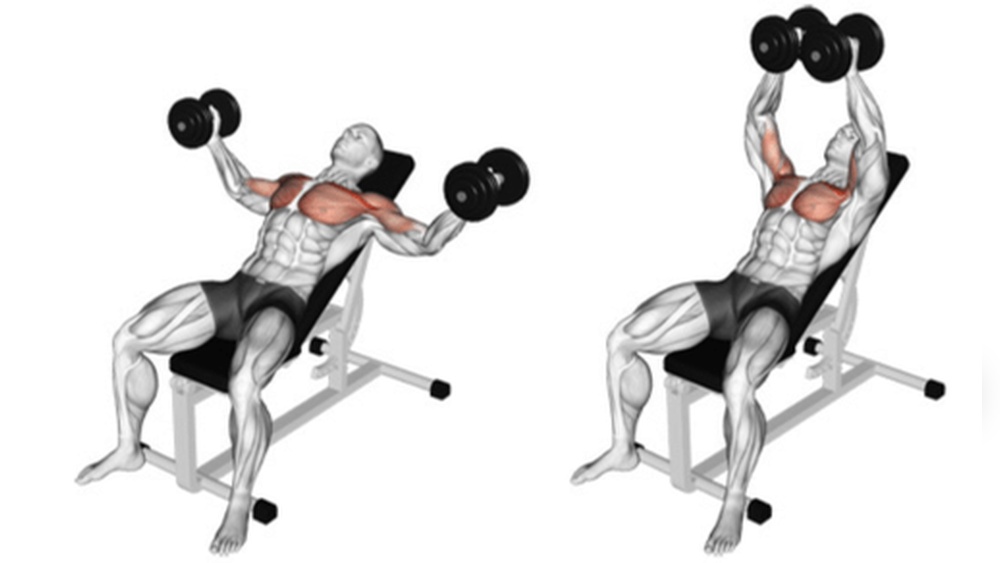
Dumbbells are a simple tool to build muscle at home. They work many muscles and fit small spaces. You can do many exercises with dumbbells. These moves help you gain strength and shape your body.
Focus on three main areas: upper body, lower body, and core. Each area needs different exercises. Together, these build strong muscles and improve fitness.
Upper Body Moves
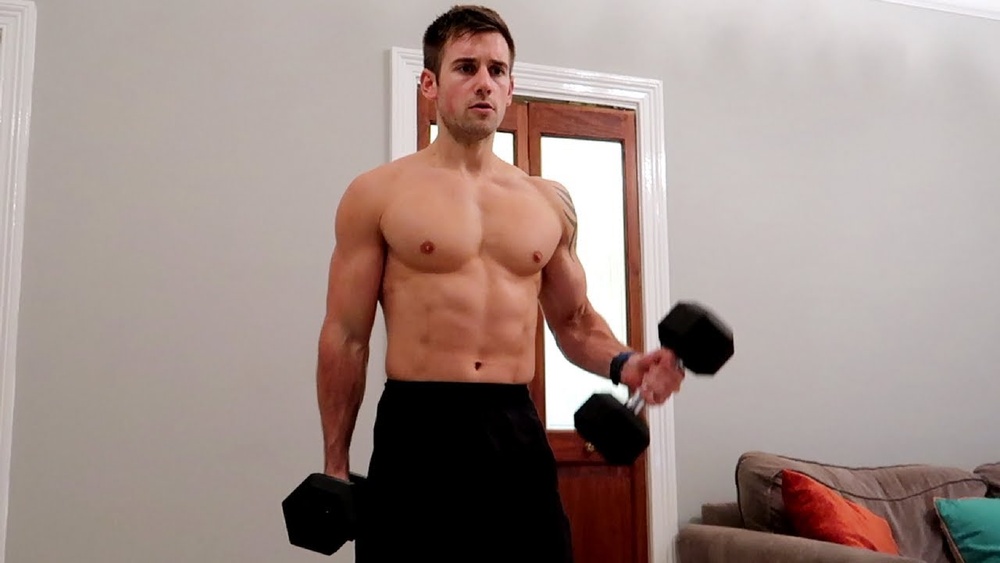
Start with dumbbell curls to build your biceps. Press dumbbells overhead to strengthen your shoulders. Rows work your back muscles well. Tricep extensions help the back of your arms. These moves improve arm and shoulder strength fast.
Lower Body Routines
Squats with dumbbells target your thighs and glutes. Lunges help balance and leg strength. Deadlifts build your hamstrings and lower back. Step-ups on a bench work your legs and balance. These exercises tone your lower body muscles well.
Core Strengtheners
Russian twists with dumbbells train your obliques. Weighted sit-ups focus on your abs. Dumbbell side bends strengthen your waist muscles. Plank rows combine core and upper body work. Core exercises improve posture and stability.
Creating A Home Workout Plan
Creating a home workout plan with dumbbells helps you build muscle efficiently. Planning is key to stay motivated and see results. A good plan fits your lifestyle and fitness level. It focuses on consistent exercise and balanced training. These steps guide you to make your plan effective and simple.
Setting Realistic Goals
Start by choosing clear and achievable goals. Decide what you want to improve, like strength or muscle size. Set small targets to keep progress steady. Avoid aiming for too much too fast. Realistic goals help you stay focused and avoid frustration.
Scheduling And Frequency
Plan your workouts on specific days and times. Aim for at least three sessions per week. Each session should last 30 to 45 minutes. Consistency beats intensity for long-term success. Rest days are important to let muscles recover and grow.
Balancing Muscle Groups
Work all major muscle groups evenly. Include exercises for arms, chest, back, legs, and core. Balanced training prevents injuries and improves overall strength. Change your routine to target different muscles each session. This approach builds a strong and healthy body.
Progressive Overload At Home
Progressive overload is key to building muscle at home with dumbbells. It means gradually making exercises harder. This helps muscles grow stronger over time. Without it, muscles stop improving and gains slow down. You can apply progressive overload in many ways, even without a gym.
Increasing Weight And Reps
The most common way to add progressive overload is by increasing weight. Use heavier dumbbells as you get stronger. If you don’t have heavier weights, increase the number of reps per set. Doing more reps makes muscles work harder. Both methods push your muscles to adapt and grow.
Adjusting Tempo And Rest
Change the speed of your movements to add challenge. Slow down the lifting or lowering phase of each rep. This increases muscle tension and time under load. Also, reduce rest time between sets. Shorter rest makes your muscles recover less before the next effort. These changes create more stress for growth.
Tracking Progress
Keep a workout log to track weight, reps, and sets. Write down how you feel during workouts. Tracking helps you see improvements and plan increases. Without tracking, it’s easy to miss small gains. Consistent records keep you focused and motivated over time.
Nutrition For Muscle Growth
Nutrition plays a key role in building muscle at home with dumbbells. Eating the right foods helps muscles grow and recover after workouts. Good nutrition supports strength and energy for your exercises.
Focusing on protein, meal timing, and the right supplements can boost muscle growth. Understanding these basics helps you get the best results from your training.
Protein Intake Guidelines
Protein is essential for muscle repair and growth. Aim for about 1.6 to 2.2 grams of protein per kilogram of body weight daily. Spread protein intake evenly across meals for better absorption. Include lean meats, dairy, beans, and nuts in your diet.
Meal Timing And Frequency
Eating regularly supports muscle recovery and energy levels. Try to eat every 3 to 4 hours throughout the day. Have a protein-rich meal or snack after your dumbbell workout. This helps muscles rebuild and grow stronger.
Supplements To Consider
Supplements can help fill nutrition gaps but are not required. Creatine and whey protein are popular for muscle growth. Consult a healthcare provider before starting any supplement. Focus on whole foods first, then add supplements if needed.

Credit: www.creativesourcesrec.com
Common Challenges And Solutions
Building muscle at home with dumbbells comes with some common challenges. Many face hurdles like hitting plateaus, risking injuries, or losing motivation. These issues can slow down progress or stop it completely. Understanding these challenges helps find practical solutions. This way, you keep moving forward toward your muscle-building goals.
Plateaus And How To Break Them
Plateaus happen when muscle growth stops. Your body adapts to the workout and no longer changes. To break plateaus, change the routine often. Increase the weight or add more reps. Try different exercises targeting the same muscle. Rest days are important too. Muscles need time to recover and grow stronger.
Avoiding Injuries
Injuries can stop muscle building fast. Poor form and lifting too heavy cause most injuries. Always warm up before starting exercises. Use slow, controlled movements with dumbbells. Focus on the right technique, not the weight. Stop if you feel sharp pain. Rest and recover to avoid long-term damage.
Staying Motivated
Staying motivated is tough without a gym or trainer. Set small, clear goals for each week. Track your progress with photos or notes. Workout with a friend or join online groups. Celebrate every little success to keep spirits high. Remember why you started and keep going strong.
Equipment And Space Tips
Building muscle at home with dumbbells is practical and effective. The right equipment and space matter a lot. Setting up properly helps you stay consistent and safe. Here are some key tips on equipment and space.
Choosing The Right Dumbbells
Select dumbbells that suit your strength level. Adjustable dumbbells save space and cost less over time. Choose weights that allow you to do 8 to 12 reps per set. Start lighter to avoid injury and increase weight gradually. Consider dumbbells with comfortable grips to protect your hands.
Setting Up A Workout Area
Pick a spot with enough room to move freely. Clear the floor to prevent tripping or dropping weights on objects. Use a mat to protect your floor and reduce noise. Ensure good lighting to maintain focus and safety. A mirror helps check your form and posture during exercises.
Storage And Safety
Store dumbbells in a designated area to keep your space tidy. Use racks or shelves to avoid clutter and accidental trips. Keep weights away from children or pets for safety. Regularly check dumbbells for damage or loose parts. Clean your equipment to keep it in good condition.

Credit: www.youtube.com
Frequently Asked Questions
Can You Build Muscle Effectively With Dumbbells At Home?
Yes, dumbbells are excellent for muscle growth at home. They allow varied exercises targeting all major muscle groups. Progressive overload and proper form ensure effective muscle building without gym equipment.
How Often Should You Train With Dumbbells To Build Muscle?
Training 3 to 5 times per week with dumbbells is ideal. Rest days between sessions help muscles recover and grow stronger. Consistency and gradual weight increase maximize muscle gains.
Are Dumbbell Workouts Enough For Full-body Muscle Development?
Dumbbell workouts can target all major muscles effectively. Combining compound and isolation exercises ensures balanced strength and growth. Proper technique and varied routines prevent plateaus and improve results.
What Dumbbell Weights Are Best For Muscle Building At Home?
Start with manageable weights that challenge you for 8-12 reps. Gradually increase weight as strength improves. Adjustable dumbbells offer versatility for progressive overload and long-term muscle growth.
Conclusion
Building muscle at home with dumbbells is possible for everyone. Consistency and good form matter most. Start with lighter weights and increase slowly. Focus on different muscle groups each day. Rest and eat well to help muscles grow. No need for fancy machines or gym visits.
Just dedication and simple tools can bring results. Keep your goals clear and stay patient. Progress comes step by step, not overnight. Stay active and enjoy the process. Your body will thank you.