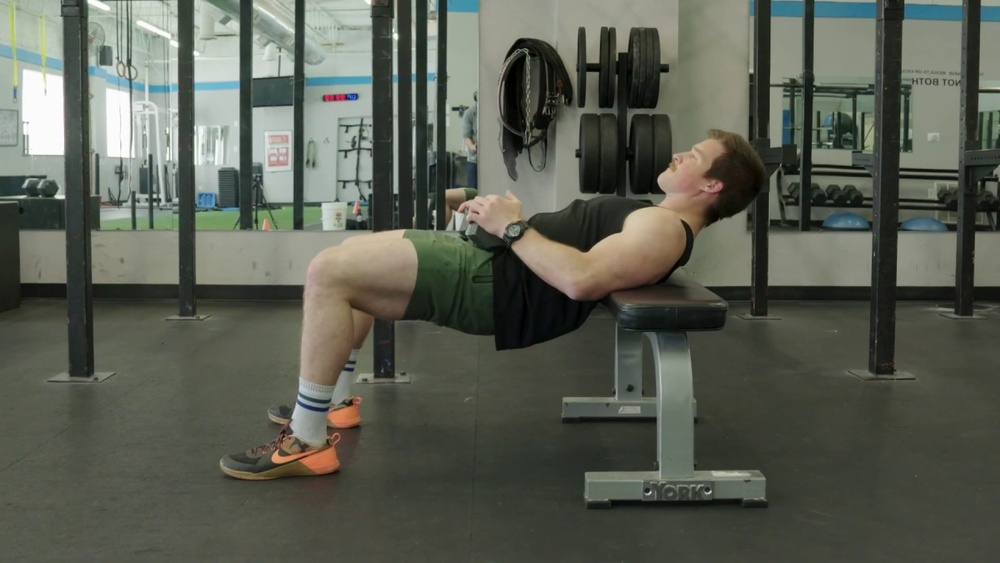
If you’ve ever picked up a dumbbell pullover, you might have wondered: is this move working your chest or your back? It’s a common question, and getting the answer right can make a big difference in your workout results.
Imagine knowing exactly which muscles you’re targeting, so every rep counts toward the body you want. Keep reading, because by the end of this article, you’ll understand how dumbbell pullovers affect your chest and back—and how to use them to boost your strength and shape.
Your fitness routine is about to get a whole lot smarter.
Muscle Groups Targeted By Dumbbell Pullovers
Dumbbell pullovers work several muscle groups at once. This exercise blends chest and back movements. Knowing which muscles are active helps you train smarter. It also prevents injury and improves results.
Chest Activation During Pullovers
The main chest muscle used is the pectoralis major. It stretches and contracts during the movement. This helps expand the rib cage and strengthen the chest. The front fibers of the chest get more focus. The exercise also enhances chest flexibility.
Back Muscles Engaged
The latissimus dorsi, or lats, play a big role. They pull the arms back and down. The exercise also works the teres major and rhomboids. These muscles support shoulder movement and stability. Pullovers help widen the upper back muscles over time.
Role Of Supporting Muscles
Smaller muscles assist throughout the exercise. The triceps extend the elbows during the lift. The serratus anterior helps move the shoulder blade. Core muscles stabilize the body on the bench. These muscles keep the movement smooth and controlled.
Proper Dumbbell Pullover Technique
The proper dumbbell pullover technique is key to getting the best results. It helps target the right muscles safely. Using good form reduces injury risk and improves workout quality.
Focus on each step. Control your movement. Keep your body stable throughout the exercise. Let’s break down the technique.
Starting Position
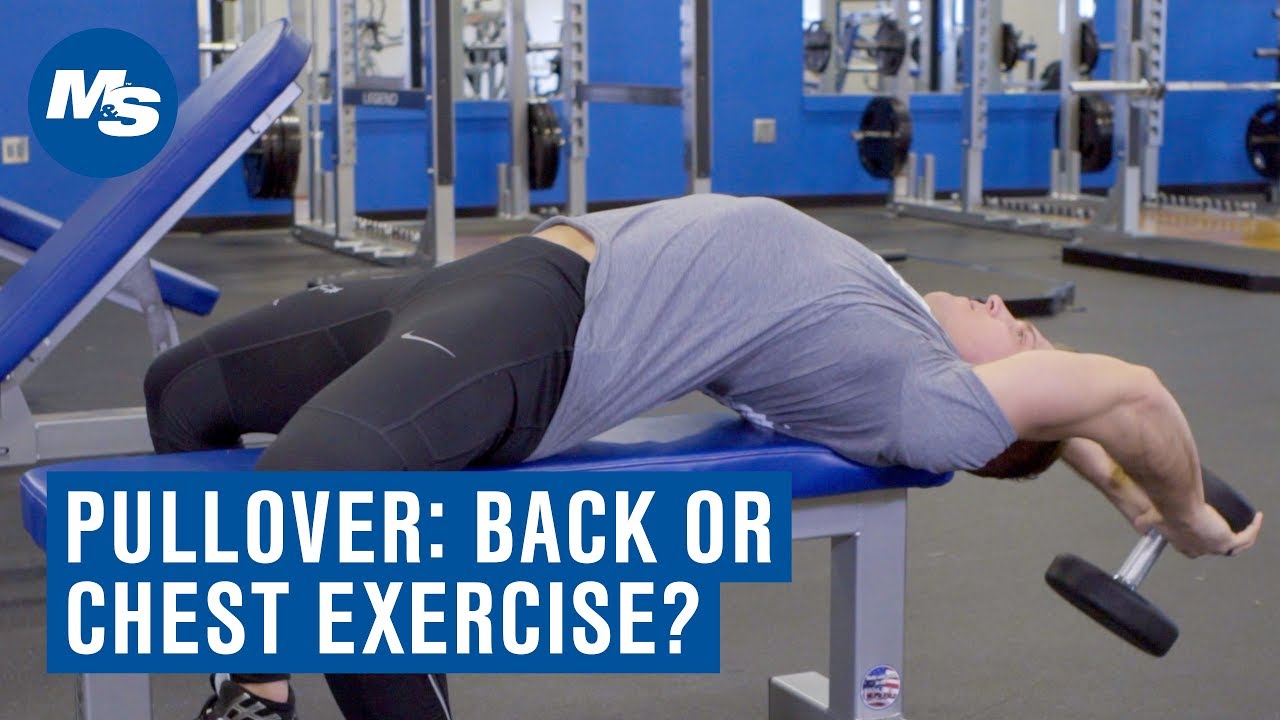
Lie flat on a bench with your feet on the floor. Hold one dumbbell with both hands above your chest. Keep your arms slightly bent. Make sure your back stays flat against the bench. Your head and neck should be relaxed.
Movement Execution
Slowly lower the dumbbell back and over your head. Keep your arms steady and slightly bent. Stop when you feel a stretch in your chest or lats. Pause briefly. Bring the dumbbell back to the starting position using your chest and back muscles. Keep the motion smooth and controlled.
Common Form Mistakes
Do not arch your lower back too much. Avoid locking your elbows during the movement. Don’t use too heavy a weight that forces jerky motions. Keep your neck relaxed to avoid strain. Maintain a steady pace to prevent injury. These small errors reduce effectiveness and increase risk.
Benefits Of Dumbbell Pullovers For Chest
Dumbbell pullovers are a great exercise for the chest. They target the muscles deeply, helping them grow stronger and bigger. This move also stretches the chest muscles, which helps them stay flexible.
Using dumbbell pullovers in your routine improves chest shape and strength. The exercise works both the upper and lower parts of the chest. It also helps improve breathing by opening up the chest area.
Chest Muscle Development
Dumbbell pullovers focus on the pectoral muscles. They help build size and strength in the chest. The exercise also involves the shoulders and triceps, giving a full upper body workout.
The movement stretches the chest muscles while strengthening them. This combination helps muscles grow evenly and prevents tightness. Regular practice leads to a well-defined chest shape.
Improving Chest Flexibility
Dumbbell pullovers stretch the chest muscles deeply. This stretch helps increase muscle length and joint movement. Greater flexibility reduces the chance of injuries during other exercises.
Improved chest flexibility supports better posture. It makes breathing easier by opening the chest cavity. Flexible chest muscles also enhance overall upper body mobility.
Benefits Of Dumbbell Pullovers For Back
Dumbbell pullovers are a versatile exercise that targets the back muscles effectively. They help build strength and improve muscle control. This move also supports better posture by strengthening key back areas.
Many people focus on chest benefits, but dumbbell pullovers play a strong role in back development. They engage muscles like the latissimus dorsi and serratus anterior. These muscles are important for pulling movements and upper body power.
Back Strength Enhancement
Dumbbell pullovers increase strength in the upper back muscles. The exercise targets the lats, which help pull the arms down and back. Strong lats improve performance in many sports and daily activities.
This move also works the muscles around the shoulder blades. These muscles stabilize the shoulder joint and support arm movement. Strength here reduces the risk of injuries during lifting or carrying.
Expanding Rib Cage And Thoracic Mobility
Dumbbell pullovers help expand the rib cage. This expansion improves breathing capacity and lung function. Better rib cage mobility also supports spinal health and posture.
The exercise stretches the thoracic spine, increasing its flexibility. This improved mobility reduces stiffness and discomfort in the upper back. It also helps prevent poor posture caused by tight chest muscles.
Variations To Emphasize Chest Or Back
Dumbbell pullovers can target both the chest and back muscles. Small changes in how you perform the exercise shift the focus. These variations help you train different muscles more effectively.
Adjusting your grip and range of motion alters which muscles do most of the work. Using an incline or flat bench also changes the muscle emphasis. Let’s explore these key variations.
Adjusting Grip And Range Of Motion
Holding the dumbbell closer to your head puts more stress on the chest. A wider grip moves the focus toward the back muscles. A narrow grip tightens the chest contraction during the exercise.
The range of motion changes muscle engagement too. Going deeper stretches the chest more. A shorter range keeps tension on the lats. Control the movement for better muscle activation.
Incline Vs Flat Bench Techniques
Using an incline bench shifts the pullovers to the upper chest. It also slightly involves the shoulders more. A flat bench works the middle chest and back evenly. Both angles strengthen the muscles but emphasize different areas.
Incline pullovers create a different stretch and contraction feeling. Flat bench pullovers allow a greater range of motion for the lats. Switching between these benches can balance your chest and back training.

Credit: americanprepschool.com
Integrating Dumbbell Pullovers Into Workouts
Dumbbell pullovers can fit well into many workout routines. They target both chest and back muscles, making them a flexible choice. Knowing how to use them with other exercises helps you get better results. It also prevents overworking the same muscles.
Plan your workouts with dumbbell pullovers to balance strength and growth. This section guides you on pairing them with chest or back exercises and how often to do them.
Combining With Chest Exercises
Dumbbell pullovers work great with chest presses and flyes. Start with presses to build strength, then use pullovers to stretch and expand the chest. Pullovers help open the rib cage and improve breathing during workouts. Use moderate weight to avoid strain. Keep reps between 8 and 12 for muscle growth.
Pairing With Back Workouts
Pair pullovers with lat pulldowns or rows for a strong back day. Pullovers focus on the lats and serratus muscles. Use them after heavier back lifts for a good stretch and extra muscle work. Keep your form steady to avoid injury. Aim for 10 to 15 reps to build endurance.
Frequency And Volume Recommendations
Include dumbbell pullovers two to three times a week. Allow at least one day of rest between sessions. Perform 3 to 4 sets each time. Adjust weight to stay within 8 to 15 reps per set. Listen to your body and avoid pushing too hard. This schedule supports muscle growth and recovery.
Potential Risks And Precautions
Dumbbell pullovers work both chest and back muscles, but they come with risks. Knowing these risks helps keep workouts safe and effective. This section explains key precautions to take when doing pullovers.
Shoulder Joint Considerations
The shoulder joint moves a lot during pullovers. This can cause strain if the joint is weak or injured. People with shoulder pain should be very careful. Warm up well before starting. Use light weights to avoid stress. Stop if you feel sharp pain in the shoulder.
Avoiding Overextension
Pullovers require stretching the arms behind the head. Overextending the arms can hurt muscles and joints. Keep the movement controlled and slow. Do not lower the dumbbell too far back. Only go as far as feels comfortable. Avoid forcing the stretch to prevent injury.
When To Skip Dumbbell Pullovers
Some people should avoid pullovers altogether. Those with recent shoulder surgery or chronic joint pain must skip this exercise. Also, beginners with poor form should wait until they build strength. Choose safer exercises to protect your body. Consult a doctor if unsure about trying pullovers.

Credit: www.muscleandstrength.com
Credit: m.youtube.com
Frequently Asked Questions
Are Dumbbell Pullovers Better For Chest Or Back?
Dumbbell pullovers work both chest and back muscles. They primarily target the chest (pectoralis major) but also engage the latissimus dorsi. This makes them a versatile exercise for upper body strength and muscle growth.
How Do Dumbbell Pullovers Target The Chest?
Dumbbell pullovers stretch and contract the pectoral muscles during movement. This action stimulates chest muscle fibers effectively. The exercise helps expand the rib cage, enhancing chest development and strength.
Do Dumbbell Pullovers Help Improve Back Strength?
Yes, dumbbell pullovers engage the latissimus dorsi muscles in your back. This helps build back width and strength. They support better posture and contribute to upper body muscular balance.
Can Dumbbell Pullovers Replace Chest Or Back Exercises?
Dumbbell pullovers complement but don’t replace specialized chest or back exercises. They work multiple muscles but should be combined with presses or rows for full development. Use them as part of a balanced workout routine.
Conclusion
Dumbbell pullovers work both chest and back muscles well. You can focus more on the chest by adjusting your form. Or shift attention to the back with slight changes. This exercise offers variety in your workout routine. It helps build strength and improve muscle balance.
Try both ways to see what feels best. Keep your movements slow and controlled for safety. Consistency matters more than heavy weights here. Enjoy the process and listen to your body.