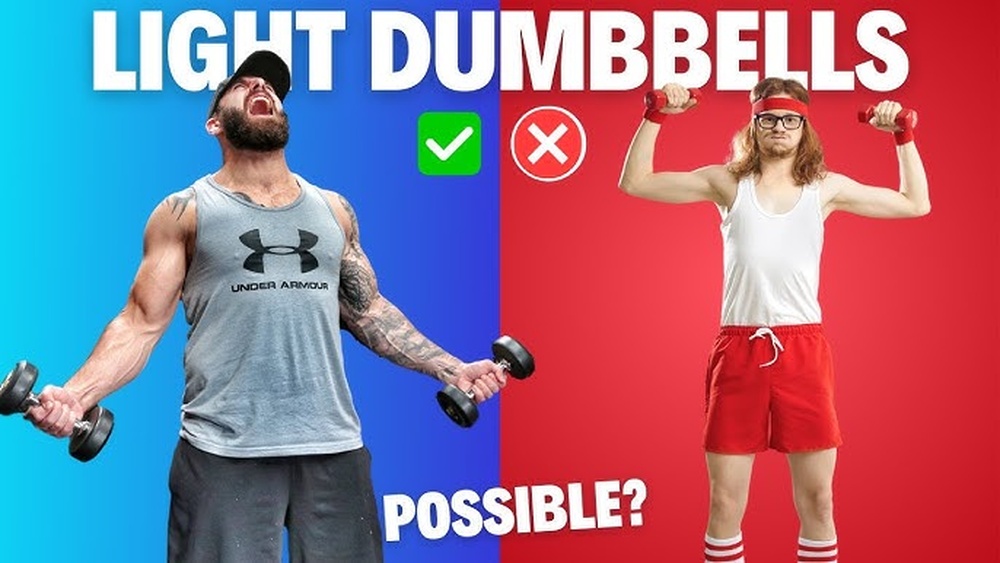
Are you wondering if you can really build muscle using only dumbbells? Maybe you don’t have access to a full gym, or you prefer working out at home with simple equipment.
The good news is, yes—you absolutely can gain muscle with just dumbbells. But how effective is it? What kind of results can you expect? And what’s the best way to train to make every rep count? Keep reading, because by the end of this article, you’ll know exactly how to turn those dumbbells into powerful tools for muscle growth.
Your strongest, leanest self could be just a few workouts away.

Credit: www.mantellritchie.com
Benefits Of Dumbbell Training
Dumbbell training offers many benefits for building muscle and strength. It helps target muscles effectively and supports balanced growth. Using dumbbells allows for natural movement patterns and reduces injury risk. This type of training suits beginners and advanced lifters alike.
Versatility And Range Of Motion
Dumbbells let you perform many exercises. You can train all major muscle groups with them. They allow a full range of motion, improving muscle activation. This helps muscles grow evenly and become stronger. You can easily adjust weight and exercises to fit your needs.
Improved Muscle Balance
Using dumbbells requires each side of your body to work independently. This helps fix muscle imbalances and improves coordination. Balanced muscles reduce the chance of injury. Dumbbell training also engages stabilizer muscles that support joints and posture.
Convenience And Accessibility
Dumbbells are easy to use at home or the gym. They don’t take much space, making workouts simple to fit in. You can train anytime without waiting for machines. This convenience helps you stay consistent and build muscle steadily.
Key Muscle Groups Targeted
Dumbbells are a versatile tool for building muscle. They allow targeting many muscle groups effectively. You can focus on your upper body, lower body, and core. Each group plays a key role in overall strength and muscle growth.
Using dumbbells helps improve muscle balance and coordination. They force your muscles to work harder to stabilize your body. This leads to better muscle development across various areas.
Upper Body Focus
Dumbbells work well for shoulders, chest, back, and arms. Exercises like dumbbell presses, rows, and curls build strength and size. You can isolate muscles or train multiple groups together. This balance helps create a strong, toned upper body.
Lower Body Exercises
Squats, lunges, and deadlifts with dumbbells target legs and glutes. These moves increase muscle mass and improve stability. Dumbbells add resistance, making your legs work harder. This boosts muscle growth and endurance in the lower body.
Core Strengthening Moves
Core muscles stabilize your body during dumbbell exercises. Moves like Russian twists, dumbbell side bends, and weighted sit-ups engage the abs. Strengthening your core improves posture and balance. It also supports heavier lifts and reduces injury risk.
Effective Dumbbell Exercises
Dumbbells are a simple tool for building muscle at home or gym. They allow varied movements targeting different muscle groups. Using dumbbells can increase strength and size effectively. Focused exercises help maximize muscle gains with just dumbbells.
Chest And Back Workouts
Dumbbell chest presses help build strong chest muscles. Lying on a bench or floor, press dumbbells upward. Fly exercises stretch and work the chest deeply. For the back, dumbbell rows target the upper back muscles. Bent-over rows pull dumbbells toward the waist. These moves improve posture and build muscle mass.
Arm And Shoulder Routines
Bicep curls strengthen the front arm muscles. Hold dumbbells and lift them toward your shoulders. Tricep kickbacks target the back of the arms. Extend the arm backward while holding a dumbbell. Shoulder presses lift dumbbells overhead to build shoulder strength. Side raises work the shoulder’s middle part. These exercises shape and tone the arms and shoulders.
Leg And Glute Exercises
Dumbbell squats add resistance to leg workouts. Hold dumbbells at your sides and squat down. Lunges with dumbbells build strong legs and glutes. Step forward and lower your body, keeping balance. Glute bridges with dumbbells on hips target the buttocks. These exercises firm and grow leg and glute muscles.

Credit: www.youtube.com
Designing A Dumbbell Workout Plan
Designing a dumbbell workout plan helps build muscle effectively at home. It creates structure and focus for your training sessions. A good plan guides your progress and keeps you motivated. It targets different muscle groups and balances effort for best results.
Setting Goals And Progression
Start by defining clear goals. Decide if you want to build strength, size, or endurance. Use specific targets like lifting heavier dumbbells or doing more reps. Track your progress each week. Gradually increase weight or reps to challenge muscles. Progression helps muscles grow and adapt over time.
Balancing Volume And Intensity
Volume means how many sets and reps you do. Intensity means how heavy the weights are. Find a balance between them. Too much volume can cause fatigue. Too much intensity can cause injury. Aim for moderate weight with enough sets to feel tired by the last rep. Change volume and intensity to avoid plateaus.
Incorporating Rest And Recovery
Muscles need time to repair and grow. Rest days are as important as workout days. Plan at least one or two rest days each week. Sleep well and eat enough protein for recovery. Avoid training the same muscle groups on consecutive days. Rest helps prevent injury and keeps you strong.
Nutrition For Muscle Growth
Nutrition plays a key role in building muscle with dumbbells. Eating the right foods helps your body repair and grow muscle tissue after workouts. Muscle growth needs more than just exercise. It needs fuel and care from what you eat and drink.
Good nutrition supports strength gains and improves recovery time. Focus on balanced meals that include protein, healthy fats, and carbs. Proper hydration and supplements also support muscle growth.
Protein Intake Essentials
Protein is the building block of muscles. Eating enough protein helps repair muscle fibers after dumbbell workouts. Aim for 1.2 to 2 grams of protein per kilogram of body weight daily. Include lean meats, eggs, dairy, beans, and nuts. Spread protein intake evenly across meals for better absorption.
Caloric Surplus And Timing
Muscle growth requires extra calories. Eat more calories than you burn to support new muscle tissue. Focus on nutrient-dense foods like whole grains, fruits, and vegetables. Time your meals around workouts. Eating carbs and protein before and after training helps energy and recovery.
Hydration And Supplements
Water keeps muscles working well and helps nutrient transport. Drink plenty of water throughout the day. Consider supplements like whey protein or creatine to support training. These can help if you struggle to meet your nutrition goals. Always choose quality products and follow recommended doses.
Common Mistakes To Avoid
Building muscle with only dumbbells is possible. Yet, many make mistakes that slow progress. Avoiding common errors helps you gain strength safely and faster. Focus on good habits from the start. This section covers three key mistakes to avoid.
Poor Form And Technique
Using poor form can cause injuries. It also limits muscle growth. Always control your movements. Avoid swinging or jerking the weights. Keep your back straight and core tight. Focus on slow, steady reps. Proper technique targets the right muscles.
Neglecting Warm-up And Cool-down
Skipping warm-up can lead to muscle strain. Spend at least five minutes warming up. Light cardio or dynamic stretches work well. Cooling down helps muscles recover. Stretching after exercise reduces soreness. Both steps improve workout quality and safety.
Overtraining With Dumbbells
Overtraining causes fatigue and muscle damage. Rest days are as important as workouts. Train each muscle group two to three times a week. Listen to your body’s signals. If you feel pain or extreme tiredness, take a break. Balance work and rest for better muscle growth.
Tracking Progress And Staying Motivated
Tracking progress and staying motivated are key to gaining muscle with only dumbbells. Monitoring your results helps you see how far you have come. Motivation grows as you notice improvements. This keeps you moving forward and avoids plateaus.
Measuring Strength Gains
Track the amount of weight lifted for each exercise. Note the number of repetitions and sets completed. Keep a workout journal or use a fitness app. Strength gains show as you lift heavier dumbbells or do more reps. Measuring progress helps you know which exercises work best.
Adjusting Workouts Over Time
Change your routine every few weeks. Increase dumbbell weight or add more reps to challenge muscles. Try new exercises targeting different muscle groups. Adjust rest times to improve endurance or strength. Small changes help avoid boredom and keep muscles growing.
Staying Consistent And Focused
Set clear, simple goals for each workout. Make a schedule and stick to it. Remind yourself why muscle gain matters to you. Celebrate small successes to boost confidence. Consistency is the secret to long-term muscle growth.
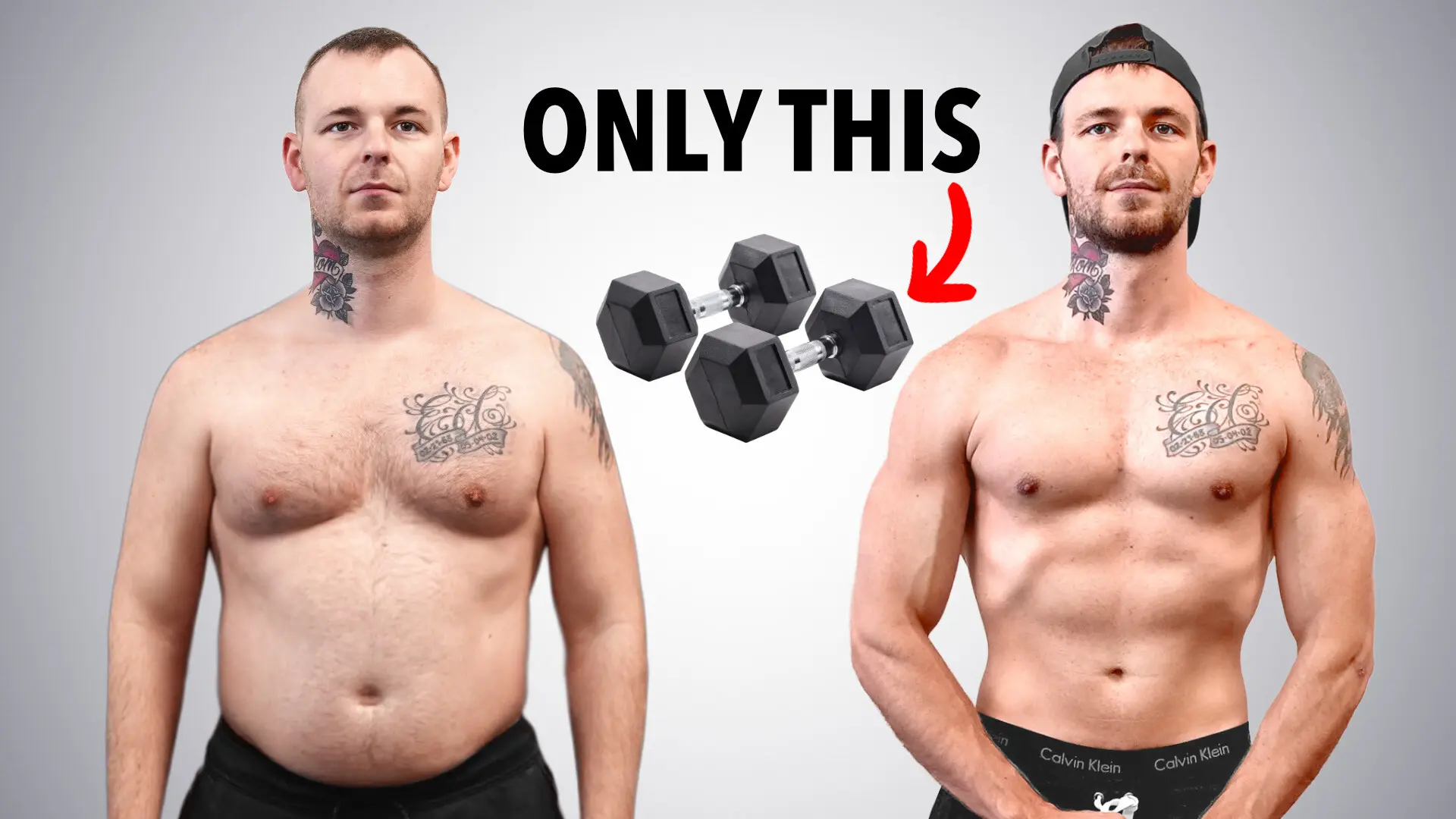
Credit: builtwithscience.com
Frequently Asked Questions
Can You Build Muscle Using Only Dumbbells?
Yes, dumbbells effectively build muscle by targeting various muscle groups. They allow diverse exercises, increasing strength and size with proper routine.
How Often Should You Train With Dumbbells For Muscle Gain?
Train with dumbbells 3-4 times weekly. Consistent workouts with rest days promote muscle growth and recovery, ensuring progress.
Are Dumbbells Enough For Full-body Muscle Development?
Dumbbells provide versatile exercises for full-body development. They engage multiple muscles and improve balance, making them sufficient for overall strength.
What Is The Best Dumbbell Workout For Muscle Growth?
Compound exercises like dumbbell squats, presses, and rows best stimulate muscle growth. Combine them with progressive overload for optimal results.
Conclusion
Dumbbells can help you build muscle effectively at home. They allow for many exercises that target different muscle groups. Using proper form and steady progress is key to growth. Consistency in workouts and good nutrition support your muscle gains. You do not need fancy machines to get stronger.
Just focus on effort, rest, and variety with dumbbells. Small steps add up to real results over time. Keep going, and you will see changes in your strength and shape.


