Are you wondering if dumbbell workouts alone can help you reach your fitness goals? Maybe you’ve tried them before and aren’t sure if they’re enough to build strength, burn fat, or tone your muscles.
You’re not alone. Many people ask this question when deciding how to shape their workout routine. The truth is, understanding what dumbbell workouts can do—and where they might fall short—can make all the difference in your progress. Keep reading to find out if dumbbells are truly enough for you and how to get the most from your workouts.
Benefits Of Dumbbell Training
Dumbbell training offers many benefits for fitness and health. It fits all skill levels and goals. Using dumbbells helps build strength, improve balance, and increase muscle control. It also allows for a full-body workout in one session.
Many people choose dumbbells for their workouts. This section explains why dumbbell training is a smart choice. It covers versatility, muscle activation, and joint stability.
Versatility In Exercises
Dumbbells let you perform many exercises easily. You can work on different muscle groups with the same weights. From bicep curls to lunges, dumbbells add variety to your routine. Changing exercises helps avoid boredom and plateaus. It also makes workouts more fun and effective.
Improved Muscle Activation
Using dumbbells requires more muscle control than machines. Each arm works independently, balancing the load. This activates smaller stabilizer muscles often ignored in other workouts. Dumbbells help improve muscle coordination and strength. This leads to better overall muscle development.
Enhanced Joint Stability
Dumbbell exercises improve joint stability by promoting natural movement. The free weights allow joints to move through their full range. This strengthens the muscles around the joints, reducing injury risk. It also helps with better posture and balance in daily activities.
Limitations Of Dumbbell Workouts
Dumbbell workouts are popular for home and gym training. They offer flexibility and target many muscles. Still, dumbbells have clear limits. Knowing these limits helps you plan better workouts.
Weight Progression Challenges
Dumbbells come in fixed weights. Increasing weight means buying new sets. This can be costly and take space. Small weight jumps are often unavailable. This limits gradual strength improvement.
Limited Lower Body Focus
Dumbbells mainly suit upper body exercises. Squats and lunges work well, but heavier leg workouts need more weight. Leg muscles grow best with heavy loads. Dumbbells often don’t provide enough weight for this.
Potential For Imbalanced Training
Using dumbbells alone can cause muscle imbalances. Some muscles get more work than others. Without machines or barbells, it is hard to balance both sides. Imbalances may lead to injury or poor posture.
Key Dumbbell Exercises For Full-body Strength
Dumbbell workouts can build strength across your whole body. They target many muscle groups with just one tool. Using dumbbells helps improve balance and coordination. Here are some key exercises that work your upper body, lower body, and core. These moves create a strong foundation for fitness.
Upper Body Moves
Dumbbell presses work your chest and shoulders. Bent-over rows target your back muscles well. Bicep curls help strengthen your arms. Tricep extensions shape the back of your arms. These exercises improve muscle tone and power.
Lower Body Moves
Squats with dumbbells build strong legs and glutes. Lunges develop balance and leg strength. Deadlifts focus on hamstrings and lower back. Calf raises improve ankle strength and stability. These moves enhance your lower body strength efficiently.
Core Strengtheners
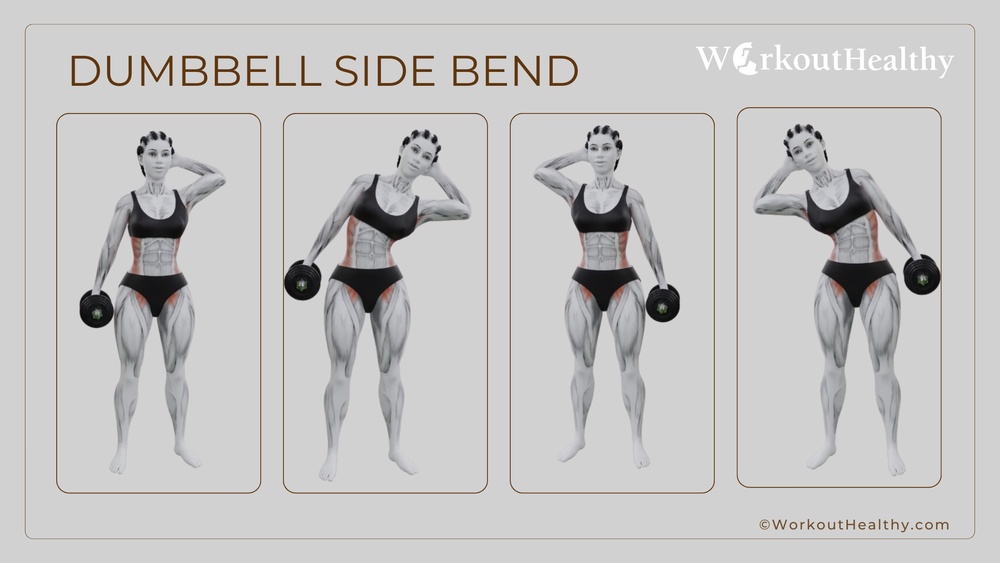
Russian twists with a dumbbell engage your obliques. Weighted sit-ups increase abdominal muscle power. Dumbbell side bends target your waist muscles. Plank rows challenge your core and upper body at once. These exercises strengthen your midsection for better posture and balance.
Incorporating Other Equipment
Using dumbbells alone can build strength and muscle well. Still, adding other equipment can improve your workout variety and results. Different tools target muscles in new ways. This helps avoid workout plateaus and keeps exercises fresh.
Choosing a mix of equipment can fit your goals and space. Simple tools like resistance bands or bodyweight moves can add challenge. Heavy options like barbells and machines help increase strength and size.
Resistance Bands
Resistance bands are light and easy to carry. They add tension to movements, helping muscles work harder. Bands work great for warming up and stretching. You can do many exercises with bands, such as rows, presses, and leg lifts.
Bands also help improve balance and control. They provide constant resistance, different from dumbbells. Using bands can target smaller muscles that dumbbells might miss.
Bodyweight Exercises
Bodyweight exercises use your own weight as resistance. Push-ups, squats, and planks build strength and endurance. These moves improve coordination and flexibility too.
Bodyweight workouts need no equipment and can be done anywhere. They add variety and help you learn proper movement patterns. Combining bodyweight with dumbbells makes your routine more complete.
Barbells And Machines
Barbells allow lifting heavier weights than dumbbells. They work well for compound lifts like squats and deadlifts. These lifts target many muscles at once, boosting strength fast.
Machines provide guided movement and support. They help maintain good form and reduce injury risk. Machines isolate specific muscles, helping you focus on weak areas.
Using barbells and machines can increase muscle size and strength. They add a different stimulus than dumbbells, improving overall fitness.
Designing A Balanced Dumbbell Workout Plan
Designing a balanced dumbbell workout plan is key to building strength and muscle. A well-structured plan helps target all major muscle groups. It also prevents injury and keeps your progress steady. You can shape your body effectively with just dumbbells.
Frequency And Volume
Frequency means how often you train each muscle group. Aim for two to three sessions per week per muscle. Volume is the total amount of work done, like sets and reps. Start with moderate volume, such as 3 sets of 8-12 reps. Adjust based on your goals and recovery.
Exercise Selection
Choose exercises that target all major muscles. Include pressing, pulling, squatting, and lunging movements. Dumbbell presses work the chest and shoulders. Rows target the back muscles. Squats and lunges build leg strength. Add core exercises like Russian twists or dumbbell side bends.
Progressive Overload Techniques
Progressive overload means making workouts harder over time. Increase dumbbell weight gradually to challenge muscles. Add more sets or reps as strength improves. Reduce rest time between sets for added intensity. Track progress to stay motivated and consistent.

Credit: www.reddit.com
Common Mistakes To Avoid
Dumbbell workouts offer many benefits but come with common mistakes. These errors can slow progress and cause injury. Avoiding these mistakes helps you get the most from your workouts.
Poor Form
Using wrong form is a common issue. It reduces workout effectiveness and risks injury. Focus on slow, controlled movements. Keep your back straight and avoid swinging the weights. Proper form targets the right muscles and protects joints.
Neglecting Warm-up And Cool-down
Skipping warm-up can cause muscle strains. Warm-up prepares your body for exercise by increasing blood flow. Spend five to ten minutes doing light cardio or dynamic stretches. Cooling down helps your muscles recover. Stretch gently after your workout to reduce soreness.
Ignoring Rest And Recovery
Rest is vital for muscle growth. Overtraining leads to fatigue and injury. Take breaks between workouts and get enough sleep. Allow muscles to repair and grow stronger. Balance workout days with rest or light activity for best results.
Tracking Progress And Adjustments
Tracking progress and making adjustments are key parts of any dumbbell workout routine. They help you stay on track and improve your strength over time. Without monitoring your progress, you may not see the results you want. Small changes in your workouts can keep you moving forward and avoid plateaus.
Measuring Strength Gains
Keep a record of the weights you use and the number of reps you complete. Note how many sets you finish each session. Tracking these details shows if you are getting stronger. Feeling stronger means you can increase weights or reps safely. Use a notebook or an app to log your workouts.
Adjusting Workouts For Plateaus
Plateaus happen when progress slows down or stops. Try changing your exercises or increasing the weight. Reduce rest time between sets to add challenge. Add more sets or reps to push your muscles harder. Small changes can restart your progress and build strength.
Setting Realistic Goals
Set clear, simple goals like lifting a certain weight or doing more reps. Break big goals into smaller steps to stay motivated. Celebrate small wins to keep your energy high. Realistic goals make it easier to track progress and stay focused. Adjust goals as you improve to keep challenging yourself.

Credit: www.reddit.com

Credit: www.reddit.com
Frequently Asked Questions
Are Dumbbell Workouts Sufficient For Full-body Fitness?
Dumbbell workouts target multiple muscle groups effectively. They improve strength, endurance, and balance. However, combining them with cardio enhances overall fitness.
Can Dumbbell Exercises Build Muscle Mass Effectively?
Yes, dumbbells provide resistance to stimulate muscle growth. Progressive overload with dumbbells promotes hypertrophy. Consistency and proper nutrition are essential for results.
How Often Should I Do Dumbbell Workouts Weekly?
Aim for 3 to 5 sessions per week. Allow 48 hours for muscle recovery between workouts. Balance intensity to prevent injury and promote growth.
Are Dumbbells Better Than Machines For Strength Training?
Dumbbells encourage natural movements and engage stabilizer muscles. Machines isolate muscles but limit range of motion. Dumbbells offer versatility and functional strength benefits.
Conclusion
Dumbbell workouts can build strength and improve fitness well. They suit many goals and fit small spaces. You can work all muscle groups with them. Variety in exercises keeps workouts fresh and effective. Adding some cardio or bodyweight moves helps balance training.
Consistency matters most for seeing real progress. Dumbbells alone may not cover every need but work great for most. Start simple, stay regular, and enjoy the process. Your body will thank you for the effort.