
Have you ever wondered if heavier boxing gloves are actually bigger in size? It’s a common question that can confuse many fighters and fitness enthusiasts alike.
Understanding the difference between weight and size in boxing gloves can change the way you train and protect your hands. If you want to make sure you’re picking the right gloves for your needs, keep reading—because what you don’t know might be holding you back in the ring.
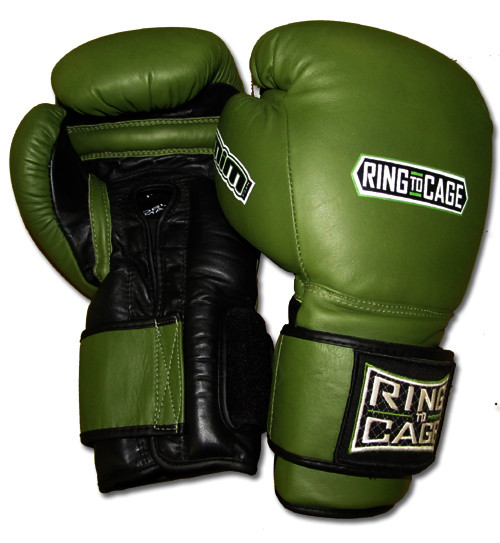
Credit: www.ringtocage.com
Weight Vs Size In Boxing Gloves
Weight and size in boxing gloves often confuse many beginners. Some think heavier gloves are always bigger. The truth is more complex. Weight refers to the glove’s mass, while size relates to its physical dimensions.
Boxers use gloves of different weights for training, sparring, and matches. These weights affect protection and speed. Yet, the size does not always increase with weight. Gloves can have the same outer size but vary in padding and weight.
Measuring Boxing Gloves
Boxing gloves are measured in ounces (oz). This number shows the glove’s weight, not its size. The common weights range from 8 oz to 20 oz. The size depends on the glove’s design and hand fit. Some brands offer gloves that fit snugly at different weights.
Boxing gloves have padding inside for hand protection. Heavier gloves usually contain more padding. This extra padding adds weight but does not always make the glove bigger outside. The hand compartment remains similar across sizes for comfort.
Common Weight Categories
8 oz and 10 oz gloves are light and often used in competition. These gloves are smaller and less padded. 12 oz and 14 oz gloves serve training and sparring purposes. They provide a balance of protection and speed.
16 oz gloves are popular for heavy sparring. They have more padding and weigh more but are not much larger. 18 oz and 20 oz gloves offer maximum protection for intense training. Their weight comes from thick padding, not bigger size.

Credit: www.amazon.sa
Materials Affecting Glove Dimensions
Boxing gloves come in various sizes and weights. The materials inside and outside the glove change how big they look and feel. These materials affect the glove’s dimensions and weight. Understanding these parts helps explain why heavier gloves often seem larger.
Foam Padding Density
Foam padding is the soft layer inside gloves. It protects your hands and cushions hits. Denser foam means more material in the same space. This makes the glove heavier and sometimes thicker. Less dense foam feels lighter but takes up more room. The type of foam changes how big and heavy gloves become.
Outer Shell Materials
The outer shell covers the foam and holds the glove shape. Common materials include leather and synthetic leather. Leather is thicker and more durable but adds weight. Synthetic materials can be lighter and thinner. Thicker shells make gloves look bigger. Thin shells keep gloves slim but may wear out faster.
Purpose Behind Different Glove Weights
Boxing gloves come in various weights to serve different needs. The weight affects size, padding, and protection. Choosing the right glove weight helps improve training and performance. It also reduces injury risks for both you and your opponent.
Gloves are not just about weight. Their purpose changes based on the activity. Training gloves and competition gloves have unique roles. Understanding these differences helps you pick the best gloves for each use.
Training Vs Competition Gloves
Training gloves are usually heavier. They have extra padding to protect your hands during long sessions. Heavier gloves help build strength and improve endurance. Competition gloves are lighter to increase speed and power. They have less padding but still offer protection.
Heavier gloves feel bigger because of the extra padding. Lighter gloves are smaller and more flexible. The size difference helps you train safely and fight effectively.
Impact On Hand Protection
Heavier gloves offer more padding, which protects your hands better. They absorb more impact, reducing the chance of injury. Lighter gloves give less protection but allow faster punches. Using the right glove weight keeps your hands safe and strong.
Training with heavier gloves helps condition your hands. Competition gloves focus on speed while still providing basic protection. Balancing protection and performance is key in boxing.
How Weight Influences Glove Feel
Weight plays a key role in how boxing gloves feel during use. It affects more than just size and protection. The glove’s weight changes the way your hand moves and how comfortable the glove feels. Understanding these effects helps you choose the right gloves for your training or fights.
Mobility And Speed
Heavier gloves slow down your hand speed. They add extra weight to your punches. This can reduce your quickness and agility in the ring. Lighter gloves let your hands move faster and react quicker. But heavier gloves build strength by making your muscles work harder. This can improve power over time.
Comfort And Fit
Weight also affects glove comfort. Heavier gloves often have more padding, which adds bulk. This can make gloves feel bigger and tighter. Some boxers find heavier gloves snug and secure. Others feel they restrict movement and cause hand fatigue. Lighter gloves usually feel less bulky and fit more loosely. Choosing the right weight depends on your comfort needs and training goals.
Common Misconceptions About Glove Size
Many people think heavier boxing gloves are bigger in size. This is not always true. Weight and size do not always match. Understanding glove size helps choose the right pair for training or fighting.
Some common ideas about glove size cause confusion. Knowing the facts will help avoid mistakes. Let’s clear up these myths about glove weight and size.
Weight Equals Bulk Myth
Heavier gloves do not always mean bigger gloves. The extra weight comes from more padding inside. This padding adds weight but not much to the glove’s size. Gloves can feel heavy without looking large.
Some gloves use denser materials to increase weight. These materials take less space but weigh more. This makes the glove heavier without making it bigger. Many boxers choose heavier gloves for better wrist support and protection.
Visual Size Vs Actual Volume
Gloves that look big may not have more padding. The outside design affects the glove’s look. Some gloves have a wider shape but less padding inside. This can make the glove appear larger but not be heavier.
Actual volume means how much space the glove takes. Volume depends on padding and glove shape. Two gloves can look different but have similar volume. Choosing gloves by feel and fit is better than by looks.
Choosing The Right Gloves For You
Choosing the right boxing gloves matters for comfort and performance. Gloves come in many sizes and weights. Each choice affects your training and protection. Knowing what suits your hands and goals helps you pick the best gloves.
Considering Hand Size
Hand size plays a big role in glove fit. Gloves that are too tight can hurt your hands. Gloves that are too loose may slip during punches. Measure your hand width and length to find the right size. Try on different gloves to check comfort. Proper fit helps protect your knuckles and wrists.
Training Needs And Goals
Your training type affects glove choice. Heavier gloves add weight and protect better for sparring. Lighter gloves are good for speed and bag work. Decide if you focus on power, speed, or defense. Match glove weight and style to your workout. This keeps training safe and effective.
Expert Opinions On Glove Selection
Choosing the right boxing gloves is important for both safety and performance. Experts share their views on how to pick gloves based on weight and size. Their advice helps beginners and pros understand what fits best.
Weight does not always mean bigger gloves. The padding and purpose of the glove also matter. Experts explain how to balance glove weight and size for training or competition.
Coach Recommendations
Coaches suggest selecting gloves based on training type. Heavier gloves offer more padding, but size may feel the same. They recommend 14 to 16-ounce gloves for sparring. These protect both fighters and reduce hand strain.
For bag work, lighter gloves are often enough. Coaches say fit is key, not just weight. Gloves should feel snug but not tight. Proper fit helps prevent injuries and improves technique.
Professional Boxer Insights
Pro boxers focus on comfort and purpose. Many say heavier gloves feel similar in size to lighter ones. Padding thickness varies, affecting glove weight more than size. Fighters choose gloves that suit their style and hand shape.
Some pros carry different gloves for training and fighting. They pick heavier gloves for practice to build strength. For matches, lighter gloves help with speed and precision. Size stays consistent for hand protection.

Credit: made4fighters.com
Frequently Asked Questions
Are Heavier Boxing Gloves Physically Bigger In Size?
Heavier gloves often have more padding, making them slightly bulkier. However, size depends on glove design, not just weight.
Do Heavier Gloves Provide More Hand Protection?
Yes, heavier gloves have extra padding, offering better hand and wrist protection during training or sparring.
Does Glove Weight Affect Boxing Speed And Technique?
Heavier gloves can slow down punches, affecting speed and technique. Lighter gloves are preferred for fast, precise movements.
Are Heavier Gloves Better For Training Or Competition?
Heavier gloves are ideal for training to build strength. Lighter gloves are commonly used in competitions for speed.
Conclusion
Heavier boxing gloves do not always mean bigger gloves. Weight depends on padding, not glove size. Boxers choose gloves based on training or fighting needs. Bigger gloves protect hands more but feel heavier. Size and weight both affect comfort and performance.
Understanding these differences helps you pick the right gloves. Choose gloves that fit well and match your goals. This keeps training safe and effective. Remember, glove weight and size serve different purposes. Make your choice wisely for the best boxing experience.

