When you’re choosing pro boxing gloves, one question always comes up: what does the “oz” really mean? Understanding the weight of your gloves isn’t just about numbers—it can change how you train, protect your hands, and even perform in the ring.
If you want to make the right choice and get the most from your boxing sessions, you need to know exactly how these ounces affect your gloves. Keep reading, and you’ll discover the simple facts that will help you pick the perfect gloves for your style and goals.
Boxing Glove Sizes Explained
Understanding boxing glove sizes helps you choose the right pair for training or matches. Sizes are not about the physical size but the glove’s weight, measured in ounces (oz). This weight impacts how the glove feels and protects your hands during boxing.
Knowing glove sizes improves comfort and safety. It also helps with performance and technique. Let’s explore what the ounces mean and why they matter.
What Does Oz Mean In Gloves
Oz stands for ounces, which measures glove weight. The number shows how heavy the gloves are, not the size of your hand. Gloves come in various weights to suit different needs.
Heavier gloves have more padding and protect better. Lighter gloves offer more speed and flexibility. The right oz depends on your purpose, like training or fighting.
Common Glove Weight Options
Boxing gloves usually range from 8 oz to 20 oz. Pro fighters often use 8 oz or 10 oz gloves in matches. For training, 12 oz, 14 oz, or 16 oz gloves are common.
Heavier gloves add extra padding for sparring and bag work. Lighter gloves help with speed and precision during fights. Choose based on your weight and activity type.
How Oz Affects Glove Performance
Glove weight changes how you punch and defend. Heavier gloves slow punches but protect hands better. They also reduce injury risk during long training sessions.
Lighter gloves allow faster punches and better hand movement. They offer less padding, so they are better for competition. Using the right glove weight balances speed and safety.
Choosing The Right Glove Weight
Choosing the right glove weight is key for every boxer. The glove weight affects comfort, protection, and performance. Picking the right weight helps improve your training and fight experience. Understanding glove weight and how it fits your needs is essential.
Factors Influencing Glove Size
Body weight plays a major role in glove size choice. Heavier boxers usually need heavier gloves for better protection. Hand size also matters. Larger hands require bigger gloves to fit well. The type of training or fighting style can change the preferred glove size. Personal comfort is just as important as the technical fit.
Glove Weight For Training Vs. Competition
Training gloves are often heavier to add protection and build strength. They help reduce hand injuries during long sessions. Competition gloves are lighter for faster punches and better speed. Fighters use smaller gloves to improve reaction time and precision. Different gloves serve different purposes for training and fighting.
Impact On Hand Protection And Speed
Heavier gloves offer more padding and better hand protection. This lowers the risk of injury during intense training. Lighter gloves allow quicker hand movements and faster punches. Less weight improves speed but reduces some protection. Choosing the right balance between protection and speed is vital.
Measuring Your Hand For Gloves
Choosing the right pro boxing gloves starts with knowing your hand size. Measuring your hand helps find gloves that fit well. Proper fit protects your hands and improves your performance. This section explains how to measure your hand and use that size to pick glove ounces (Oz).
Steps To Measure Your Hand
First, use a soft measuring tape. Wrap it around your knuckles. Keep your fingers closed but relaxed. Measure the widest part of your hand. Note the number in inches or centimeters. This number shows your hand size. Measure both hands for accuracy. Use the larger size if they differ.
Using Measurements To Pick Glove Oz
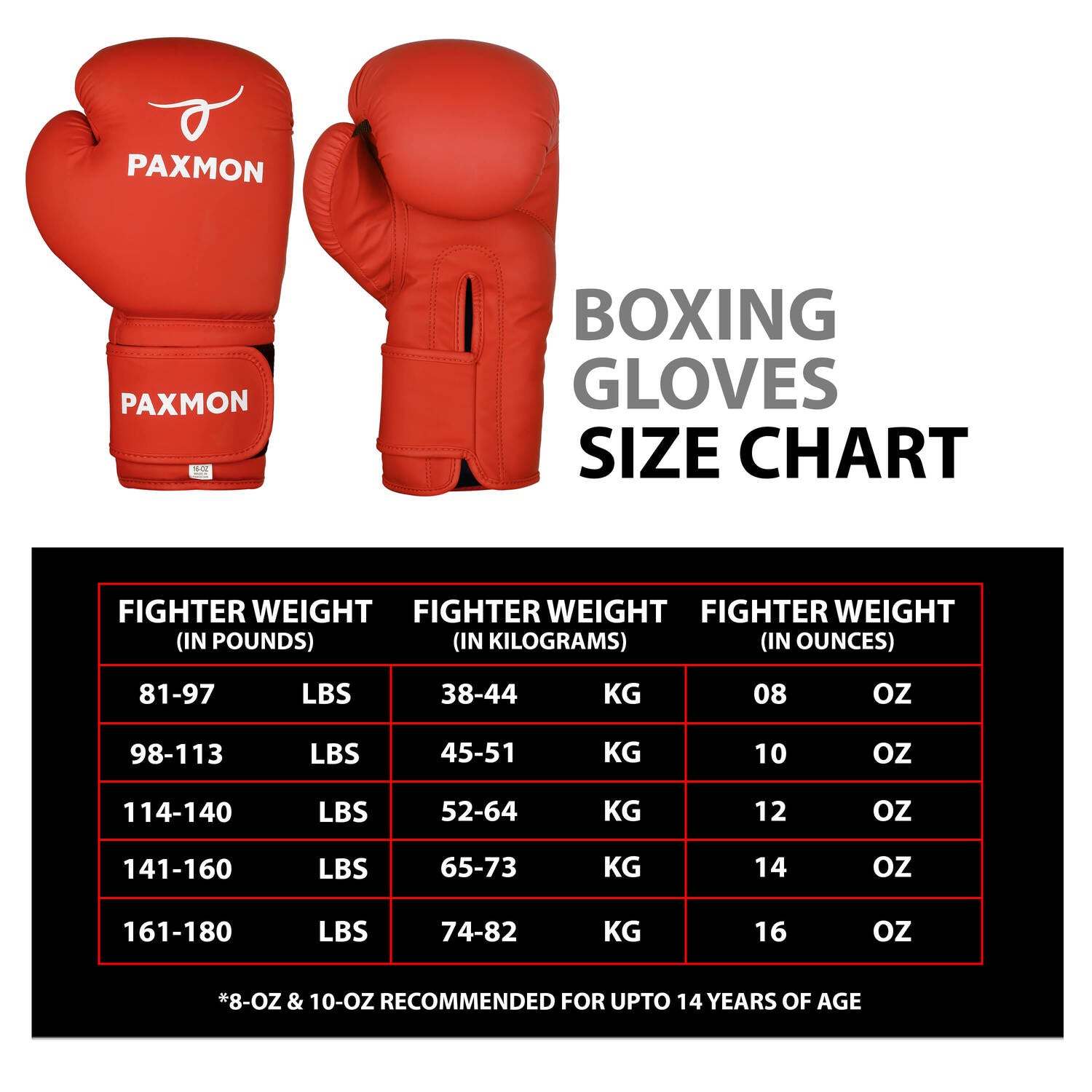
Glove size is often in ounces (Oz). Common sizes range from 8 Oz to 16 Oz. Smaller hands usually fit 8-10 Oz gloves. Medium hands fit 12 Oz gloves. Larger hands or heavy training use 14-16 Oz gloves. Use your hand measurement to find the right Oz. Proper ounces protect your knuckles and wrists.
Importance Of Glove Fit In Boxing
Gloves that fit well keep your hands safe. Loose gloves cause slipping inside. Tight gloves reduce blood flow and comfort. Good fit improves punching power and control. It lowers the risk of injuries during training and fights. Measure your hand carefully to get the best fit.
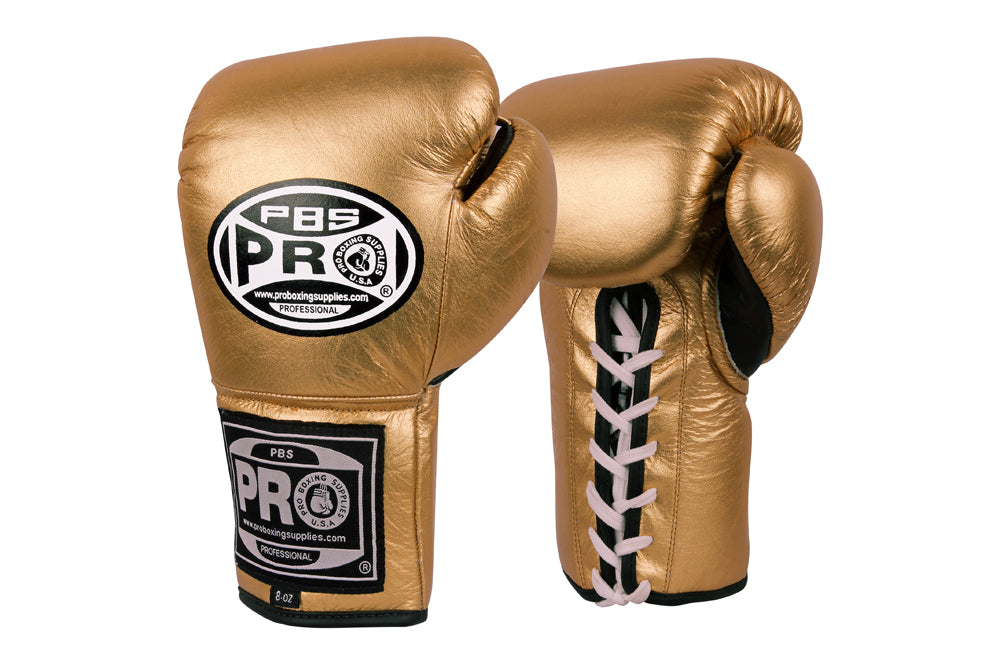
Credit: proboxingsupplies.com
Glove Weight Recommendations
Choosing the right weight for boxing gloves is key to comfort and safety. Gloves come in different weights, measured in ounces (Oz). The weight affects padding, protection, and how your hands feel during training. Using the correct glove weight helps prevent injuries and improves your training experience.
Best Oz For Beginners
Beginners should use gloves that protect their hands well. Gloves weighing 12 to 16 Oz are good choices. These gloves offer enough padding to reduce injury risk. Heavier gloves also help build arm strength and endurance.
Glove Sizes For Sparring
Sparring needs extra protection for both you and your partner. Gloves between 14 and 16 Oz provide enough padding for safe sparring. Heavier gloves slow down punches, making sparring safer and more controlled. Always choose gloves with good wrist support.
Choosing Gloves For Bag Work
Bag work requires gloves that protect your hands but feel light. Gloves weighing 10 to 12 Oz work well for hitting the heavy bag. These gloves allow faster punches and better control. Use gloves with firm padding to protect your knuckles from impact.
Material And Padding Differences
The material and padding of pro boxing gloves play a big role in their performance. Different materials affect the glove’s weight and feel. Padding types also change how the gloves protect your hands and your opponent. Understanding these differences helps you pick the right gloves for your needs.
How Material Affects Weight
Leather gloves are heavier but last longer. Synthetic gloves weigh less and cost less. The glove’s outer material changes its weight and durability. Heavier gloves offer more protection but can tire your hands faster. Lighter gloves allow faster punches but less padding.
Types Of Padding And Their Benefits
Foam padding is common and absorbs shock well. Gel padding molds to your hand and reduces impact. Some gloves combine foam and gel for better comfort. Thicker padding protects better but feels bulkier. Thinner padding gives more control but less cushion.
Durability And Comfort Considerations
Leather gloves last longer and become more comfortable over time. Synthetic gloves wear out faster but are easier to clean. Good padding keeps your hands safe and reduces pain. Breathable materials increase comfort during long training sessions. Choose gloves that balance durability with comfort for best results.
Credit: kdfoundation.org
Tips For Trying On Boxing Gloves
Trying on boxing gloves is important to find the right pair for training or matches. Gloves must fit well to protect your hands and give good control. This section shares simple tips to help you choose gloves that feel right and work well.
What To Look For In Fit
Gloves should fit snugly without being too tight. Your fingers must not feel cramped or squished. The wrist strap should close firmly for support. Check that gloves cover your knuckles fully. The right size keeps your hands safe from injury.
Testing Mobility And Comfort
Move your hand inside the glove. Make a fist and open your fingers wide. The glove should allow easy movement without pain. Feel the padding; it should be soft but firm. Try some light punches to test comfort and control.
Common Fit Mistakes To Avoid
Avoid gloves that are too loose; they can slip during use. Do not pick gloves that are too tight; they limit blood flow. Avoid ignoring wrist support; it helps prevent sprains. Do not forget to wear hand wraps for extra protection. Always test gloves before buying to avoid fit problems.
:format(jpeg)/f/115220/1244x700/b5324542a6/boxing-glove-ounces-explained-youtube-video.jpg)
Credit: blog.joinfightcamp.com
Frequently Asked Questions
What Does “oz” Mean In Boxing Gloves?
“Oz” stands for ounces and measures the glove’s weight. It affects protection, padding, and hand speed during training or fights.
Which Glove Weight Is Best For Beginners?
12 to 16 oz gloves suit beginners. They offer enough padding to protect hands and reduce injury risks during practice.
How Do Glove Sizes Affect Boxing Performance?
Heavier gloves provide more protection but reduce hand speed. Lighter gloves increase speed but offer less padding and protection.
Why Choose Different Oz Gloves For Training Versus Fighting?
Training gloves are heavier for better padding and endurance. Fighting gloves are lighter to maximize speed and impact during matches.
Conclusion
Pro boxing gloves come in different ounce sizes to fit various needs. Choosing the right size helps protect your hands and improves your performance. Lighter gloves offer more speed, while heavier gloves provide better protection. Knowing the ounces helps you pick gloves that match your training or fighting style.
Always consider your comfort and safety first. Understanding glove sizes makes your boxing experience safer and more effective. Keep this in mind when selecting your next pair of gloves.