Are you wondering if you can do dumbbell exercises every day without hurting your body? You’re not alone.
Many people want to get stronger and fitter but worry about overtraining or injury. The truth is, working out daily with dumbbells can be great – but only if you know how to do it right. You’ll discover the secrets to making daily dumbbell workouts safe and effective.
Keep reading to unlock tips that will help you build muscle, boost energy, and avoid common mistakes that hold you back. Your fitness journey deserves a smart plan – let’s dive in!
Benefits Of Daily Dumbbell Workouts
Daily dumbbell workouts bring many benefits to your body and health. Using dumbbells every day helps build muscles, burn calories, and improve overall fitness. These exercises are simple and effective for all fitness levels.
Consistent training with dumbbells can make your body stronger and more toned. It also helps your metabolism work better and increases your endurance. Let’s explore these benefits in detail.
Improved Muscle Tone
Daily dumbbell exercises help shape and define muscles. Small, regular movements target different muscle groups. This builds lean muscle and reduces body fat. Over time, muscles look firmer and more toned.
Enhanced Metabolism
Using dumbbells every day boosts your metabolism. Muscle burns more calories than fat, even at rest. More muscle means your body burns energy faster. This helps with weight management and overall energy levels.
Increased Strength And Endurance
Daily dumbbell workouts build strength gradually. Your muscles get stronger and can work longer. This improves endurance for everyday activities and sports. Regular training reduces fatigue and increases stamina.
Risks Of Overtraining With Dumbbells
Dumbbell exercises are popular for building strength and muscle. Doing them every day might seem like a fast way to get results. Yet, overtraining with dumbbells can cause problems. Your body needs time to rest and heal after workouts. Ignoring this can lead to several risks that slow progress and cause pain.
Muscle Fatigue And Injury
Muscle fatigue happens when muscles do not get enough rest. Overusing muscles causes tiny tears that need time to heal. Constant training without breaks can make these tears worse. This raises the chance of injuries like strains and sprains. Working out too much can make muscles weak instead of strong.
Joint Stress And Pain
Joints carry the load during dumbbell exercises. Repeating exercises every day puts stress on joints. This can cause pain, swelling, and stiffness. Over time, joint damage can occur. Problems in the wrists, elbows, and shoulders are common. Rest days help joints recover and reduce pain.
Plateauing Progress
Training every day without rest can stop your progress. Muscles need time to grow stronger after workouts. Overtraining can confuse your body and slow muscle gains. You might feel tired and lose motivation. Taking breaks allows your muscles to rebuild and improve.
Signs You Need Rest Days
Rest days are important for your body to recover after dumbbell workouts. Without rest, your muscles and mind can get tired. Knowing the signs that show you need a break helps you avoid injury and keep making progress. Pay attention to how your body feels during and after exercise.
Persistent Muscle Soreness
Muscle soreness is normal after exercise. But soreness that lasts more than two days is a warning sign. It means your muscles have not fully healed. Training with sore muscles can cause damage. Rest helps your muscles repair and grow stronger.
Decreased Performance
You may notice your strength or speed dropping. You might lift less weight or feel more tired during workouts. This decline shows your body is not ready for more exercise. Taking rest days lets your energy and power return to normal. This improves your results over time.
Mental Fatigue
Exercise requires focus and motivation. Feeling bored, stressed, or unmotivated can mean mental fatigue. Your brain needs rest just like your body. Skipping rest days can lead to burnout. A day off refreshes your mind and keeps you excited to train again.

Credit: www.menshealth.com
Designing A Safe Daily Dumbbell Routine
Designing a safe daily dumbbell routine helps you build strength without injury. Careful planning keeps muscles healthy and growing. It also prevents fatigue and burnout. A smart routine balances effort and rest.
Focus on how hard and how much you lift. Change muscle targets each day. Warm up and cool down to protect your body. These steps make daily dumbbell use safe and effective.
Varying Intensity And Volume
Change the weight you lift daily. Use heavier weights with fewer reps some days. Other days, lift lighter weights with more reps. This mix lets muscles recover and grow stronger. Avoid lifting heavy every day to prevent strain.
Targeting Different Muscle Groups
Work different muscles each day. Focus on arms one day, legs the next. Include chest, back, and shoulders in the routine. This approach gives muscles time to heal. Balanced training builds overall strength and shape.
Incorporating Warm-ups And Cool-downs
Start with light exercises before lifting weights. Warm-ups increase blood flow and reduce injury risk. End with stretching to relax muscles. Cool-downs help prevent soreness and stiffness. Both steps improve recovery and performance.
Effective Dumbbell Exercises For Every Day
Dumbbell exercises suit daily workouts well. They help build strength without heavy machines. Small weights give good resistance for muscles. You can target many body parts with dumbbells. This makes them ideal for everyday use.
Choosing the right exercises matters. Focus on moves that work different muscle groups. This balances the body and avoids overuse injuries. Include upper body, lower body, and core exercises. Each group needs attention for overall fitness.
Upper Body Moves
Dumbbells work arms, shoulders, and chest effectively. Try bicep curls for arm strength. Shoulder presses build strong deltoids. Chest flies tone your chest muscles well. These moves improve muscle tone and endurance.
Keep your movements controlled. Avoid swinging the weights fast. This protects joints and muscles from strain. Use a weight that feels challenging but safe.
Lower Body Exercises
Dumbbells add resistance to leg workouts easily. Squats with dumbbells engage thighs and glutes. Lunges strengthen legs and improve balance. Deadlifts target hamstrings and lower back. These exercises boost lower body power.
Maintain good form to prevent injuries. Step slowly and keep your back straight. Dumbbells help build muscle without heavy impact.
Core Strengthening
Strong core supports all body movements. Dumbbell Russian twists target obliques well. Weighted sit-ups add resistance for the abs. Plank rows engage the entire core and arms. Core exercises improve posture and stability.
Start with light weights to learn the moves. Increase weight as your strength improves. Consistency helps build a solid and strong core.

Credit: hydrow.com
Recovery Tips For Daily Training
Training with dumbbells every day can be tough on your muscles. Recovery helps your body heal and grow stronger. Without good recovery, you risk injury and fatigue. Follow these tips to support your daily workouts and stay healthy.
Proper Nutrition
Eating the right foods fuels your muscles. Protein helps repair muscle fibers after exercise. Include lean meats, eggs, or beans in your meals. Carbohydrates give energy for your workouts. Choose whole grains, fruits, and vegetables. Healthy fats support overall body function. Nuts, seeds, and olive oil are good sources. Balanced meals improve recovery and performance.
Hydration Strategies
Water keeps your body working well during exercise. It helps move nutrients and remove waste. Drink water before, during, and after workouts. Aim for at least eight glasses daily. Sports drinks can help if workouts last longer than an hour. Avoid sugary or caffeinated drinks that dehydrate. Staying hydrated reduces muscle cramps and fatigue.
Sleep And Rest Importance
Sleep is vital for muscle repair and growth. Aim for seven to nine hours each night. Rest days allow muscles to recover from strain. Avoid training the same muscle groups every day. Light activities like walking can help on rest days. Good sleep and rest improve strength and reduce injury risk.
When To Consult A Professional
Knowing when to seek advice from a fitness or health professional is key to safe dumbbell training. Exercising every day can be good, but it can also lead to problems. Professionals can help you avoid injuries and improve your routine. They guide you to exercise smartly and reach your goals without harm.
Recognizing Injury Symptoms
Pain that lasts longer than a day is a warning sign. Swelling, numbness, or sharp pain means stop and check with a professional. Feeling weak or dizzy during exercise is not normal. These signs show your body needs rest or medical advice. Ignoring them can make injuries worse.
Customized Workout Plans
Not all exercises suit every person. A professional creates a workout plan based on your strength and needs. This plan helps you exercise safely every day. It avoids overworking the same muscles. Custom plans also fit your schedule and goals for better results.
Tracking Progress Safely
Tracking progress helps you improve and avoid injury. Professionals teach how to measure strength and stamina correctly. They help you know when to increase weights or rest. Safe tracking stops burnout and keeps your workouts effective. It ensures steady progress without harm.
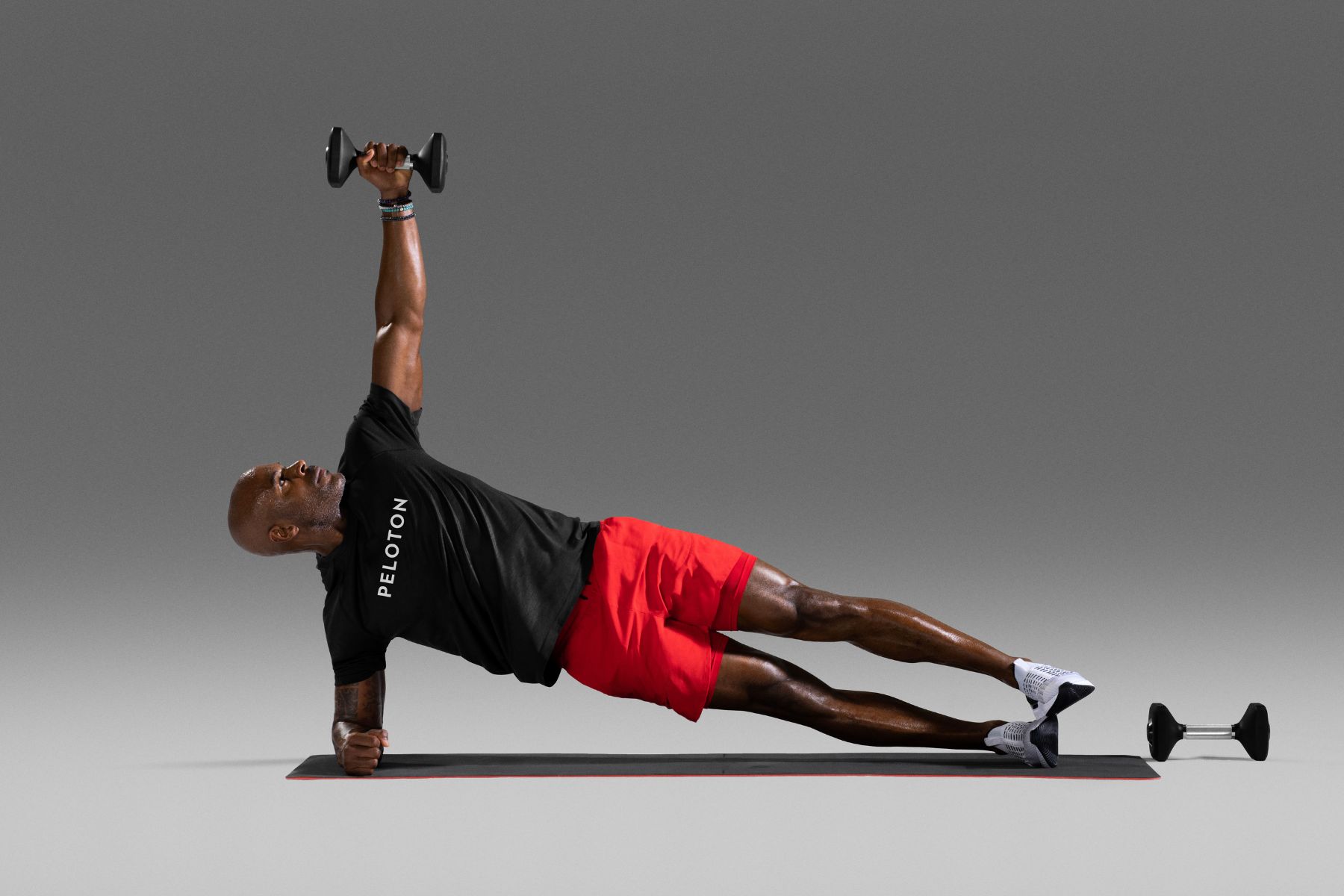
Credit: www.onepeloton.com
Frequently Asked Questions
Can You Do Dumbbell Exercises Every Day Safely?
Yes, you can do dumbbell exercises daily if you vary intensity. Focus on different muscle groups to allow recovery. Overtraining can cause injury, so listen to your body and rest as needed.
How Often Should Beginners Use Dumbbells Weekly?
Beginners should start with 2-3 sessions per week. This frequency allows muscle adaptation and reduces injury risk. Gradually increase frequency as strength improves for best results.
What Are The Benefits Of Daily Dumbbell Workouts?
Daily dumbbell workouts improve strength, endurance, and muscle tone. They enhance metabolism and support weight management. Consistency boosts overall fitness and mental well-being.
Should You Rest Specific Muscles Between Dumbbell Sessions?
Yes, resting targeted muscles 48 hours helps recovery and growth. Alternate muscle groups or do lighter exercises on rest days. Proper rest prevents strain and improves performance.
Conclusion
Dumbbell exercises can be done daily with care and balance. Muscles need rest to grow strong and avoid injury. Choose lighter weights or vary exercises each day. Listen to your body and stop if you feel pain. Consistency helps build strength and improve fitness.
Small steps lead to steady progress. Remember, good form matters more than heavy weights. Enjoy your workouts and stay safe for long-term results.