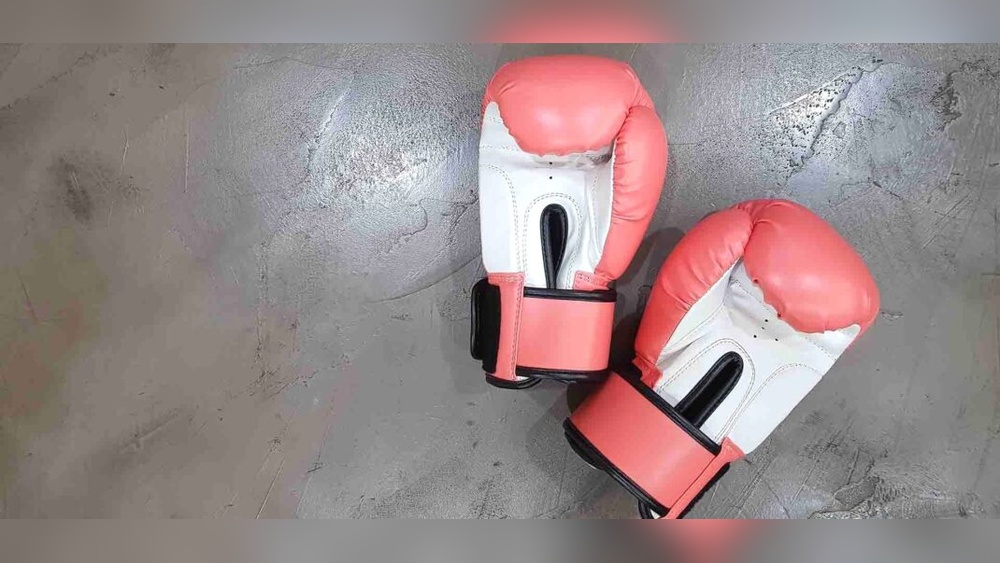
Are you wondering if MMA gloves can protect your hands as well as boxing gloves do? Whether you’re training, sparring, or competing, choosing the right gloves can make a big difference in your performance and safety.
You might think all gloves serve the same purpose, but there’s more to it than meets the eye. Understanding how MMA and boxing gloves work can help you make the best choice for your needs. Keep reading to discover which gloves really offer the protection and effectiveness you’re looking for.
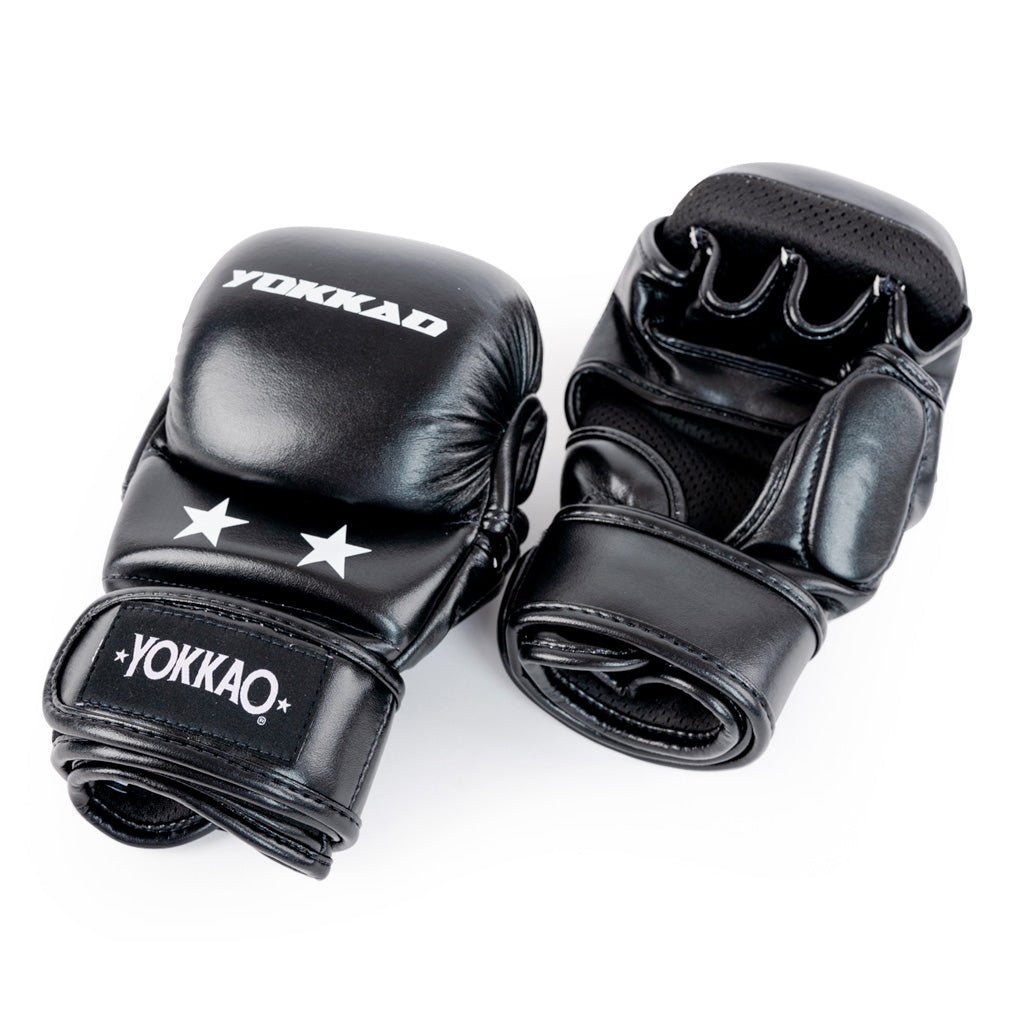
Credit: yokkao.com
Design Differences
The design differences between MMA gloves and boxing gloves affect their performance and use. These gloves serve different purposes, so their structures vary. Understanding these differences helps in choosing the right glove for your training or fight.
Glove Structure
MMA gloves have an open-finger design. This allows fighters to grab and hold their opponent. Boxing gloves cover the entire hand and fingers. They provide full protection but limit finger movement. The open structure of MMA gloves supports versatility. Boxing gloves focus on cushioning for powerful punches.
Padding Distribution
Boxing gloves have thick padding around the knuckles. This padding absorbs impact and protects both fighters. MMA gloves have thinner padding. The padding mainly covers the knuckles but leaves the fingers less protected. This lets fighters use grappling and submissions. The difference in padding changes how each glove feels and performs.
Weight And Size
Boxing gloves are larger and heavier than MMA gloves. They range from 8 to 16 ounces depending on use. MMA gloves usually weigh between 4 to 6 ounces. The lighter weight allows faster hand movement. The size difference also affects hand speed and endurance. Choosing the right weight depends on the sport and training goals.
Protection Levels
Protection levels are key when choosing between MMA gloves and boxing gloves. Both types guard the hands and wrists but offer different levels of safety. Understanding these differences helps in picking the right gear for your training or fight.
Hand And Wrist Support
Boxing gloves provide strong wrist support. They have thick cuffs that wrap tightly around the wrist. This support reduces wrist injuries during heavy punches. MMA gloves have less padding around the wrist. They offer more wrist movement but less stability. This suits grappling but may increase wrist strain in hard strikes.
Impact Absorption
Boxing gloves have more padding to absorb impact. The thick foam spreads the force over a larger area. This lowers the chance of hand injuries and cuts. MMA gloves are lighter and have thinner padding. They protect less from impact but allow better hand speed and flexibility. This makes them less effective at shock absorption.
Injury Prevention
Boxing gloves reduce the risk of broken bones and bruises. The extra padding cushions blows for both fighters. MMA gloves protect the knuckles but leave fingers exposed. This can lead to finger injuries during strikes or grappling. Choosing gloves depends on the sport’s demands and injury risks.
Performance Impact
Performance impact plays a key role in choosing between MMA gloves and boxing gloves. Each type affects how fighters strike, move, and control their hands. The design differences change the way athletes perform during training and fights. Understanding these effects helps decide which glove fits your style best.
Striking Power
Boxing gloves add extra padding around the knuckles. This padding helps absorb shock and protect your hands. It allows you to punch harder without hurting yourself. MMA gloves have less padding, focusing on quick strikes. They protect less but help with precision and multiple strike types. Power feels different with each glove.
Speed And Agility
MMA gloves are lighter and smaller than boxing gloves. This makes your hands faster and easier to move. You can switch between punches and grappling quickly. Boxing gloves are bulkier, which can slow hand speed. Fighters using boxing gloves rely more on strong, controlled punches. Speed and quick movement favor MMA gloves.
Grip And Flexibility
MMA gloves have open fingers for better grip. This design helps with grabbing and holding opponents. It improves flexibility during fights and training. Boxing gloves cover the entire hand, limiting finger movement. This limits grip but offers more wrist support. Grip and flexibility are stronger with MMA gloves.

Credit: www.rvca.com
Training And Usage
Choosing the right gloves for training affects skill development and safety. MMA gloves and boxing gloves serve different purposes during practice. Understanding their differences helps fighters train smarter.
Suitability For Different Techniques
MMA gloves allow better hand mobility. They are open-fingered, helping with grappling and submissions. Boxing gloves offer more padding for powerful punches. They protect the hands during heavy striking. Each glove suits specific techniques better.
Training Scenarios
MMA gloves fit well in mixed martial arts training. They help practice both striking and ground fighting. Boxing gloves work best for pure striking workouts. They reduce hand injuries during intense punching drills. Choosing gloves depends on the training focus.
Sparring Considerations
Boxing gloves provide more padding, making sparring safer. They absorb impact, lowering injury risk for both fighters. MMA gloves offer less protection, so sparring can be rougher. Fighters must be careful and control power. Proper glove choice protects health during sparring sessions.
Competition Rules
Competition rules shape the design and use of gloves in both MMA and boxing. These rules protect fighters and maintain fairness. Different sports require different glove features based on their regulations.
Regulations In Mma
MMA gloves are smaller and lighter. Rules require gloves to weigh between four to six ounces. They must allow fingers to move freely for grappling. This openness helps fighters use holds and submissions.
The gloves have less padding than boxing gloves. This design allows strikes but also permits grabbing. The rules focus on both striking and ground fighting techniques.
Regulations In Boxing
Boxing gloves are larger and more padded. They usually weigh between eight to ten ounces. The rules focus on protecting the hands and reducing face injuries. Gloves cover the whole hand and fingers.
Boxing gloves prevent grabbing and holding. The sport only allows striking with closed fists. Padding helps spread out the impact force during punches.
Impact On Glove Choice
Competition rules decide glove size and padding. MMA gloves favor mobility and versatility. Boxing gloves focus on protection and power.
Choosing the right glove depends on the sport’s rules. Using the wrong glove can lead to penalties or injuries. Fighters must follow the glove standards set by their competition.

Credit: www.rvca.com
User Preferences
User preferences play a big role in choosing between MMA gloves and boxing gloves. Each type offers different benefits. Comfort, safety, and skill level influence what users prefer. Understanding these factors helps in picking the right glove for training or competition.
Comfort And Fit
Comfort is key for any fighter. Boxing gloves cover the entire hand and wrist. This offers more padding but can feel bulky. MMA gloves are lighter and allow finger movement. This helps with grappling and quick strikes. Some prefer snug MMA gloves for better hand control. Others like the extra cushion boxing gloves provide. Personal comfort depends on hand shape and use.
Personal Safety Priorities
Safety concerns affect glove choice. Boxing gloves have thick padding to protect knuckles and wrists. They reduce the risk of hand injuries during heavy punches. MMA gloves are thinner and offer less padding. They focus more on flexibility than protection. Fighters who want maximum wrist support may choose boxing gloves. Those who want better hand mobility might pick MMA gloves. Safety priorities differ by fighting style.
Experience Level
Experience guides glove selection too. Beginners often prefer boxing gloves. They provide more hand protection. This helps avoid injuries while learning. Advanced fighters may lean toward MMA gloves. These gloves suit mixed martial arts techniques better. Experienced users can handle less padding safely. They also need gloves that allow grappling and striking. Skill level matters in glove preference.
Frequently Asked Questions
Are Mma Gloves As Protective As Boxing Gloves?
MMA gloves offer less padding, prioritizing flexibility over protection. Boxing gloves provide more cushioning, reducing hand and opponent injury risks. For heavy impact training, boxing gloves are safer. MMA gloves suit grappling and striking but with less shock absorption.
Can Mma Gloves Be Used For Boxing Training?
MMA gloves are not ideal for boxing training. They lack sufficient padding to protect hands during repeated punches. Boxing gloves are designed to absorb impact and protect both fighters. Using MMA gloves for boxing may increase injury risk.
What Are The Main Differences Between Mma And Boxing Gloves?
MMA gloves are lighter, open-fingered, and allow grappling. Boxing gloves are heavier, fully padded, and designed for punching. MMA gloves prioritize mobility; boxing gloves focus on impact absorption and hand protection during strikes.
Do Mma Gloves Affect Punching Power Compared To Boxing Gloves?
MMA gloves offer less padding, resulting in more direct force transfer. Boxing gloves reduce punching power due to thicker cushioning. However, boxing gloves protect hands better, enabling harder punches safely during training and matches.
Conclusion
MMA gloves and boxing gloves serve different purposes in the ring. Each offers unique protection and flexibility. MMA gloves allow more hand movement and grappling. Boxing gloves provide more padding for powerful punches. Choosing the right gloves depends on your training and goals.
Both types help improve skills safely when used properly. Understanding their differences helps you make a smart choice. Gloves are tools, not substitutes for technique. Keep practicing, stay safe, and enjoy your sport.