Have you ever wondered what happens if a police officer asks to search your locked glove box? You might think your locked compartment is private and off-limits, but is that really the case?
Understanding your rights in this situation is crucial because it can affect your freedom and privacy. This article will clear up the confusion and give you the facts you need to protect yourself. Keep reading to learn exactly what police are allowed to do when it comes to searching your locked glove box.
Police Search Laws
Police search laws protect your rights during vehicle searches. They set clear rules about when and how officers can search your car. These laws balance public safety and personal privacy. Understanding these rules helps you know what to expect if stopped by police.
One key question is whether police can search a locked glove box without your permission. The answer depends on legal standards and specific exceptions. Let’s explore these rules in detail.
Legal Standards For Vehicle Searches
Police generally need a warrant to search a vehicle. Warrants come from a judge after showing good reason. But vehicles have special rules because they can quickly move away. Officers must have probable cause to search without a warrant. Probable cause means there is a strong reason to believe evidence is inside. Locked compartments, like glove boxes, can be searched if officers have this cause.
Exceptions To The Warrant Requirement
Some situations allow police to search without a warrant or your consent. One is the “search incident to arrest.” This means police can search your car after they arrest you. Another exception is the “plain view” rule. If police see illegal items in your glove box, they can search it. Police can also search during a “probable cause” situation, such as smelling drugs or seeing weapons. Each exception limits when and how police can act.
Glove Box Specifics
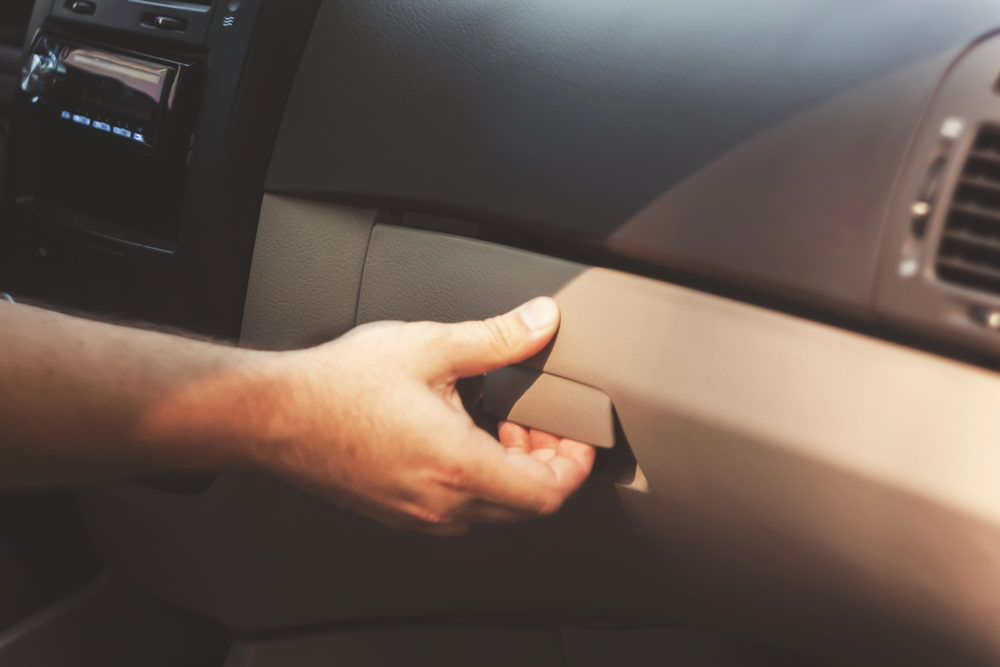
The glove box in a car is often used to store personal items. Many people lock it to protect their belongings. But does a locked glove box mean it is private? This question matters in legal situations. Police may want to search it during a stop. Understanding the rules about glove box searches helps drivers know their rights.
This section explains the specifics about searching a locked glove box. It covers whether it counts as private space. It also looks at case law that guides police actions.
Is A Locked Glove Box Considered Private?
A locked glove box is more private than an open one. Locking shows the driver wants to keep things hidden. Courts often see it as a space with an expectation of privacy. This means police usually need a warrant or strong reason to search it. Without permission or a warrant, searching a locked glove box may violate privacy rights.
Case Law On Glove Box Searches
Several court cases explain when police can search glove boxes. Some rulings say police need probable cause or a warrant. Others allow searches if the glove box holds evidence of a crime. Courts often balance privacy rights with police duties. These cases show that locked glove boxes are protected but not absolute. The details of each case matter a lot.
Your Rights During A Search
Knowing your rights during a police search is very important. Officers must follow rules before searching your car or belongings. This includes your locked glove box. Understanding when you can say no helps protect your privacy. It also helps you stay calm and respectful in a tough situation.
When You Can Refuse A Search
You can refuse a search if the officer has no warrant. Police usually need your permission or a warrant to search locked areas. If they do not have either, you can say no. You do not have to open your glove box without a good reason. Always ask if you are free to leave before agreeing to a search.
How To Respond If Asked To Unlock
Stay polite and calm when asked to open your glove box. You can say, “I do not consent to a search.” Refusing to unlock it does not mean you are guilty. You should never physically resist or argue. Instead, state your rights clearly and wait for the officer’s next step. Your calm behavior can help avoid problems.

Credit: www.egattorneys.com
Consequences Of Illegal Searches
Illegal searches by police can cause serious problems. These searches break the law and violate your rights. The consequences affect both the investigation and your personal freedom.
Understanding these consequences helps protect you and others. It also holds law enforcement accountable for their actions.
Suppression Of Evidence
Evidence found in illegal searches may not be used in court. This rule is called the “exclusionary rule.” It stops police from using unlawfully obtained proof against you.
Without this evidence, prosecutors might lose key parts of their case. This can lead to charges being dropped or reduced.
Suppression protects your rights and ensures police follow the law.
Filing Complaints Against Police Misconduct
You can report police misconduct if they search illegally. Complaints help hold officers responsible for breaking rules.
These complaints can be filed with police departments or independent agencies. They may lead to investigations and disciplinary action.
Filing complaints encourages fair treatment and improves law enforcement practices.
Practical Tips
Knowing your rights during a police stop helps protect your privacy. Practical tips can guide you on what to do if officers want to search your locked glove box. Staying calm and prepared makes a big difference. Here are some easy steps to keep in mind.
Keeping Your Vehicle Secure
Always lock your car doors and glove box. This simple step adds a layer of protection. Keep valuables out of sight to avoid suspicion. Store important documents in a safe place. Regularly check your car for any damage or forced entry signs. A secure vehicle reduces the chances of unwanted searches.
Documenting Interactions With Police
Stay polite and clear during police stops. Use your phone to record the encounter if possible. Note the officer’s name, badge number, and patrol car number. Write down the time and place of the stop. Record what the officer says about searching your glove box. This information may help later if you need to challenge a search.
Credit: www.riddelllaw.com

Credit: newjerseymonitor.com
Frequently Asked Questions
Can Police Search A Locked Glove Box Without Permission?
Police generally need a warrant or your consent to search a locked glove box. Exceptions include probable cause or exigent circumstances, such as immediate danger or evidence destruction. Without these, searching a locked glove box may violate your Fourth Amendment rights.
What Laws Protect My Locked Glove Box From Searches?
The Fourth Amendment protects against unreasonable searches and seizures, including locked glove boxes. Police must have a warrant, probable cause, or your consent to search. Understanding these protections helps you know when police can legally access your locked glove box.
Does Locking My Glove Box Prevent Police Searches?
Locking your glove box shows your expectation of privacy, but it doesn’t guarantee protection. Police may still search it with a warrant, probable cause, or consent. Locking can strengthen your case against unlawful searches but is not an absolute safeguard.
When Can Police Legally Break Into A Locked Glove Box?
Police can break into a locked glove box if they have a warrant or probable cause. Emergency situations, like preventing harm or evidence loss, also justify such searches. Otherwise, breaking in without legal grounds is unlawful.
Conclusion
Police can search a locked glove box only under certain conditions. They need your permission, a warrant, or a valid reason like probable cause. Knowing your rights helps you stay calm and protect yourself. Always stay polite and clear during any police encounter.
Understanding these rules keeps you informed and safe. Remember, each situation is different and depends on the law. Stay aware and know what the police can and cannot do. This knowledge helps you handle searches with confidence and care.