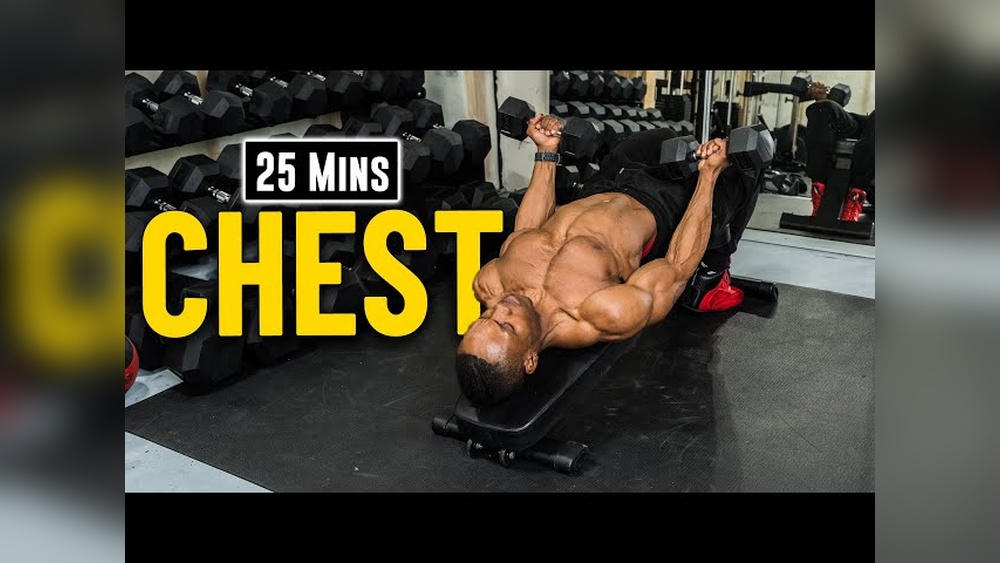
If you want to build a strong, defined chest without complicated machines, this workout is for you. Using just dumbbells and a bench, you can target every part of your chest effectively.
Imagine feeling the power in your muscles grow with each rep, seeing your chest shape improve week by week. Whether you’re a beginner or looking to break through a plateau, this chest workout will help you get real results. Ready to transform your upper body and boost your confidence?
Keep reading, because your best chest workout starts here.
Credit: scala-santa.com
Benefits Of Dumbbell Chest Workouts
Dumbbell chest workouts offer many benefits that improve your strength and muscle health. Using dumbbells allows for natural movement, which reduces stress on your joints. These workouts help build a strong, balanced chest with better control and stability.
They are simple to do at home or in the gym and suit all fitness levels. Dumbbells also engage more muscles compared to machines or barbells. This means you get more from every workout session.
Improved Muscle Activation
Dumbbells require each side of the chest to work independently. This activates more muscle fibers and improves strength. You can target different parts of the chest by changing angles. This leads to better muscle growth and definition.
Enhanced Range Of Motion
Dumbbells allow your arms to move freely in all directions. This increases the range of motion during exercises. A larger range helps stretch and contract chest muscles fully. It boosts muscle flexibility and reduces injury risk.
Balanced Strength Development
Dumbbell exercises help fix muscle imbalances between left and right sides. Each arm lifts its own weight, preventing one side from dominating. Balanced strength improves posture and overall body coordination. This creates a more even and strong chest.
Essential Equipment For Chest Training
Building a strong chest requires the right tools. Using dumbbells and a bench effectively targets chest muscles. Having essential equipment ensures safe and efficient workouts. Choosing the proper gear helps maintain form and avoid injuries.
Choosing The Right Dumbbells
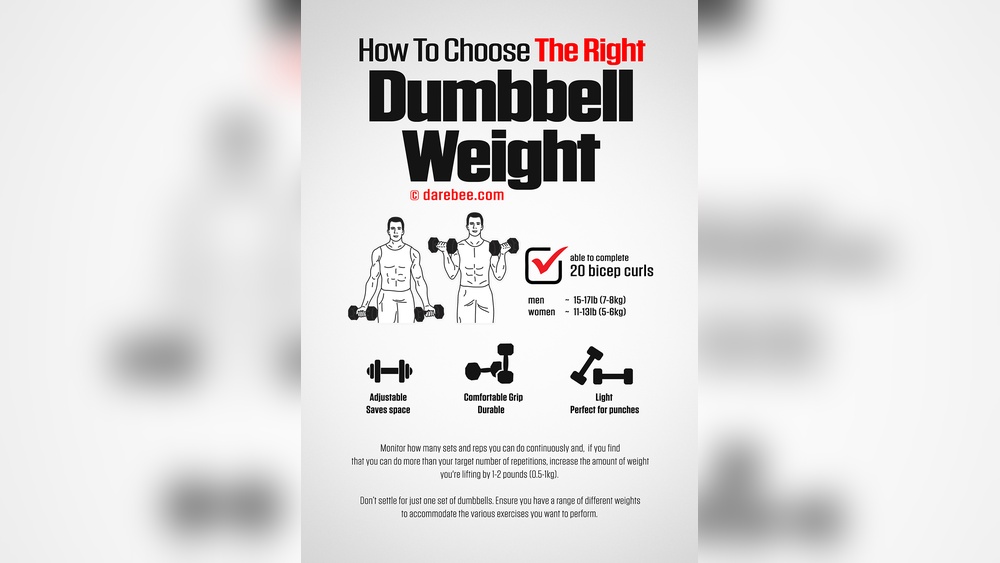
Select dumbbells that match your strength level. Adjustable dumbbells save space and offer flexibility. Start with lighter weights to learn correct form. Increase weight gradually to build muscle safely. Rubber-coated dumbbells protect floors and reduce noise.
Selecting The Best Bench
Pick a bench that is sturdy and stable. Adjustable benches allow different angles for varied exercises. Look for benches with comfortable padding for support. A bench with a non-slip base improves safety. Ensure the bench fits your workout space easily.
Setting Up A Safe Workout Space
Clear an area free of clutter and hazards. Use a flat, non-slip surface to place your bench. Keep dumbbells within reach but out of walkways. Good lighting helps maintain focus and form. Ensure enough space to move freely during exercises.
Top Dumbbell Chest Exercises
Building a strong chest with dumbbells and a bench is simple and effective. Dumbbells allow for a greater range of motion and better muscle activation. Using different bench angles targets all parts of the chest. Here are the best dumbbell exercises for a complete chest workout.
Flat Dumbbell Bench Press
The flat dumbbell bench press works the middle chest muscles. Lie flat on the bench with a dumbbell in each hand. Press the weights up until your arms are straight. Lower the dumbbells slowly to chest level. This exercise builds strength and size in the chest.
Incline Dumbbell Press
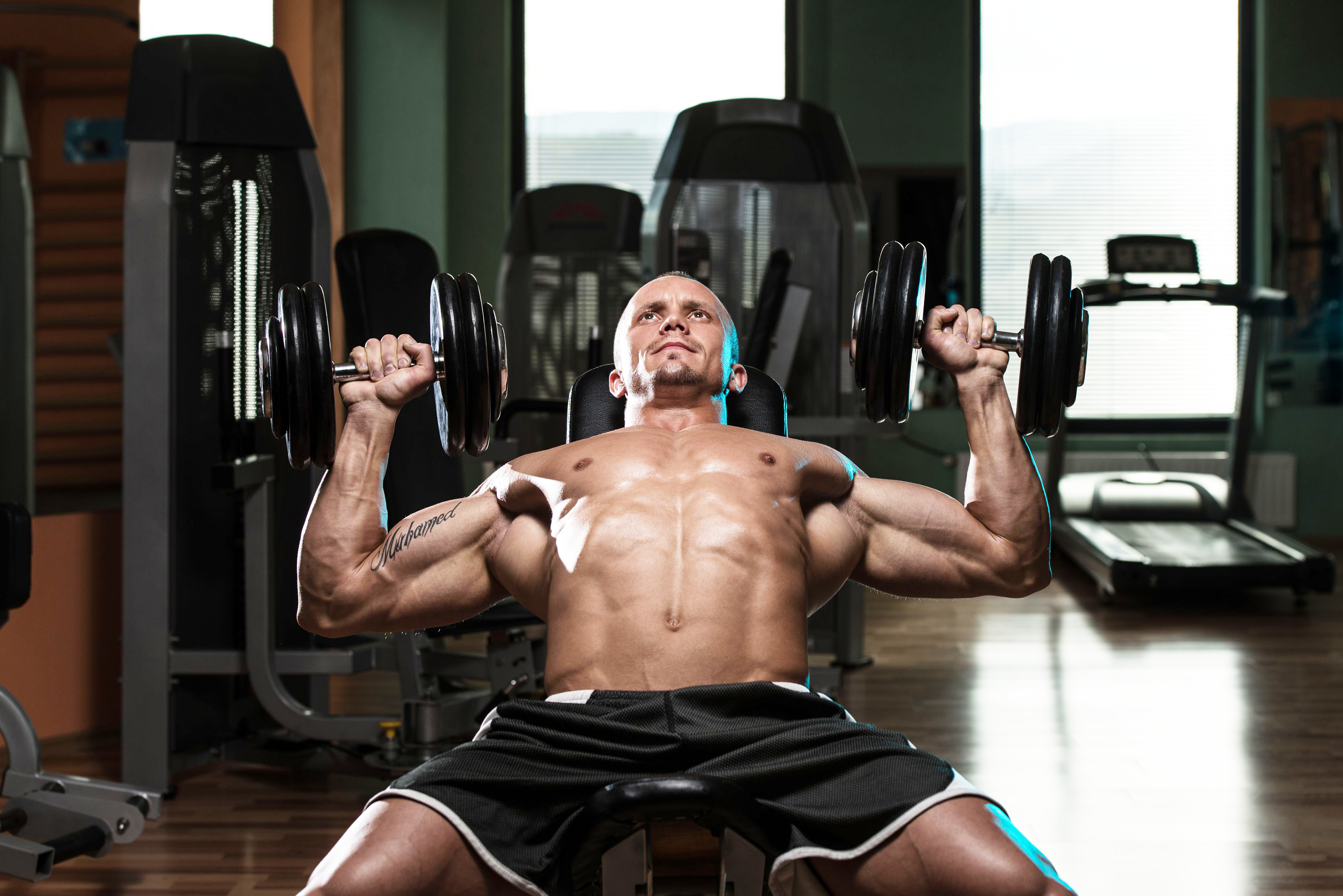
The incline dumbbell press targets the upper chest. Set the bench at a 30-45 degree angle. Press the dumbbells up and together above your chest. Lower them slowly to your shoulders. This move improves the upper chest’s shape and strength.
Decline Dumbbell Press
The decline dumbbell press focuses on the lower chest. Adjust the bench to a decline position. Press the dumbbells upward from your lower chest. Lower the weights carefully for a full stretch. This helps develop the lower chest and adds muscle balance.
Dumbbell Flyes
Dumbbell flyes stretch and build the chest muscles. Lie flat on the bench holding dumbbells above your chest. Slowly open your arms wide to the side. Bring the weights back up using your chest muscles. This move improves chest flexibility and definition.
Pullover For Chest Expansion
The pullover increases chest size and expands the rib cage. Lie on the bench with one dumbbell held above your chest. Move the dumbbell slowly backward over your head. Pull it back over your chest using your chest muscles. This exercise helps open the chest and improve breathing.

Credit: www.magicfactory.pt
Proper Form And Technique
Proper form and technique are crucial for chest workouts with dumbbells and a bench. They help target the right muscles and prevent injuries. Maintaining good form allows you to lift more effectively and get better results. Small details in your movement can make a big difference in your workout quality.
Grip And Hand Position
Hold the dumbbells firmly but not too tight. Keep your wrists straight to avoid strain. Your palms should face forward or slightly inward. This grip helps engage the chest muscles well. Avoid letting your hands drift too far apart or too close. Proper hand position improves control and muscle activation.
Controlling The Movement
Move the dumbbells slowly and steadily. Lower them until your elbows are just below the bench level. Avoid dropping the weights quickly. Use smooth and controlled motions for both lifting and lowering. This control keeps tension on the chest muscles. It also reduces the risk of injury or joint strain.
Breathing Patterns
Exhale as you push the dumbbells up. Inhale while lowering them down. Proper breathing supports muscle effort and stability. It helps maintain rhythm and focus. Holding your breath can increase blood pressure and cause dizziness. Follow this breathing pattern for safer and better workouts.
Common Mistakes To Avoid
Do not arch your back excessively during presses. Keep your feet flat on the floor for balance. Avoid locking your elbows at the top of the movement. Do not let dumbbells touch each other above your chest. These mistakes reduce workout effectiveness and increase injury risks. Focus on form to maximize benefits.
Designing An Effective Chest Workout Plan
Designing an effective chest workout plan with dumbbells and a bench requires focus and structure. A good plan targets all parts of the chest for balanced strength and shape. It also prevents injury and helps steady progress.
Each part of the workout plays a role. Warm-up prepares the muscles. Exercise order keeps energy high. Rest allows recovery. Progressive overload pushes growth. These elements form a strong foundation.
Warm-up Strategies
Start with light movements to raise your heart rate. Arm circles or push-ups on knees work well. Use light dumbbells for a few sets to warm the chest muscles. This reduces injury risk and improves performance.
Exercise Order And Reps
Begin with compound movements like dumbbell bench press. These use multiple muscles and require more energy. Follow with isolation exercises such as dumbbell flyes. Aim for 8 to 12 reps per set. Adjust reps based on your goals: fewer reps for strength, more for endurance.
Rest And Recovery Periods
Rest between sets for 60 to 90 seconds. This helps muscles recover and keeps workout intensity high. Take at least 48 hours before training chest again. Proper rest allows muscles to repair and grow stronger.
Progressive Overload Tips
Gradually increase dumbbell weight or reps over time. Small changes add up and build muscle effectively. Track your progress to stay motivated. Change exercises or angles to challenge muscles differently. Consistency is key to steady gains.
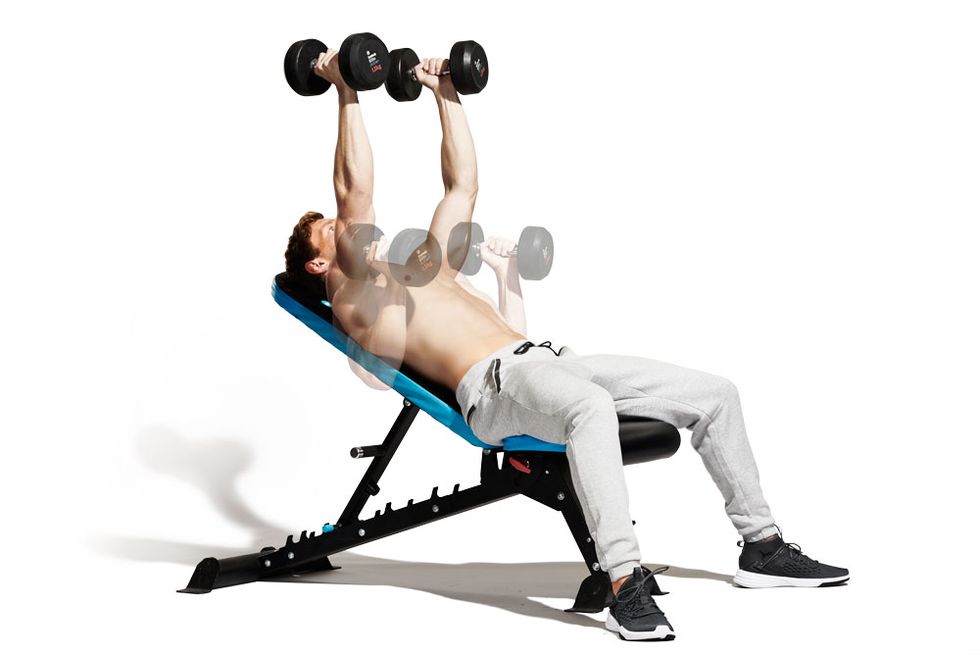
Credit: www.menshealth.com
Incorporating Dumbbell Workouts With Other Training
Incorporating dumbbell workouts with other training methods enhances chest development. It adds variety and targets muscles from different angles. This approach improves strength and muscle balance. Mixing dumbbells with other exercises keeps workouts fresh and effective.
Combining With Bodyweight Exercises
Bodyweight moves like push-ups work well with dumbbell exercises. Push-ups activate chest muscles without equipment. They improve endurance and control. Pairing push-ups with dumbbell presses creates a complete chest workout. This combo builds strength and stamina.
Integrating With Barbell Training
Barbell exercises allow lifting heavier weights. They build raw strength in the chest. Using barbells with dumbbells targets muscles differently. Dumbbells increase range of motion and muscle activation. Alternating between barbells and dumbbells prevents plateaus and boosts gains.
Balancing Chest Workouts With Back Exercises
Strong back muscles improve posture and chest performance. Balancing chest and back workouts prevents muscle imbalances. Rows and pull-ups complement dumbbell chest presses well. This balance reduces injury risk and supports overall strength. Train chest and back evenly for best results.
Nutrition And Recovery For Chest Growth
Nutrition and recovery are key for building a bigger chest. Working out with dumbbells and a bench breaks down muscle fibers. The body needs fuel and rest to repair and grow these muscles stronger.
Without proper nutrition and recovery, chest gains will slow down or stop. Focus on eating the right foods and giving your body time to heal.
Protein Intake Guidelines
Protein helps rebuild muscle after exercise. Eat about 1.2 to 2 grams of protein per kilogram of body weight daily. Good protein sources include chicken, fish, eggs, and beans. Spread protein intake evenly across meals for best results.
Post-workout Nutrition
After chest workouts, muscles need quick nutrients. Have a meal or snack with protein and carbs within 30 minutes. This helps muscle repair and replenishes energy stores. Examples are a protein shake with fruit or yogurt with granola.
Importance Of Sleep
Sleep is when muscle growth happens. Aim for 7 to 9 hours of quality sleep each night. Poor sleep reduces recovery and strength gains. Create a calm sleep environment and stick to a regular schedule.
Managing Muscle Soreness
Soreness shows muscles are healing. Use light stretching or walking to ease soreness. Apply ice or heat if needed. Rest days help muscles recover fully before the next workout.
Advanced Techniques For Chest Gains
Advanced techniques help you push your chest workouts further. They increase muscle growth and strength. Using dumbbells and a bench, you can try new methods. These techniques challenge your muscles in different ways. They also keep workouts interesting and effective.
Focus on form and control. Avoid rushing through exercises. This ensures better results and lowers injury risk. Let’s explore some powerful techniques for chest gains.
Drop Sets And Supersets
Drop sets involve lowering the weight after muscle fatigue. Keep doing reps without rest. This pushes muscles past normal limits. Supersets mean doing two exercises back-to-back. Target the same muscle or opposing muscles. Both methods increase intensity and burn more calories.
Tempo Variations
Tempo is the speed of each movement. Slow down the lowering phase to build tension. Pause briefly at the bottom or top of the lift. Changing tempo stresses muscles differently. This improves strength and control. It also boosts muscle size over time.
Isometric Holds
Isometric holds mean keeping the muscle tight without moving. Hold the dumbbells in a fixed position during the exercise. This increases muscle endurance and strength. It also helps improve your mind-muscle connection. Use holds at the toughest part of the lift.
Incorporating Unilateral Training
Unilateral training means working one side of the body at a time. Use one dumbbell and focus on one arm. This helps fix muscle imbalances. It also improves stability and control. Unilateral exercises challenge your core and support muscles more.
Frequently Asked Questions
What Are The Best Dumbbell Chest Exercises With A Bench?
The best dumbbell chest exercises with a bench include flat dumbbell press, incline dumbbell press, and dumbbell flyes. These target different chest areas effectively. They also improve muscle balance and strength with controlled movement and range of motion.
How Often Should I Do Dumbbell Chest Workouts Weekly?
For optimal results, perform dumbbell chest workouts 2 to 3 times per week. Allow 48 hours of rest between sessions for muscle recovery. This frequency helps build strength and muscle size without overtraining or risking injury.
Can Dumbbell Chest Workouts Replace Barbell Exercises?
Yes, dumbbell chest workouts can effectively replace barbell exercises. Dumbbells promote balanced muscle development and greater range of motion. They also reduce joint strain and improve muscle stabilization, enhancing overall chest strength and definition.
What Is The Ideal Bench Angle For Dumbbell Chest Workouts?
The ideal bench angle varies by exercise: 0° for flat press, 30-45° for incline press, and 15-30° for incline flyes. Adjusting the bench angle targets different chest muscle areas for a balanced and complete chest workout.
Conclusion
Dumbbells and a bench offer great chest workout options. You can build strength and shape muscles effectively. Simple exercises like presses and flies target the chest well. Consistency matters most for good results. Rest and good nutrition help muscles grow.
Try to increase weights slowly for progress. Stay safe by using correct form every time. This workout fits well at home or gym. Keep your routine balanced with other body parts. Enjoy your fitness journey step by step.