Are you wondering if dumbbell flyes can really help you build chest mass? You’re not alone.
Many people ask if this exercise is the key to a bigger, stronger chest or just a nice addition to their routine. The truth might surprise you. By the end of this article, you’ll know exactly how dumbbell flyes affect your chest muscles and whether they deserve a spot in your workout.
Keep reading to discover how to get the most out of your chest training and see real results.
Credit: www.youtube.com
Dumbbell Flyes And Chest Growth
Dumbbell flyes are a popular exercise for chest training. They focus on stretching and contracting the chest muscles. This movement can help increase muscle size and improve chest shape. Many people wonder if dumbbell flyes alone can build significant chest mass.
The exercise works by isolating the chest muscles, which can lead to muscle growth. Using dumbbells allows a greater range of motion than machines or barbells. This helps target the chest fibers deeply. Understanding how dumbbell flyes activate muscles is key to seeing their effect on chest growth.
Muscle Activation In Dumbbell Flyes
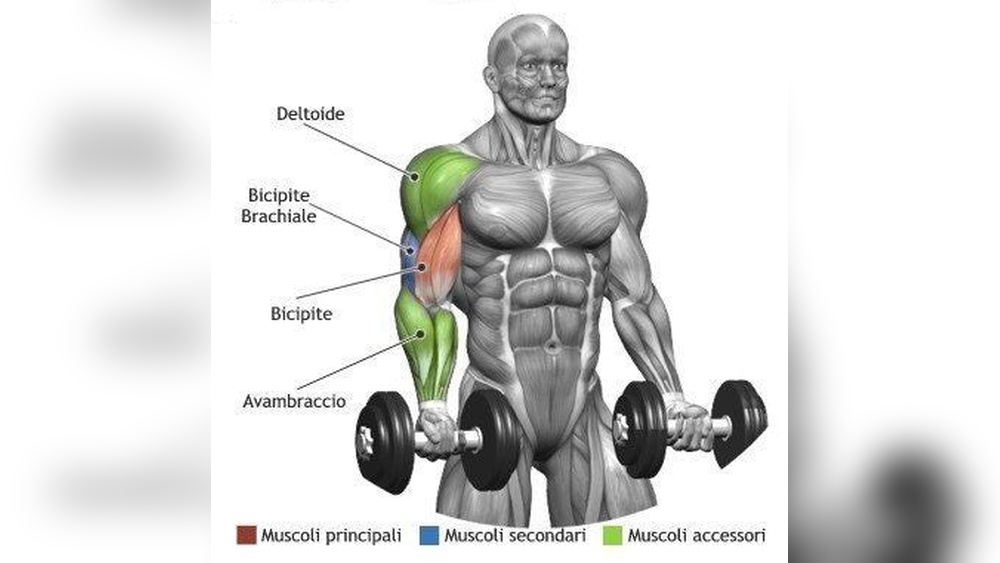
Dumbbell flyes mainly activate the pectoralis major. This is the large muscle covering the chest. The exercise also involves the anterior deltoids and the biceps slightly. The motion stretches the chest muscles at the bottom and contracts them at the top. This stretch and squeeze promote muscle fiber damage. Muscle repair after this damage leads to muscle growth.
Targeted Chest Muscles
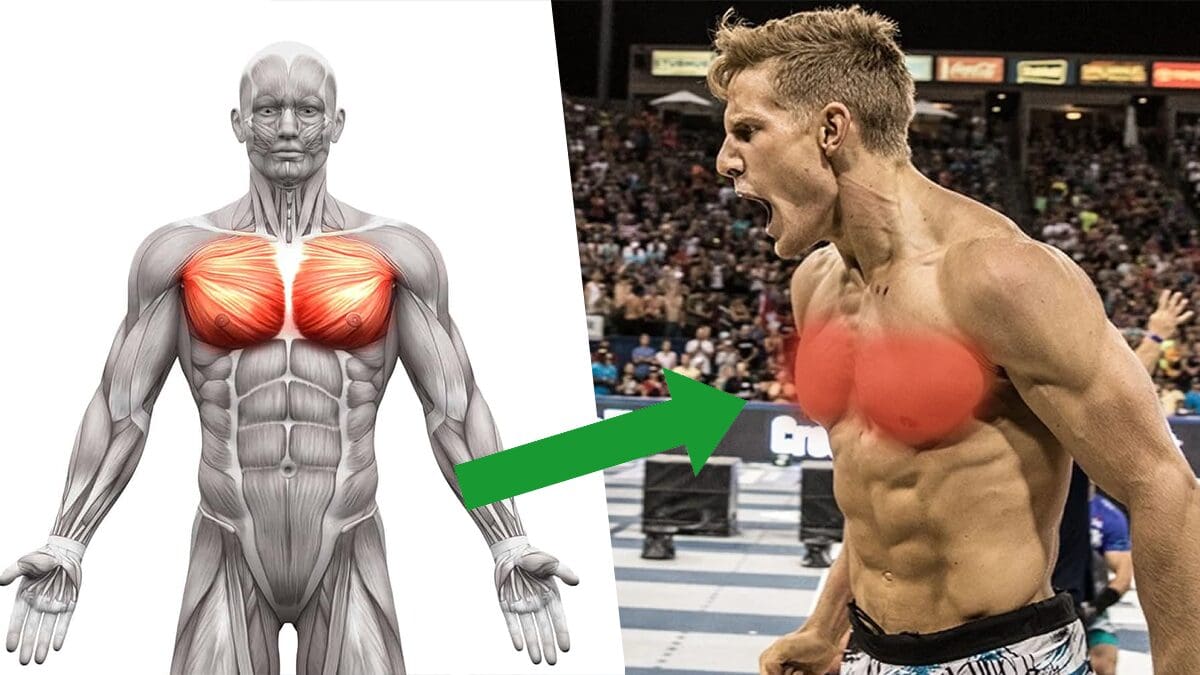
The primary target is the pectoralis major, especially the outer chest area. Dumbbell flyes help widen the chest by focusing on the muscle’s outer edges. The movement also lightly engages the upper chest and shoulder muscles. The isolation helps develop chest shape and definition. This makes dumbbell flyes useful for sculpting the chest.
Comparison With Other Chest Exercises
Dumbbell flyes differ from presses, which involve pushing weight away. Presses target the chest, shoulders, and triceps together. Flyes isolate the chest more but use less weight. This limits the maximum muscle load compared to presses. Presses usually build more overall chest mass. Flyes work best as a complement to presses, not a replacement.
Proper Form And Technique
Proper form and technique are essential to build chest mass with dumbbell flyes. Using the right form helps target the chest muscles effectively. It also reduces the risk of injury. Understanding how to position your body and move the weights correctly leads to better results.
Starting Position
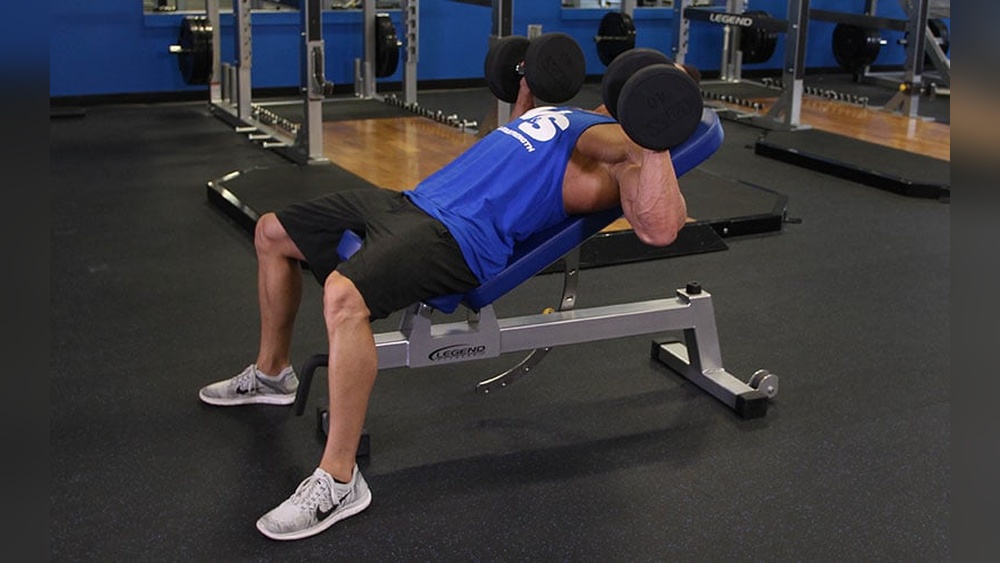
Lie flat on a bench with a dumbbell in each hand. Keep your feet flat on the floor for stability. Hold the dumbbells above your chest with a slight bend in your elbows. Your palms should face each other. Tighten your core to keep your back flat on the bench.
Movement Execution
Slowly lower the dumbbells out to the sides of your chest. Keep your elbows slightly bent throughout the movement. Stop when your arms are parallel to the floor or slightly below. Bring the dumbbells back up by squeezing your chest muscles. Avoid using momentum; move in a controlled way.
Common Mistakes To Avoid
Do not lock your elbows or straighten your arms completely. Avoid lowering the weights too far, which can strain your shoulders. Don’t let your back arch off the bench. Avoid fast, jerky movements that reduce muscle tension. Keep the motion smooth and steady for best results.
Optimizing Muscle Growth
Optimizing muscle growth requires more than just doing dumbbell flyes. It means following smart training plans and recovery habits. Small changes can lead to bigger chest muscles over time. Understanding key factors can help you build chest mass effectively.
Progressive Overload Strategies
Progressive overload means making your muscles work harder step by step. Increase the dumbbell weight slowly over weeks. You can also add more reps or sets. This challenges your chest muscles to grow stronger. Keep track of your progress to avoid plateaus.
Volume And Frequency
Volume is the total amount of work done. Frequency is how often you train your chest. Doing flyes two to three times a week helps muscle growth. Do enough sets and reps to tire your muscles. Avoid too little or too much volume for best results.
Rest And Recovery
Muscles grow when you rest, not during workouts. Give your chest at least 48 hours to recover. Sleep well and eat enough protein for repair. Rest prevents injury and keeps your strength up. Balance training and recovery to build chest mass.
Credit: www.boxrox.com
Complementary Exercises
Complementary exercises help build a bigger and stronger chest. Dumbbell flyes work the chest muscles, but combining other exercises creates better results. These exercises target the chest from different angles. They also improve strength and muscle size faster.
Press Variations
Press exercises like bench press and dumbbell press are key. They focus on pushing motions that build chest mass. Flat, incline, and decline presses work different parts of the chest. Using barbells or dumbbells changes the muscle activation. Presses also engage shoulders and triceps, helping overall upper body strength.
Cable And Machine Work
Cable and machine exercises keep constant tension on the chest muscles. Cable flyes and chest presses allow smooth, controlled movements. Machines help isolate the chest without relying on balance. They are good for beginners or those rehabbing injuries. These tools add variety and improve muscle endurance.
Bodyweight Movements
Bodyweight exercises like push-ups build chest strength anywhere. Changing hand positions changes the focus on chest muscles. Decline push-ups hit the upper chest harder. Wide push-ups target the outer chest. These exercises improve muscle control and can be done without equipment.
Nutrition For Chest Mass
Nutrition plays a key role in building chest mass along with exercises like dumbbell flyes. Without the right food, muscles cannot grow well. Eating the right nutrients helps repair and build muscle fibers after workouts. A good diet supports strength and size gains in the chest area.
Focus on foods that fuel muscle growth. Eating enough protein, calories, and supplements can improve your results. Let’s explore how nutrition supports chest mass effectively.
Protein Intake
Protein is the main building block for muscles. Eating enough protein helps repair tiny muscle tears from dumbbell flyes. Aim for at least 1.2 to 2 grams of protein per kilogram of body weight daily. Include lean meats, eggs, dairy, beans, and nuts in your meals. Spread protein intake across the day for steady muscle repair.
Caloric Surplus
To build chest mass, your body needs extra energy. This means eating more calories than you burn. A small caloric surplus of 250 to 500 calories daily supports muscle growth without gaining too much fat. Choose healthy calorie sources like whole grains, fruits, vegetables, and healthy fats. Track your calorie intake to stay on target.
Supplement Tips
Supplements can help fill nutrition gaps. Whey protein powder offers a quick protein boost after workouts. Creatine supports muscle strength and size gains over time. Branched-chain amino acids (BCAAs) may reduce muscle soreness and aid recovery. Use supplements wisely, not as a food replacement. Always check with a healthcare provider before starting new supplements.
Common Myths About Dumbbell Flyes
Dumbbell flyes are a popular exercise for chest training. Many myths surround their use and effects. These myths can confuse beginners and slow progress. Clearing up these myths helps you use flyes better and safer. Let’s explore some common misunderstandings about dumbbell flyes.
Flyes Cause Shoulder Injuries
Some say dumbbell flyes harm your shoulders. This is not true if done correctly. Poor form can cause pain, but flyes themselves are safe. Keep a slight bend in your elbows. Avoid lowering weights too far back. Controlled movement protects your shoulder joints.
Flyes Are Only For Definition
Dumbbell flyes do more than just shape your chest. They help stretch and work chest muscles deeply. This can add size and strength, not only tone. Flyes complement pressing exercises well. They target muscle fibers differently, aiding growth.
Flyes Alone Build Massive Chest
Flyes are effective but not enough alone. Building a big chest needs variety in exercises. Combine flyes with presses, push-ups, and dips. Use progressive overload for muscle growth. Relying on flyes only limits your chest size potential.

Credit: www.menshealth.com
Frequently Asked Questions
Do Dumbbell Flyes Effectively Build Chest Muscle?
Yes, dumbbell flyes target the chest muscles by stretching and contracting them. They enhance muscle shape and size when combined with compound lifts.
How Do Dumbbell Flyes Compare To Bench Press?
Dumbbell flyes isolate the chest, focusing on muscle stretch. Bench press works multiple muscles and allows heavier weights, promoting overall mass gain.
Can Dumbbell Flyes Increase Chest Strength?
Dumbbell flyes mainly improve chest muscle endurance and definition. For maximum strength, compound exercises like bench press are more effective.
How Often Should I Do Dumbbell Flyes For Growth?
Perform dumbbell flyes 2-3 times weekly with proper form. Allow rest days for muscle recovery and optimal chest growth.
Conclusion
Dumbbell flyes help target chest muscles effectively. They stretch and contract muscle fibers well. This exercise complements pressing movements like bench presses. Chest mass grows best with varied exercises and proper nutrition. Consistency and correct form matter most for results.
Include flyes in your workout routine regularly. Focus on steady progress and listen to your body. Patience and effort lead to stronger, bigger chest muscles.