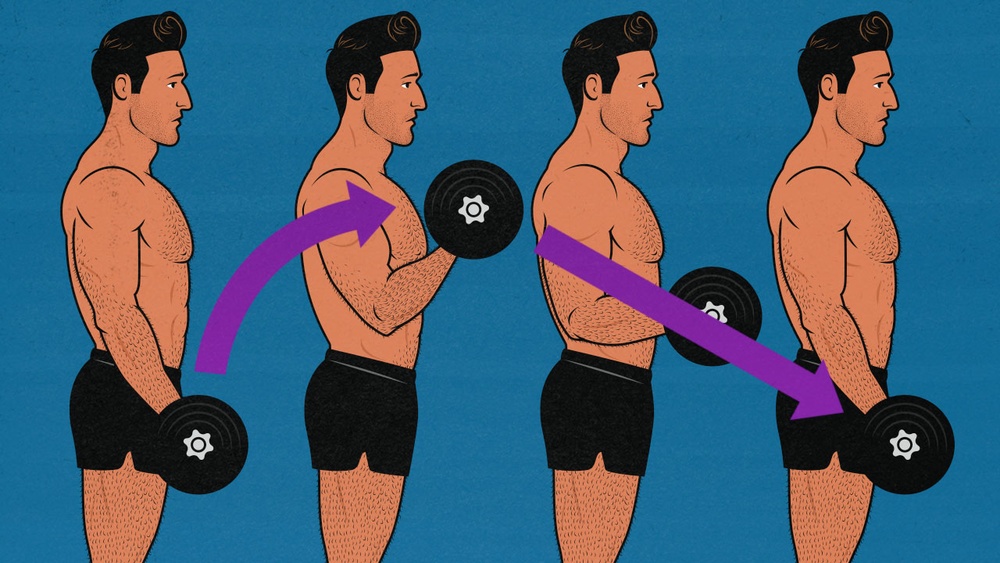
Are you wondering how many times you should lift dumbbells to see real results? It’s a question that can make your workouts feel confusing or overwhelming.
The truth is, the right number of reps can make a huge difference in building strength, toning muscles, or boosting endurance. You’ll discover the simple, effective guidelines that fit your goals and your body. Keep reading, and you’ll learn exactly how to lift smarter—not just harder—to get the results you want faster.
Choosing The Right Frequency
Choosing the right frequency for lifting dumbbells is important for good results. How often you train affects your muscle growth, strength, and recovery. Finding a balance helps you avoid injury and stay motivated. The key is to plan workouts that fit your body’s needs and your goals.
Here are two common approaches to frequency and how they work for most people.
Daily Vs Weekly Workouts
Some people lift dumbbells every day. This can build habit and keep muscles active. But training the same muscles daily may cause tiredness and slow recovery. Muscles need rest to grow stronger.
Others prefer weekly workouts, such as three to four times a week. This gives muscles enough time to heal between sessions. It can help avoid burnout and overuse injuries. Weekly workouts allow time for other activities too.
Choose daily workouts for light exercises or different muscle groups each day. Pick weekly workouts for heavier lifting and full recovery.
Balancing Recovery And Growth
Muscle recovery is key to getting stronger. When you lift, tiny muscle fibers break. Rest helps them repair and grow. Without enough rest, muscles stay sore and weak.
Listen to your body. If you feel very tired or sore, take extra rest days. Proper sleep and good nutrition speed up recovery. This balance helps your muscles grow over time.
Plan your dumbbell sessions to allow recovery. This keeps you steady and improves results.
Sets And Reps For Muscle Growth
Sets and reps play a big role in building muscle with dumbbells. The right combination helps your muscles grow stronger and bigger. Knowing how many times to lift and how many sets to complete guides your workout success.
Choosing the right reps and sets depends on your goals. Muscle growth needs a balance of effort and recovery. This section explains how to pick reps and sets for the best muscle gain.
Optimal Rep Ranges
The best rep range for muscle growth is usually 6 to 12 reps per set. This range creates enough tension to stimulate muscle fibers. Lifting too light or too heavy may slow progress.
Choosing a weight that feels hard by the last rep works well. You should feel muscle fatigue but still keep good form. This triggers muscle repair and growth after your workout.
Adjusting Sets For Your Goals
Most people see good results with 3 to 5 sets per exercise. More sets increase training volume, helping muscles grow more. Fewer sets can still build muscle but slower.
Rest between sets matters too. About 60 to 90 seconds lets muscles recover enough. This keeps your energy high for each set and better results over time.
Intensity And Progression
Intensity and progression are key to effective dumbbell workouts. They help build strength and avoid plateaus. Adjusting these factors keeps your muscles challenged and growing. Understanding how to increase intensity safely improves your results and prevents injury.
Increasing Weight Safely
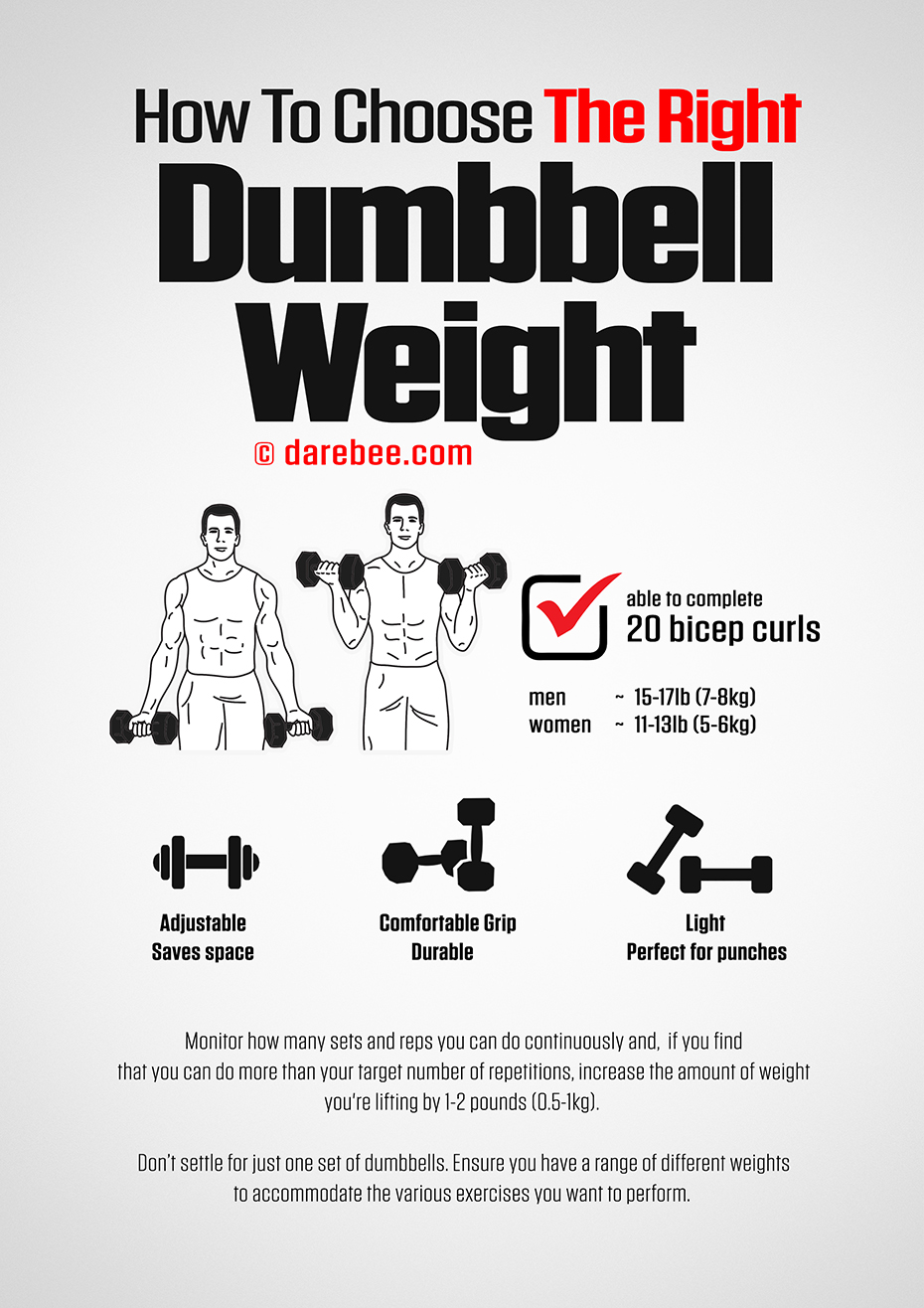
Start with a weight you can lift with good form. Gradually add small amounts of weight over time. Avoid jumping to heavy weights too quickly. This reduces the risk of strain or injury. Listen to your body’s signals and rest when needed. Use slow, controlled movements to maintain control. Proper technique matters more than lifting heavy weights fast.
Tracking Your Progress
Keep a simple workout log of weights and repetitions. Track how many times you lift and how much weight you use. This helps you see improvements and set new goals. Adjust your routine based on your progress. Regular tracking encourages consistency and motivation. Celebrate small gains to stay motivated on your fitness journey.
Credit: darebee.com
Split Routines Vs Full-body Workouts
Choosing between split routines and full-body workouts affects your dumbbell lifting schedule. Each method offers unique ways to organize exercises and rest days. Understanding these styles helps plan effective workouts for strength and muscle growth.
Pros And Cons Of Split Training
Split training targets different muscle groups on separate days. This method allows focused effort on each area. You can lift heavier weights for specific muscles. Recovery time for each muscle is longer. It suits people with time to train multiple days.
Drawbacks include longer workout weeks. Missing a day can disrupt the schedule. Some muscles may not get enough rest if workouts overlap. Beginners may find splits complex and hard to follow.
Benefits Of Full-body Sessions
Full-body workouts involve training all major muscles in one session. They save time by combining exercises. This approach boosts overall fitness and calorie burn. It fits well for busy schedules with fewer training days.
Each muscle gets worked several times weekly, aiding growth. Recovery is balanced across the body. These sessions are simple to follow, especially for beginners. They improve strength and endurance together.
Avoiding Overtraining
Overtraining can stop progress and cause harm. Lifting dumbbells too often without rest strains muscles and joints. Your body needs time to heal and grow stronger. Avoiding overtraining keeps workouts safe and effective. It helps maintain energy and prevent injury.
Signs You’re Lifting Too Much
Feeling very tired after workouts is a warning sign. Muscle soreness lasting more than a few days means overuse. Trouble sleeping or feeling restless can happen. Loss of strength or poor performance shows fatigue. Mood changes like irritability or sadness may appear. Watch for constant pain or swelling in joints.
Tips For Proper Recovery
Rest days are essential for muscle repair. Drink plenty of water to stay hydrated. Eat foods rich in protein and nutrients. Stretch gently before and after lifting. Get enough sleep to support recovery. Use light exercises or walking on rest days. Listen to your body and adjust your routine.
Incorporating Rest Days
Rest days are as important as workout days when lifting dumbbells. Your muscles need time to heal and grow stronger. Skipping rest can lead to injury and slow progress. Incorporating rest days helps keep your body balanced and ready for the next workout.
Importance Of Rest
Rest allows muscles to repair after lifting weights. It prevents overuse injuries and reduces fatigue. Without rest, your strength and performance can drop. Taking breaks also helps your nervous system recover. This makes your next session more effective and safer.
Active Recovery Techniques
Active recovery means light activity on rest days. It keeps blood flowing to muscles and speeds up healing. Walking, stretching, or gentle yoga are good choices. These activities reduce stiffness and improve flexibility. Active recovery helps you feel better without strain.
Nutrition’s Role In Muscle Gains
Nutrition plays a big part in building muscle after lifting dumbbells. Eating the right foods helps your muscles grow and recover faster. It gives your body the fuel and materials it needs to repair muscle fibers. Without good nutrition, your hard work in the gym may not show results. Simple changes in diet can improve muscle gains significantly.
Protein Intake Guidelines
Protein is the key nutrient for muscle growth. Aim to eat about 1.2 to 2 grams of protein per kilogram of body weight daily. Good protein sources include chicken, fish, eggs, beans, and dairy. Spread your protein intake across meals to keep your muscles fueled. Eating protein soon after lifting weights helps muscle repair. Avoid very low protein diets if you want to gain muscle.
Hydration And Supplements
Water is essential for muscle function and recovery. Drink enough water before, during, and after workouts. Dehydration can reduce muscle strength and delay recovery. Some supplements may help, like creatine and branched-chain amino acids (BCAAs). These supplements support muscle energy and reduce soreness. Always choose supplements from trusted brands and consult a doctor if unsure.
Credit: www.eatthis.com

Credit: uppper.com
Frequently Asked Questions
How Many Times A Week Should I Lift Dumbbells?
For most people, lifting dumbbells 3 to 4 times a week is ideal. This schedule allows muscle recovery and growth. Beginners may start with 2 days, increasing frequency gradually. Consistency and rest are key to preventing injuries and improving strength effectively.
How Many Reps Per Set Are Best For Dumbbell Training?
Generally, 8 to 12 reps per set work well for muscle growth. Lower reps (4-6) build strength, while higher reps (15-20) improve endurance. Choose reps based on your fitness goal and increase weight progressively to challenge your muscles.
Should I Lift Dumbbells Every Day For Quick Results?
Lifting dumbbells daily is not recommended as muscles need rest. Overtraining can cause fatigue and injuries. Aim for 3-5 sessions per week, alternating muscle groups. Proper recovery helps muscles repair and grow stronger, delivering better results over time.
How Long Should Each Dumbbell Workout Session Last?
Effective dumbbell workouts typically last 30 to 60 minutes. This includes warm-up, exercise sets, and cool-down. Shorter sessions can be effective if focused and intense. Avoid overly long workouts to prevent fatigue and maintain workout quality and motivation.
Conclusion
Finding the right number of dumbbell lifts depends on your goals. Aim for steady progress, not quick results. Start with lighter weights and fewer reps to avoid injury. Increase reps or weight as you grow stronger. Listen to your body and rest when needed.
Consistency beats intensity every time. Stay patient and keep lifting regularly. Your muscles will thank you.


