Are you ready to build a stronger, more defined chest without stepping foot in a crowded gym? Using dumbbells for your chest workouts can be the game-changer you need.
They allow you to target your muscles more effectively, improve balance, and boost muscle growth—all from the comfort of your home or any space you choose. You’ll discover the best dumbbell chest exercises that will help you sculpt your chest, increase strength, and feel more confident in your body.
Keep reading, and get ready to transform your chest workouts like never before!

Credit: www.pwmachineservices.com
Benefits Of Dumbbell Chest Exercises
Dumbbell chest exercises offer many benefits for your fitness routine. They help build strength and shape your chest muscles effectively. Using dumbbells allows for more natural movement. This can reduce the risk of injury compared to machines or barbells.
These exercises also improve muscle control and balance. They engage multiple muscles, not just the chest. This makes your workouts more efficient and functional. Dumbbell exercises suit all fitness levels, from beginners to advanced lifters.
Improved Muscle Balance
Dumbbells require each arm to work independently. This helps fix muscle imbalances between your left and right sides. Balanced muscles lower the chance of injury during other activities. They also improve overall strength and posture. You develop a more even and natural chest shape.
Increased Range Of Motion
Dumbbells allow your arms to move freely in many directions. This increases the range of motion compared to barbells. A wider range helps stretch and contract muscles better. It leads to greater muscle growth and flexibility. You also reduce stiffness and improve shoulder health.
Enhanced Stabilizer Muscle Activation
Using dumbbells activates small stabilizer muscles around your chest and shoulders. These muscles help keep your joints stable during movement. Strengthening stabilizers improves balance and coordination. It also protects your joints from strain. This results in safer and more effective workouts.
Credit: www.youtube.com
Essential Dumbbell Chest Exercises
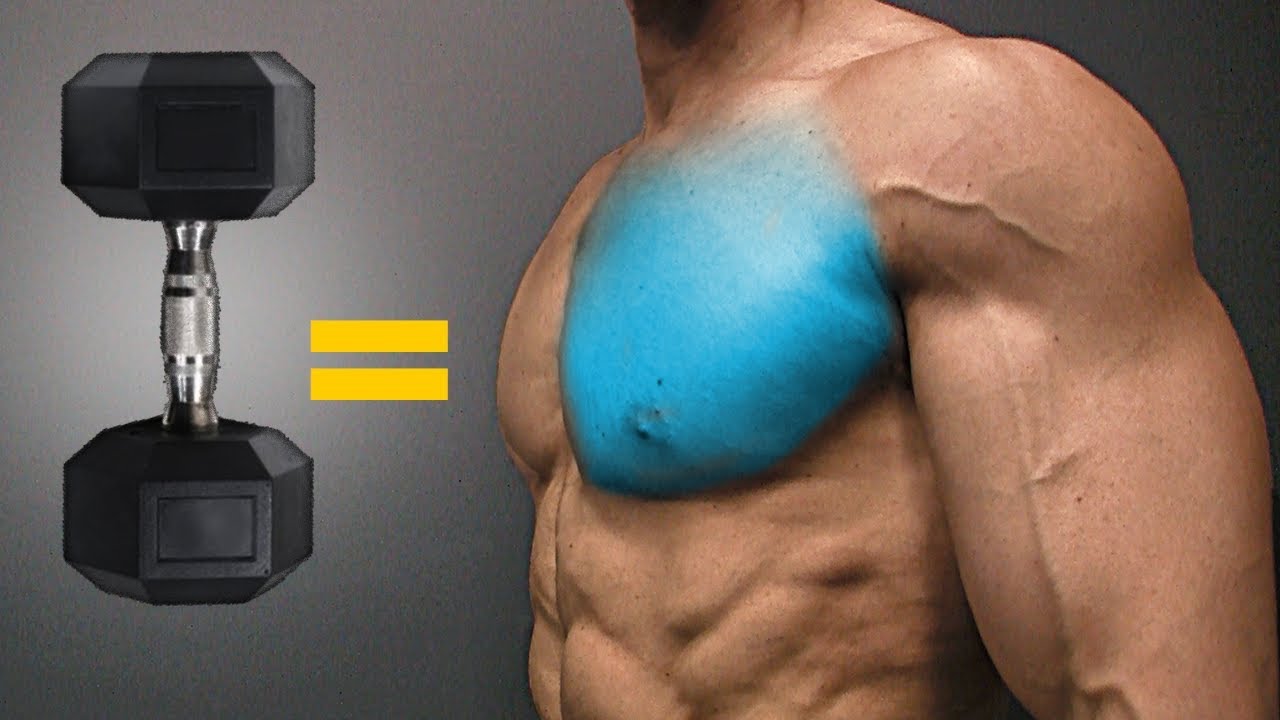
Dumbbells are great tools for building chest strength and size. They allow a full range of motion and help balance muscle development. These exercises target different parts of the chest for complete growth. Using dumbbells also engages stabilizer muscles for better control and muscle activation.
Focus on form and control to get the best results. Choose a weight that challenges you but allows proper technique. Here are some essential dumbbell chest exercises that deliver solid results.
Flat Dumbbell Press
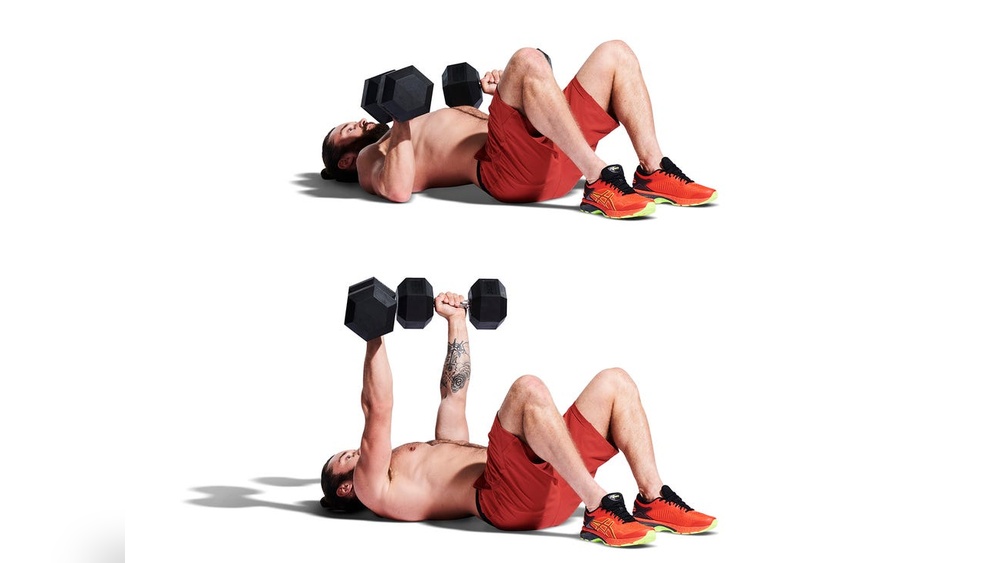
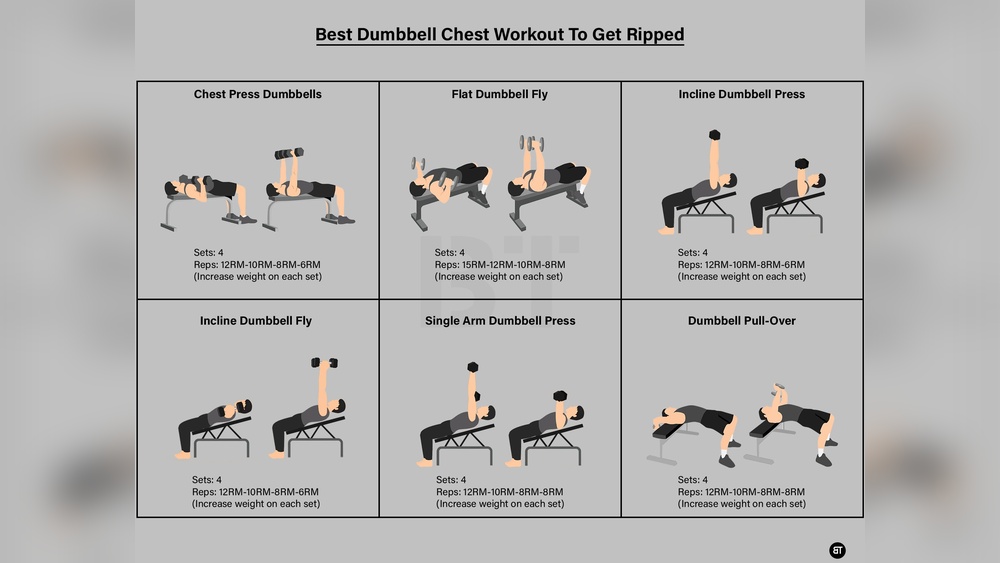
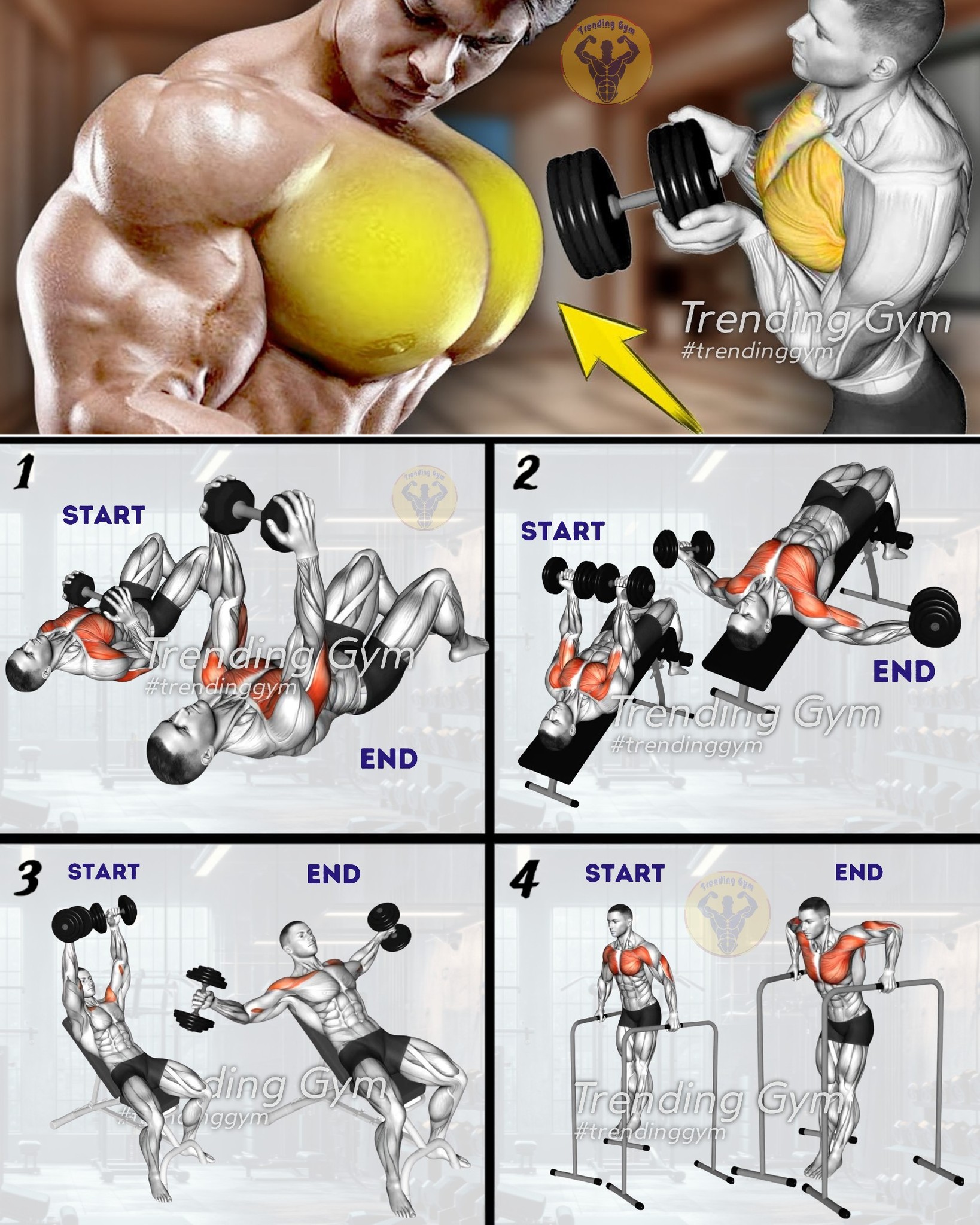
The flat dumbbell press targets the middle chest area. Lie on a flat bench holding dumbbells at chest level. Press the weights up until your arms are straight. Lower slowly to chest level. This exercise builds strength and mass across the chest’s center.
Incline Dumbbell Press
The incline dumbbell press hits the upper chest. Set the bench to a 30-45 degree angle. Press dumbbells from chest to overhead. This angle helps lift and shape the upper chest muscles. Keep elbows at about 45 degrees for best results.
Decline Dumbbell Press
The decline dumbbell press targets the lower chest. Set the bench at a 15-30 degree decline. Press the dumbbells upward from your lower chest. This move helps define the chest’s bottom line. It balances development for a fuller look.
Dumbbell Flyes
Dumbbell flyes stretch and isolate the chest muscles. Lie on a flat or incline bench. Hold dumbbells above your chest with arms slightly bent. Slowly open your arms wide, feeling the stretch. Bring the weights back together. This exercise improves chest shape and flexibility.
Pullover Variations
Pullover exercises target the chest and also engage the back and core. Lie on a bench holding a dumbbell with both hands. Lower it behind your head slowly. Pull it back over your chest. Pullover variations help expand the rib cage and improve chest capacity.
Proper Form And Technique
Proper form and technique are key to effective dumbbell chest exercises. They help you build strength and avoid injury. Using the right form makes your workouts safer and more productive.
Focus on how you position your body and move the weights. Small changes can make a big difference in your results. Keep your movements smooth and controlled for the best effect.
Setting Up Safely
Start by choosing the right weight for your level. Too heavy can cause strain. Sit or lie down on a bench with your feet flat on the floor. Keep your back flat and shoulders relaxed. Hold the dumbbells firmly but not too tight. Make sure your wrists stay straight to avoid injury.
Controlling The Movement
Move the dumbbells slowly. Lower them to your chest with control. Do not let them drop quickly. Push the weights up without locking your elbows. Keep your muscles engaged throughout the exercise. Avoid swinging or using momentum for better results.
Breathing Tips
Breathe out as you push the dumbbells up. Breathe in as you lower them down. Keep your breathing steady and natural. Holding your breath can increase pressure and cause dizziness. Proper breathing helps maintain focus and strength during sets.
Workout Routines For Strength
Building chest strength with dumbbells requires a clear workout plan. Strength routines help improve muscle power and endurance. Regular training boosts chest size and firmness. Below are effective routines for different skill levels.
Beginner Dumbbell Chest Workout
Start with light dumbbells to learn proper form. Perform 3 sets of 10-12 reps for each exercise. Begin with dumbbell chest press on a flat bench. Follow with dumbbell flyes to stretch chest muscles. Rest for 60 seconds between sets. Focus on slow and controlled movements.
Intermediate Strength Routine
Use moderate weights to challenge muscles more. Complete 4 sets of 8-10 reps for each move. Add incline dumbbell press to target upper chest. Include dumbbell pullover for chest expansion. Decrease rest time to 45 seconds for intensity. Maintain good posture and breathing throughout.
Advanced Muscle Building Plan
Lift heavy dumbbells with perfect form. Aim for 5 sets of 6-8 reps per exercise. Combine flat, incline, and decline dumbbell presses. Add weighted push-ups for extra resistance. Rest only 30-40 seconds to increase difficulty. Track progress and adjust weights regularly.
Common Mistakes To Avoid
Many people make simple mistakes during dumbbell chest exercises. These errors slow progress and can cause injury. Avoiding common pitfalls helps you train safely and get better results. Focus on good form and smart habits.
Overarching The Back
Arching the back too much puts stress on your spine. Keep your back flat or slightly curved for support. Use your chest muscles, not your lower back, to lift the weights. This protects your body and improves strength gains.
Using Too Much Weight
Choosing very heavy dumbbells may seem good but harms your workout. Heavy weights force bad form and increase injury risk. Start with lighter dumbbells and increase weight slowly. Control each movement to target chest muscles well.
Neglecting Warm-up
Skipping warm-up leads to stiff muscles and poor performance. Spend 5-10 minutes warming up with light cardio and stretching. Warm muscles move better and reduce injury chances. Prepare your body before lifting dumbbells for chest exercises.
Progress Tracking And Adjustments
Tracking progress and making adjustments are key to building a strong chest with dumbbells. You need to know how much you improve over time. This helps keep your workouts effective and safe. Regular checks guide you to increase difficulty and avoid plateaus. Small changes in your routine can lead to better results.
Measuring Strength Gains
Keep a workout journal or use an app to record your weights and reps. Note how many dumbbell presses or flyes you complete each session. Watch for increases in weight or repetitions. Feeling stronger means you are gaining muscle. Tracking these details shows your progress clearly.
Increasing Intensity Safely
Raise the dumbbell weight gradually to avoid injury. Add small weight increments every few weeks. Focus on good form before lifting heavier. Increase sets or reps if weights stay the same. Rest enough between workouts to let muscles recover. Safety prevents setbacks and keeps gains steady.
Incorporating Variety
Change your exercises to challenge your chest muscles differently. Use flat, incline, and decline dumbbell presses. Try flyes with different arm angles. Switch grips between exercises. Variety prevents boredom and helps muscles grow evenly. It also reduces the risk of overuse injuries.
Complementary Exercises For Chest Growth
Building a strong chest requires more than just dumbbell exercises. Complementary exercises help target different parts of the chest. They also improve muscle balance and strength. These exercises support your dumbbell routine and boost overall chest growth.
Push-up Variations
Push-ups are simple and effective for chest development. They work the chest, shoulders, and triceps together. Changing hand positions changes the focus on chest areas. Wide push-ups target the outer chest. Close push-ups hit the inner chest and triceps. Incline push-ups focus on the lower chest. Decline push-ups hit the upper chest. These variations increase strength and muscle size.
Cable And Machine Exercises
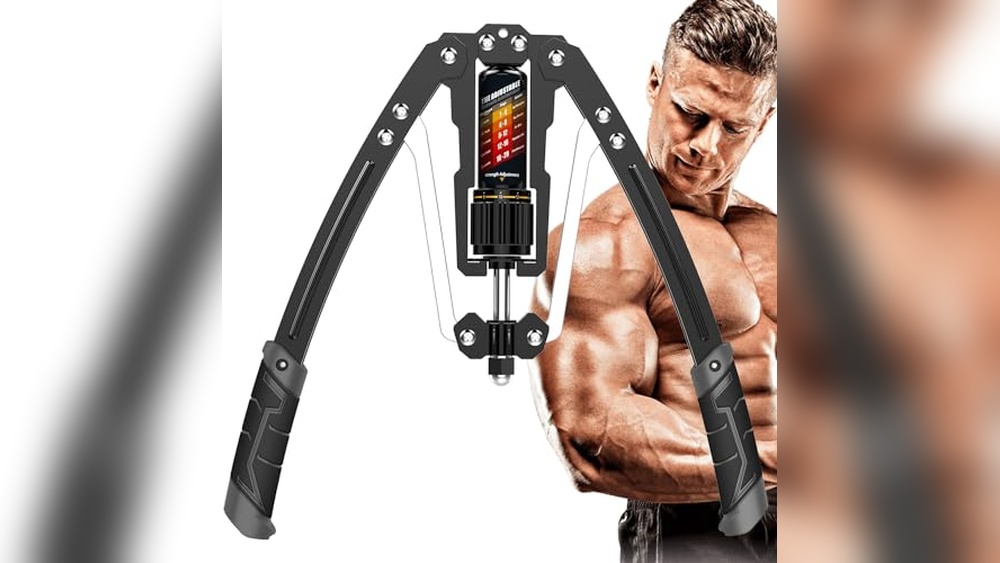
Cable and machine exercises provide constant tension on chest muscles. Cable flys allow smooth and controlled movement. They help stretch and squeeze chest muscles deeply. Chest press machines guide your motion for safety and form. These tools let you adjust weight easily. They also reduce the risk of injury. Using cables and machines complements free weight exercises.
Triceps And Shoulder Support
Strong triceps and shoulders improve chest exercise performance. Triceps help push movements, while shoulders stabilize the arms. Exercises like triceps dips and overhead presses boost these muscles. Strengthening these areas prevents imbalances and reduces injury risk. Supporting muscles make chest workouts more effective and help lift heavier weights.
Credit: nexlam.it
Frequently Asked Questions
What Are The Best Dumbbell Exercises For Chest Muscles?
The best dumbbell chest exercises include dumbbell bench press, dumbbell flyes, and dumbbell pullover. These target the pectoral muscles effectively and build strength and size.
How Do Dumbbell Chest Exercises Improve Muscle Balance?
Dumbbells require each side of the body to work independently, promoting balanced muscle development. This reduces strength imbalances and improves overall chest symmetry.
Can Dumbbell Chest Exercises Be Done At Home?
Yes, dumbbell chest exercises are perfect for home workouts. Minimal equipment is needed, making them convenient for building chest muscles without a gym.
How Many Sets And Reps For Chest Dumbbell Workouts?
Perform 3 to 4 sets of 8 to 12 reps for optimal muscle growth. Adjust weight to maintain proper form and effective muscle engagement.
Conclusion
Dumbbell chest exercises build strength and shape your chest well. You can do many moves at home or the gym. Start with light weights and increase slowly for safety. Consistency helps you see good results over time. Mix exercises to work all chest parts evenly.
Rest and good form keep you from getting hurt. Keep going, and enjoy feeling stronger every day. Your chest workout can be simple and effective with dumbbells.