You want to keep your bike safe without any hassle. But are you really using your bike lock the best way?
A simple mistake could leave your bike vulnerable to theft. Imagine leaving your bike locked up, only to come back and find it gone. That feeling of loss and frustration is something you want to avoid. You’ll discover the smartest, easiest ways to use your bike lock.
By the time you finish reading, you’ll know exactly how to protect your bike like a pro. Keep reading to learn the best tips that will give you peace of mind every time you park your bike.

Credit: thebestbikelock.com
Choosing The Right Bike Lock
Choosing the right bike lock is key to keeping your bike safe. A good lock stops thieves and gives you peace of mind. Picking the best lock depends on your needs, where you park, and your budget. Understanding lock types, materials, and size helps you make the right choice.
Types Of Bike Locks
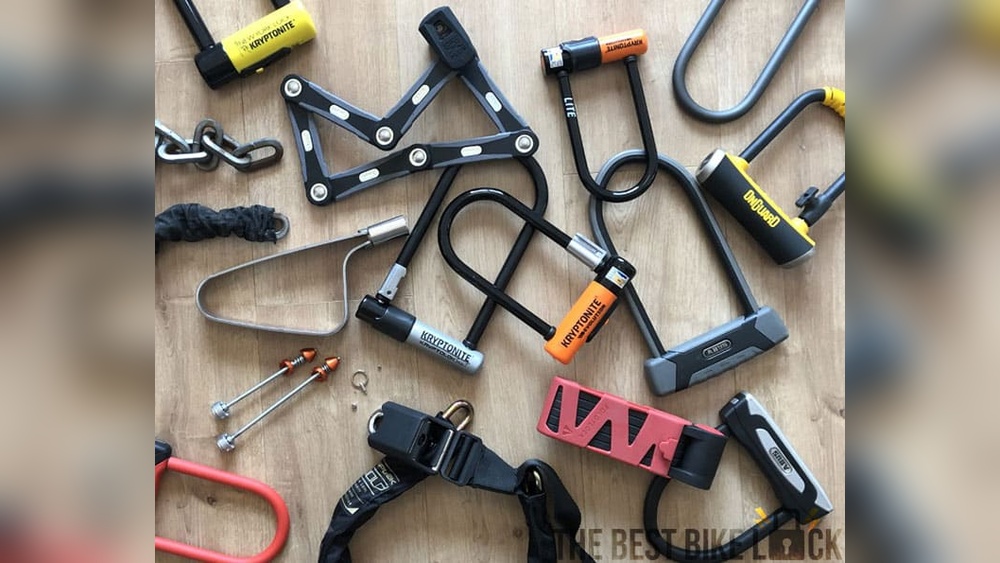
U-locks offer strong protection. They are hard to break and fit around your bike frame and a fixed object. Chain locks are flexible and come in different lengths. They can secure your bike to various objects. Cable locks are light and easy to carry. They work best for short stops but offer less security.
Material And Build Quality
Steel is the most common material for bike locks. Hardened steel resists cutting and sawing. Look for locks with thick shackles or links. A strong lock has good welding and a solid locking mechanism. Avoid locks with plastic parts that can break easily.
Lock Size And Weight
Choose a lock size that fits your bike and parking spot. A lock too big can be heavy and hard to carry. A lock too small may not secure your bike well. Balance weight with security. Carrying a lighter lock is easier but may offer less protection.
Credit: www.pedalsure.com
Ideal Locking Techniques
Using a bike lock correctly protects your bike from theft. Ideal locking techniques help secure your bike better. Following these tips keeps your bike safe and gives peace of mind.
Securing The Frame And Wheels
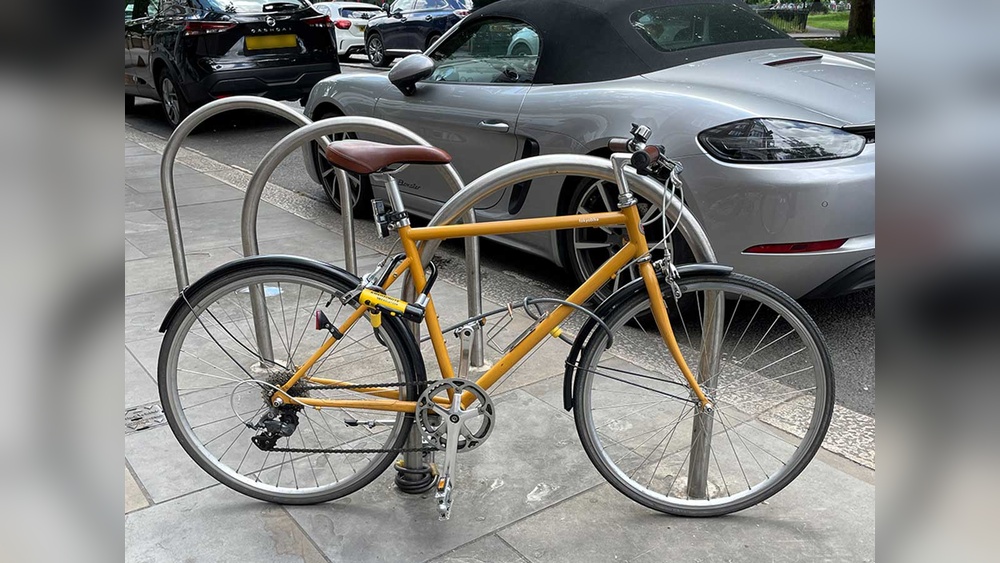
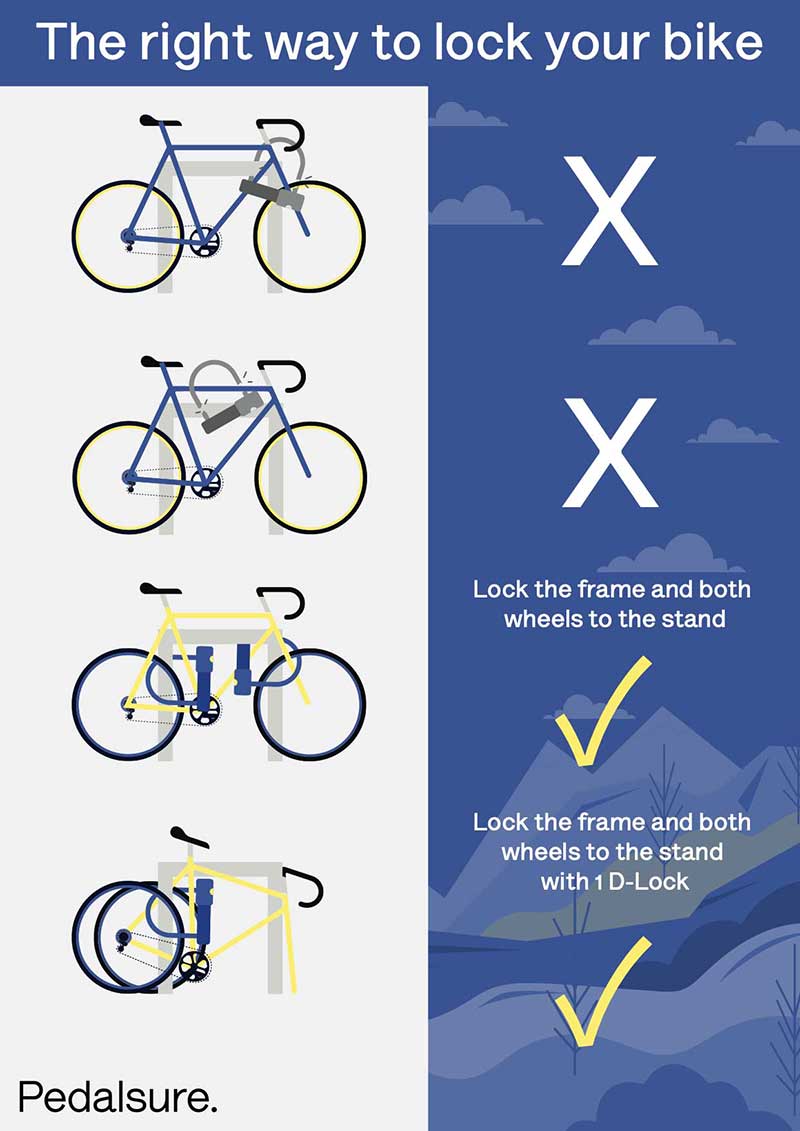
Always lock the bike frame first. The frame is the strongest part and hardest to remove. Include at least one wheel with the lock. Use a second lock if possible for the other wheel. This stops thieves from stealing parts easily.
Locking To Fixed Objects
Choose a solid, immovable object to lock your bike. Trees, poles, or bike racks work well. Avoid objects that can be cut or lifted. Lock the bike as high as possible from the ground. This makes it harder to tamper with the lock.
Avoiding Common Locking Mistakes
Do not lock only the wheel; the frame can be taken. Avoid leaving space inside the lock for tools to fit. Do not lock in isolated or dark places. Check the lock is fully closed before leaving. These simple steps reduce risk of theft.
Selecting The Best Location
Choosing the right place to lock your bike is very important. It helps keep your bike safe and stops thieves from stealing it. Picking a good spot can make a big difference in bike security. Here are some tips on where to lock your bike for the best protection.
High-traffic Areas
Lock your bike where many people walk by. Busy places have more eyes watching. Thieves avoid crowded spots because they risk getting caught. Parking your bike in high-traffic areas lowers the chance of theft.
Well-lit Spots
Choose places with good lighting. Bright areas make it hard for thieves to hide. A well-lit spot helps you see your bike clearly. It also scares away anyone with bad intentions.
Avoiding Isolated Places
Stay away from quiet, hidden locations. Isolated spots give thieves time and space to work. No one will notice if your bike is stolen in a lonely area. Always pick places where people are nearby.
Credit: www.youtube.com
Additional Security Measures
Extra security measures help keep your bike safer. Thieves often look for easy targets. Adding layers of protection reduces the risk of theft. Simple steps can make a big difference. These tips complement your bike lock and improve security.
Using Multiple Locks
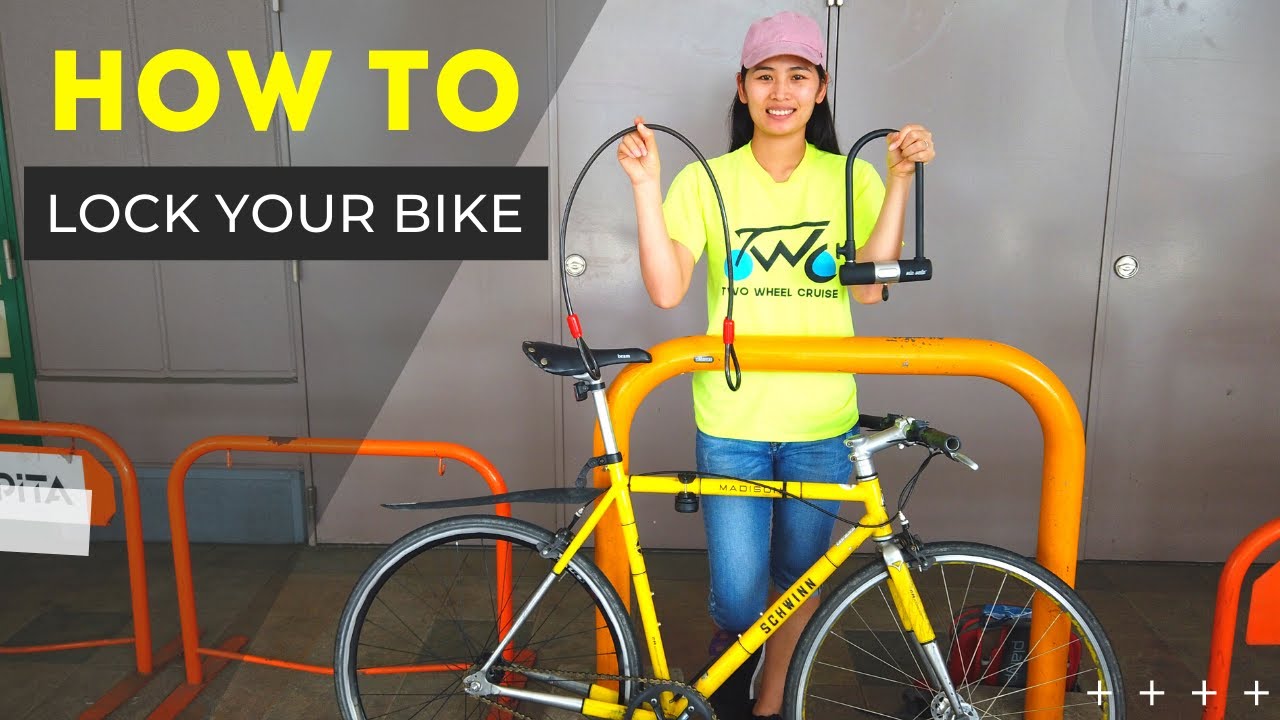
Use two or more locks to secure your bike. One lock can be cut quickly by thieves. A second lock slows them down. Use different types of locks for better protection. For example, combine a U-lock and a cable lock. Lock both the frame and wheels to a solid object.
Removing Accessories
Take removable parts with you. Items like lights, seats, and bags are easy to steal. Leaving these on your bike makes it less secure. Keep your accessories safe by carrying them inside. This reduces the chance of losing valuable parts.
Registering Your Bike
Register your bike with local or online databases. It helps prove ownership if your bike is stolen. Registration increases the chance of recovery. Some services offer tracking and alerts. Keep a record of your bike’s serial number and photos for reference.
Maintaining Your Bike Lock
Maintaining your bike lock ensures it stays strong and works well for a long time. A well-kept lock protects your bike from theft and damage. Regular care helps avoid problems like rust and jams. Follow these simple steps to keep your bike lock in top shape.
Regular Cleaning
Clean your bike lock often to remove dirt and dust. Use a soft cloth with mild soap and water. Avoid harsh chemicals that can harm the lock’s surface. Dry it completely after cleaning to stop rust from forming. Regular cleaning keeps the lock smooth and easy to use.
Lubricating Lock Mechanism
Apply a small amount of lubricant to the lock mechanism. Use a lubricant made for locks or light machine oil. This helps the lock parts move smoothly and stops them from sticking. Avoid using too much oil, as it can attract dirt. Lubricate your lock every few months or when it feels stiff.
Checking For Wear And Tear
Look over your bike lock regularly for signs of damage. Check the chain, cable, or shackle for rust, cracks, or bends. Test the locking mechanism to ensure it opens and closes easily. Replace the lock if it shows serious wear. Staying alert to damage keeps your bike safe and your lock reliable.
Frequently Asked Questions
What Is The Best Type Of Bike Lock To Use?
The best bike lock combines strength and convenience. U-locks offer strong security, while chain locks provide flexibility. Choose a lock based on your location and theft risk. High-quality locks with hardened steel resist cutting and picking attempts effectively.
How Should I Properly Secure My Bike With A Lock?
Always lock your bike frame and both wheels to a solid, immovable object. Avoid locking only the wheel or removable parts. Position the lock off the ground to prevent leverage attacks. This method maximizes theft deterrence and protects all key bike parts.
Can I Use Multiple Locks For Better Bike Security?
Yes, using two different types of locks increases security. A U-lock combined with a cable or chain lock protects the frame and wheels. Thieves find it harder to defeat multiple locks, making your bike less attractive to steal.
Where Is The Safest Place To Lock My Bike?
Lock your bike in a well-lit, busy area with high foot traffic. Secure it to a fixed, sturdy object that can’t be easily broken or removed. Avoid isolated spots or soft materials like wooden posts which offer poor protection.
Conclusion
Using a bike lock correctly keeps your bike safe and secure. Always choose a strong lock and fasten it to a solid object. Lock both the frame and wheels to prevent theft. Remember to park your bike in well-lit, busy areas.
Regularly check your lock for damage or wear. These simple steps help protect your bike every day. Stay careful, and your bike will stay with you. Safe riding starts with smart locking.