Are you wondering if dumbbell squats can really help you build muscle? You’re not alone.
Squats are known as a powerful exercise, but when you add dumbbells, does it make a difference? Whether you’re working out at home or the gym, knowing how effective dumbbell squats are can save you time and effort. You’ll discover the truth about building muscle with dumbbell squats and learn how to get the best results.
Keep reading—you might be one simple change away from transforming your workouts and your body.
Benefits Of Dumbbell Squats
Dumbbell squats offer many benefits for building muscle and improving fitness. They are simple but effective exercises. You can do them almost anywhere. They help strengthen many parts of the body at once.
This exercise uses free weights, which means your body works harder to stay balanced. That builds strength and stability. Dumbbell squats also allow for a lot of variety. You can change the weight or how you hold the dumbbells. This keeps your workouts fresh and challenging.
Muscle Groups Targeted
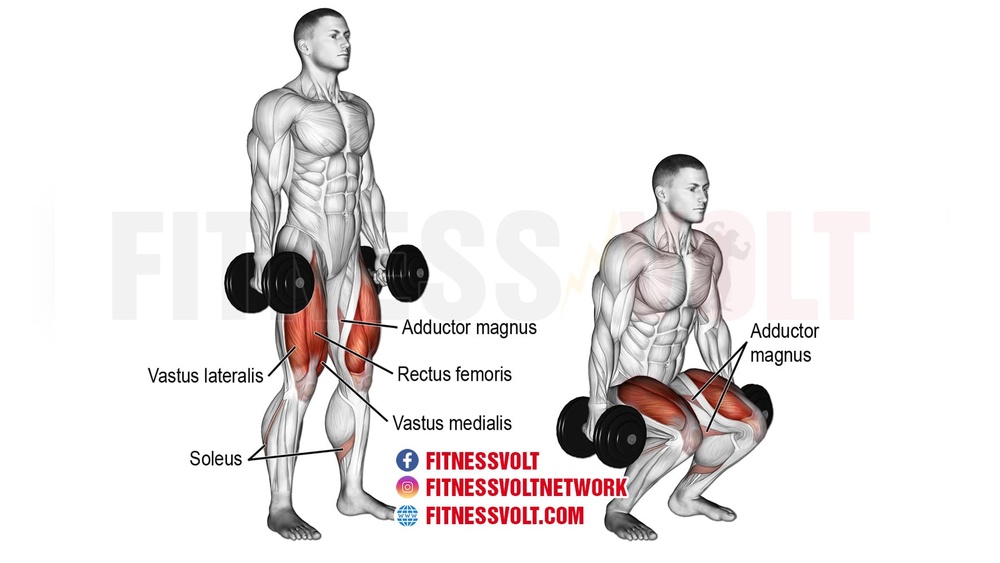
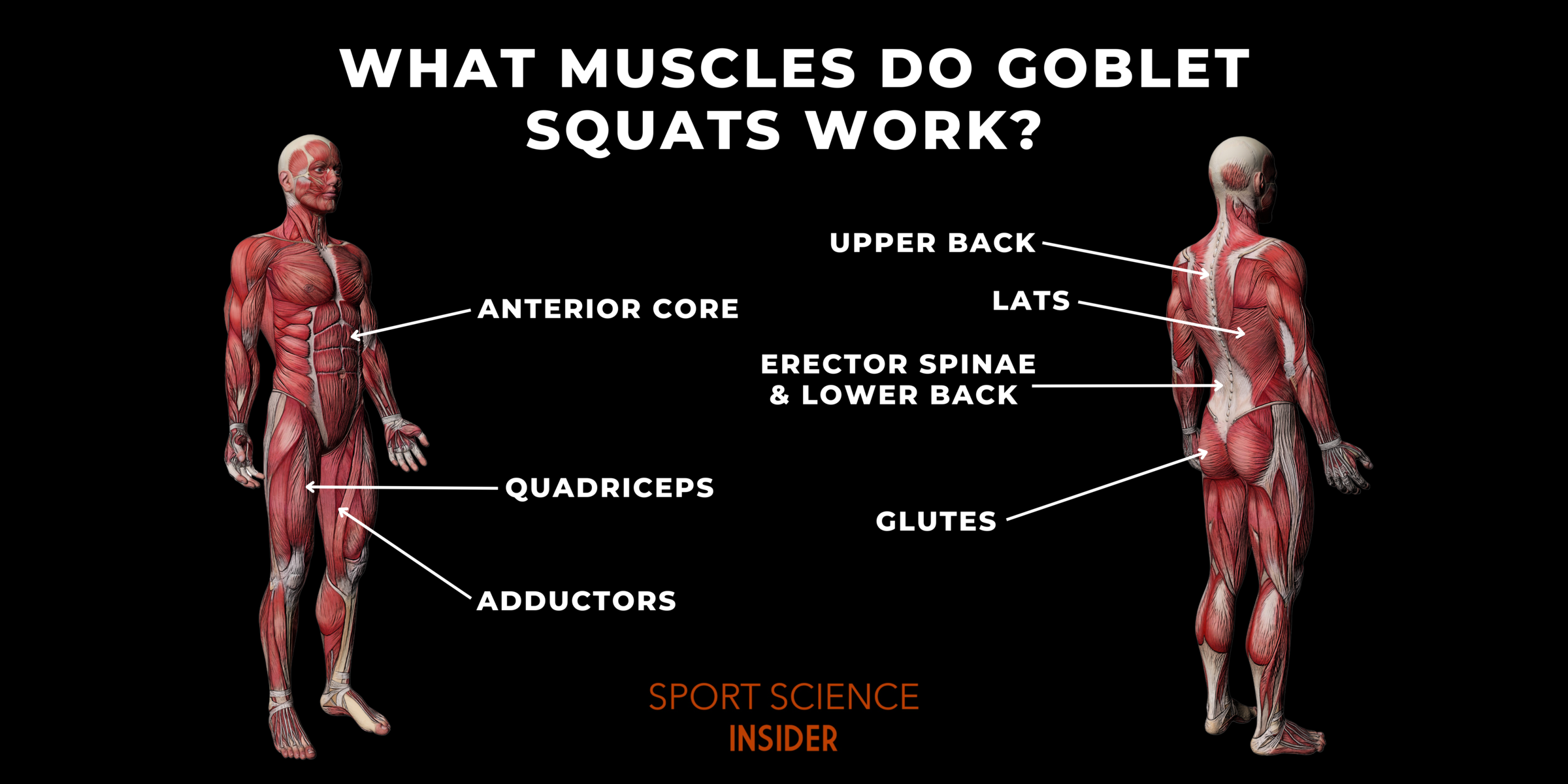
Dumbbell squats mainly target the legs and glutes. Your quadriceps, hamstrings, and calves get a strong workout. The glute muscles grow firmer and stronger. Your core muscles also work hard to keep your balance. This includes your abs and lower back. Holding dumbbells adds extra weight to increase muscle growth.
Strength And Stability Gains
Using dumbbells forces your body to stabilize itself. This improves your balance and coordination. Your joints become stronger and less prone to injury. The extra effort needed for control builds muscle strength. You also develop better posture and movement control. These gains help with other exercises and daily activities.
Versatility In Workouts
Dumbbell squats fit well in many workout plans. You can do them for strength, endurance, or muscle growth. Change the dumbbell weight to match your goals. Try different squat styles to target muscles differently. You can combine squats with other moves for a full-body workout. This flexibility keeps your routine interesting and effective.
Proper Form For Dumbbell Squats
Proper form is key to building muscle with dumbbell squats. It helps target the right muscles and prevents injuries. Squatting with correct technique makes your workouts more effective. Focus on your posture and movement for best results.
Starting Position
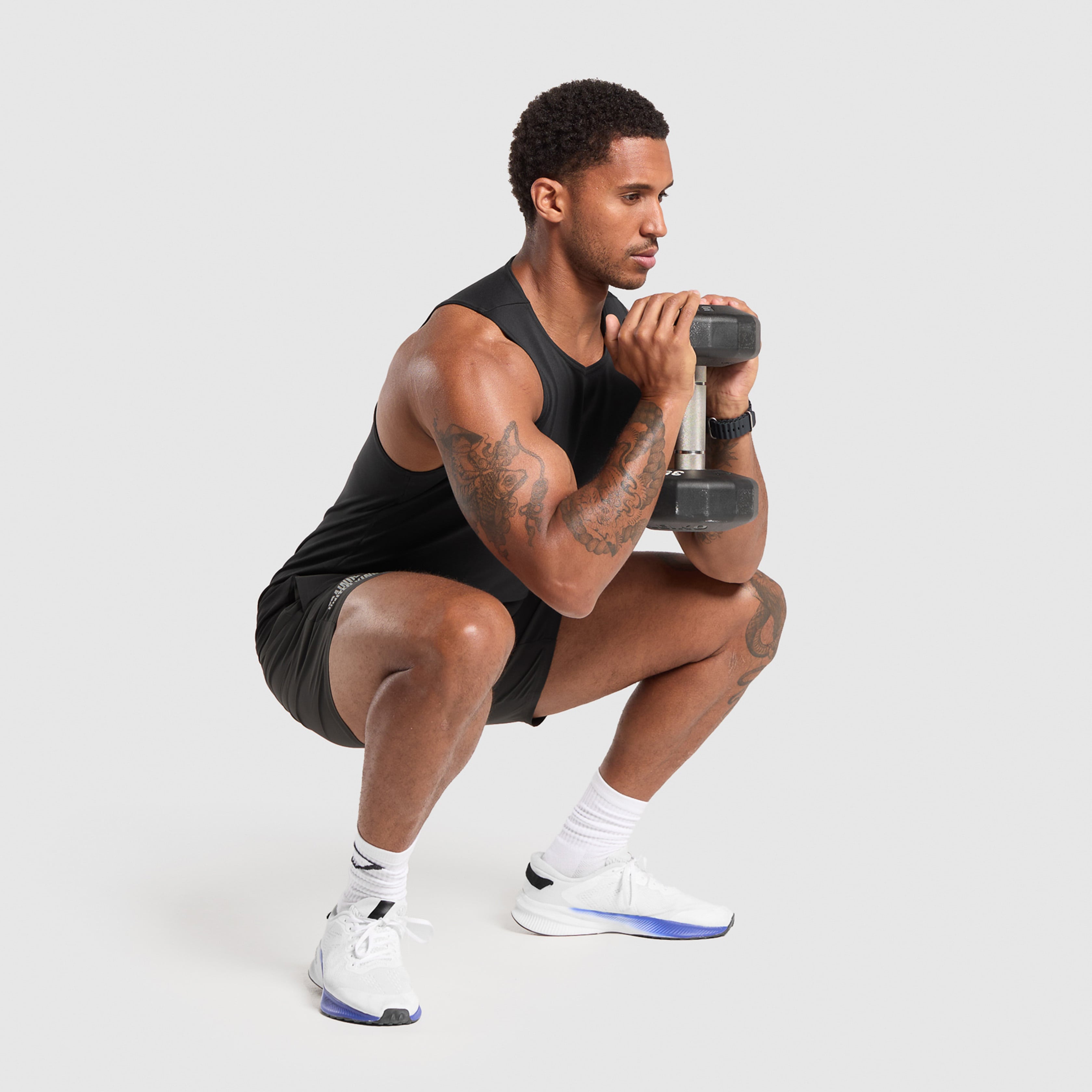
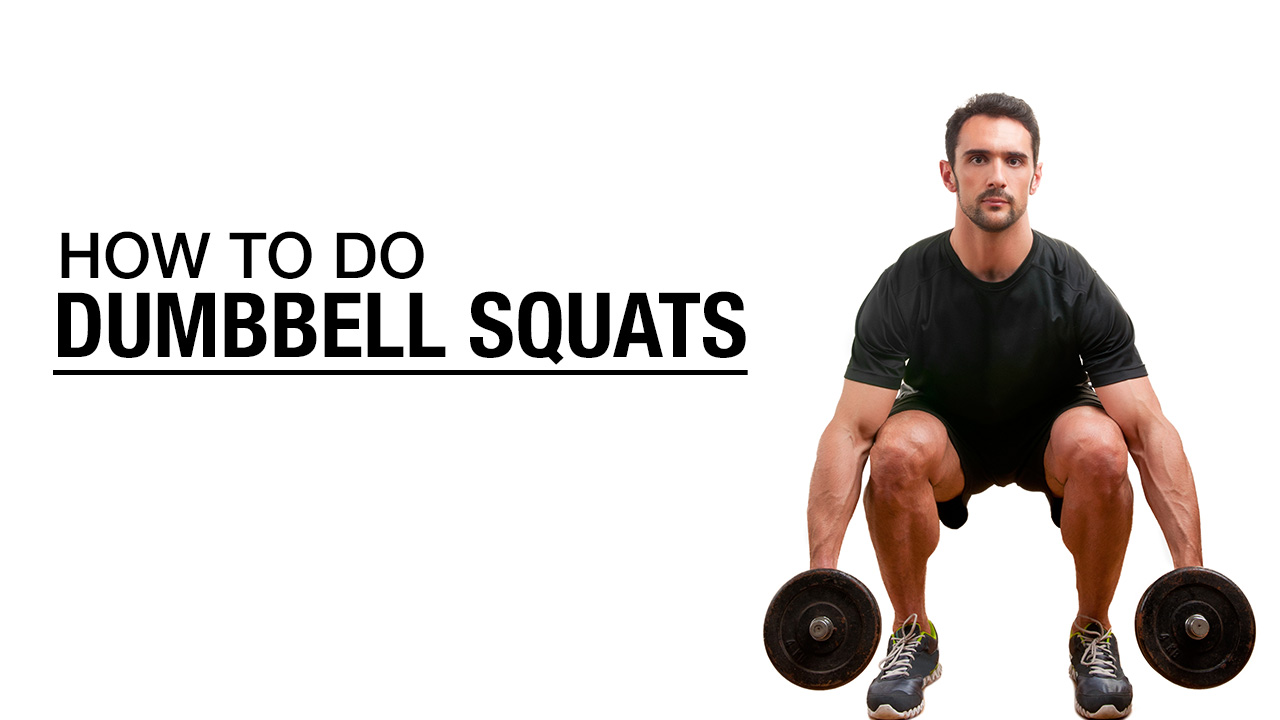
Stand with feet shoulder-width apart. Hold a dumbbell in each hand by your sides. Keep your chest up and shoulders back. Engage your core muscles to support your back. Look straight ahead to maintain balance.
Squat Technique
Begin by bending your knees and pushing your hips back. Lower your body as if sitting on a chair. Keep your weight on your heels. Stop when your thighs are parallel to the floor. Push through your heels to stand back up. Keep your dumbbells steady throughout the movement.
Common Mistakes To Avoid
Avoid letting your knees go past your toes. Do not round your back or lean forward too much. Avoid lifting your heels off the ground. Don’t hold your breath; breathe steadily. Avoid using too heavy dumbbells that hurt your form.
Choosing The Right Dumbbells
Choosing the right dumbbells is important for building muscle with dumbbell squats. The right weight helps you perform the exercise safely and effectively. Picking dumbbells that suit your strength level keeps your workouts challenging. It also reduces the risk of injury and improves your form.
Different types of dumbbells serve different needs. Knowing which dumbbells to use can make your training better. This section explains how to select the right dumbbells for muscle growth.
Weight Selection Tips
Start with a weight you can lift for 8 to 12 reps. This rep range helps build muscle size. Choose a weight that tires your muscles but still allows good form. Increase the weight gradually as you get stronger. Avoid weights that cause pain or strain. Focus on steady progress over time.
Types Of Dumbbells
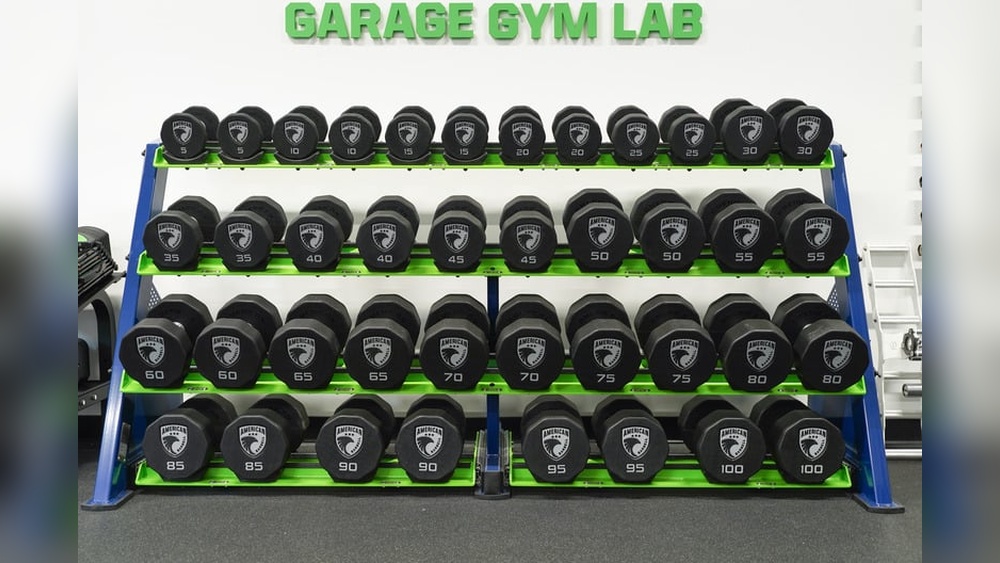
There are several types of dumbbells. Cast iron dumbbells are solid and durable. Neoprene-coated dumbbells offer a soft grip and are good for beginners. Rubber dumbbells protect floors and reduce noise. Choose the type that fits your space and workout style. Comfort and durability matter most.
Adjustable Vs Fixed Dumbbells
Adjustable dumbbells let you change weight easily. They save space and cost less than many fixed pairs. Fixed dumbbells have a set weight and are ready to use. They are durable and easy to grab quickly. Choose adjustable dumbbells for variety. Pick fixed dumbbells for convenience and durability.
Credit: www.gymshark.com
Training Strategies For Muscle Growth
Training for muscle growth with dumbbell squats needs smart planning. You must focus on key strategies to build muscle effectively. These strategies include how you increase weight, how many reps and sets you do, and how long you rest between sets.
Understanding these elements helps your muscles grow stronger and bigger over time. Let’s explore each strategy in detail.
Progressive Overload
Progressive overload means gradually increasing the weight you lift. Your muscles need more challenge to grow. Start with a weight that feels comfortable but hard by the last rep. Add a small amount of weight regularly. This forces your muscles to adapt and get stronger.
Without increasing weight, your muscle growth will slow down. Keep track of your progress to ensure steady improvement. Even small increases count.
Rep And Set Ranges
Choose the right number of reps and sets for muscle growth. Aim for 8 to 12 reps per set. This range helps build muscle size effectively. Do 3 to 4 sets of dumbbell squats each session. Too few reps may not stimulate muscles enough. Too many reps focus more on endurance than size.
Keep your reps controlled and steady. Quality beats quantity for muscle growth.
Rest Periods
Rest time between sets affects how your muscles recover and grow. For muscle growth, rest about 60 to 90 seconds. This rest lets your muscles regain strength. Shorter rest can increase fatigue and reduce lifting ability. Longer rest may reduce muscle tension needed for growth.
Find a balance that helps you lift heavy with good form in every set.
Combining Dumbbell Squats With Other Exercises
Combining dumbbell squats with other exercises helps build muscle faster. It targets more muscle groups and improves strength evenly. This approach creates a balanced workout that supports muscle growth and overall fitness. It also prevents boredom and keeps the routine fresh. Pairing dumbbell squats with the right moves maximizes results and reduces injury risks.
Complementary Lower Body Moves
Include lunges and step-ups with dumbbell squats for stronger legs. These exercises hit different parts of your thighs and glutes. Adding deadlifts works your hamstrings and lower back. Calf raises help shape and strengthen your lower legs. Together, these moves build muscle in your entire lower body.
Full-body Workout Integration
Mix dumbbell squats with upper body exercises for full-body strength. Push-ups and dumbbell presses develop chest and arms. Rows and pull-ups build your back muscles. Core exercises like planks stabilize your body during squats. This blend improves your fitness and supports muscle growth everywhere.
Balancing Push And Pull Movements
Push exercises work muscles that push weight away from your body. Pull exercises target muscles that pull weight toward you. Balancing these movements prevents muscle imbalances. Dumbbell squats mainly focus on pushing muscles in the legs. Add pulling moves like bent-over rows for better muscle balance and posture.
Credit: sportscienceinsider.com
Nutrition Tips For Maximum Gains
Nutrition plays a key role in building muscle with dumbbell squats. Eating the right foods helps your body recover and grow stronger. Proper nutrition supports your workout efforts and improves results. Focus on protein, meal timing, and hydration for best gains.
Protein Intake
Protein is essential for muscle repair and growth. Aim to eat high-quality protein sources like chicken, fish, eggs, and beans. Spread protein intake evenly across meals to keep muscles fueled. A good target is about 1.6 to 2.2 grams of protein per kilogram of body weight daily.
Meal Timing
Eating at the right times helps maximize muscle gain. Consume a balanced meal 1 to 2 hours before your workout. Include carbs and protein to provide energy and support muscles. After exercising, eat a protein-rich meal within 30 to 60 minutes to aid recovery.
Hydration Importance
Water is vital for muscle function and recovery. Staying hydrated improves strength and endurance during dumbbell squats. Drink water before, during, and after your workout. Aim for at least 8 cups of water daily, more if you sweat heavily.
Tracking Progress And Staying Motivated
Tracking progress and staying motivated are key to building muscle with dumbbell squats. Watching small improvements keeps you focused. Motivation helps you push through tough days. Consistency grows your strength and muscle over time.
Recording Workouts
Write down the weight, sets, and reps for each workout. This helps you see your growth clearly. Use a notebook or an app. Tracking workouts shows you what works best. It also helps avoid repeating the same routine too long.
Setting Realistic Goals
Set small, clear goals you can reach. For example, add five pounds to your dumbbells in a month. Realistic goals keep you encouraged. They also prevent frustration. Celebrate each goal you meet to boost your confidence.
Overcoming Plateaus
Plateaus happen when progress slows or stops. Change your routine by adding more reps or weight. Try different squat variations to challenge your muscles. Patience is important during plateaus. Keep pushing, and results will return.
Credit: learn.athleanx.com
Frequently Asked Questions
Can Dumbbell Squats Effectively Build Leg Muscle?
Yes, dumbbell squats target major leg muscles like quads, hamstrings, and glutes. They promote muscle growth with proper form and progressive overload.
How Many Dumbbell Squats Build Muscle Effectively?
Perform 3-4 sets of 8-12 reps with challenging weights. This rep range stimulates hypertrophy and maximizes muscle gains when done consistently.
Are Dumbbell Squats Better Than Barbell Squats?
Dumbbell squats improve balance and core stability but may limit heavy loading. Barbell squats allow heavier weights, often leading to greater muscle growth.
Can Dumbbell Squats Build Muscle Without A Gym?
Yes, dumbbell squats require minimal equipment and can effectively build muscle at home. They are versatile and suitable for bodyweight and weighted training.
Conclusion
Dumbbell squats can help build muscle effectively. They work your legs, glutes, and core muscles. Using dumbbells adds resistance, making muscles grow stronger. Consistency and good form matter a lot. Start with light weights and increase gradually. Combine squats with a balanced diet for best results.
This simple exercise fits well at home or gym. Keep practicing regularly to see real progress. Muscle growth takes time, so stay patient. Dumbbell squats are a smart choice for muscle building.