Are you looking to build strength but unsure if dumbbells are the right tool for you? You might wonder if those simple weights can really make a difference in your fitness journey.
The good news is, dumbbells are more powerful than you think. They can help you get stronger, improve muscle tone, and boost your confidence. You’ll discover how dumbbells work, why they’re effective, and how you can use them to reach your strength goals faster.
Keep reading to unlock the secret to a stronger, healthier you.
Credit: www.youtube.com
Benefits Of Dumbbell Training
Dumbbell training offers many benefits for building strength and muscle. It helps target muscles more effectively than some other equipment. Dumbbells allow natural movement patterns that reduce injury risk. You can train different muscle groups with one set of weights. This makes dumbbells a simple and efficient choice for strength training.
Using dumbbells improves control and balance. You engage smaller muscles that often get ignored. This creates a well-rounded and stronger body. Dumbbell workouts adapt easily to any fitness level or goal. They keep workouts fresh and challenging without needing a gym.
Improved Muscle Activation
Dumbbells require more muscle effort to stabilize. This activates muscles that support the main movers. Each arm works independently, so muscles balance out over time. This leads to better muscle growth and strength. Dumbbells help avoid muscle imbalances and promote even strength development.
Enhanced Range Of Motion
Dumbbells allow a wider range of motion than machines. This helps joints move more naturally and freely. A greater range improves flexibility and muscle length. It also reduces stiffness and helps prevent injuries. Using dumbbells can lead to better muscle function in daily activities.
Versatility In Workouts
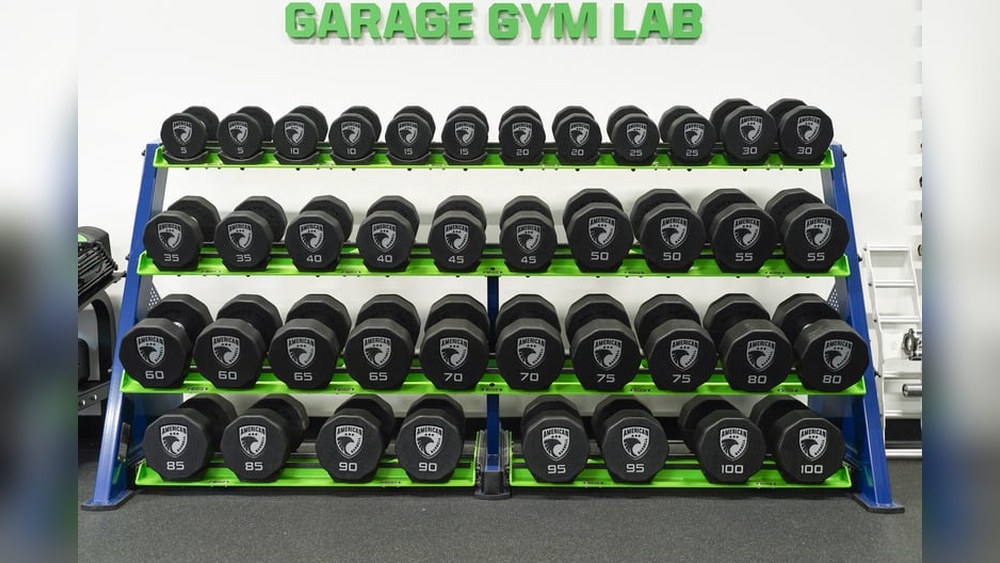
Dumbbells suit many exercises, from simple to complex. You can work every major muscle group with one pair. They fit well in small spaces and home gyms. Dumbbells let you change weight easily for progression. This versatility keeps workouts effective and interesting.
Types Of Dumbbell Exercises
Dumbbells offer many ways to build strength. They help target different muscles through various exercises. Using dumbbells regularly can improve muscle tone and endurance.
Different exercises focus on specific body parts. Combining these moves creates a balanced workout. Let’s explore some popular dumbbell exercises for the upper body, lower body, and core.
Upper Body Moves
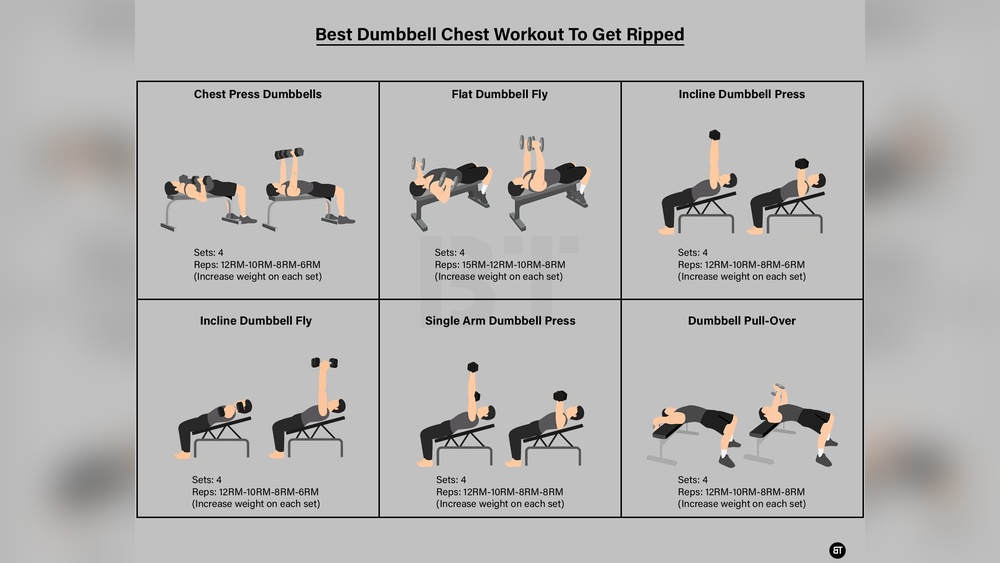
Dumbbell curls strengthen the biceps. Shoulder presses build strong shoulders. Tricep kickbacks improve the back of the arms. Chest presses work the chest and arms. Rows target the back muscles. These exercises help shape and tone the upper body.
Lower Body Moves
Dumbbell squats boost leg and glute strength. Lunges improve balance and muscle power. Deadlifts focus on the hamstrings and lower back. Step-ups build strong thighs and calves. These moves help improve stability and muscle control in the lower body.
Core Strengthening
Dumbbell Russian twists work the obliques. Side bends target the waist muscles. Weighted sit-ups increase abdominal strength. Renegade rows combine core and upper body work. These exercises improve balance and core stability.
How Dumbbells Build Strength
Dumbbells help build strength by working your muscles in many ways. They allow you to move in different directions. This helps target muscles more fully than some machines. Using dumbbells regularly challenges your body. This challenge leads to stronger muscles over time.
Understanding how dumbbells build strength helps you train better. It is about making your muscles work hard, grow, and adapt. Three key ideas explain this process: progressive overload, muscle hypertrophy, and neuromuscular adaptations.
Progressive Overload
Progressive overload means increasing the weight or reps little by little. This forces muscles to work harder than before. Dumbbells make it easy to add small weight changes. Your muscles respond by growing stronger to handle new challenges. Without this, muscles stay the same size and strength.
Muscle Hypertrophy
Muscle hypertrophy is the growth of muscle fibers. When you lift dumbbells, you create tiny tears in muscles. The body repairs these tears, making muscles bigger and stronger. This process needs enough rest and good nutrition. Over time, muscles become thicker and more powerful.
Neuromuscular Adaptations
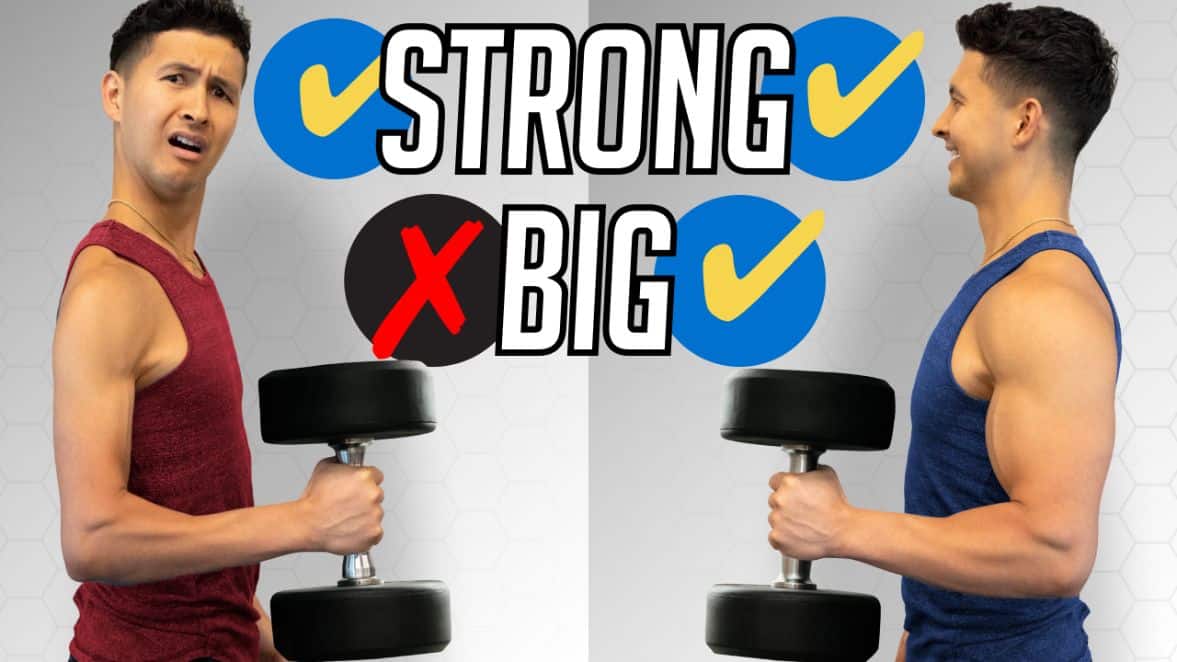
Neuromuscular adaptations mean your brain and muscles work better together. Using dumbbells improves coordination and control. Your nervous system learns to activate more muscle fibers. This leads to stronger and more efficient muscle contractions. You get stronger not just from muscle size but also from better muscle use.
Credit: builtwithscience.com
Designing An Effective Dumbbell Routine
Designing an effective dumbbell routine is key to building strength. A well-planned plan targets muscles properly and avoids injury. It helps you progress steadily and stay motivated.
Focus on choosing the right weight, balancing volume and intensity, and allowing time for rest and recovery. These steps ensure your routine works well.
Choosing The Right Weight
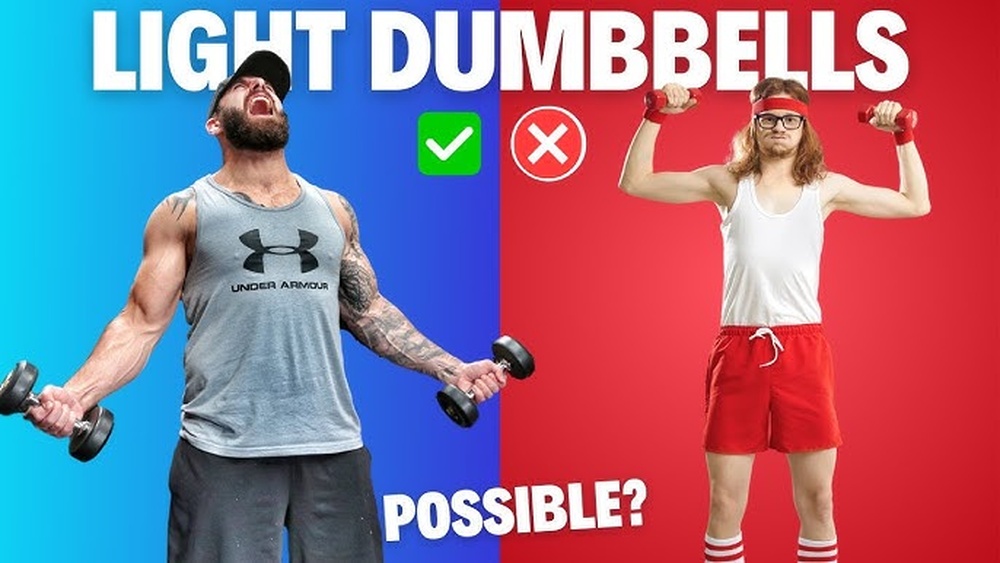
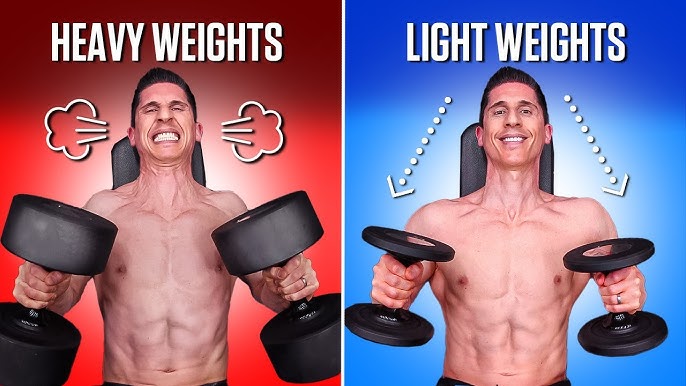
Select a dumbbell weight that challenges you but is manageable. It should allow you to complete 8 to 12 reps with good form. Too light means no progress. Too heavy risks injury. Start with a weight you can lift comfortably and increase as you get stronger.
Balancing Volume And Intensity
Volume means total reps and sets. Intensity means how hard you work. Balance both for best results. Do enough sets to stress muscles but avoid overtraining. Increase intensity by adding weight or reps over time. Changing the routine keeps muscles adapting and growing.
Incorporating Rest And Recovery
Rest days let muscles repair and grow stronger. Skipping rest leads to fatigue and injury. Aim for at least one or two rest days weekly. Sleep and good nutrition also support recovery. Listen to your body and rest if you feel pain or extreme tiredness.
Common Mistakes To Avoid
Using dumbbells can build strength effectively. Avoiding common mistakes is key to progress. Mistakes can cause injury and slow results. Focus on proper habits for better gains.
Poor Form And Technique
Bad form leads to injury and weak results. Always control your movements. Avoid swinging or using momentum. Keep your back straight and core tight. Use a mirror or ask for help.
Neglecting Warm-ups
Skipping warm-ups can cause muscle strain. Start with light exercises or stretches. Warm muscles perform better and stay safe. Spend five to ten minutes warming up before lifting.
Ignoring Muscle Imbalances
Muscle imbalances cause poor posture and pain. Train both sides of your body equally. Include exercises for smaller muscles. Strengthen weak areas to avoid injuries. Balance improves overall strength and appearance.
Tracking Progress And Staying Motivated
Tracking your progress and staying motivated are key to getting stronger with dumbbells. Watching your improvement keeps you focused. It also helps you avoid plateaus and loss of interest. Simple tools and clear goals make this easier.
Setting Realistic Goals
Set clear and simple goals for each workout. Start with weights you can lift comfortably. Increase the weight or reps slowly over weeks. Realistic goals prevent frustration and injury. They give you a clear path forward.
Using Workout Logs
Write down your exercises, weights, and reps after each session. A workout log shows your progress over time. It helps you remember what worked and what did not. Tracking details makes it easier to plan your next workout.
Celebrating Milestones
Recognize small wins like lifting heavier weights or doing more reps. Celebrate these moments to boost your confidence. Rewards can be simple, like a rest day or new workout gear. Celebrations keep your spirit high and your goals in sight.

Credit: www.menshealth.com
Frequently Asked Questions
Can Dumbbells Improve Overall Muscle Strength?
Yes, dumbbells effectively build overall muscle strength by targeting multiple muscle groups. They allow varied movements and progressive resistance to enhance muscle growth and endurance over time.
How Often Should I Use Dumbbells To Get Stronger?
Using dumbbells 3-4 times a week with proper rest boosts strength. Consistency and gradual weight increase are key for effective muscle development.
Are Dumbbells Better Than Machines For Strength Training?
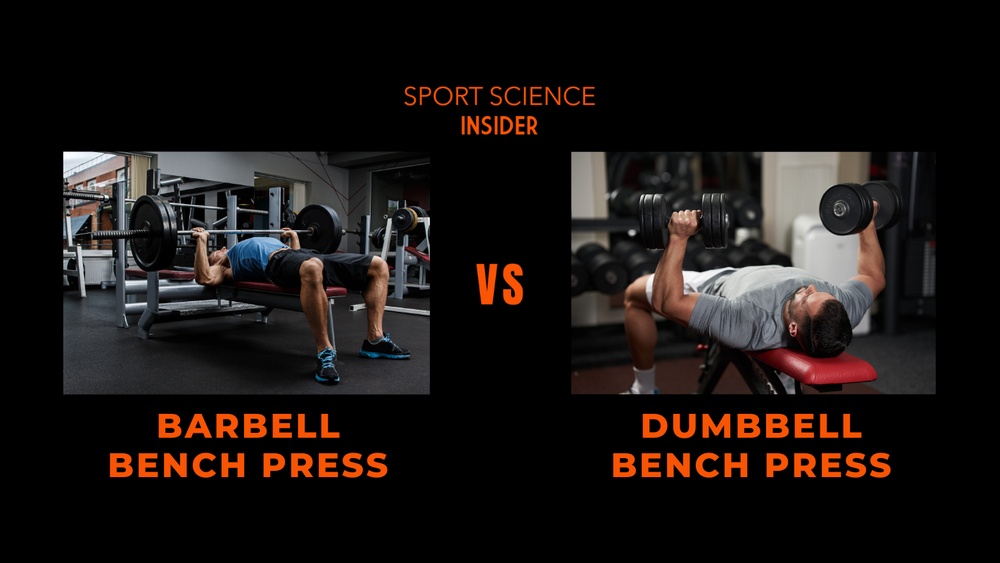
Dumbbells offer better functional strength by engaging stabilizer muscles. They provide a wider range of motion and improve balance compared to machines.
Can Beginners Safely Use Dumbbells To Build Strength?
Absolutely, beginners can safely use dumbbells with proper form and light weights. Starting slow and increasing weight gradually prevents injury and promotes strength gains.
Conclusion
Dumbbells help build strength effectively and safely. You can target many muscles with them. They fit well in small spaces and busy schedules. Regular use improves muscle tone and endurance. You control the weight and pace of your workout. Small steps lead to big strength gains over time.
Consistency matters more than heavy lifting alone. Give your body time to adapt and grow. Strength training with dumbbells suits beginners and pros. Start simple, stay steady, and watch your strength grow.