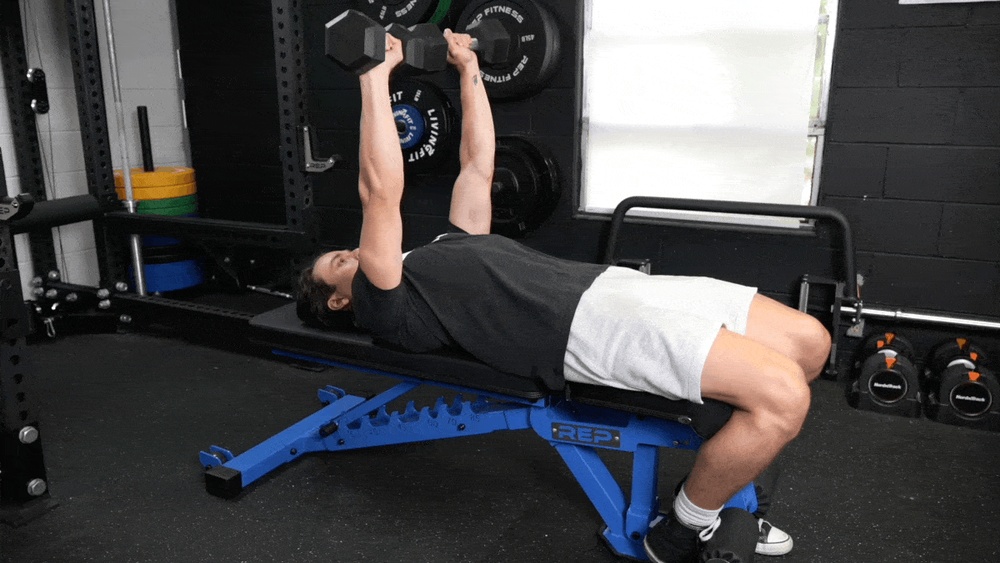
Are you wondering if you can replace your bench press with dumbbells? Maybe you’re looking for a new way to build strength or want to switch things up in your workout routine.
The good news is, dumbbells offer unique benefits that might surprise you. But can they truly match the power of the bench press? Keep reading to discover how dumbbells can change your training game and whether they’re the right choice for your goals.
Benefits Of Dumbbell Press
Dumbbell press offers many benefits for building upper body strength. It targets muscles differently than the bench press. Using dumbbells can improve your workout quality and results.
Below are key benefits that make the dumbbell press a valuable exercise to include in your routine.
Improved Muscle Activation
Dumbbells require each arm to work independently. This activates more muscle fibers in the chest, shoulders, and triceps. You get better muscle engagement compared to a barbell. This helps fix muscle imbalances and promotes even strength development.
Greater Range Of Motion
Dumbbells allow your arms to move freely. You can lower the weights deeper than with a barbell. This increases the stretch on chest muscles. More range of motion leads to better muscle growth and flexibility over time.
Enhanced Stability And Balance
Using dumbbells challenges your stabilizer muscles. Your body works harder to balance and control the weights. This improves overall shoulder stability and core strength. Better balance lowers injury risk during lifts and daily activities.
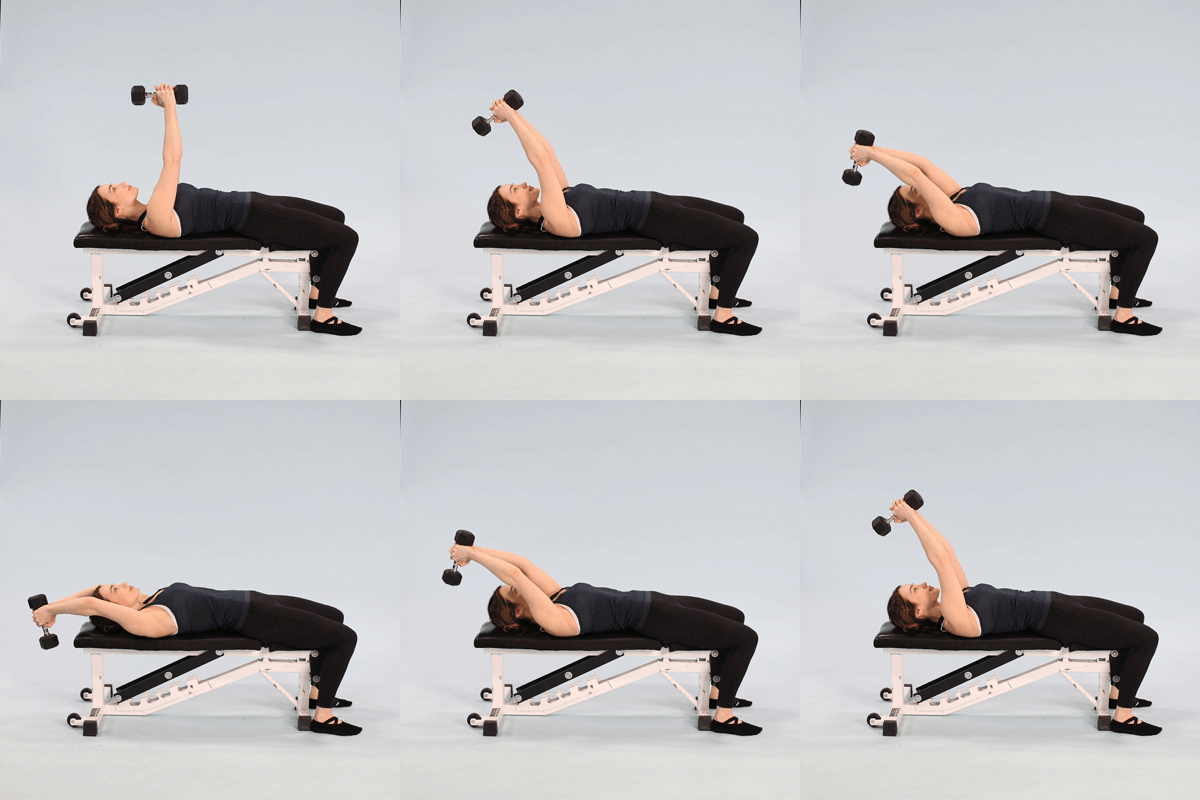
Credit: www.healthline.com
Comparing Bench Press And Dumbbell Press
Comparing the bench press and dumbbell press reveals key differences and similarities. Both exercises build upper body strength but vary in muscle focus, control, and safety. Understanding these differences helps decide which exercise fits your workout goals.
Muscle Groups Targeted
The bench press mainly works the chest, shoulders, and triceps. It uses a barbell, allowing both arms to push together. This creates balanced muscle activation.
The dumbbell press also targets the chest, shoulders, and triceps. It requires each arm to work independently. This can improve muscle balance and coordination.
Dumbbells engage stabilizer muscles more. They help control the movement and keep the weights steady.
Strength Development Differences
The bench press allows lifting heavier weights. This builds maximum strength faster. The fixed bar path provides stability for pushing heavy loads.
The dumbbell press uses lighter weights but increases range of motion. It challenges muscles differently and helps improve muscle control.
Dumbbells reduce strength imbalances. Each arm works alone, preventing one side from dominating.
Injury Risk Factors
The bench press can strain shoulders and wrists if done with poor form. The fixed bar limits natural arm movement, increasing joint stress.
The dumbbell press allows more natural arm movement. This reduces joint strain and lowers injury risk.
Dumbbells also give freedom to stop the lift safely. This is helpful if muscles fatigue or if pain occurs.
When To Choose Dumbbells Over Barbell
Choosing between dumbbells and a barbell for bench pressing depends on several factors. Dumbbells offer unique benefits that suit specific needs. Understanding when to pick dumbbells can improve your workouts and results.
Here are key situations to consider dumbbells over a barbell.
Limited Equipment Availability
Some gyms lack a bench press barbell setup. Dumbbells take up less space and are more common. You can do a bench press with just dumbbells and a flat bench. This makes dumbbells ideal for home gyms or small workout areas. They provide a flexible option when barbells are not accessible.
Rehabilitation And Joint Health
Dumbbells allow a more natural range of motion. This reduces strain on shoulders and wrists. They help maintain healthy joints during recovery from injury. Using dumbbells lets you control movement better and avoid pain. This makes them safer for people with joint problems or rehabilitation needs.
Focus On Muscle Symmetry
Dumbbells require each arm to work independently. This corrects muscle imbalances between sides. Barbells can let a stronger side dominate the lift. Dumbbells force equal effort from both arms. This helps build balanced strength and muscle development. Great for improving overall symmetry and coordination.
Effective Dumbbell Press Variations
Dumbbell presses offer a flexible and effective way to build chest strength. They allow more natural arm movement than the barbell. This can reduce joint strain and improve muscle balance. Different angles target different parts of the chest. Each variation changes the muscle focus slightly.
Choosing the right dumbbell press variation can help meet your fitness goals. It also keeps workouts interesting and prevents plateaus. Here are three key dumbbell press variations to try.
Flat Dumbbell Press
The flat dumbbell press targets the middle chest. Lie on a flat bench and press the dumbbells up. Keep your wrists straight and lower the weights slowly. This exercise helps build overall chest size and strength.
Incline Dumbbell Press
The incline dumbbell press focuses on the upper chest. Set the bench at a 30 to 45-degree angle. Press the dumbbells up and slightly together. This variation improves upper chest definition and shoulder stability.
Decline Dumbbell Press
The decline dumbbell press targets the lower chest. Use a bench set at a decline angle. Press the dumbbells up while keeping your elbows slightly bent. This helps develop the lower chest and adds shape.
Programming Dumbbell Press For Gains
Programming dumbbell press for muscle gains requires a clear plan. Dumbbells offer a natural range of motion. They activate more stabilizer muscles than the barbell. This makes the dumbbell press a great option for building strength and size.
To get the best results, you need to set reps, sets, and progression correctly. Mixing dumbbell presses with other chest exercises also helps. Let’s explore how to program dumbbell presses effectively.
Reps And Sets Recommendations
For muscle growth, aim for 8-12 reps per set. Perform 3 to 4 sets for each workout. Rest 60 to 90 seconds between sets. Use a weight that makes the last reps hard but doable. This range balances strength and size gains.
Progressive Overload Strategies
Progressive overload means gradually increasing workout difficulty. Increase dumbbell weight slowly over weeks. Add more reps if you cannot increase weight. Try adding an extra set occasionally. Track your progress to keep challenging muscles.
Combining With Other Chest Exercises
Pair dumbbell presses with push-ups or cable flys. This targets different chest areas for balanced growth. Use machines or barbells for variety. Changing exercises prevents plateaus and boosts muscle development. A varied routine keeps workouts fresh and effective.

Credit: www.youtube.com
Common Mistakes To Avoid
Replacing the bench press with dumbbells can be effective. Many make mistakes that slow progress or cause injury. Avoiding these errors helps you get better results safely. Focus on technique, weight, and muscle balance for success.
Poor Form And Technique
Good form matters more than heavy weights. Poor technique leads to injury and weak gains. Keep your back flat and feet steady. Lower dumbbells slowly and control the movement. Avoid arching your back or locking elbows fully.
Using Too Much Weight
Heavy weights do not always mean better results. Using too much weight can cause strain and injury. Start with manageable weights to learn control. Increase weight gradually as your strength improves. Quality reps beat quantity every time.
Neglecting Stabilizer Muscles
Dumbbell exercises need stabilizer muscles to work well. Ignoring these muscles limits your progress and balance. Engage your core and shoulder muscles during lifts. This support improves strength and reduces injury risk. Focus on steady, balanced movements.
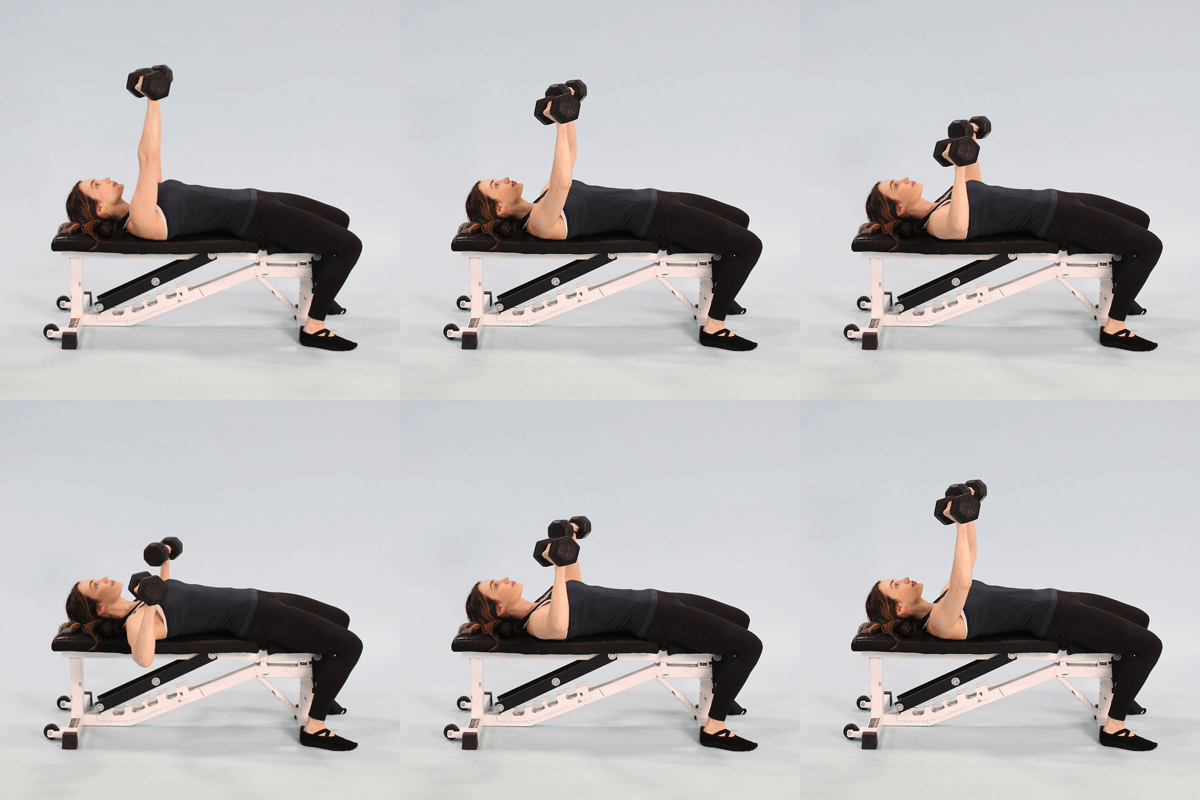
Credit: www.healthline.com
Frequently Asked Questions
Can Dumbbells Fully Replace The Bench Press Exercise?
Yes, dumbbells can replace the bench press effectively. They target the same muscles while improving stability and range of motion. Dumbbells also reduce muscle imbalances by allowing independent arm movement, making them a versatile alternative for chest workouts.
Are Dumbbell Presses Safer Than Barbell Bench Presses?
Dumbbell presses are generally safer due to a more natural arm path. They reduce shoulder strain and lower injury risk by allowing free movement. However, proper form and weight control are essential for safety in both exercises.
Do Dumbbells Build More Muscle Than The Bench Press?
Dumbbells can build muscle effectively by engaging stabilizer muscles more. They increase muscle activation due to greater range of motion. However, barbell bench presses allow heavier loads, which also promotes muscle growth. Combining both may yield best results.
How Do Dumbbell Presses Improve Muscle Balance?
Dumbbells require each arm to work independently, preventing dominance by the stronger side. This promotes balanced muscle development and corrects asymmetries. Balanced muscles reduce injury risk and improve overall strength and performance.
Conclusion
Dumbbells can effectively replace the bench press in many workouts. They help build strength and improve muscle balance. Using dumbbells also allows more natural movement and joint comfort. You can vary exercises easily with dumbbells to target different muscles. Still, consider your fitness goals before switching completely.
Both tools have unique benefits worth exploring. Keep your routine balanced and listen to your body. Consistency matters most for progress and safety. Choose what feels best for your strength and comfort.