When it comes to building a stronger chest and upper body, the dumbbell bench press is a go-to exercise for many. But how many reps should you be doing to get the best results?
Whether your goal is to build muscle, increase strength, or tone your chest, the number of reps you choose can make a big difference. You’ll discover the ideal rep ranges for your goals and how to adjust your routine to see real progress.
Keep reading, and you’ll learn exactly how to get the most out of every dumbbell bench press session.

Credit: www.muscleandstrength.com
Benefits Of Dumbbell Bench Press
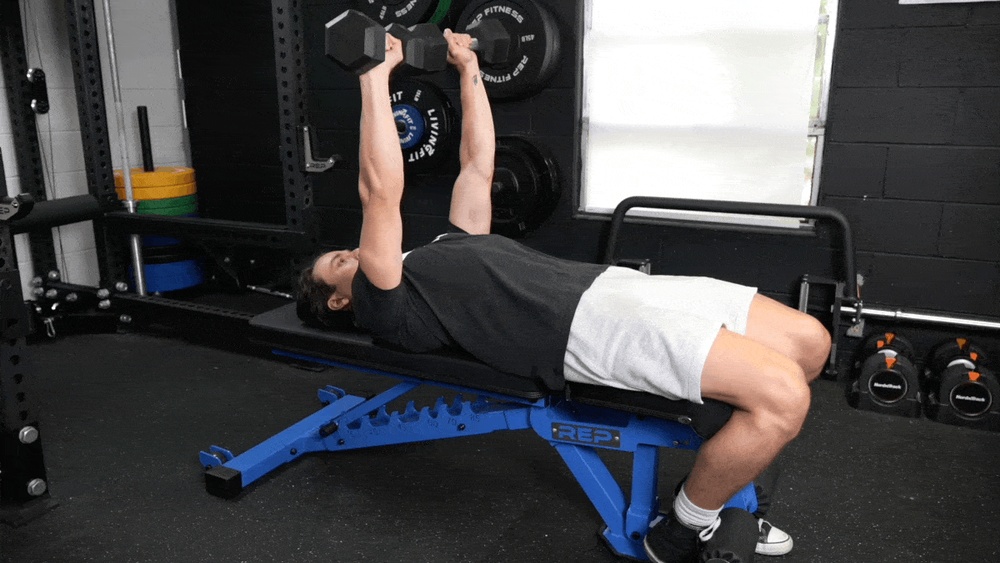
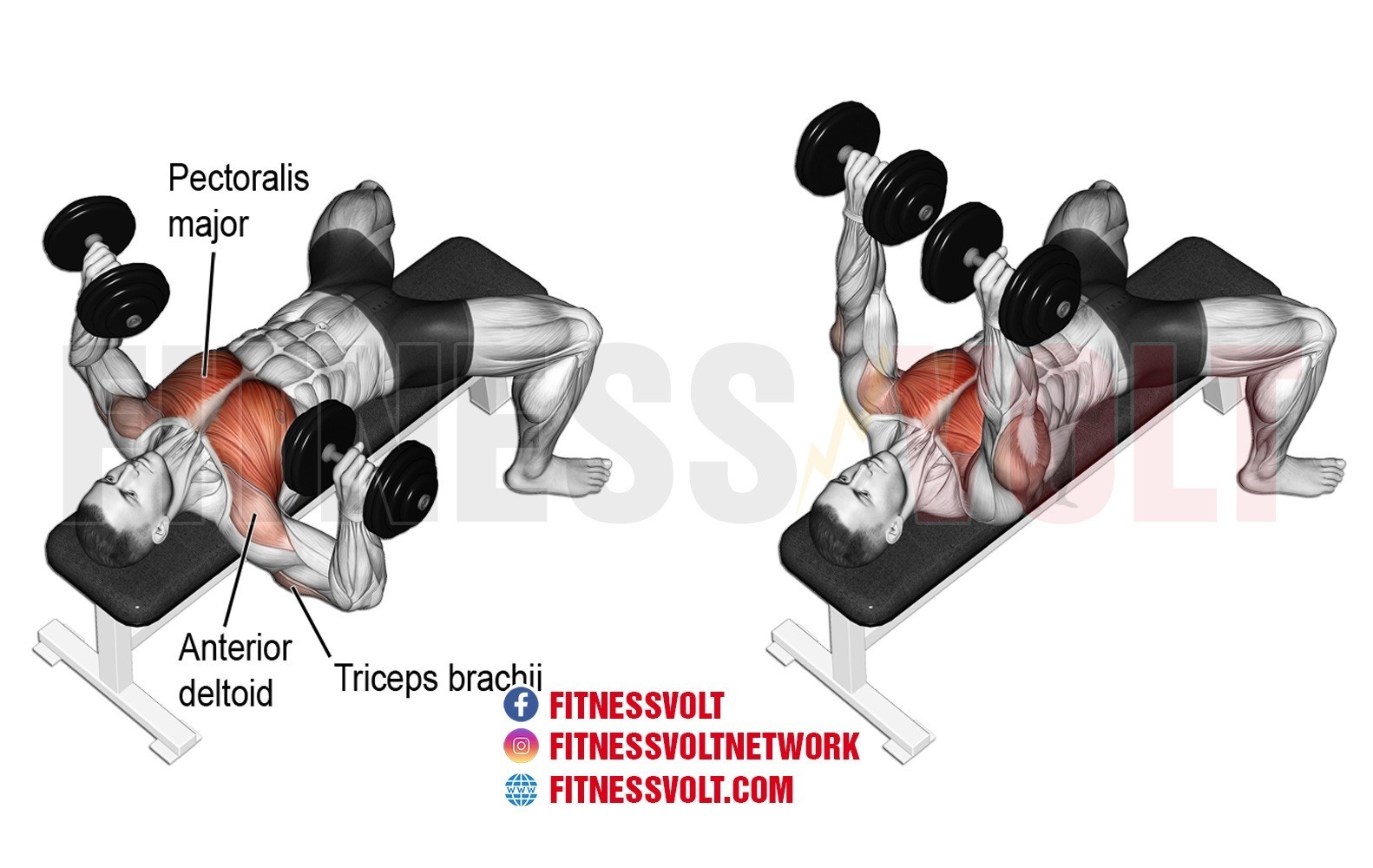
The dumbbell bench press is a powerful exercise for building upper body strength. It targets the chest, shoulders, and triceps effectively. Using dumbbells adds unique benefits that make this move a favorite for many lifters.
This exercise helps improve muscle balance and control. Dumbbells allow each arm to work independently, which can correct strength imbalances. The variety in movement also helps keep workouts interesting.
Muscle Activation
Dumbbell bench presses activate more muscle fibers than a barbell. Each arm moves separately, requiring extra effort from stabilizing muscles. This leads to better overall muscle growth and strength. It also challenges the chest muscles in new ways for improved gains.
Improved Stability
Using dumbbells forces your body to stabilize itself. Your shoulders and core work harder to control the weights. This improves joint stability and reduces injury risk. Stronger stabilizer muscles help with other lifts and daily activities.
Range Of Motion
Dumbbells allow a greater range of motion than barbells. You can lower the weights deeper, stretching the chest muscles more. This full stretch promotes muscle growth and flexibility. It also feels more natural and comfortable during the exercise.
Credit: fitnessvolt.com
Reps And Strength Gains
Reps play a key role in building strength with the dumbbell bench press. Different rep ranges lead to different results in muscle and power. Choosing the right number of reps helps meet your fitness goals faster. Understanding reps helps you train smarter and avoid plateaus.
Low Reps For Max Strength
Performing low reps, around 1 to 5 per set, focuses on building maximum strength. Use heavy weights that challenge your muscles. This range trains your nervous system to handle more force. Rest longer between sets to recover fully. Low reps increase the power of your bench press.
Moderate Reps For Hypertrophy
Moderate reps, usually 6 to 12 per set, help grow muscle size. This range causes muscle fibers to swell and adapt. Use weights that feel hard but allow completion of all reps. Shorter rest periods keep the muscles under tension. Moderate reps improve muscle shape and volume.
High Reps For Endurance
High reps, 15 or more per set, build muscular endurance. Use lighter weights and focus on form. This range improves your muscles’ ability to sustain effort longer. High reps also boost blood flow and muscle stamina. Good for those who want lasting strength.
Finding Your Ideal Rep Range
Finding the right number of reps for the dumbbell bench press helps maximize workout results. It depends on your current fitness, strength, and goals. Choosing the correct rep range improves muscle growth, endurance, or strength. This section guides you through simple steps to find your ideal reps.
Assessing Your Fitness Level
Start by knowing your fitness level. Are you a beginner, intermediate, or advanced lifter? Beginners need lighter weights and fewer reps to avoid injury. Intermediate lifters can handle moderate weights and reps. Advanced lifters often use heavier weights and vary reps for different goals.
Testing Your One-rep Max
Find your one-rep max (1RM) to understand your strength. 1RM is the heaviest weight you can lift once with good form. Test carefully or ask for help to avoid injury. Use this number to plan your rep ranges and choose weights that fit your goals.
Adjusting Based On Goals
Your goals decide the rep range you should use. For building strength, lift heavier weights for 3 to 6 reps. To build muscle size, aim for 8 to 12 reps with moderate weights. For endurance, use lighter weights and do 15 or more reps. Adjust reps as you progress or change goals.
Training Techniques To Maximize Gains
Training techniques play a key role in how many reps you do on the dumbbell bench press. They help your muscles grow stronger and bigger. Using the right methods helps you gain more from every workout.
Focus on these techniques to get the best results. They improve strength, form, and recovery, which all boost muscle growth.
Progressive Overload
Progressive overload means slowly increasing the weight or reps over time. This challenges your muscles and forces them to adapt. Start with a weight you can lift with good form for 8 to 12 reps. Then add a small increase each week. This helps you avoid plateaus and keeps muscles growing.
Proper Form And Tempo
Using proper form reduces injury risk and targets the right muscles. Keep your back flat and feet on the floor. Lower the dumbbells slowly, taking 2 to 3 seconds down. Pause briefly at the bottom, then press up smoothly. A controlled tempo helps muscles work harder and improves results.
Rest And Recovery
Rest is as important as training. Muscles need time to repair and grow after workouts. Take 48 hours between chest workouts. Get enough sleep and eat protein-rich foods. Rest helps increase strength and muscle size over time.
Common Mistakes To Avoid
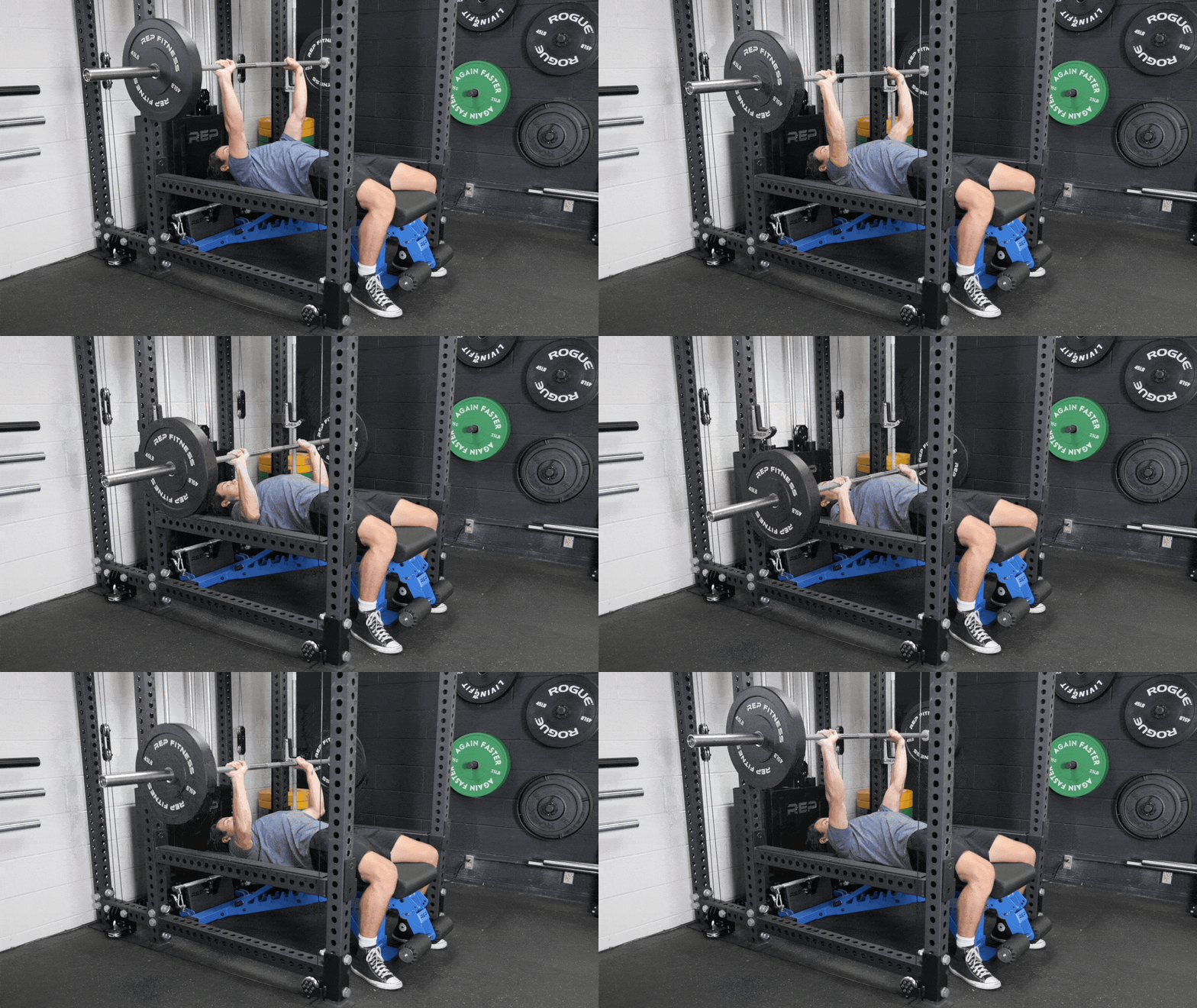
Many people make mistakes during the dumbbell bench press. These errors can reduce your progress and cause injuries. Avoiding common mistakes helps you get better results safely. Pay attention to your form and routine. Small changes make a big difference.
Using Too Much Weight
Choosing dumbbells that are too heavy is a common error. This can cause poor form and strain your muscles. Use a weight you can control for the right number of reps. Focus on smooth and steady movements. Lifting too heavy often leads to quick fatigue and injury.
Neglecting Warm-up
Skipping warm-up before bench press is risky. Warm muscles perform better and prevent injury. Spend 5 to 10 minutes warming up your chest and arms. Light dumbbell presses or dynamic stretches work well. Prepare your body to handle the workout safely.
Ignoring Muscle Imbalances
Muscle imbalances cause uneven strength and poor form. One arm might push harder than the other. This increases injury risk and slows progress. Pay attention to both sides equally. Use dumbbells to train each arm separately. Correct imbalances for balanced strength and better results.
Credit: barbend.com
Sample Dumbbell Bench Press Workouts
Sample dumbbell bench press workouts help target different fitness goals. Each routine changes the number of reps and sets. This guides your muscles to grow stronger, bigger, or more enduring. Choose the workout that fits your goal best.
Strength Focused Routine
Use heavy dumbbells with fewer reps. Aim for 3 to 5 sets of 4 to 6 reps. Rest for 2 to 3 minutes between sets. This routine builds raw power and muscle strength.
Hypertrophy Routine
Pick moderate weights and perform 3 to 4 sets of 8 to 12 reps. Rest time should be 60 to 90 seconds. This routine helps increase muscle size effectively.
Endurance Routine
Use lighter weights with higher reps. Do 2 to 3 sets of 15 to 20 reps. Keep rest short, about 30 to 45 seconds. This routine improves muscle stamina and endurance.
Frequently Asked Questions
How Many Reps Should I Do For Dumbbell Bench Press?
For strength, perform 4-6 reps with heavier weights. For muscle growth, aim for 8-12 reps. For endurance, do 15-20 reps with lighter weights.
How To Choose Reps For Dumbbell Bench Press Goals?
Select reps based on goals: low reps for strength, moderate for size, and high for endurance. Adjust weights accordingly to maintain form and avoid injury.
What Is The Ideal Rep Range For Muscle Growth?
The ideal rep range for hypertrophy is 8-12 reps. Use a weight that challenges you within this range while maintaining proper form.
Should Reps Vary Between Beginners And Advanced Lifters?
Yes. Beginners start with 10-15 reps using lighter weights. Advanced lifters use varied rep ranges based on specific training goals.
Conclusion
Choosing the right number of reps for dumbbell bench press depends on your goal. For strength, aim for fewer reps with heavier weights. For muscle growth, try moderate reps with medium weights. For endurance, use lighter weights and higher reps.
Always listen to your body and adjust as needed. Consistency matters more than exact numbers. Keep challenging yourself safely to see progress. Rest well and fuel your body properly. This way, you build strength and avoid injury. Simple steps lead to steady improvement.