Are you wondering how much weight you should use for dumbbell fly exercises? Picking the right weight can make all the difference in building muscle without risking injury.
Too light, and you won’t see progress. Too heavy, and you might hurt yourself or lose proper form. You’ll discover exactly how to choose the perfect dumbbell weight for your fly workouts—so you can get stronger, safer, and see results faster.
Keep reading to unlock simple tips that will transform your chest training!
Choosing The Right Dumbbell Weight
Choosing the right dumbbell weight is key for effective dumbbell fly exercises. The correct weight helps build muscle without causing injury. It also allows steady progress in strength and size.
Picking a weight too heavy can strain muscles and joints. Too light, and the exercise loses effectiveness. Understanding how to select the right weight ensures safety and gains.
Factors Affecting Weight Selection
Several factors influence the dumbbell weight you should use. Your current strength level is the main factor. Beginners need lighter weights to learn form.
Body size and muscle mass also play roles. People with larger muscles can handle more weight safely. Experience with similar exercises helps choose an appropriate weight.
Finally, consider your fitness goals. For muscle endurance, use lighter weights with more repetitions. For muscle growth, heavier weights with fewer reps work better.
Starting Light To Prevent Injury
Starting with light dumbbells protects muscles and joints. It allows your body to adjust to the new movement. Light weights help you focus on good form.
Using heavy weights too soon can cause strains or tears. It can also lead to poor technique, reducing exercise benefits. Light weights reduce injury risk and build confidence.
Progressive Overload Basics
Progressive overload means gradually increasing weight to build strength. Start with a weight you can lift comfortably for 8-12 reps. When the weight feels easy, increase it slightly.
Small increases over time lead to muscle growth and better fitness. Keep track of the weight and reps to measure progress. This method improves results without injury.
Credit: www.healthline.com
Proper Form For Dumbbell Fly
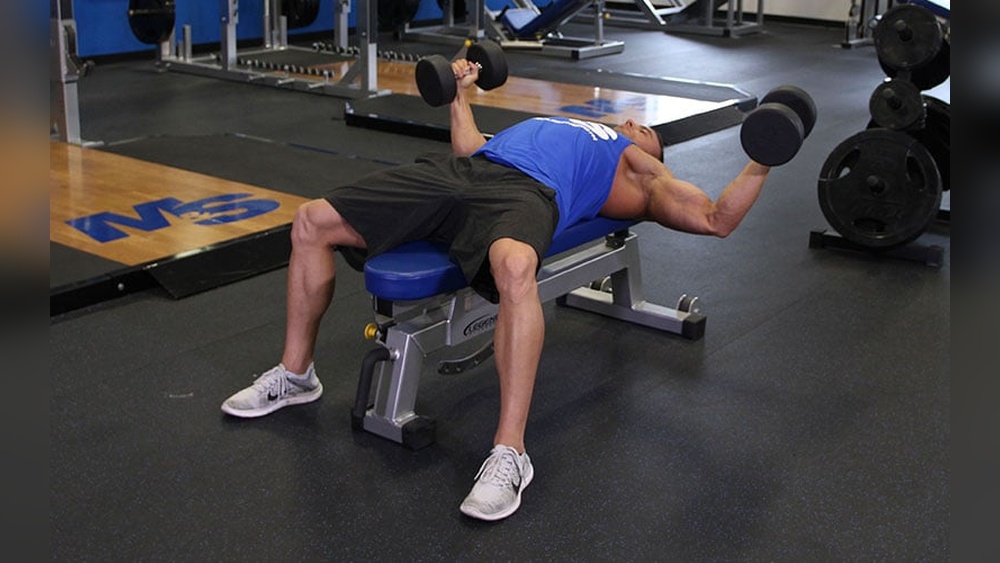
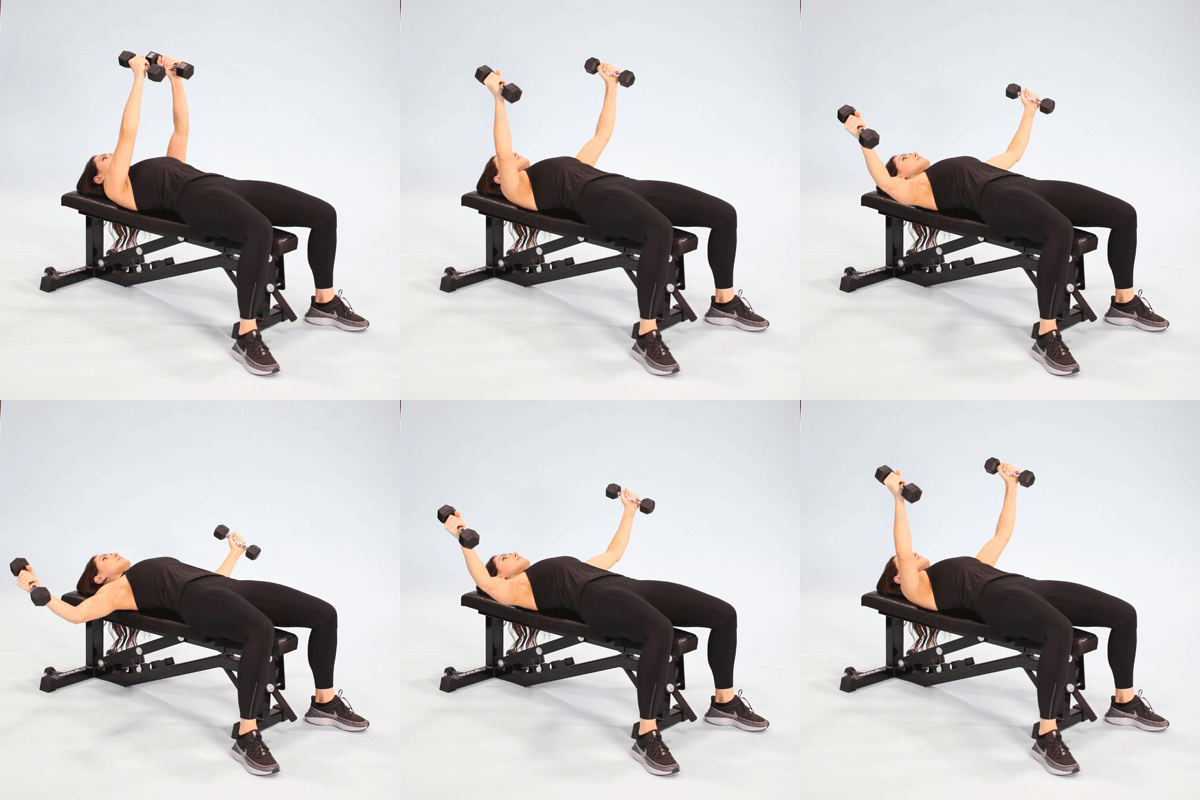
Proper form is key to effective dumbbell fly exercises. It helps target chest muscles and avoids injuries. Focus on slow, controlled movements and correct positioning for best results. Below are important tips on maintaining proper form during dumbbell flys.
Correct Arm Positioning
Keep your arms slightly bent at the elbows. Avoid locking your elbows straight. This reduces strain on the joints. Your hands should face each other throughout the movement. Move the dumbbells wide but do not overstretch. Keep the elbows in line with the shoulders.
Controlling The Movement
Lower the dumbbells slowly to feel the stretch. Pause briefly at the bottom position. Use your chest muscles to lift the weights back up. Avoid using momentum or swinging the dumbbells. Controlled movement increases muscle engagement and safety.
Common Form Mistakes
Avoid letting your elbows drop too low below shoulder level. This can cause shoulder injuries. Do not arch your back off the bench. Keep your core tight and back flat. Avoid lifting weights that are too heavy. Poor form leads to poor results and risk of harm.
Weight Recommendations By Experience
Choosing the right weight for dumbbell fly exercises depends on your experience level. Using the correct weight helps build muscle safely and effectively. It prevents injuries and improves your workout results. Below are weight recommendations based on different fitness stages.
Beginners’ Weight Range
Start with light dumbbells to learn proper form. Women can try 5 to 10 pounds. Men might begin with 10 to 15 pounds. Focus on controlled movements and avoid heavy weights. This approach builds strength and prevents strain.
Intermediate Lifters’ Guidelines
Use moderate weights to challenge your muscles more. Women can use 10 to 20 pounds. Men may lift 15 to 25 pounds. Increase weights gradually as strength improves. Maintain good form to maximize benefits and reduce risk.
Advanced Weight Suggestions
Choose heavier dumbbells for intense muscle growth. Women might lift 20 to 30 pounds. Men can use 25 to 40 pounds or more. Only lift these weights if your form stays perfect. Control is key to avoid injury and build muscle.
Signs You Should Increase Or Decrease Weight
Choosing the right weight for dumbbell fly is key for progress and safety. Knowing when to increase or decrease weight helps avoid injuries and keeps muscles growing. Paying attention to your body’s signals guides these changes effectively.
Recognizing Muscle Fatigue
Muscle fatigue means your muscles feel tired but still able to finish the set. This is a good sign that the weight challenges your muscles. If you cannot complete the last reps with good form, the weight is too heavy. If the weight feels too easy and you do not feel tired, try increasing it.
Avoiding Overtraining
Overtraining causes constant soreness and weakness. If your muscles hurt for days after a workout, reduce the weight. Overtraining slows down recovery and increases injury risk. Choose lighter weights until your muscles feel fresh again before increasing load.
Listening To Your Body
Your body sends clear signals during exercise. Sharp pain or discomfort means stop and lower the weight. Mild muscle burn is normal, but pain is not. Adjust weight to keep exercise safe and effective. Trust your body’s feedback to guide your training.
Incorporating Dumbbell Flys Into Your Routine
Dumbbell flys are a great way to build chest strength and shape. They target the muscles between the shoulder and chest. Adding flys to your workout can help improve muscle size and definition.
Using the right weight and technique is important. Too heavy can cause injury. Too light may not challenge your muscles enough. Balancing weight with form gives the best results.
Sets And Reps For Muscle Growth
For muscle growth, aim for 3 to 4 sets per session. Each set should have 8 to 12 reps. This range helps build muscle size effectively. Rest for 30 to 60 seconds between sets. Keep your movements slow and controlled.
Pairing With Other Chest Exercises
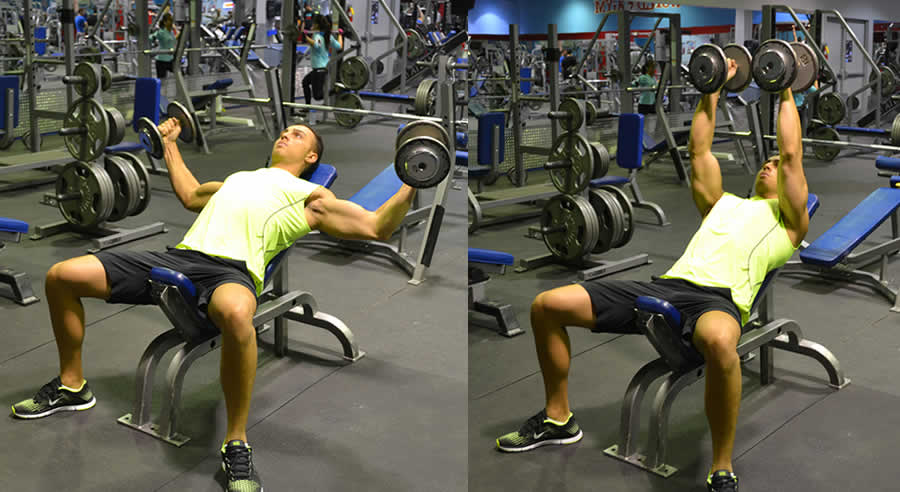
Dumbbell flys work well with presses and push-ups. Combine flys with bench presses to target all chest areas. Start with compound lifts, then add flys for isolation. This mix improves strength and muscle shape.
Rest And Recovery
Muscles need time to heal and grow. Rest for 48 hours before training the same muscle again. Sleep and nutrition play a big role in recovery. Avoid overtraining to prevent injury and fatigue.
Credit: the-optimal-you.com
Safety Tips To Maximize Gains
Safety is key when doing dumbbell fly exercises. Proper care helps avoid injuries and boosts muscle growth. Follow these tips to keep your workouts safe and effective.
Warming Up Properly
Start with light weights or no weights at all. This prepares your muscles and joints for the exercise. A good warm-up increases blood flow and reduces injury risk. Spend at least 5 to 10 minutes warming up. Stretch your chest, shoulders, and arms gently.
Avoiding Shoulder Strain
Keep your shoulders safe by not lowering the dumbbells too far. Stop when you feel a slight stretch, not pain. Use controlled movements and avoid jerking the weights. Keep your elbows slightly bent to reduce pressure on your joints. Always listen to your body and stop if you feel sharp pain.
Using Spotters Or Support
Having a spotter helps when lifting heavier weights. They can assist if you lose control of the dumbbells. Use a bench with good back support to maintain balance. This support helps keep your form correct. Never lift weights that feel too heavy without help.

Credit: strengthlevel.com
Frequently Asked Questions
How Much Weight Should I Start Dumbbell Fly With?
Start with light weights like 5-10 pounds. This helps maintain proper form and reduces injury risk. Gradually increase as strength improves.
What Is The Ideal Dumbbell Fly Weight For Beginners?
Beginners should use 5-15 pounds. This range allows controlled movement and muscle engagement without overstraining the chest muscles.
How To Choose Dumbbell Weight For Fly Exercise?
Choose a weight you can lift for 8-12 reps with good form. Avoid weights that cause joint strain or poor technique.
Can Using Too Heavy Dumbbells Harm Dumbbell Fly Results?
Yes, heavy weights can cause poor form and injury. Use manageable weights to target chest muscles effectively and safely.
Conclusion
Choosing the right dumbbell fly weight depends on your strength and goals. Start light to focus on form and avoid injury. Gradually increase weight as your muscles grow stronger. Remember, quality beats quantity in every workout. Consistency and proper technique bring better results over time.
Listen to your body and rest when needed. Keep track of your progress to stay motivated. Weight selection is personal—find what challenges you without strain. This approach helps build chest muscles safely and effectively. Stay patient and enjoy the process of getting stronger.