Have you ever wondered if the police can open your locked glove box during a traffic stop? You might think that locking it keeps your belongings completely private and safe.
But what does the law say about your rights in this situation? Understanding whether officers can check your locked glove box is important—it could affect your privacy and what happens if you’re ever pulled over. Keep reading to find out exactly what you need to know to protect yourself and your belongings.

Credit: www.stevensonhendrickhonda.com
Police Authority To Search Vehicles
The police have rules about searching vehicles. These rules help protect your rights and keep searches fair. They decide when and how they can look inside your car, including locked compartments like the glove box. Understanding these rules is important if you wonder about police authority during a traffic stop or investigation.
Legal Grounds For Vehicle Searches
Police need a good reason to search your vehicle. This is called having “legal grounds.” They cannot search your car just because they want to. Usually, they must suspect you are hiding something illegal. This suspicion must be more than a guess. It means they believe a crime has happened or is happening.
Role Of Probable Cause And Consent
Probable cause means police have enough facts to believe your car has evidence of a crime. This can include illegal items in the glove box. Police can also ask for your permission to search. If you say yes, they can search without a warrant. Saying no means they often need probable cause or a warrant to proceed.
Exceptions To Warrant Requirements
Sometimes police can search without a warrant. One example is if they see something illegal in plain view. They can also search if they believe the car might be dangerous. Another exception is during a lawful arrest. These rules allow quick action but still protect your rights.
Locked Glove Box And The Law
Understanding the law about a locked glove box is important. Many people wonder if police can open it during a search. The rules depend on several factors, including your rights and what police are allowed to do. This section explains how the law views a locked glove box.
Is A Locked Glove Box Protected?
A locked glove box suggests privacy. People often keep personal items there. The law sometimes treats locked compartments differently. Locking it may imply you want to keep the contents private. Police may need special permission to open it.
Impact Of Locking On Search Rights
Locking a glove box can affect search rights. Police usually need a warrant to open locked spaces. Without a warrant, opening it might be illegal. Locking signals that you expect privacy. This can protect you from an unlawful search.
Courts’ Views On Locked Compartments
Courts often protect locked compartments more than open ones. Judges see a lock as a sign of privacy. They may require stronger reasons for police to search it. The locked glove box is not an automatic permission for police. Each case depends on its facts and evidence.
Your Rights During A Traffic Stop
During a traffic stop, knowing your rights is very important. Police officers have certain rules they must follow. You have the right to understand what officers can and cannot do. This helps you stay calm and protect yourself.
Many people wonder about police searches, especially of locked glove boxes. The law sets limits on when police can search your car and belongings. Knowing these rules can help you respond properly.
When Police Can Ask To Search
Police can ask to search your car if they have your permission. They can also search without permission if they find clear evidence of a crime. If they see something illegal in plain sight, they can act. Sometimes, police have a search warrant that allows them to search.
How To Respond To Search Requests
You can ask if you have to agree to the search. Speak politely but clearly. Say you do not consent to the search if you do not want it. Keep your hands visible and stay calm. Do not argue or resist physically.
Refusing A Search: Possible Consequences
Refusing a search does not mean you are guilty. Police may still search if they have legal reasons. Refusal might lead to longer stops or more questions. It can protect your rights but sometimes causes delays.

Credit: www.youtube.com
Legal Protections And Limitations
Understanding your legal rights about police searches is vital. This knowledge helps protect your privacy and property. The law sets clear rules about when police can check your locked glove box. These rules balance law enforcement needs and individual freedoms.
Fourth Amendment Basics
The Fourth Amendment protects against illegal searches and seizures. It requires police to have a good reason or a warrant. Without this, searching your locked glove box is usually not allowed. This amendment guards your personal space and belongings.
Limits On Police Searches
Police cannot search your locked glove box without your permission or a warrant. Exceptions exist, like if they believe there is immediate danger. Another exception is if the items relate to a crime in progress. These limits stop police from searching randomly.
What To Do If Rights Are Violated
Speak calmly but firmly if you think your rights were broken. Ask to see a warrant if police want to search. Write down what happened, including officer names and badge numbers. Contact a lawyer quickly to protect your legal rights and options.
Practical Tips For Drivers
Driving brings many responsibilities. Knowing your rights about glove box searches is key. This section offers practical tips to help you stay safe and prepared. Follow these simple steps to protect yourself and your vehicle.
Securing Your Vehicle
Always lock your car doors and glove box. A locked glove box shows you want privacy. Do not leave valuables visible inside the car. Keep important documents and items out of reach. These actions reduce the chance of police searching your vehicle. It also helps prevent theft and damage.
Handling Police Encounters Calmly
Stay calm when police approach. Keep your hands visible on the steering wheel. Speak clearly and politely. Answer questions but do not volunteer extra information. If asked about your glove box, know your rights. You can ask if police have a warrant. Avoid arguing or resisting, as this can escalate problems.
When To Seek Legal Help
Contact a lawyer if you believe your rights were violated. This includes searches without permission or a warrant. Legal advice helps protect your freedom and property. Keep records of the encounter, including officers’ names. Early legal help can prevent bigger problems later on.
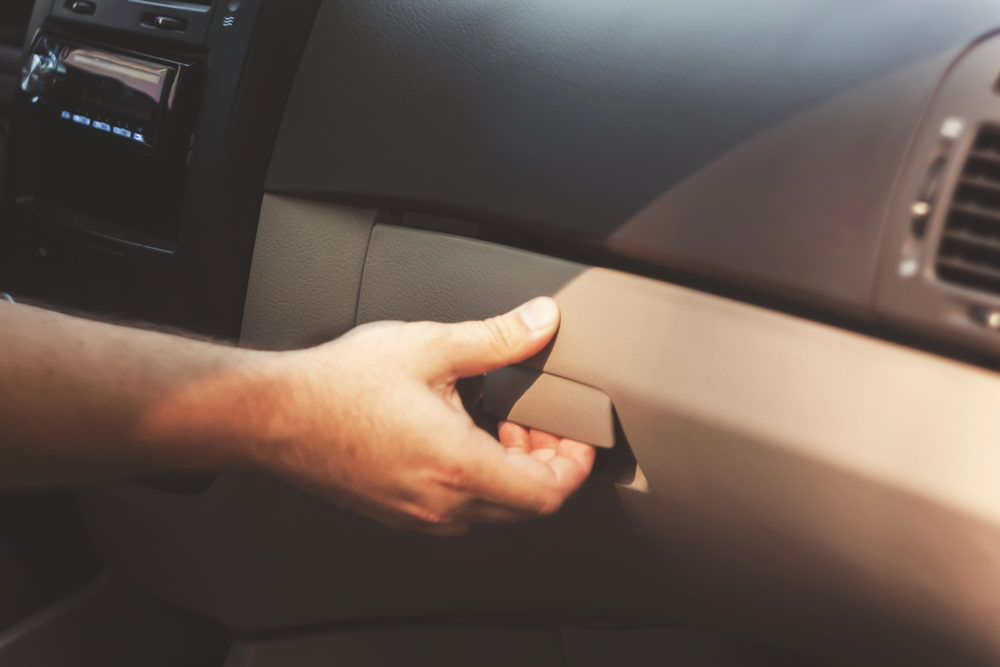
Credit: www.riddelllaw.com
Frequently Asked Questions
Can Police Search My Locked Glove Box Without Permission?
Police generally need a warrant or your consent to search a locked glove box. Exceptions apply if there’s probable cause or during an arrest.
Is A Locked Glove Box Protected Under The Fourth Amendment?
Yes, a locked glove box is considered private property and usually protected from unreasonable searches under the Fourth Amendment.
Can Police Break A Locked Glove Box During A Traffic Stop?
Police can break a locked glove box only if they have probable cause or a warrant. Otherwise, breaking it may be illegal.
What Are My Rights If Police Want To Check My Locked Glove Box?
You can refuse consent unless police have a warrant, probable cause, or exigent circumstances. Always ask if you are free to leave.
Conclusion
Police can check your locked glove box only in certain cases. They usually need your permission or a legal reason. Knowing your rights helps you stay calm and clear. Always keep documents and valuables safe and organized. Understanding the law makes encounters less stressful.
Stay aware, stay prepared.