Have you ever wondered why the small compartment in your car is called a “glove box”? It’s such a common term that you probably never stopped to think about where it came from.
But the story behind this simple name is actually quite interesting—and it might change how you see this everyday feature in your vehicle. Keep reading, and you’ll discover a surprising history that connects this little storage space to something you might not expect.
You won’t want to miss how a simple name holds a piece of the past right inside your car.
Credit: www.carolenash.com
Early Uses Of Glove Boxes
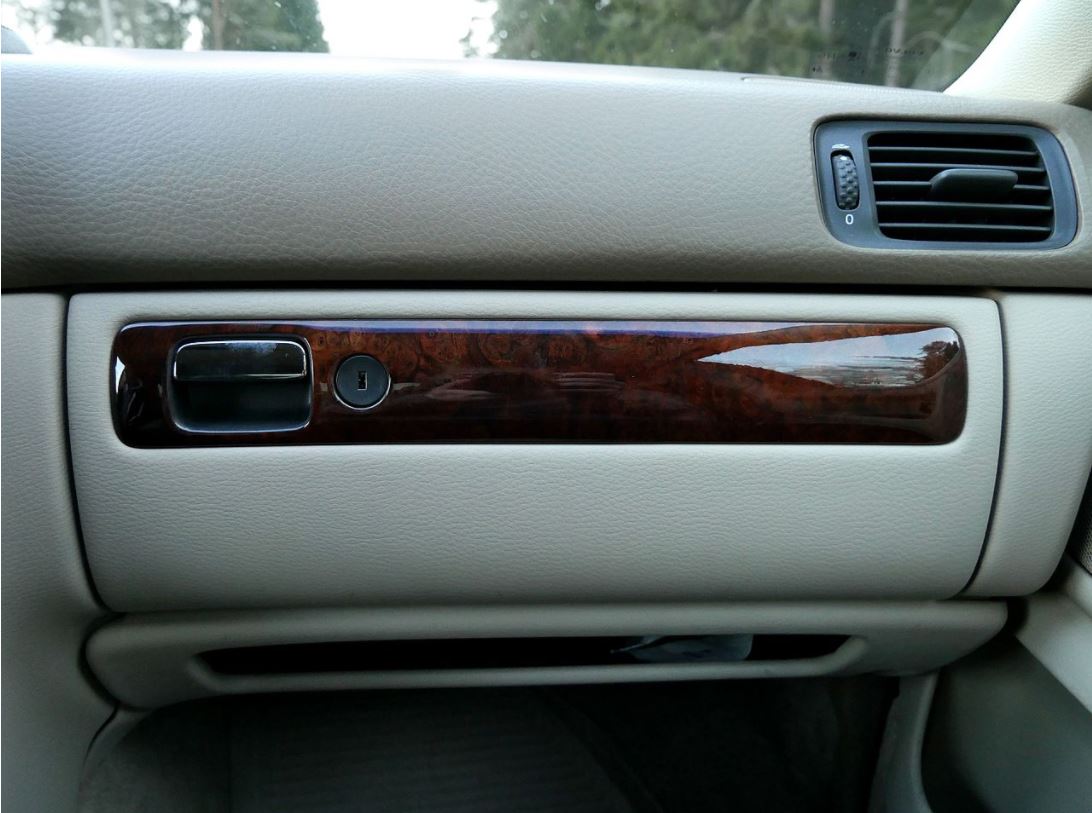
The glove box has a long history that dates back more than a century. It was not always the small storage space inside cars that we know today. Early glove boxes served practical needs beyond simple storage. They helped drivers and pilots keep important items safe and within reach.
These compartments were named for their original purpose: holding gloves. People wore gloves to protect their hands from cold weather or dirt. The boxes kept gloves clean and ready to use. Over time, the glove box became a common feature in various vehicles.
Origins In Automotive Design
In the early 1900s, cars did not have heating systems. Drivers wore gloves to keep their hands warm. The glove box was a small compartment on the dashboard. It gave drivers a place to store their gloves safely. This design helped keep gloves dry and clean during travel.
Car manufacturers soon saw the value of this feature. They added glove boxes to many models. The box also started holding other small items like maps and tools. This small space made driving easier and more comfortable.
Role In Aviation History
Glove boxes also played a role in early aviation. Pilots wore heavy gloves to protect their hands from cold air. The open cockpits made flying chilly and difficult. Pilots needed a safe place to store their gloves while not in use.
The glove box provided a handy storage spot inside the cockpit. It kept gloves close and ready for quick access. This feature helped pilots maintain control and comfort during flights. Aviation helped spread the idea of glove boxes to other vehicles.
Etymology Of The Term
The term “glove box” has an interesting history. It is tied closely to the early days of automobiles. Understanding the word’s origin helps us see how language and car design connect. The phrase describes a small compartment found in most cars today. But how did it get this name? The story lies in its original use and its link to gloves.
Connection To Gloves
Early drivers wore gloves to protect their hands. Cars had no heating, and roads were dusty or cold. Drivers kept their gloves handy in a special compartment. This compartment was called the “glove box.” It was a small box built into the dashboard. The name simply came from its purpose: holding gloves.
Evolution Of The Name
Over time, the use of the glove box changed. People began storing other small items inside. Sunglasses, maps, and documents found a place there. The name “glove box” stayed, even if gloves were not kept inside. Today, it means any small storage space in a car’s dashboard. The term has stuck around for over a century.
Functionality And Purpose
The glove box is a common feature in most vehicles. It serves a simple but important role inside the car. Understanding its functionality and purpose helps explain why it got its name. The glove box is more than just a storage spot. It offers convenience and safety for drivers and passengers alike.
Storage Convenience
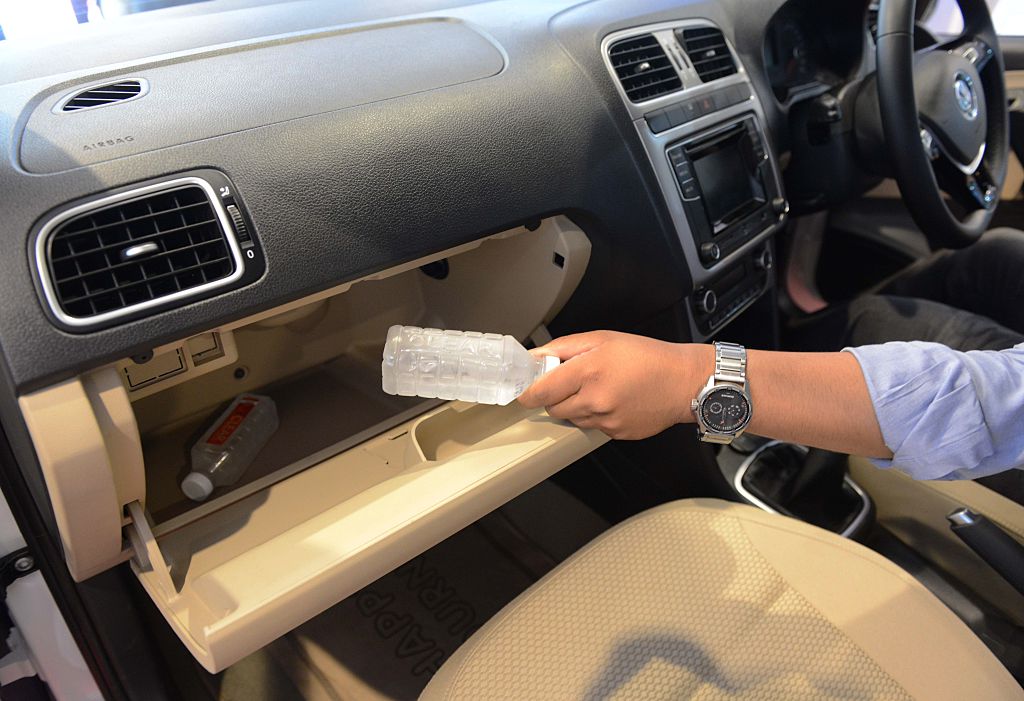
The glove box provides an easy place to keep small items. Drivers can store gloves, maps, and documents here. It helps keep the car organized and clutter-free. Items are within easy reach while driving. This convenience makes it a favorite spot for essential car tools and accessories.
Safety And Protection
The glove box also offers protection for important items. It shields documents and valuables from sunlight and damage. It keeps loose objects from moving around the car. This reduces distractions and increases safety. The glove box helps protect items during sudden stops or sharp turns.
Credit: www.motorbiscuit.com
Cultural Impact And References
The glove box has more than a practical use in cars. It holds a special place in culture and media. Many people recognize it not just as storage but as a symbol of car travel and safety. Its name and presence have influenced movies, TV shows, and even car design trends.
Appearances In Media
Movies often show characters reaching into the glove box. It stores important items like maps, documents, or secret gadgets. This simple car part adds realism to scenes. TV shows use glove boxes to create suspense or humor. Sometimes, the glove box holds clues that move the story forward. Its appearance connects viewers with everyday car experiences.
Influence On Car Design Trends
The glove box inspired many design ideas in cars. Designers focus on easy access and secure storage. Over time, glove boxes became more spacious and organized. Some models added features like locks and lights. The idea of a convenient, safe storage spot grew from the glove box concept. It influenced the way cars handle interior space and passenger comfort.
Modern Adaptations
The glove box has changed a lot from its original purpose. Today, it is not just a simple storage space. Car makers add many features to meet new needs. These modern changes help drivers and passengers in many ways.
These updates keep the glove box useful and relevant. It shows how an old idea can grow with new technology and habits.
Technological Enhancements
Modern glove boxes now include cooling systems. This lets you keep drinks cold during trips. Some have built-in USB ports for charging devices. Others have LED lights inside for better visibility at night. These small tech upgrades make the glove box more practical. They offer convenience beyond just holding gloves.
Changing Uses Over Time
The glove box holds more than gloves today. People store important documents like car registration and insurance papers. Some use it to keep small gadgets and sunglasses safe. Others keep snacks or tissues there for quick access. The glove box adapts to different drivers’ lifestyles. It shows how simple car parts can serve many purposes.

Credit: www.amazon.com
Frequently Asked Questions
What Is The Origin Of The Term “glove Box”?
The term “glove box” originated from early containers designed to store gloves. These boxes were small, easily accessible, and kept gloves safe. Over time, the name stuck even as the box evolved to hold various items, especially in cars.
Why Is A Car’s Glove Compartment Called A Glove Box?
A car’s glove compartment is called a glove box because it was initially meant to store driving gloves. The compartment was designed as a convenient, enclosed space to keep gloves clean and handy during drives.
How Did Glove Boxes Evolve Over Time?
Glove boxes started as simple glove storage containers. Over time, they evolved into built-in car compartments for small item storage. Today, glove boxes hold manuals, documents, and personal belongings, making them a standard vehicle feature.
Are Glove Boxes Used Outside Of Cars?
Yes, glove boxes are used outside cars, especially in labs and manufacturing. These sealed boxes allow users to handle hazardous materials safely without direct contact, using built-in gloves.
Conclusion
The glove box name comes from a simple reason. People once stored gloves in these small compartments. Over time, the name stuck, even as uses changed. Today, glove boxes hold many small items, not just gloves. This shows how language evolves with daily life.
Knowing this story adds a fun fact to your car knowledge. Next time you open a glove box, you’ll remember its history. Small things often have big stories behind them. It’s a neat example of how words and objects connect.