Have you ever wondered if the police can search a locked glove box in North Carolina? If you’re like most people, the idea of someone opening a personal space in your car without your permission feels unsettling.
You might ask yourself: What are my rights? When can the police legally look inside? Understanding these rules can protect you and your belongings. Keep reading to learn exactly what the law says about glove box searches in North Carolina—and what it means for you.

Credit: nccriminallaw.com
Police Search Laws In North Carolina
Police search laws in North Carolina set clear limits on when officers can search a vehicle. These laws aim to protect your rights while allowing police to do their job. Knowing these rules helps you understand what is allowed during a traffic stop or investigation.
One common question is whether police can search a locked glove box. The answer depends on several legal factors explained below.
Legal Standards For Vehicle Searches
Police need a valid reason to search any part of your vehicle. This includes locked compartments like a glove box. The law requires specific conditions before a search can happen. Without these, searches may be illegal and evidence might be thrown out in court.
Role Of Probable Cause
Probable cause means police have a good reason to believe a crime occurred. It must be more than a guess. For example, seeing illegal items in plain view can create probable cause. If police have this, they can search your locked glove box without your permission.
Consent And Searches
Police can search your vehicle if you give clear permission. You can refuse to allow a search. If you say yes, police can open locked areas like the glove box. Always remember, you have the right to say no unless officers have a warrant or probable cause.
Locked Glove Box And Fourth Amendment
The Fourth Amendment protects people from unreasonable searches by the police. This protection applies to cars and their compartments. A locked glove box raises questions about privacy and police authority. Can police search inside without a warrant? Understanding this issue requires looking at the Fourth Amendment and privacy expectations.
Expectations Of Privacy In Vehicles
People expect some privacy in their cars. They can keep personal items inside. But courts say this privacy is limited. Cars are mobile and subject to regulations. Police can search cars with probable cause. Privacy in a car is less than in a home. This affects searches of compartments like glove boxes.
Impact Of Locking The Glove Box
Locking a glove box shows intent to keep contents private. Courts see a locked box differently than an open one. A locked glove box may increase privacy expectations. Police might need a warrant to search it. Without a warrant, opening a locked glove box can violate the Fourth Amendment. Locking adds a layer of protection for personal items.
When Can Police Search A Locked Glove Box?
Police officers cannot search a locked glove box in North Carolina without proper reasons. Laws protect your privacy and belongings in a vehicle. There are specific situations where searching a locked glove box is allowed. Understanding these situations helps you know your rights and what police can do.
Search Incident To Arrest
Police can search a locked glove box if they arrest the driver. This search helps find evidence or weapons linked to the crime. The search must happen right after the arrest. It cannot be used to justify a search without an arrest.
Search Warrants
Officers may get a search warrant from a judge. The warrant must clearly list the glove box as a place to search. Police can then open the locked glove box legally. Warrants are issued only with enough evidence to prove a crime.
Exigent Circumstances
In emergencies, police can search the locked glove box without a warrant. For example, if they believe evidence will be destroyed quickly. Or if someone’s safety is at risk. These situations allow quick action to protect people and evidence.
Your Rights During A Traffic Stop
Knowing your rights during a traffic stop is important. Police may stop you for many reasons. It is key to stay calm and polite. Understanding what you can and cannot do helps protect you. This section explains your rights and how to act.
Responding To Police Requests
Always be respectful when police ask questions. You must show your driver’s license and registration. Answer basic questions clearly and politely. You do not have to answer all questions. Speak only when spoken to. Do not argue or make sudden moves.
Refusing Consent To Search
You have the right to refuse a search. Police need a warrant or probable cause to search your car. If asked to search the glove box, say no clearly. Use words like, “I do not consent to a search.” Do not physically stop the officer. Just state your refusal calmly.
Handling Evidence Found In Searches
If police find evidence during a legal search, it may be used in court. If the search was without consent or warrant, evidence might be challenged. Always tell your lawyer about the search. Do not touch or hide anything. Let your lawyer handle the situation later.
Legal Consequences Of Illegal Searches
Illegal searches by police officers can lead to serious legal problems. These searches violate a person’s rights under the Fourth Amendment. North Carolina courts take illegal searches seriously. The consequences protect citizens from unlawful police actions.
When police search a locked glove box without proper permission or a warrant, the evidence found may be challenged. The law aims to stop officers from breaking rules. This section explains the legal consequences of illegal searches in North Carolina.
Suppression Of Evidence
Evidence seized from an illegal search may be thrown out by the court. This is called suppression of evidence. If the police search a locked glove box without a warrant or consent, the evidence inside may not be used in court. This can weaken the prosecution’s case.
Suppression helps keep police honest. It discourages officers from breaking the law. Defendants have the right to ask the court to exclude illegally found evidence.
Filing Complaints Against Police
Citizens can file complaints if they believe police conducted an illegal search. Complaints can be made to local police departments or civilian review boards. This process holds officers accountable for their actions.
Filing complaints may lead to internal investigations. Officers who violate search laws may face discipline. This includes suspension or loss of job. Complaints also raise public awareness about rights and police conduct.
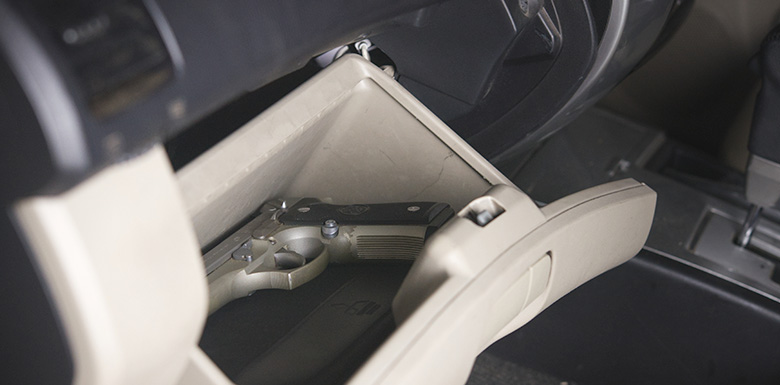
Credit: www.federaldefensenc.com
Tips For Protecting Your Rights
Protecting your rights during a police search is very important. Knowing what the law says helps you stay calm and safe. It also helps you avoid problems later. Here are some tips to keep your rights strong if police want to search your locked glove box in North Carolina.
Knowing State And Federal Laws
Each state has rules about police searches. North Carolina law often needs police to have a good reason. The Fourth Amendment protects against unfair searches. Police usually need your permission or a search warrant. Learn the basic laws so you understand what police can and cannot do.
Documenting Encounters
Write down details of the police encounter right away. Note the time, date, and officer’s name or badge number. Record what the officer said and did. If safe, use your phone to record the interaction. This helps protect you if questions arise later.
Seeking Legal Advice
Talk to a lawyer if the police search your glove box. A lawyer knows the laws and can guide you. They help protect your rights and explain your options. Get advice soon after the event for the best help.

Credit: byrna.com
Frequently Asked Questions
Can Police Search A Locked Glove Box Without Permission?
In North Carolina, police generally need a warrant or probable cause to search a locked glove box. Without consent or a warrant, searching it may violate the Fourth Amendment rights against unreasonable searches.
What Laws Regulate Glove Box Searches In North Carolina?
North Carolina follows the Fourth Amendment and state laws requiring police to have a warrant, consent, or probable cause to search a locked glove box during a traffic stop or investigation.
Does Locking A Glove Box Protect My Privacy Legally?
Locking your glove box shows an expectation of privacy, which courts often respect. It can strengthen your rights against unlawful searches by police without proper legal justification.
Can Police Seize Items Found In A Locked Glove Box?
If police legally search a locked glove box and find illegal items, they can seize them as evidence. Illegally obtained evidence, however, may be excluded in court.
Conclusion
Police can search a locked glove box in North Carolina under certain rules. They need a search warrant or your permission first. If they find something illegal, it can affect your case. Knowing your rights helps you stay safe. Always stay calm during police stops.
Understanding these laws can protect you from surprises. Stay informed and know what to expect. This knowledge is important for every driver in North Carolina.