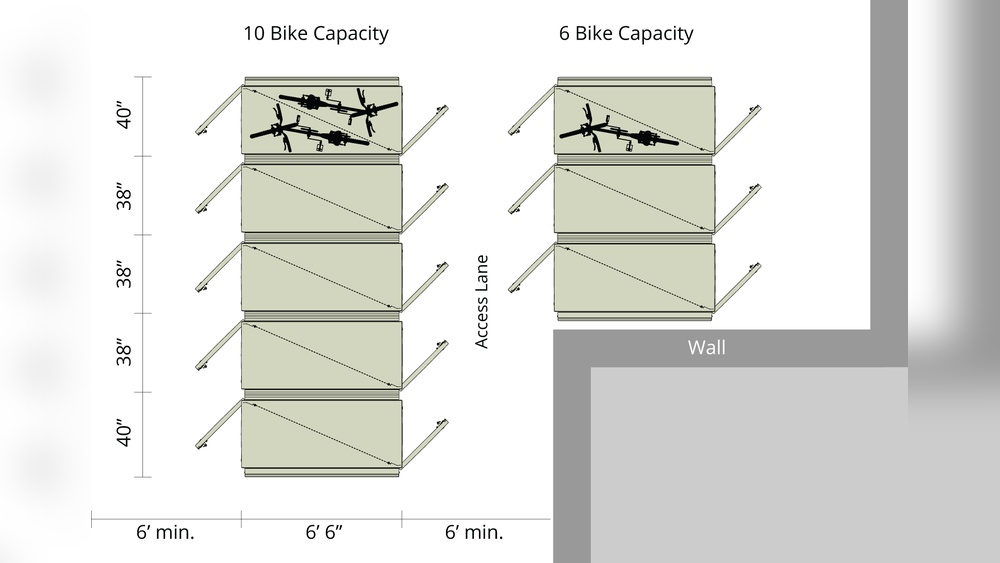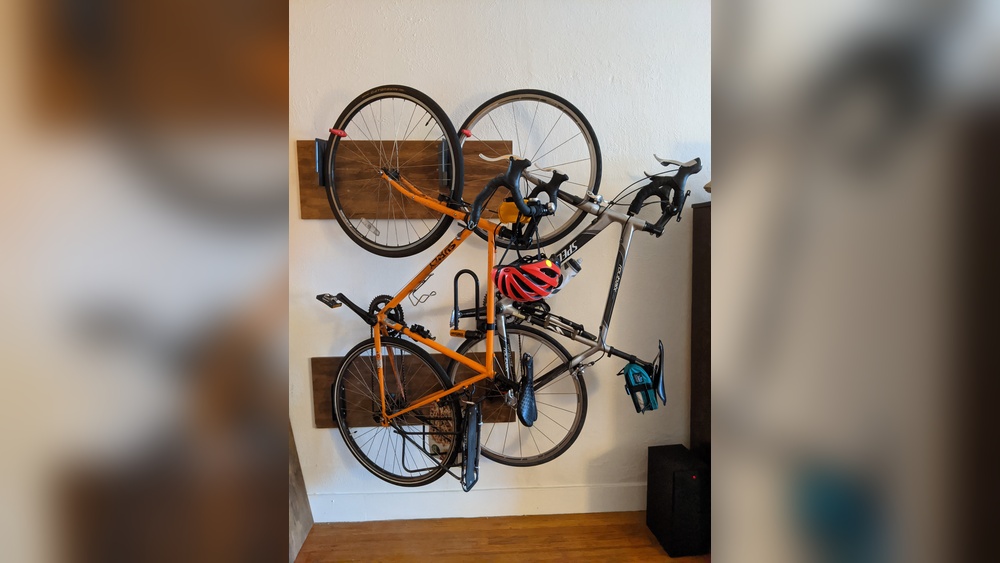
You want to keep your bike safe when using a hanging rack, but locking it properly can be tricky. If you don’t lock your bike the right way, it could get stolen or damaged.
In this guide, you’ll learn simple and effective steps to lock your bike securely to a hanging rack. By the end, you’ll feel confident that your bike is protected, giving you peace of mind every time you park it. Keep reading to discover the best tips that make locking your bike quick and foolproof.
Choosing The Right Hanging Rack
Choosing the right hanging rack is important for bike safety and convenience. The right rack protects your bike and saves space. It also makes locking the bike easier and more secure. Consider the type, material, and weight capacity before buying.
Types Of Hanging Racks
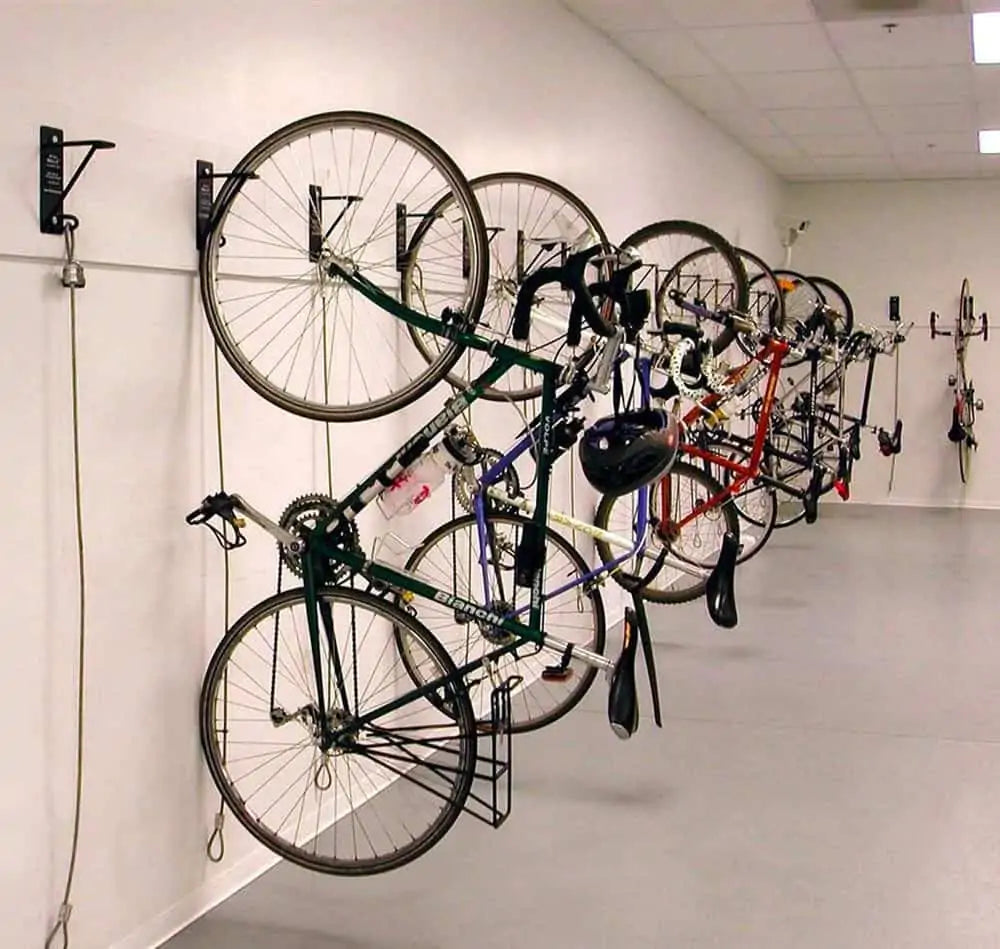
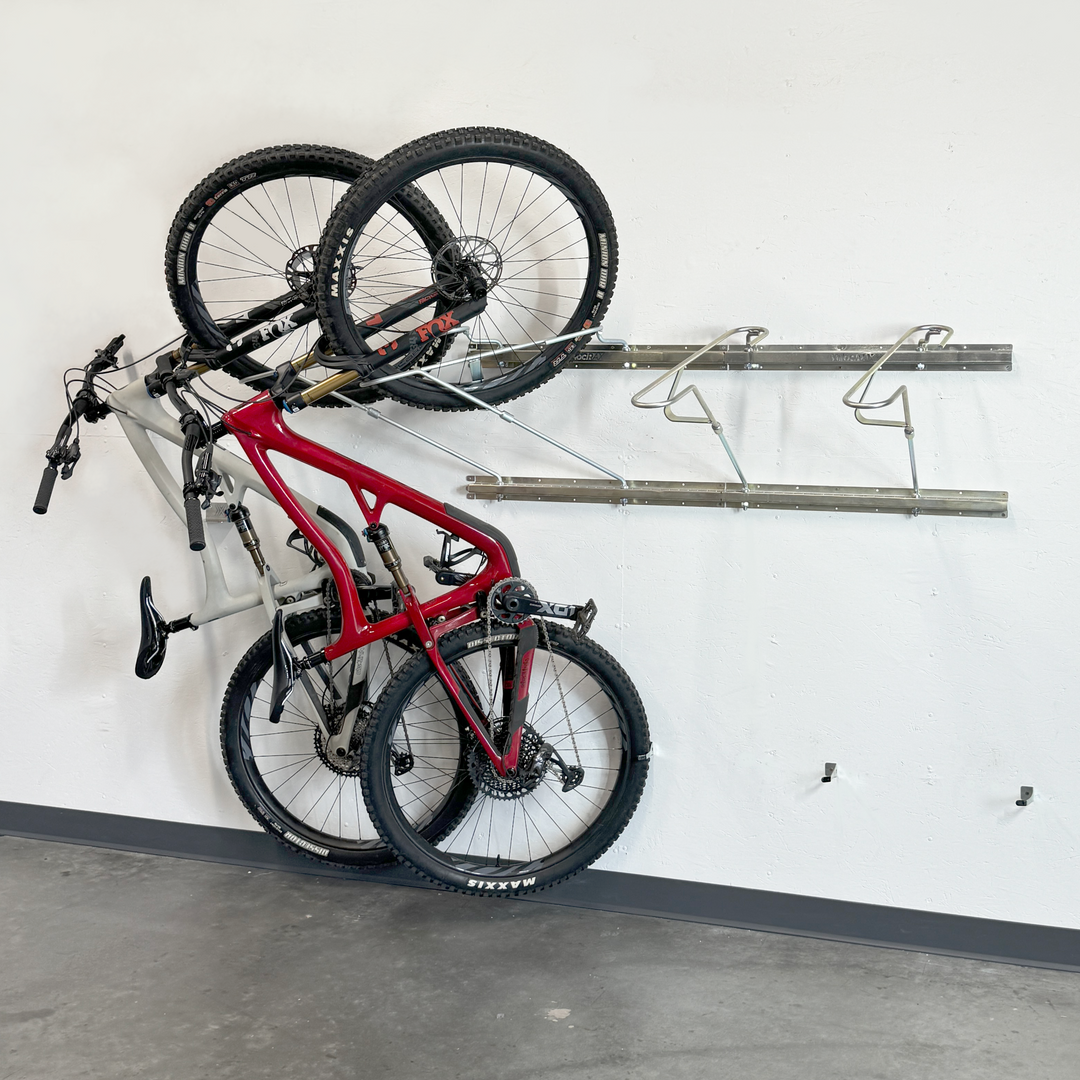
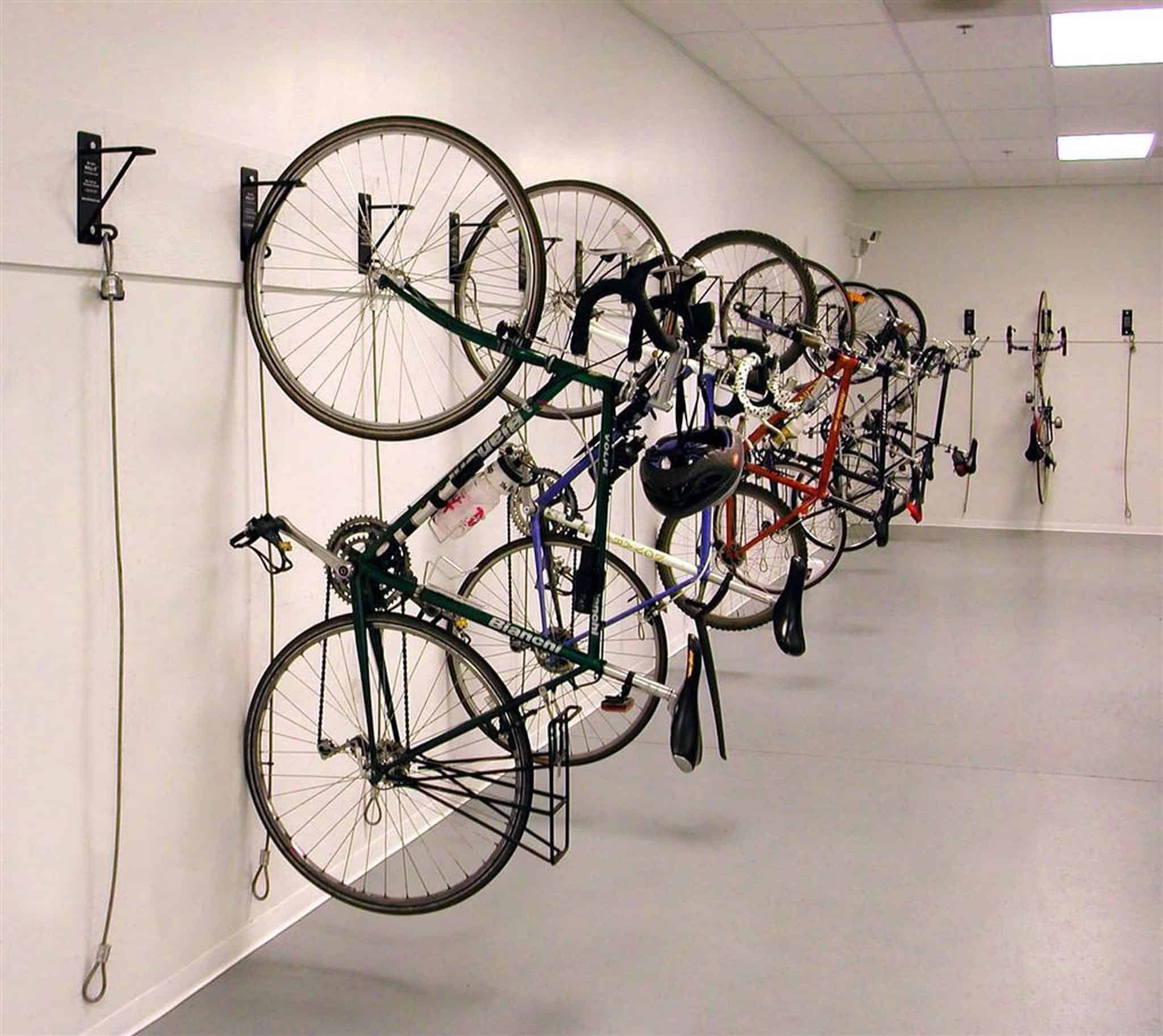
There are several types of hanging racks. Some hold the bike by the wheel, others by the frame. Vertical racks hang the bike up by one wheel. Horizontal racks support the bike along the frame. Choose the type that fits your space and bike style.
Material And Build Quality
Strong materials keep your bike safe. Steel racks are very sturdy and last long. Aluminum racks are lighter but still strong. Look for racks with good paint or coating. This prevents rust and damage over time.
Weight Capacity Considerations
Check the weight limit before selecting a rack. Make sure it can hold your bike’s weight. Heavy bikes need racks with higher capacity. Using a rack with low weight capacity can cause damage or accidents.
Credit: vtbikesolutions.com
Selecting Secure Lock Types
Selecting the right lock type is key to keeping your bike safe on a hanging rack. The lock must be strong and hard to break. Choosing the best lock depends on your bike’s value and where you park it. Some locks offer better protection than others. Below are popular lock types to consider for your hanging bike rack.
U-locks Vs. Cable Locks
U-locks are made of hardened steel. They resist cutting and prying. They fit snugly around the bike frame and rack. Cable locks are flexible and lightweight. They wrap easily around wheels and frames. But cables can be cut quickly with bolt cutters. U-locks offer stronger security than cables.
Chain Locks For Added Security
Chain locks are thick metal links. They are heavy but very tough. Chains can secure the frame and wheels well. Choose a chain with a high-quality lock. Chains resist cutting tools better than cables. They provide strong protection for long-term parking.
Smart Locks And Alarms
Smart locks use Bluetooth or apps to lock and unlock. They add convenience with no keys needed. Many have alarms that sound if the bike moves. Alarms scare off thieves and alert nearby people. Smart locks combine tech with physical security.
Preparing Your Bike For Locking
Preparing your bike for locking is an important step. It helps keep your bike safe and makes the locking process easier. Proper preparation saves time and prevents damage. Follow simple steps to get your bike ready for the hanging rack.
Removing Accessories
Take off any removable parts like lights, bags, or water bottles. These items can be stolen or damaged if left on the bike. Store them safely before you lock your bike. This makes your bike lighter and easier to handle.
Positioning The Bike Properly
Place your bike close to the hanging rack. Make sure the frame is steady and balanced. The bike should hang without touching the ground. Position it so the lock fits around strong parts of the bike and rack.
Securing Wheels And Frame
Use a strong lock to secure the frame and at least one wheel. Locking only the wheel leaves the frame vulnerable. Choose a spot on the rack that is hard to cut or break. Double-check the lock’s tightness before leaving your bike.
Credit: www.velocirax.com
Locking Techniques For Hanging Racks
Locking a bike to a hanging rack requires careful steps to protect your bike from theft. Using the right techniques can make a big difference. This section explains how to lock your bike safely to a hanging rack. Follow these tips to keep your bike secure.
Lock Placement Strategies
Place your lock around the bike frame and the rack. Avoid locking just the wheel or seat. The frame is the strongest part. Make sure the lock fits tightly. A loose lock gives thieves room to work. Position the lock high on the rack. This limits space for tools.
Securing Both Wheels
Both wheels need protection. Use two locks or a long lock that covers the frame and both wheels. Secure the front and rear wheels. This prevents quick wheel theft. If your lock is short, use a cable lock for the other wheel. Always lock the wheel closest to the rack first.
Avoiding Common Locking Mistakes
Never lock only the front wheel. Avoid locking your bike to small or weak parts. Thin bike racks can bend or break. Do not leave space inside the lock. Thieves use crowbars to pry open big gaps. Choose a sturdy lock. Check your lock regularly for damage.
Additional Security Measures
Adding extra security steps can protect your bike better. Thieves often target bikes that seem easy to steal. Simple locks might not be enough for a hanging rack. Extra measures make your bike less attractive to thieves. Here are some ways to boost your bike’s safety.
Using Multiple Locks
Use more than one lock to secure your bike. One lock might fail, but two make theft harder. Combine a U-lock with a cable lock for best results. Lock the frame and wheels separately. This method slows down thieves and increases your bike’s safety.
Installing Surveillance Cameras
Put a camera near your bike rack. Cameras record any suspicious activity around your bike. Visible cameras can scare off thieves before they act. Choose a camera with good video quality and night vision. Check the footage regularly to catch any problems early.
Choosing Safe Parking Locations
Park your bike where many people can see it. Well-lit areas reduce the risk of theft. Avoid secluded or dark spots. Choose busy places like near shops or offices. Safe locations make thieves think twice before stealing your bike.
Credit: vtbikesolutions.com
Maintenance Tips For Locks And Racks
Keeping your bike lock and hanging rack in good shape helps protect your bike. Regular care stops rust and damage. It also makes locking easier and safer. These tips help your equipment last longer and work well every day.
Regular Inspection
Look closely at your lock and rack often. Check for cracks, rust, or loose parts. Notice if the lock sticks or feels hard to turn. Watch the rack for bends or weak spots. Catching problems early avoids bigger damage later.
Cleaning And Lubrication
Clean dirt and dust from your lock and rack regularly. Use a soft cloth and mild soap with water. Dry them fully to stop rust. Apply a small amount of lubricant to the lock mechanism. This keeps the lock smooth and stops it from jamming.
Replacing Worn Components
Change parts that look worn or broken quickly. Replace rusted chains, bent hooks, or damaged locks. Using old or damaged parts risks your bike’s safety. New parts keep your bike locked firmly and your rack strong.
Frequently Asked Questions
How Do I Secure A Bike To A Hanging Rack?
Use a sturdy U-lock or heavy-duty chain lock. Pass it through the bike frame and the hanging rack. Ensure the lock is tight to prevent movement and theft. Always lock the frame, not just the wheels.
What Type Of Lock Is Best For Hanging Bike Racks?
A U-lock or a heavy-duty chain lock is best. These locks provide strong security and resist cutting. Cable locks alone are less secure. Choose a lock that fits well around the rack and bike frame.
Can I Lock Both Wheels On A Hanging Bike Rack?
Yes, but it depends on your lock length. If possible, secure the frame and both wheels. Use a secondary cable lock for the front wheel if needed. This adds extra protection against wheel theft.
How High Should I Hang My Bike On The Rack?
Hang the bike high enough to avoid floor contact. Typically, 4 to 6 feet off the ground works well. This prevents damage and keeps the bike stable. Ensure the hanging position allows easy locking access.
Conclusion
Locking your bike to a hanging rack keeps it safe and organized. Choose a strong lock and secure both the frame and wheels. Always double-check that the lock fits well and is tight. Placing the rack in a visible, well-lit area helps prevent theft.
Regularly inspect your lock and rack for any damage. These simple steps protect your bike and give you peace of mind. Stay safe and enjoy your rides without worry.