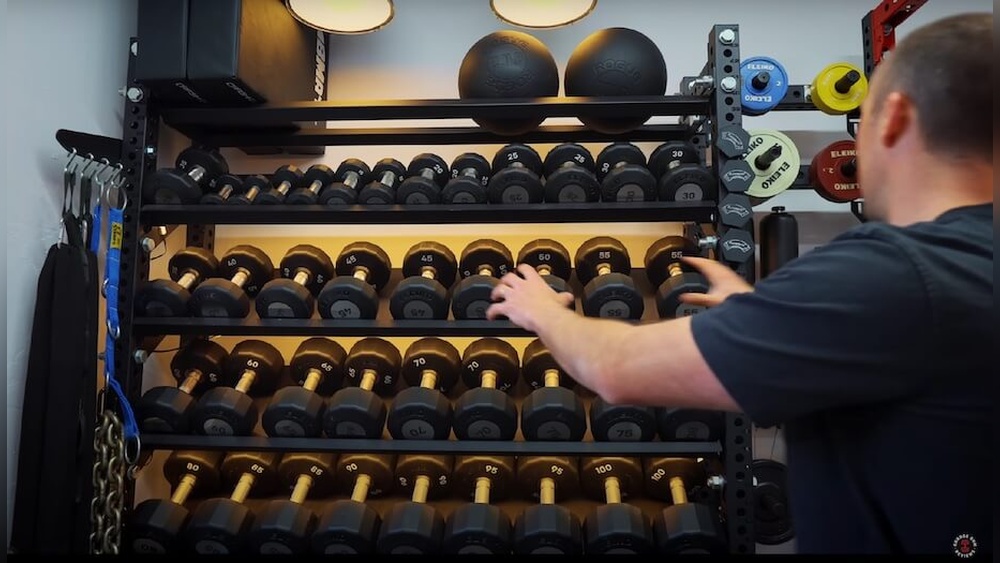
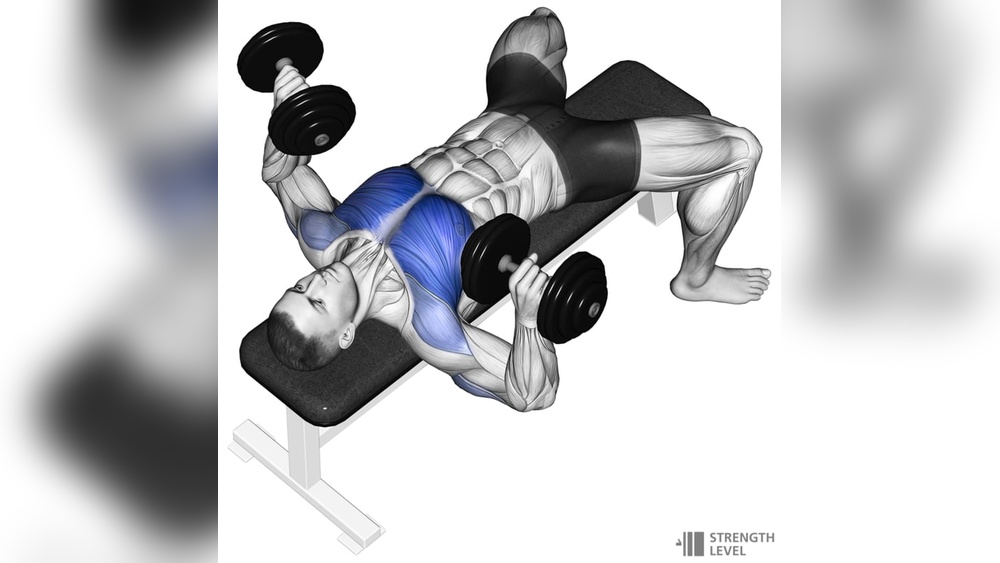
Are you wondering if those light dumbbells sitting at home can really help you build muscle? It’s a common question, especially if you don’t have heavy weights or a gym membership.
The good news is, you don’t always need heavy equipment to see results. In fact, using light dumbbells the right way can boost your strength and tone your body. Keep reading to discover how you can make the most of light weights and turn your workouts into real muscle-building sessions.
Your fitness goals might be closer than you think!

Credit: www.mak.kg
Benefits Of Light Dumbbells
Light dumbbells offer many benefits for building muscle and improving fitness. They allow you to work out safely and effectively. Using light weights helps focus on form and control. This leads to better muscle activation and growth over time.
They suit beginners and those returning after a break. Light dumbbells also add variety to your workout routine. They are easy to use at home or in the gym. Let’s explore the key benefits of light dumbbells.
Improved Muscle Endurance
Using light dumbbells helps increase muscle endurance. You can do more repetitions without feeling too tired. This trains your muscles to work longer and resist fatigue. Better endurance supports daily activities and other sports.
Reduced Injury Risk
Light dumbbells lower the chance of injury during exercise. They put less stress on joints and tendons. This allows safer practice of movements and better recovery. Perfect for people with joint pain or beginners learning proper form.
Versatility In Workouts
Light dumbbells work for many exercises and muscle groups. Use them for strength, balance, and flexibility training. They fit well in circuit training and rehabilitation programs. Their small size makes them easy to carry anywhere.
Credit: www.fitfatherproject.com
How Muscle Growth Works
Muscle growth happens when muscle fibers repair and get stronger. This process starts after muscles face stress during exercise. The body fixes tiny tears in the muscles, making them bigger and tougher.
Several factors help muscles grow. These include muscle tension, exercise volume, and how often you train. Understanding these helps you use light dumbbells effectively for muscle building.
Role Of Muscle Tension
Muscle tension means the force your muscles create during exercise. It is key for muscle growth. The muscle fibers must work hard enough to feel tired. Light dumbbells can create tension if used with slow and controlled movements.
Holding the muscle tight and focusing on the squeeze increases tension. This helps send signals to the muscles to grow stronger over time.
Importance Of Volume And Frequency
Volume means the total amount of work done, like sets and reps. Frequency is how often you train a muscle. Using light dumbbells, you can do more reps and sets. This raises the total volume.
Training muscles often helps keep the growth signals active. You can build muscle by increasing volume and frequency, even with lighter weights.
Progressive Overload Alternatives
Progressive overload means making exercises harder over time. Usually, this means adding more weight. With light dumbbells, you can change other factors. Increase reps, slow down movements, or reduce rest time.
These changes make your muscles work harder without needing heavy weights. This approach can still trigger muscle growth and strength gains.
Maximizing Gains With Light Weights
Building muscle with light dumbbells is possible by changing how you train. Using light weights requires smart techniques. These methods increase muscle tension and growth without heavy lifting. Focus on effort and control to get the best results.
Increasing Repetitions And Sets
Doing more reps with light weights challenges your muscles. Aim for 15 to 25 repetitions per set. Increase the number of sets to add volume. This helps muscles work longer and grow stronger. The key is to reach muscle fatigue by the end of each set.
Slowing Down Movement Tempo
Moving slowly with light dumbbells makes muscles work harder. Take 3 to 5 seconds for each lift and lower. This keeps muscles under tension longer. It improves muscle control and builds strength. Slow movements reduce momentum and increase workout quality.
Incorporating Supersets And Circuits
Supersets and circuits keep your muscles active without rest. Perform two exercises back to back for the same muscle group. Circuits involve multiple exercises for different muscles in a row. These techniques increase workout intensity. They boost muscle endurance and growth with light weights.

Credit: www.youtube.com
Effective Exercises Using Light Dumbbells
Light dumbbells can build muscle effectively with the right exercises. Using lighter weights allows for better control and form. It helps target muscles precisely and reduce injury risk. Focus on exercises that work multiple muscles or isolate specific ones. Combine dumbbells with bodyweight moves for best results. Here are some effective exercises to try.
Full Body Compound Moves
Compound moves work several muscles at once. Try dumbbell squats to engage legs and core. Dumbbell deadlifts target the back, glutes, and hamstrings. Overhead presses strengthen shoulders and arms together. These moves build strength and muscle efficiently. Use light dumbbells with higher reps for muscle endurance and growth.
Isolation Exercises For Targeted Growth
Isolation exercises focus on one muscle group. Bicep curls help grow the front of the arms. Tricep kickbacks shape the back of the arms. Dumbbell lateral raises target the shoulder’s side muscles. These exercises improve muscle tone and size. Light weights allow better muscle control during the move.
Combining Dumbbells With Bodyweight
Bodyweight exercises add variety and challenge. Push-ups combined with dumbbell rows work chest and back. Lunges with dumbbells build leg muscles and balance. Planks with dumbbell lifts strengthen core and arms. This combination improves muscle coordination and strength. It keeps workouts interesting and effective.
Tracking Progress Without Heavy Weights
Tracking progress without heavy weights is key to building muscle with light dumbbells. You need ways to measure effort and improvement. This helps keep workouts effective and muscles growing. It also stops workouts from becoming too easy or boring. Focus on how your muscles feel and how your body changes over time.
Using Time Under Tension
Time under tension means keeping muscles tight during exercises. Slow, controlled movements increase this time. This method stresses muscles enough to cause growth. Count seconds for each rep. For example, lower the dumbbell slowly for three seconds. Hold the position for one second. Then lift it back up. This way, muscles work harder even with light weights.
Recording Workout Volume
Workout volume is the total work done in a session. It includes sets, reps, and weight. Track how many sets and reps you do with your light dumbbells. Note changes week by week. Increasing reps or sets boosts volume and muscle challenge. Writing this down helps see progress clearly. It also shows when to add more reps or sets.
Monitoring Muscle Fatigue
Muscle fatigue means muscles feel tired or weak after exercise. It shows muscles worked hard enough to grow. Pay attention to how muscles feel during and after workouts. Light weights can cause fatigue if exercises are done correctly. Rest and recover when needed. This approach helps avoid injuries and keeps muscles improving.
Common Mistakes To Avoid
Building muscle with light dumbbells is possible, but many people make mistakes. These errors can slow progress or cause injury. Knowing what to avoid helps you get better results. Focus on smart training habits to make the most of your workouts.
Relying Solely On Light Weights
Using only light dumbbells can limit muscle growth. Muscles need challenge to grow stronger. Gradually increasing weight or reps is important. Without adding difficulty, muscles adapt and stop growing. Change your routine to keep progress steady.
Neglecting Proper Form
Poor form reduces workout effectiveness and risks injury. Focus on correct posture and movement. Slow, controlled motions work muscles better. Avoid swinging weights or using momentum. Good form helps target muscles properly and builds strength.
Ignoring Rest And Recovery
Muscles grow during rest, not just exercise. Skipping recovery slows muscle repair and growth. Take days off between workouts for the same muscle group. Sleep well and eat enough protein. Rest is key to building muscle with light dumbbells.
Frequently Asked Questions
Can You Build Muscle With Light Dumbbells?
Yes, you can build muscle with light dumbbells by increasing repetitions and focusing on form. Progressive overload is key to muscle growth.
How Many Reps With Light Dumbbells Build Muscle?
Perform 12 to 20 reps per set with light dumbbells to stimulate muscle growth effectively.
Are Light Dumbbells Effective For Muscle Toning?
Light dumbbells are great for muscle toning, improving endurance, and enhancing muscle definition.
Should I Increase Weight Or Reps With Light Dumbbells?
Increase reps first, then gradually add weight to challenge muscles and promote growth.
Conclusion
Building muscle with light dumbbells is possible with the right approach. Focus on doing more repetitions and keeping good form. Change exercises often to challenge your muscles. Rest well and eat enough protein to help your body grow. Light weights can help beginners or those recovering from injury.
Progress may be slower, but steady effort brings results. Stay patient and consistent in your workouts. Your muscles will get stronger over time. Small steps lead to big changes. Keep moving and stay focused on your goals.