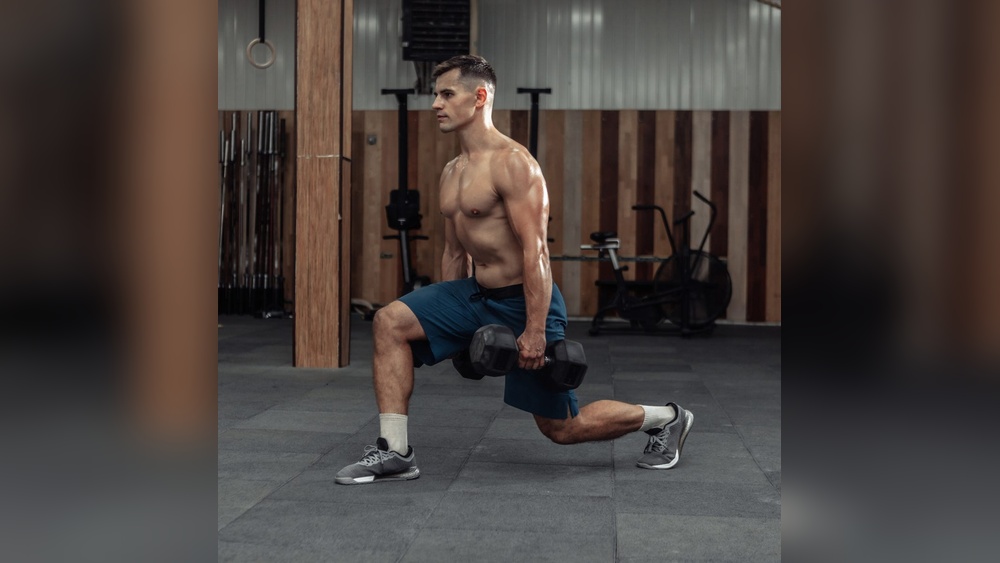
Are you wondering if you can get a full weight training workout using just dumbbells? You’re not alone.
Many people think you need a gym full of machines or heavy barbells to build strength and muscle. But what if I told you that dumbbells alone could be your secret weapon? Whether you’re short on space, budget, or time, dumbbells offer a simple, effective way to transform your body.
Keep reading to discover how you can maximize your results and make every dumbbell count.
Benefits Of Dumbbell Training
Dumbbell training offers many benefits for fitness enthusiasts of all levels. It helps build muscle, improve balance, and fits easily into any routine. Using dumbbells allows for controlled movements that target specific muscles effectively. Many people prefer dumbbells because they are simple and practical for home workouts or gym sessions.
Muscle Growth And Strength
Dumbbells create resistance that challenges muscles to grow stronger. They allow a full range of motion, which helps activate more muscle fibers. This leads to better muscle development over time. Dumbbell exercises can target large and small muscle groups equally. Strength increases because muscles adapt to lifting weights regularly.
Improved Stability And Balance
Using dumbbells requires more control than machines or barbells. Each arm moves independently, which improves muscle coordination. This trains stabilizer muscles that support joints during movement. Better stability lowers the risk of injury in daily activities. Balance improves because the body learns to stay steady during exercises.
Versatility And Convenience
Dumbbells suit many types of workouts, from strength to cardio. They can be used for squats, presses, curls, and more. Their small size makes them easy to store and carry. You can exercise anywhere: at home, park, or gym. Dumbbells allow quick changes in weight, adapting to your strength level.
Essential Dumbbell Exercises
Dumbbells are simple tools that offer many workout options. They help build strength and tone muscles. You can train your whole body using just dumbbells. Here are some essential exercises to include in your routine.
Upper Body Moves
Dumbbell exercises can target your arms, shoulders, and chest. Try bicep curls to build arm strength. Shoulder presses help tone your shoulders and improve posture. Dumbbell rows work your upper back and arms. Push-ups with dumbbells increase chest and arm power. These moves improve muscle balance and endurance.
Lower Body Moves
Dumbbells also strengthen your legs and glutes. Squats with dumbbells add resistance for stronger thighs. Lunges help shape your legs and improve balance. Deadlifts build your hamstrings and lower back. Step-ups with dumbbells develop your calves and thighs. These exercises boost your stability and power.
Core Strengthening
A strong core supports your whole body. Dumbbell Russian twists target your obliques. Weighted sit-ups build your abdominal muscles. Plank rows with dumbbells engage your entire core. These moves improve your balance and posture. A firm core helps prevent injuries and supports daily activities.
Designing A Dumbbell Workout Plan
Designing a dumbbell workout plan is simple and effective. Dumbbells allow a wide range of exercises. You can build strength, tone muscles, and improve endurance. A good plan helps avoid injury and ensures steady progress. Focus on three key points: choosing the right weight, structuring sets and reps, and balancing muscle groups.
Choosing The Right Weight
Select dumbbells that challenge your muscles but do not cause strain. Start with lighter weights to learn proper form. Increase weight gradually as you get stronger. The right weight lets you complete all reps with effort. Avoid weights that are too heavy or too light.
Structuring Sets And Reps
Plan the number of sets and repetitions for each exercise. Aim for 3 to 4 sets per exercise. Reps should be between 8 and 12 for strength and muscle growth. Rest for 30 to 60 seconds between sets. Change reps and sets over time to keep improving.
Balancing Muscle Groups
Work all major muscle groups equally to prevent imbalances. Include exercises for chest, back, legs, arms, and shoulders. Balance pushing and pulling movements for joint health. A balanced plan reduces injury risk and improves posture. Rotate muscle groups to allow recovery.

Credit: www.youtube.com
Common Mistakes To Avoid
Weight training with dumbbells is effective and convenient. Many beginners make mistakes that slow progress or cause injury. Avoiding these common errors helps you train safely and see results faster.
Poor Form And Technique
Using dumbbells requires good form. Poor technique leads to injury and weak results. Focus on controlled movements. Avoid swinging or jerking the weights. Keep your back straight and core tight. Start with lighter weights to learn proper form. Quality beats quantity every time.
Overtraining And Recovery
Training too often or too hard can harm muscles. Overtraining causes fatigue, pain, and slow progress. Rest days are as important as workout days. Allow muscles time to repair and grow. Listen to your body’s signals. Balance work and rest for steady improvement.
Neglecting Warm-up And Cool-down
Skipping warm-up and cool-down increases injury risk. Warm-up prepares muscles and joints for exercise. It improves blood flow and flexibility. Cool-down helps muscles relax and recover. Stretch gently after training. These steps reduce soreness and stiffness.
Progressing With Dumbbells
Progressing with dumbbells is key to building strength and muscle. It keeps workouts fresh and challenges your body. Using dumbbells alone can give you a full, effective workout. The secret lies in how you increase difficulty over time. Small changes make a big difference in results.
Increasing Weight And Intensity
Start with a weight that feels easy but not too light. Gradually add more weight as you get stronger. This simple step forces your muscles to work harder. Another way is to do more repetitions or sets. Shorten rest time between exercises to boost intensity. These methods push your muscles without needing new equipment.
Adding Variations And Complexity
Change exercises to target muscles differently. Try single-arm moves to improve balance and control. Combine movements, like a squat with a bicep curl. This adds challenge and works multiple muscles. Use slow, controlled motions to increase muscle tension. Small tweaks make workouts tougher and more interesting.
Tracking Your Progress
Keep a workout journal or use an app. Record weights, reps, and sets for each session. Tracking helps you see improvements over time. It also shows when to increase difficulty. Regular tracking keeps you motivated and focused. Progress is easier to achieve with clear goals.

Credit: www.menshealth.com
Combining Dumbbells With Other Equipment
Combining dumbbells with other equipment can boost your workouts. It helps target muscles in different ways. This approach keeps your routine fresh and challenging. You build strength and improve endurance more effectively.
Using Resistance Bands
Resistance bands add extra tension to dumbbell exercises. They improve muscle control and stability. Bands allow smooth, controlled movements. They are lightweight and easy to carry. Use bands for rows, presses, and squats with dumbbells. This combination trains muscles through different angles.
Incorporating Bodyweight Exercises
Bodyweight moves complement dumbbell training well. Push-ups, planks, and lunges engage core and stabilizer muscles. These exercises improve balance and coordination. Switching between dumbbells and bodyweight keeps workouts varied. It also reduces the risk of overuse injuries.
Adding Cardio Elements
Adding cardio increases workout intensity and burns more calories. Jump rope, burpees, or high knees mix well with dumbbell sets. Cardio boosts heart health and stamina. It keeps your sessions dynamic and fun. Alternate cardio bursts with strength exercises for best results.
Safety Tips For Dumbbell Training
Training with dumbbells offers many benefits, but safety must come first. Careful attention helps prevent injuries and keeps workouts effective. Simple precautions improve control and protect muscles and joints. Follow these safety tips for a safer dumbbell training experience.
Proper Grip And Control
Hold dumbbells firmly but without tension. A secure grip stops weights from slipping during exercises. Focus on smooth, controlled movements. Avoid fast or jerky motions that can cause muscle strain. Keep wrists straight to reduce pressure. Maintain good posture to balance the weight evenly.
Avoiding Injury
Start with lighter weights to learn proper form. Increase weight gradually as strength improves. Warm up muscles with stretching or light cardio. Use a clear space free of obstacles. Stop immediately if pain or sharp discomfort occurs. Rest between sets to allow muscles to recover. Keep breathing steady to maintain oxygen flow.
When To Seek Professional Guidance
Ask a trainer to check your form early on. Professionals can spot mistakes that cause injury. Consult a doctor before starting if you have health issues. Get advice on suitable exercises for your body type. Personal trainers create safe, effective routines for your goals. Regular check-ins help track progress and avoid setbacks.

Credit: www.muscleandstrength.com
Frequently Asked Questions
Can You Build Muscle With Only Dumbbells?
Yes, dumbbells effectively target all major muscle groups. They allow versatile exercises to build strength, tone, and muscle mass safely at home or gym.
Are Dumbbells Enough For Full-body Workouts?
Absolutely. Dumbbells enable compound and isolation moves. They provide balanced training for upper, lower body, and core muscles, offering a complete workout.
How Often Should You Train With Dumbbells?
For muscle growth and strength, train 3-4 times weekly. Allow rest days for recovery and avoid overtraining to maximize results.
Can Dumbbell Training Improve Bone Density?
Yes. Resistance training with dumbbells stimulates bone growth. It reduces osteoporosis risk by increasing bone strength and density over time.
Conclusion
Dumbbells offer a simple and effective way to build strength. You can work many muscle groups with just a pair. They fit well into small spaces and budgets. Weight training with dumbbells allows you to control your progress. It helps improve balance and coordination too.
Consistency and good form matter most for results. So, dumbbells can be a great choice for weight training. Keep going, and you will see improvement over time.