Are you wondering if you can use dumbbells for squats to boost your workout? Squats are one of the best exercises to build strength and tone your legs, but adding dumbbells can change the game.
Using dumbbells might seem simple, but there’s more to it than just holding weights. If you want to know how dumbbells can improve your squat, prevent injury, and help you reach your fitness goals faster, keep reading. This guide will clear up your doubts and give you practical tips to make every squat count.
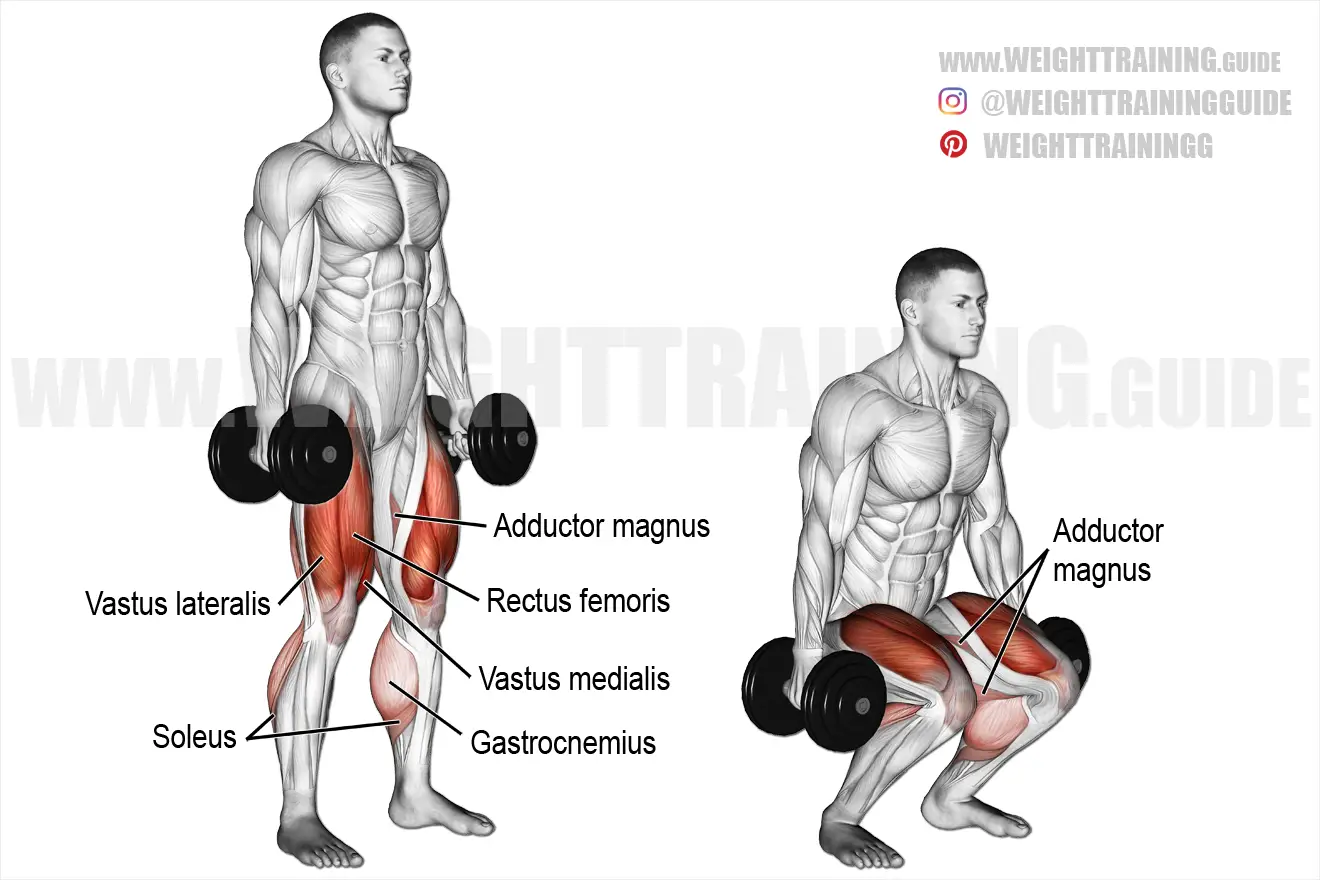
Credit: weighttraining.guide
Benefits Of Dumbbell Squats
Dumbbell squats offer many benefits for strength and fitness. They help build muscle and improve movement. Using dumbbells adds extra weight, making the exercise more effective. This simple change brings many advantages for your body and workout routine.
Here are some key benefits of doing dumbbell squats.
Improved Muscle Activation
Holding dumbbells increases the effort your muscles must use. This leads to better muscle activation in your legs and core. Your quads, hamstrings, and glutes work harder with added weight. Stronger muscles improve your overall strength and shape.
Enhanced Balance And Stability
Dumbbell squats challenge your balance more than bodyweight squats. You must control the dumbbells and your body at the same time. This improves your stability and coordination. Better balance helps in daily activities and other workouts.
Versatility And Convenience
Dumbbells are easy to use anywhere. They fit small spaces and are simple to carry. You can adjust the weight to match your fitness level. This makes dumbbell squats a flexible option for many people.
Joint-friendly Alternative
Dumbbell squats put less pressure on your joints than barbells. Holding dumbbells allows a natural movement path for your knees and hips. This reduces the risk of joint pain and injury. A safer choice for beginners and those with joint issues.
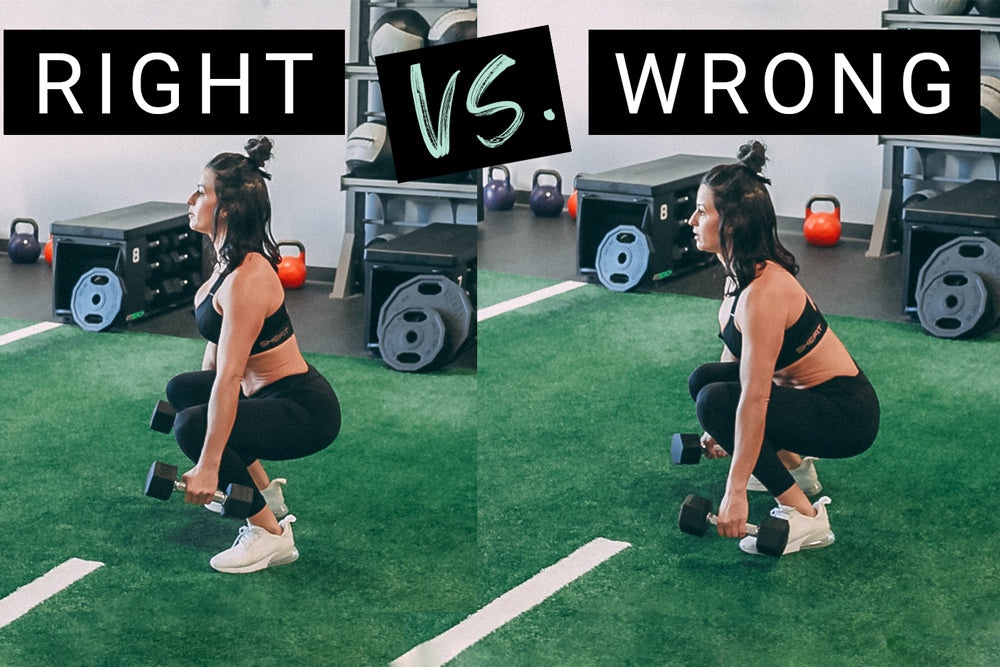
Credit: shefit.com
How To Perform Dumbbell Squats
Dumbbell squats are a great way to build leg strength and improve balance. They are simple to perform and fit well into any workout routine. Holding dumbbells adds resistance, making the exercise more effective. Follow clear steps to do dumbbell squats safely and correctly. This guide helps you choose weights, maintain good form, and avoid common errors.
Choosing The Right Dumbbells
Select dumbbells that match your fitness level. Start with light weights to learn the movement. Gradually increase the weight as your strength grows. The right dumbbells allow controlled, steady motions without strain. Avoid weights that are too heavy or too light. Balanced dumbbells help keep your posture steady during squats.
Proper Squat Form
Stand with feet shoulder-width apart. Hold a dumbbell in each hand by your sides or at shoulder height. Keep your chest up and back straight. Slowly bend your knees and push your hips back. Lower yourself until your thighs are parallel to the floor. Make sure your knees do not go past your toes. Press through your heels to return to standing. Breathe in while lowering and out when rising. Maintain a steady pace throughout the exercise.
Common Mistakes To Avoid
Avoid rounding your back or leaning forward. Do not let your knees collapse inward. Keep your core engaged to protect your spine. Do not lift your heels off the floor. Avoid holding your breath during the movement. Skip jerky or fast motions that reduce control. Focus on smooth, deliberate movements for best results.
Variations Of Dumbbell Squats
Dumbbell squats offer many ways to work your legs and core. Changing the style of squat targets different muscles. These variations keep your workouts fresh and effective. They help build strength and improve balance.
Goblet Squat
Hold one dumbbell close to your chest with both hands. Keep your feet shoulder-width apart. Squat down by bending your knees and hips. This move strengthens your quads, glutes, and core. It also helps improve your squat form.
Sumo Squat
Stand with feet wider than shoulders and toes pointed out. Hold a dumbbell with both hands between your legs. Squat down while keeping your chest up. This targets inner thighs and glutes more than regular squats. It also stretches your hips.
Split Squat
Stand with one foot forward and the other back. Hold dumbbells at your sides. Lower your body until your back knee almost touches the ground. This works each leg separately and improves balance. It strengthens quads, hamstrings, and glutes.
Overhead Dumbbell Squat
Hold dumbbells overhead with arms fully extended. Keep your feet shoulder-width apart. Squat down while keeping the dumbbells steady. This move challenges your shoulders, core, and legs. It builds strength and stability in multiple areas.
Dumbbells Vs. Barbells For Squats
Dumbbells and barbells are both popular tools for squats. Each offers unique benefits and challenges. Choosing between them depends on goals, experience, and safety. Understanding their differences helps select the best option for your workout.
Load And Progression
Barbells allow lifting heavier weights than dumbbells. This makes them ideal for strength gains. Dumbbells offer more control but usually limit the load. Progression with dumbbells often means increasing reps or using heavier sets gradually. Barbells support faster strength progress due to heavier loads.
Range Of Motion
Dumbbells provide more freedom of movement during squats. They allow natural arm and shoulder positions. Barbells restrict upper body movement because of the fixed bar position. Dumbbells can help improve balance and coordination. Barbells focus more on pure leg strength.
Safety Considerations
Dumbbells are safer for beginners or those training alone. Dropping dumbbells is easier and less risky. Barbells require a spotter or safety rack to prevent injury. Dumbbells reduce strain on the lower back and shoulders. Barbells need correct form to avoid injury during heavy lifts.
Incorporating Dumbbell Squats Into Workouts
Dumbbell squats are a simple way to build strength and tone muscles. They fit well into many workout plans. You can add dumbbells to increase the challenge and improve results. Using dumbbells helps improve balance and muscle control.
Squats with dumbbells work your legs, hips, and core. You can adjust the weight and reps to match your fitness level. This makes dumbbell squats good for beginners and advanced lifters alike.
Beginner Routines
Start with light dumbbells to focus on form. Hold a dumbbell in each hand at your sides. Keep feet shoulder-width apart. Slowly squat down as if sitting in a chair. Stop when your thighs are parallel to the floor. Stand back up and repeat 10 to 12 times. Rest for a minute and do two to three sets.
Advanced Training Tips
Increase dumbbell weight for more resistance. Try holding a single dumbbell at your chest for a goblet squat. Add pauses at the bottom of the squat to build strength. Increase reps to 15 or more for endurance. Use slow, controlled movements to improve muscle engagement. Challenge your balance by squatting on one leg with a dumbbell.
Combining With Other Exercises
Pair dumbbell squats with lunges for full leg work. Follow squats with dumbbell deadlifts to target hamstrings. Add shoulder presses after squats for a full-body workout. Mix in planks to strengthen your core and improve stability. Combine with jumping exercises to boost cardio and power. This variety keeps workouts interesting and effective.
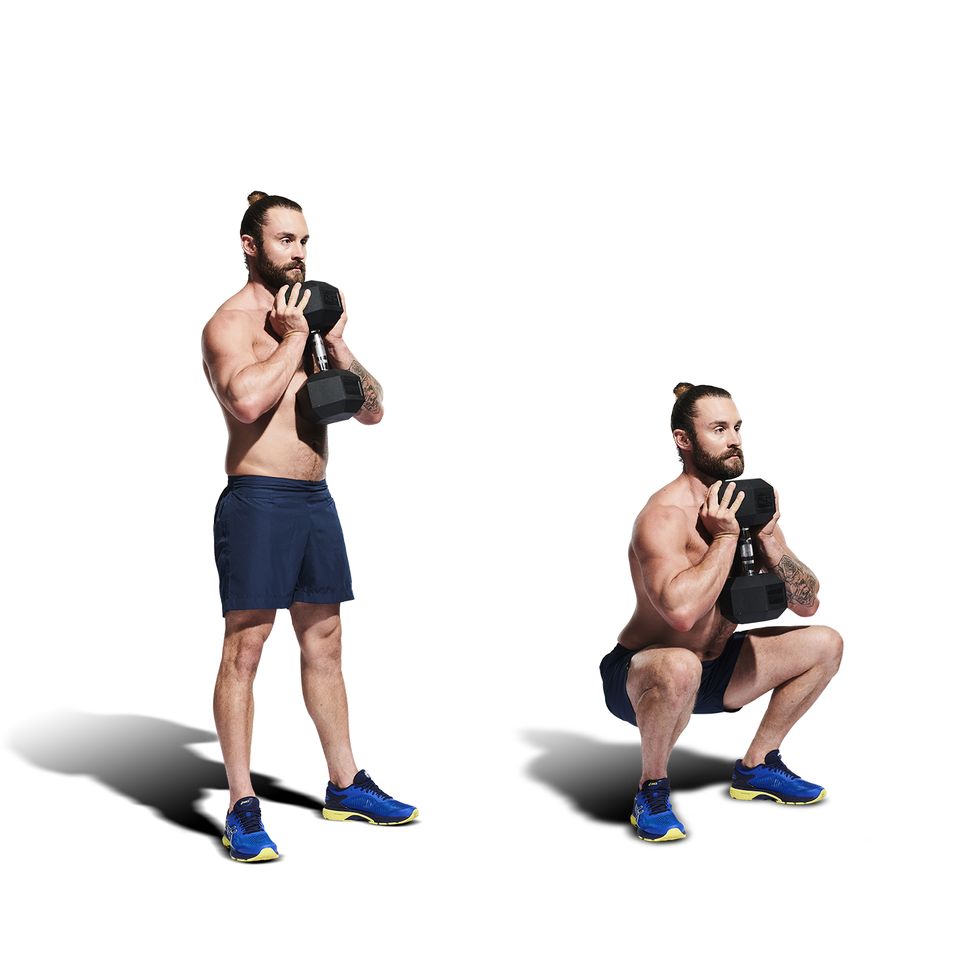
Credit: www.menshealth.com
Frequently Asked Questions
Can You Use Dumbbells For Squats Safely?
Yes, dumbbells are safe for squats when used with proper form. Hold them securely by your sides or at shoulder level. Start with light weights to maintain balance and avoid injury. Gradually increase weight as your strength improves.
How Do Dumbbells Affect Squat Effectiveness?
Dumbbells add resistance, increasing squat intensity and muscle engagement. They improve balance and coordination by requiring stabilization. This can lead to better muscle tone and strength gains compared to bodyweight squats alone.
Are Dumbbell Squats Better Than Barbell Squats?
Dumbbell squats offer more flexibility and are easier for beginners. They reduce spinal load compared to barbells. However, barbell squats allow heavier lifting and target muscles differently. Both are effective; choice depends on your fitness goals.
What Muscles Do Dumbbell Squats Target?
Dumbbell squats primarily work the quadriceps, hamstrings, and glutes. They also engage the core for stability. Holding dumbbells enhances upper body and grip strength, making the exercise more comprehensive.
Conclusion
Dumbbells work well for squats. They help build strength and balance. You can adjust weight easily with dumbbells. This makes workouts safe and effective. Squats with dumbbells target many muscles at once. They also improve posture and core stability. Start with light weights to learn proper form.
Gradually increase weight as you get stronger. Dumbbell squats fit any fitness level. Try adding them to your routine today. Feel stronger and more confident with each squat.