
Have you ever wondered if you can run while holding dumbbells? Maybe you’re looking to boost your workout, burn more calories, or build strength on the go.
Running with dumbbells might sound simple, but is it safe? Will it really help you reach your fitness goals? Keep reading to discover the surprising truth about this workout twist—and find out if it’s right for your routine. Your next run could be a game-changer.
Benefits Of Running With Dumbbells
Running with dumbbells changes your workout. It adds strength training to your cardio. This combo can boost your fitness in many ways. You get more from each run. Your body works harder and adapts faster.
Enhanced Muscle Engagement
Holding dumbbells makes your arms work more. Your shoulders, biceps, and triceps get extra exercise. This helps build stronger upper body muscles. Your core also tightens to keep balance. More muscles working means better overall strength.
Increased Calorie Burn
Extra weight makes your body burn more energy. Running with dumbbells raises your heart rate faster. You use more calories than running without weights. This helps with fat loss and weight control. A longer or faster run burns even more calories.
Improved Cardiovascular Fitness
The added effort makes your heart pump harder. This strengthens your heart and lungs over time. Your stamina grows, so you run longer without tiring. Better cardiovascular fitness means more energy daily. It supports overall health and endurance.
Choosing The Right Dumbbells
Choosing the right dumbbells is key for running with them safely and effectively. The right dumbbells help maintain balance and reduce injury risk. Picking dumbbells that fit your needs makes your workout smoother and more comfortable.
Weight Selection
Select dumbbells that match your strength and running ability. Start with lighter weights to avoid strain. Too heavy dumbbells make running awkward and tiring. Gradually increase weight as your strength improves. Balance is crucial to keep good running form.
Grip And Shape
Choose dumbbells with a comfortable grip to prevent slipping. A textured handle offers better control and stability. Rounded or hex-shaped dumbbells stay in place and reduce rolling risk. Good grip and shape help maintain focus during your run.
Material And Durability
Pick dumbbells made from strong materials like steel or rubber-coated metal. Durable dumbbells last longer and withstand outdoor use. Rubber coating protects floors and reduces noise. Quality materials ensure safety and comfort while running.
Safe Running Techniques
Running with dumbbells can add strength to your workout. It also needs care to avoid injury. Safe running techniques help you stay steady and strong. Follow these tips to run safely with dumbbells.
Proper Posture And Form
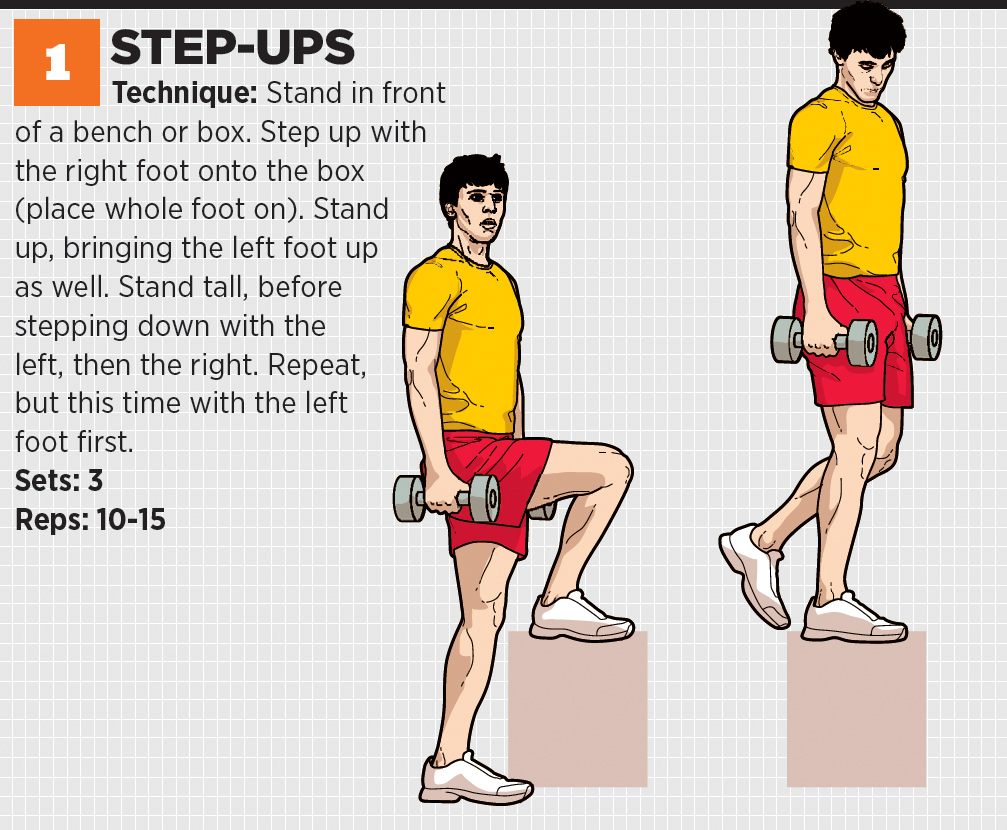
Keep your back straight and your head up. Avoid leaning forward or backward. Your shoulders should be relaxed and down. Look straight ahead, not at your feet. This posture helps reduce strain and improve breathing.
Controlled Arm Movement
Hold the dumbbells firmly but not too tight. Swing your arms naturally, not too fast or wide. Keep elbows close to your body. Controlled movement helps keep balance and prevents muscle strain.
Maintaining Balance
Focus on steady, even steps. Keep your core muscles tight to support your body. Avoid sudden turns or stops. Good balance lowers the risk of falls and injuries.
Credit: mensrunninguk.co.uk
Common Mistakes To Avoid
Running with dumbbells can add strength and endurance to your workout. Avoiding common mistakes helps prevent injury and improves results. Focus on form and safety for the best experience.
Using Excessive Weight
Choose dumbbells that match your fitness level. Heavy weights strain your arms and shoulders. This can cause poor running form and injury. Start light and increase weight slowly. Keep control of the dumbbells at all times.
Overstriding
Keep your steps short and natural. Overstriding puts extra stress on knees and hips. It also slows your pace and wastes energy. Focus on a steady, even rhythm. This helps maintain balance and reduces injury risk.
Neglecting Warm-up And Cool-down
Always warm up before running with dumbbells. Warm muscles prevent strains and improve performance. After running, cool down with gentle stretches. This helps muscles recover and reduces soreness.
Sample Dumbbell Running Workouts
Running with dumbbells can boost strength and endurance. It adds extra weight to your workout. This helps build muscles and burn more calories. Below are sample dumbbell running workouts for different skill levels. Each routine focuses on safe and effective exercises.
Beginner Routine
Start with light dumbbells, about 2 to 5 pounds. Run at a steady pace for 1 minute. Walk for 2 minutes to recover. Repeat this cycle 5 times. Focus on good form and breathing. Keep your arms relaxed but firm. Avoid swinging the dumbbells too much.
Intermediate Routine
Use medium weight dumbbells, around 5 to 10 pounds. Run for 2 minutes at a faster pace. Walk for 1 minute to catch your breath. Do 6 to 8 cycles. Add arm exercises during walking, like bicep curls. This increases arm strength without tiring your legs.
Advanced Routine
Choose heavier dumbbells, 10 to 15 pounds. Sprint for 30 seconds as fast as possible. Jog or walk for 1 minute for recovery. Repeat 8 to 10 times. Include short bursts of arm punches while running. This routine challenges your speed and power. Make sure to warm up well before starting.
Alternatives To Dumbbells For Running
Running with dumbbells is not the only way to add resistance to your workout. There are other tools that can help improve strength and endurance while you run. These alternatives offer different benefits and may suit your needs better.
Weighted Vests
Weighted vests add extra weight evenly across your torso. This helps improve your strength and stamina. The vest keeps your hands free and does not affect your running form as much. You can adjust the weight to fit your fitness level. Wearing a weighted vest makes your muscles work harder.
Ankle Weights
Ankle weights add resistance to your legs during running. They help strengthen your lower body muscles. These weights are easy to put on and remove. Ankle weights increase the effort needed for each step. Use them carefully to avoid strain or injury. They are good for short runs or walking.
Resistance Bands
Resistance bands provide flexible and adjustable resistance. You can attach them to your legs or hips while running. Bands help improve muscle tone and balance. They are lightweight and easy to carry. Resistance bands allow for a wide range of motion. Use bands to add challenge without heavy weights.
When To Avoid Running With Dumbbells
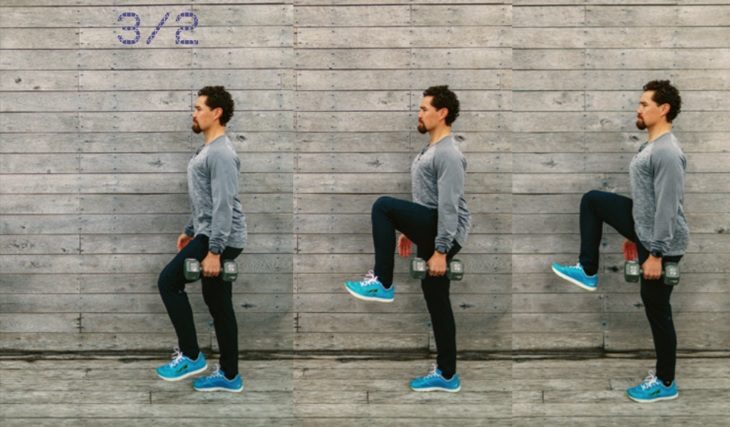
Running with dumbbells can add intensity to your workout. Yet, it is not always safe or smart. Certain conditions make running with dumbbells risky. Knowing when to avoid it helps prevent injuries and improves your fitness journey.
Existing Injuries
Running with dumbbells is not good if you have injuries. Wrist, shoulder, or arm pain can get worse. Dumbbells add weight and stress to these areas. Rest and heal fully before trying this exercise.
Poor Fitness Level
Beginners should avoid running with dumbbells. Your muscles and joints need strength first. Running alone is a better start. Add dumbbells only after building basic fitness and endurance.
Improper Equipment
Using the wrong dumbbells can cause harm. Choose weights that fit your strength. Avoid very heavy or slippery dumbbells. Proper grip and size make running safer and more effective.

Credit: www.healthline.com
Credit: runningmagazine.ca
Frequently Asked Questions
Can You Run Safely While Holding Dumbbells?
Yes, you can run with dumbbells if you use light weights. Proper grip and controlled movement reduce injury risk. Avoid heavy dumbbells to maintain balance and form.
What Are The Benefits Of Running With Dumbbells?
Running with dumbbells enhances upper body strength and calorie burn. It also improves grip strength and overall endurance. This makes your workout more intense and effective.
How Heavy Should Dumbbells Be For Running?
Choose dumbbells weighing between 1 to 5 pounds for running. Lighter weights prevent strain and maintain proper running form. Avoid heavy dumbbells to reduce injury risk.
Does Running With Dumbbells Improve Cardiovascular Fitness?
Yes, running with dumbbells increases cardiovascular demand. It challenges your heart and lungs more than regular running. This helps improve your aerobic capacity and stamina.
Conclusion
Running with dumbbells can add strength and challenge to your workout. Start with light weights to avoid injury and keep good form. Listen to your body and stop if you feel pain. This practice can boost endurance and muscle tone when done safely.
Not for everyone, but worth trying for variety. Always warm up before and cool down after running. Stay consistent and enjoy your fitness journey.