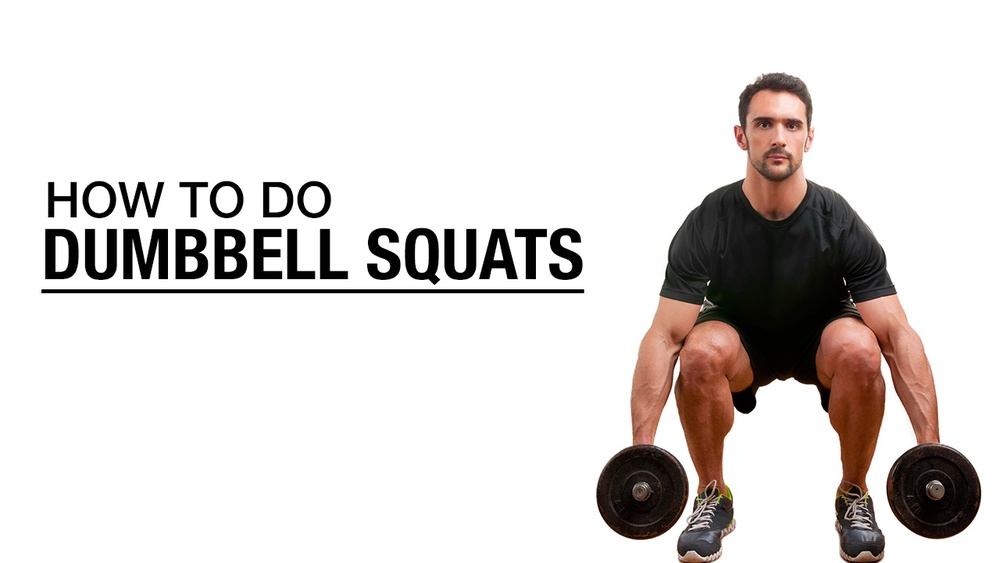
Are you wondering if you can squat with dumbbells and still get a great workout? Squats are one of the best exercises for building strength and toning your legs and glutes.
But what happens when you add dumbbells into the mix? Using dumbbells can change your squat routine in ways that might surprise you. If you want to know how to squat safely and effectively with dumbbells, and discover the benefits waiting for you, keep reading.
This article will guide you step-by-step so you can boost your fitness and feel stronger every day.
Credit: www.menshealth.com
Benefits Of Dumbbell Squats
Dumbbell squats offer many benefits beyond just building strength. They help improve muscle control and balance. This exercise also supports better posture and joint health. Using dumbbells makes the movement more natural and accessible for many people. It challenges your body in different ways compared to barbell squats. Let’s explore the key benefits of dumbbell squats.
Improved Muscle Activation
Dumbbell squats engage multiple muscle groups at once. Holding weights in each hand forces your muscles to work harder. Your legs, glutes, and hips activate strongly. This helps build strength evenly across your lower body. The muscles stay engaged throughout the movement for better growth. You also improve muscle coordination and control.
Enhanced Core Stability
Holding dumbbells challenges your core muscles to stay tight. Your abs and lower back work hard to keep balance. This improves overall core strength and stability. A strong core supports better posture and reduces injury risk. Dumbbell squats train your body to stay steady under load. This carries over to daily activities and other workouts.
Increased Flexibility
The squat motion stretches your hips and ankles deeply. Dumbbells allow you to squat with better form and depth. This leads to improved joint flexibility over time. Flexible joints reduce stiffness and pain. They also improve your movement range for other exercises. Dumbbell squats help keep your body agile and mobile.
Choosing The Right Dumbbells
Choosing the right dumbbells is key for effective squats. The right weight and type improve form and results. Dumbbells that fit your grip and strength make exercise safer and easier.
Consider your fitness level and goals before selecting dumbbells. Comfort and control matter for each workout. The right dumbbells help you squat with confidence and focus.
Weight Selection Tips
Start with light dumbbells to learn proper squat form. Gradually increase weight as your strength grows. Choose weights that challenge muscles without causing strain. Avoid weights that make you lose balance. Consistent progress helps build muscle safely.
Types Of Dumbbells
Fixed dumbbells have set weights and are easy to use. Adjustable dumbbells allow you to change weight quickly. Vinyl dumbbells offer a soft grip and are good for beginners. Metal dumbbells last long and suit heavy lifting. Pick dumbbells that match your budget and space.
Grip Considerations
Choose dumbbells with a comfortable grip to avoid slipping. Look for textured handles that improve hold. Ensure dumbbells fit your hand size well. A firm grip helps maintain balance during squats. Avoid handles that cause discomfort or numbness.
Proper Squat Form With Dumbbells
Proper squat form with dumbbells is essential for safety and effectiveness. Squatting with dumbbells works your legs, glutes, and core. It also helps improve balance and strength. Following the right steps ensures you get the best results and avoid injury. Focus on your position and alignment throughout the movement.
Starting Position
Stand with feet shoulder-width apart. Hold a dumbbell in each hand. Let your arms hang straight down at your sides. Keep your chest up and shoulders back. Engage your core to stay stable. Look straight ahead to maintain balance.
Foot Placement
Your feet should point slightly outward. This angle helps your knees track correctly. Keep your weight evenly on your heels and midfoot. Avoid lifting your toes off the ground. This position offers better support and power.
Back And Knee Alignment
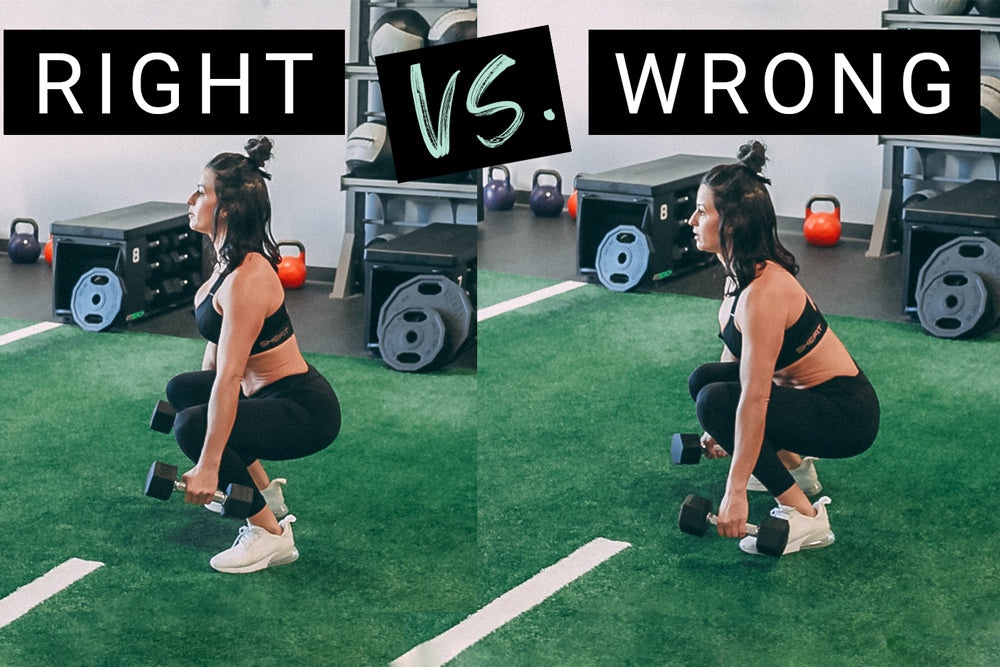
Keep your back straight and chest lifted. Avoid rounding your lower back. Your knees should stay in line with your toes. Do not let them cave inward. Bending your knees past your toes reduces joint stress. Maintain this alignment through the entire squat.
Credit: shefit.com
Common Mistakes To Avoid
Squatting with dumbbells is a great way to build strength. Many people make mistakes that limit their progress or cause injury. Avoiding these common errors helps you squat safely and effectively. Focus on good form and control throughout each movement.
Rounding The Back
Keep your back straight during squats. Rounding the back puts stress on your spine. It can lead to pain or injury. Engage your core muscles to support your back. Look forward, not down, to keep your chest up. A strong, straight back protects your body.
Knees Caving In
Your knees should point in the same direction as your toes. Knees caving inward strain the joints and muscles. This reduces the squat’s effectiveness and causes discomfort. Push your knees out slightly as you squat down. This keeps your legs stable and safe.
Uneven Weight Distribution
Hold the dumbbells evenly in each hand. Uneven weight shifts your balance and stresses one side more. This can cause muscle imbalances and poor form. Stand with your feet shoulder-width apart. Keep your weight evenly spread on both feet. Balanced weight helps maintain control and power.
Variations Of Dumbbell Squats
Dumbbell squats come in many forms. Each type targets muscles slightly differently. This variety helps keep workouts fresh and effective. You can choose the style that fits your strength and goals best.
Goblet Squat
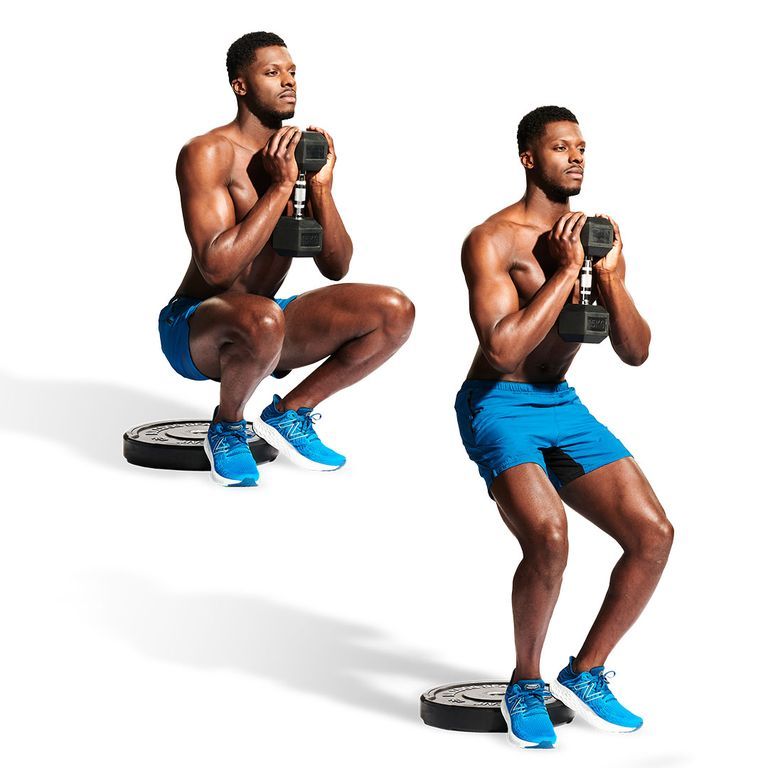
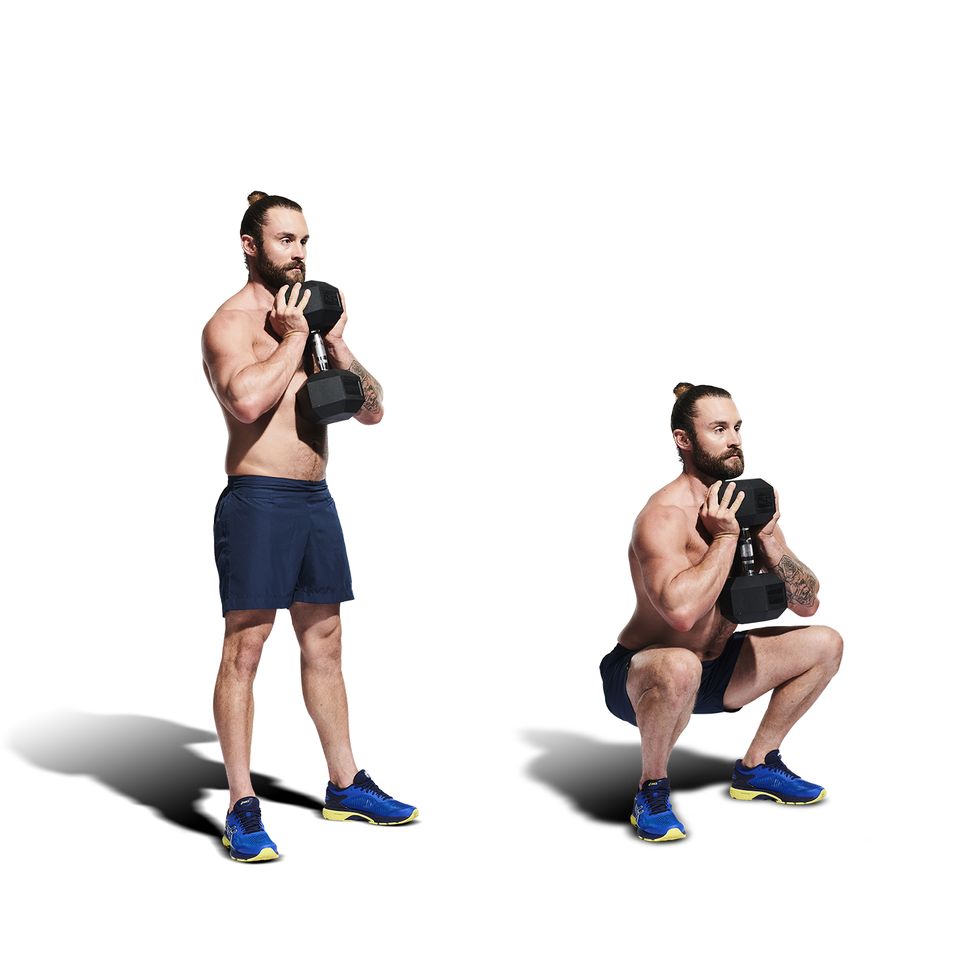
The goblet squat is simple and great for beginners. Hold one dumbbell close to your chest. Keep your elbows pointing down. Squat down by bending your knees and hips. This move strengthens your legs and core muscles.
Split Squat
Split squats work one leg at a time. Stand with one foot forward and the other back. Hold dumbbells at your sides. Lower your body until your back knee nearly touches the ground. This exercise improves balance and leg strength.
Sumo Squat
The sumo squat uses a wide stance. Hold dumbbells in front of you or at your sides. Point your toes outward, wider than shoulder-width. Squat down while keeping your chest up. This targets your inner thighs and glutes well.
Safety Tips During Dumbbell Squats
Performing dumbbell squats can boost strength and improve fitness. Safety must come first to avoid injury. Follow some key tips during your workout.
Warm-up Exercises
Start with light cardio to increase blood flow. Try walking or jogging for five minutes. Do dynamic stretches like leg swings and arm circles. Warm muscles reduce the chance of strains. Prepare your body for the squat motion.
Controlled Movements
Hold the dumbbells firmly but not too tight. Move slowly and with control. Avoid sudden drops or fast shifts in weight. Keep your back straight and chest up. Controlled motion protects joints and muscles. Focus on form rather than speed or heavy weights.
When To Stop
Stop if you feel pain or discomfort. Fatigue can cause poor form and injury. Take breaks between sets to recover. Stop if dizziness or shortness of breath occurs. Listen to your body’s signals. Safety means knowing your limits.
Integrating Dumbbell Squats Into Your Routine
Integrating dumbbell squats into your workout brings strength and balance. They fit well in many exercise plans. You can build muscle, improve stability, and burn calories with them.
Using dumbbells adds resistance and challenges your muscles more than bodyweight squats. This helps you grow stronger and improve endurance over time. Adjust weight and reps to match your fitness level.
Frequency And Sets
Start with two to three sessions per week. This allows muscles to recover and grow. Perform three to four sets of 8 to 12 reps each session. Keep rest time around 30 to 60 seconds between sets.
Focus on form before adding more weight. Consistent practice builds strength safely and steadily.
Combining With Other Exercises
Pair dumbbell squats with lunges, deadlifts, or step-ups. These moves target legs and glutes differently. Add upper body exercises like rows or presses for balanced workouts.
This combination improves overall fitness and avoids muscle imbalance. Vary your routine to stay motivated and prevent plateaus.
Progress Tracking
Keep a workout journal to track sets, reps, and weights. Note how you feel during and after workouts. Tracking helps spot improvements and areas needing work.
Gradually increase dumbbell weight or reps as strength grows. This steady progress leads to better results and less injury risk.
Credit: www.menshealth.com
Frequently Asked Questions
Can You Squat With Dumbbells Safely?
Yes, you can squat with dumbbells safely by maintaining proper form. Hold dumbbells at your sides or shoulders. Keep your back straight and knees aligned. Start with light weights to avoid injury and gradually increase as you build strength.
What Muscles Do Dumbbell Squats Target?
Dumbbell squats primarily target your quads, hamstrings, and glutes. They also engage your core for stability. Holding dumbbells adds resistance, increasing muscle activation. This makes the exercise effective for building lower body strength and improving balance.
Are Dumbbell Squats Better Than Bodyweight Squats?
Dumbbell squats add resistance, making them more challenging than bodyweight squats. They help build muscle and strength faster. However, bodyweight squats are great for beginners or warm-ups. Combining both types can improve overall fitness and muscle endurance.
How Much Weight Should I Use For Dumbbell Squats?
Start with light dumbbells, around 5 to 15 pounds, to master form. Gradually increase the weight as your strength and confidence grow. Choose a weight that challenges you but allows proper technique throughout the set.
Conclusion
Squatting with dumbbells helps build strength and balance. It targets many muscles at once. You can adjust the weight to match your level. Dumbbells also improve your grip and coordination. This exercise fits well in home or gym routines. Start with light weights and focus on form.
Keep your back straight and knees aligned. Squatting safely prevents injury and improves results. Try adding dumbbell squats to your workouts regularly. You will feel stronger and more confident over time. Simple, effective, and easy to do anywhere.


